Skip to content
If you’re just starting your gardening journey in a small space, you might be wondering which gardening tools you actually need. I’ve been there — standing in the aisle at the store or scrolling online, wondering if I really needed that fancy gadget or if it would just collect dust. The truth is, you don’t have to spend a fortune to set yourself up for success. All you need are a few reliable, budget-friendly tools that make gardening easier, cleaner, and more enjoyable.
Today, I’m sharing 15 of my go-to gardening tools that are perfect for beginners, especially if you’re working with containers, patios, balconies, or a tiny backyard. These are the same tools I use in my own garden, and I’ve picked each one because it’s practical, affordable, and helps you get the job done without unnecessary extras.
1. Gardening Gloves
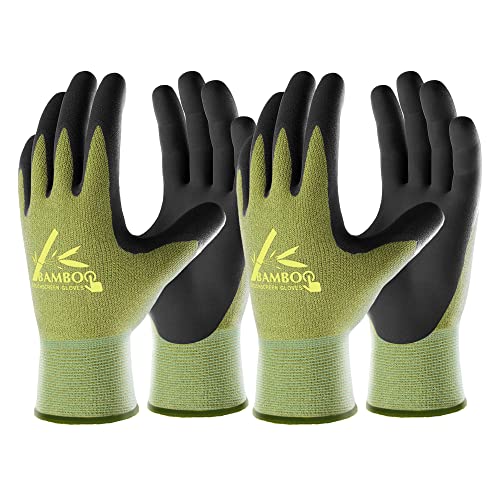
Before you pick up any tool or dig into the soil, protect your hands. A good pair of gardening gloves will keep your skin safe from cuts, scrapes, blisters, and stubborn dirt under your nails. Even if you keep your nails short (like I do), soil has a way of finding its way under there. Look for gloves that fit snugly but allow your fingers to move freely. You can find budget-friendly options at dollar stores that hold up surprisingly well. Toss them in the washer when they’re dirty, and you’re good to go.
2. Watering Pitcher (With Spray Option)
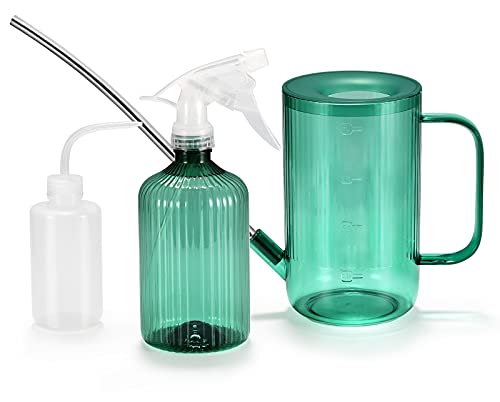
In small-space gardening, overwatering is just as risky as underwatering, so control is key. A watering pitcher with both a pouring spout and a gentle spray feature lets you hydrate your plants without flooding them. I found mine for just a few dollars, and it’s been perfect for seedlings, mature plants, and even indoor herbs. It’s a must-have for anyone who doesn’t want to drag out a heavy hose every time.
3. Hand Trowel
Your hand trowel is like the Swiss army knife of the garden. Whether you’re digging holes for new plants, transferring seedlings, or scooping soil into pots, this small but mighty tool gets the job done. Choose one with a comfortable grip and a sturdy metal blade — it’s worth spending a little more for something that won’t bend when you hit a tough root or compacted soil.
4. Pruning Scissors
Healthy plants often need a little haircut. Pruning scissors are essential for removing dead leaves, trimming stems, and thinning seedlings so the healthiest ones can thrive. They’re also great for harvesting herbs and leafy greens without damaging the plant. For beginners, a simple pair of sharp, comfortable scissors can double as pruning shears until you’re ready to invest in specialty tools.

5. Containers
While not a “tool” in the traditional sense, containers are essential in small-space gardening. They allow you to grow vegetables, herbs, and flowers without needing a large plot of land. Start with whatever you can afford — repurposed buckets, thrifted pots, or dollar store planters. Just make sure they have drainage holes to prevent waterlogging.
6. Compost Bin or Kitchen Scrap System
Think of your compost setup as a tool that feeds your garden for free. Save kitchen scraps like banana peels, eggshells, coffee grounds, and vegetable trimmings (but skip meat and dairy). Even a small countertop compost bin or a repurposed bucket can turn waste into nutrient-rich compost that your plants will love. It’s one of the easiest ways to improve your soil without spending extra money.

7. Kneeling Pad or Garden Stool
Gardening often means bending, squatting, and kneeling — movements that can take a toll on your knees and back. A kneeling pad or a foldable garden stool offers comfort and support, making it easier to spend more time tending to your plants. You don’t need a fancy model; even an old pillow wrapped in a trash bag will do the trick.

8. Soil Sifter
A soil sifter removes large wood chips, rocks, and clumps from potting mix, creating a fine, even texture for seedlings. Smooth soil makes it easier for tiny roots to establish themselves and prevents delicate sprouts from being blocked. You can buy an inexpensive sifter or repurpose a plastic colander or mesh tray — I’ve even used a thrifted toy sifter with great results.

9. Hand Cultivator
A hand cultivator loosens compacted soil and breaks up clumps, allowing air, water, and nutrients to penetrate more easily. In container gardening, this is especially useful for refreshing soil between plantings. Look for one with comfortable handles and strong tines — flimsy tools tend to bend after a few uses.

10. Watering Wand or Hose Attachment
If you have access to a hose, a watering wand attachment is a game-changer. It extends your reach, delivers water gently, and makes it easier to hydrate plants without disturbing the soil. In small gardens, it also helps you reach hanging baskets or tall planters without straining.
11. Spray Bottle for Foliar Feeding & Pest Control
A spray bottle has countless uses in the garden. You can use it for foliar feeding (spraying diluted fertilizer directly onto leaves), misting delicate seedlings, or applying natural pest control sprays. It’s a cheap and versatile tool every beginner should have on hand.

12. Garden Labels or Plant Markers
When you’re growing multiple crops, it’s easy to forget what you planted where. Plant markers save you from mystery plant confusion and help you track planting dates. You can buy ready-made ones or make your own from popsicle sticks, rocks, or even old plastic cutlery.

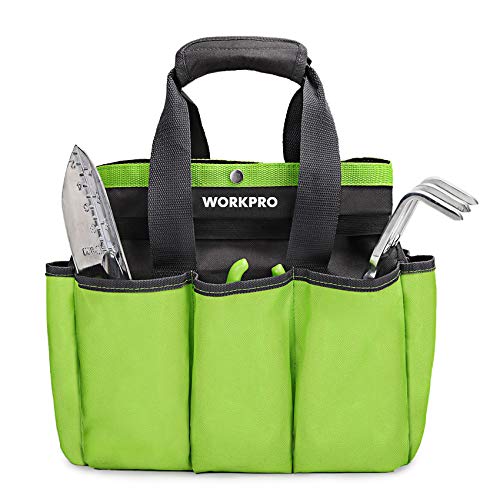
13. Garden Tote or Tool Bag
A garden tote keeps your tools organized and easy to carry. It’s especially helpful in small spaces where you may be moving tools from indoors to outdoors. Look for one with multiple pockets so you’re not constantly searching for your scissors, trowel, or gloves.
14. Measuring Stick or Tape Measure
Spacing is critical in small gardens — plant too close together and they’ll compete for nutrients; plant too far apart and you waste valuable growing space. A measuring stick or tape measure helps you plant at the right distances, ensuring each crop gets the room it needs.
15. Lightweight Rake or Hand Rake
Even in container gardens, a lightweight rake can be useful for leveling soil, spreading compost, or cleaning up fallen leaves. In tight spaces, a hand rake works well without taking up much storage space.

Why These Tools Work for Beginners in Small Spaces
These 15 gardening tools cover all the basics — digging, planting, watering, pruning, labeling, and caring for your plants — without overwhelming you with unnecessary gadgets. They’re budget-friendly, space-saving, and perfect for learning the ropes before you invest in more specialized equipment.
When I started my garden, I wanted to test my green thumb without spending hundreds of dollars. Using just these essentials, I was able to grow vegetables, herbs, and flowers in containers on my patio. The best part? I discovered what worked for me before upgrading my tools.
Take the Guesswork Out of What to Plant Each Month
Having the right tools is only part of the equation. Knowing what to plant and when to plant it — especially in a small space — is just as important. That’s why I created my Month-to-Month Zone Planner. It’s designed to eliminate the confusion by showing you exactly which vegetables grow best in your specific USDA zone each month of the year.
Every zone is different. What works in Zone 8 in April might not work at all in Zone 5. Planting at the wrong time can mean wasted seeds, stunted plants, and a smaller harvest. With my planner, you’ll have a clear roadmap that helps you maximize your limited space and grow more food successfully.
If you’re ready to stop guessing and start planting with confidence, my Month-to-Month Zone Planner will guide you step-by-step — so you can enjoy fresh harvests all year long.