Skip to content
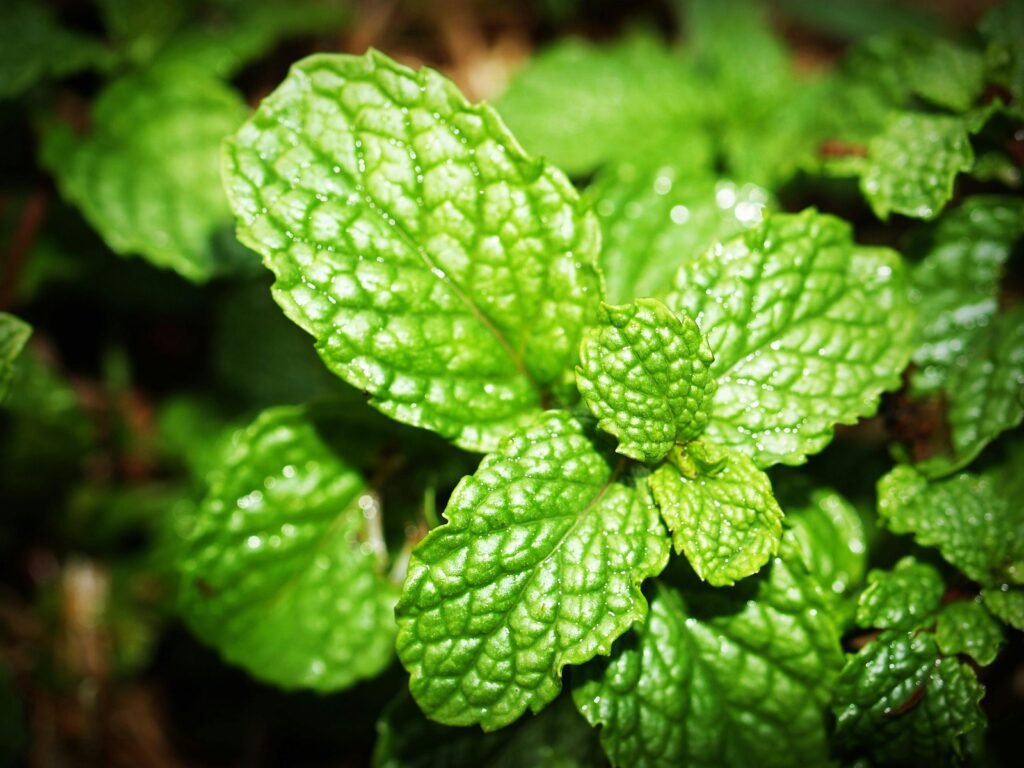
If you’re thinking about growing spearmint in containers, you’re in the right place. Whether you’re dreaming of fresh mint tea, want to add vibrant greenery to your patio, or are simply curious if spearmint is easy to grow, this guide is for you. I’ll share what I’ve learned—mistakes, miracles, and all—so you can confidently start your own mint-growing journey.
Why Grow Spearmint? (Personal Story Included)
Let me take you back to the day I bought my first spearmint plant from Home Depot. I didn’t grow it from seed—though I’m currently growing some indoors—but I wanted a ready-to-harvest plant so I could start enjoying fresh mint tea right away. That was the dream.
Well… let’s just say I didn’t know what I didn’t know.
As a new gardener, I didn’t realize that mint doesn’t thrive in full sun. I left my spearmint outside, baking in the Georgia heat, and it wasn’t long before the leaves turned crispy and brown. I almost composted the whole thing. But something told me to give it one more shot.
This post shares that journey—what went wrong, how I brought my mint back from the brink, and how you can avoid the same mistakes while growing spearmint outdoors or in containers.
Is Spearmint Easy to Grow?
In short—yes, spearmint is incredibly easy to grow, especially if you’re gardening in containers.
This hardy herb is resilient, low-maintenance, and forgiving. It tolerates less-than-perfect conditions and bounces back from neglect more often than you’d expect (trust me, I’ve tested that unintentionally!).
That said, spearmint does have preferences. If you meet its basic needs—partial shade, well-drained soil, and regular watering—it will reward you with lush, aromatic leaves all season long. And yes, it does grow back every year.
For beginners looking to gain confidence, spearmint is a wonderful starter herb.
Growing Spearmint in Containers: Why It’s the Smart Choice
Here’s why growing spearmint in containers is a great idea:
- Spearmint spreads like wildfire. It’s known for being invasive in the ground, often taking over garden beds. Containers keep it contained and controlled.
- You can move it around. If your mint needs more shade or protection from the elements, container gardening gives you flexibility.
- You can grow it almost anywhere—on a balcony, patio, windowsill, or even indoors.
Container gardening is ideal if you’re short on space or just getting started. Plus, it makes caring for your mint easier to manage.
How to Grow Spearmint in a Pot: Step-by-Step
Let’s get into the practical side of things. Whether you bought a starter plant like I did or you’re growing spearmint from seed, here’s how to grow it successfully in a pot.
1. Choose the Right Container
Spearmint prefers a wide, shallow container with drainage holes. A pot that’s 8–12 inches deep and at least 12 inches wide is perfect. It gives the roots room to spread while preventing overcrowding.
Tip: Spearmint can be grown in plastic, ceramic, or fabric grow bags. Just make sure there’s adequate drainage.
2. Use Well-Draining Soil
Use a high-quality potting mix designed for herbs or vegetables. Avoid garden soil, which may compact in containers. You can also mix in a handful of compost or worm castings for extra nutrients.
3. Plant Your Spearmint
- If starting from seed, lightly press the seeds into moist soil and keep them covered until they sprout.
- If using a starter plant, gently loosen the roots before planting it into the container.
Water thoroughly after planting.
4. Find the Right Location
This is the part where I slipped up—spearmint doesn’t like direct, harsh sunlight. Instead, it thrives in partial shade. Morning sun with afternoon shade is ideal.
Keyword note: Wondering does spearmint grow in shade? Yes, and in fact, it prefers it!
Place your container in a spot that gets 3–6 hours of sunlight per day.
5. Water Consistently
Keep the soil consistently moist but not soggy. Spearmint is forgiving but doesn’t like to dry out completely.
- Stick your finger in the soil—if the top inch feels dry, it’s time to water.
- In hot weather, you may need to water daily.
6. Prune and Harvest Often
Pruning encourages bushier growth. Harvest by snipping leaves just above a node (where the leaves meet the stem). Don’t remove more than one-third of the plant at once.
Bonus: Regular harvesting makes the mint more productive and helps prevent legginess.
Spearmint Care Outdoors: Light, Water, and Soil Tips
If you’re growing spearmint outdoors, here’s what you need to know.
Light
- Partial shade is best.
- Too much sun leads to crispy leaves (as I unfortunately learned).
- Dappled sunlight under a tree or shade cloth works well.
Water
- Water regularly, especially in hot weather.
- Containers dry out faster than ground soil, so check daily in summer.
Soil
- Mint loves rich, loamy, well-draining soil.
- Add compost to improve fertility.
- Avoid letting the soil stay soggy—this can lead to root rot.
What Zone Does Spearmint Grow In?
Spearmint is a hardy perennial in USDA zones 3 to 11. That means it survives winter and regrows each spring in most parts of the U.S.
If you’re unsure about your spearmint growing zone, my Dirt Zone Calendar will help you figure it out! It includes a month-by-month planting guide for every USDA zone—so you always know what to plant and when.
🌱 Grab the kit and find your zone instantly.
Common Spearmint Mistakes (And How I Made One!)
Let me be honest—I made a few mistakes with my first spearmint plant. Here’s what I learned so you don’t have to repeat them:
Mistake 1: Too Much Sun
I placed my spearmint in full sun thinking it would love the light. Big mistake. It dried out and the leaves turned crispy.

Mistake 2: Ignoring Early Warning Signs
The leaves were curling and fading before they fully died. I missed the early signs.
Mistake 3: Not Checking the Roots
Before tossing your plant, check the roots. Mine had signs of life—tan, firm roots and green stems—even when the leaves were gone.
These missteps taught me that spearmint is easy to grow, but not foolproof. Observation and quick action make a difference.
Rescuing a Damaged Spearmint Plant: My Story
I almost gave up on my first spearmint. The leaves were brown, the stems were dry, and it smelled like it had given up.
But when I scratched the stem, I saw green underneath. That gave me hope.
Here’s what I did:
- Trimmed all the dead leaves and stems.
- Checked the soil and roots. The roots were still firm and not rotting.
- Moved it to a shadier spot in my garden.
- Watered it consistently.
- Added a little fresh soil and compost.
Then, I waited.
The Comeback: One Week Later
A week and a half later, I saw little green shoots poking through the soil. Y’all… it was like witnessing a miracle.
Spearmint really is resilient. It wanted to grow. And because I gave it the environment it needed, it bounced back.
This experience taught me one of the most important gardening lessons: never count a plant out too soon.

Does Spearmint Grow Back Every Year?
Yes—spearmint is a perennial in most USDA zones (3–11). Even if the top dies back in winter, the roots stay alive and sprout again in spring.
If you live in a colder climate, you can:
- Overwinter the container indoors near a sunny window.
- Add mulch to protect outdoor pots from freezing temperatures.
Final Thoughts and Encouragement for New Gardeners
I know firsthand how discouraging it can be when something you plant struggles. But that’s part of the journey.
Gardening isn’t about perfection—it’s about learning, adjusting, and growing alongside your plants. My spearmint taught me that.
So if you’ve ever killed a plant, neglected a pot, or made a “rookie” mistake—welcome. You’re in the right place. And you’re not alone.
FREE Resource: Container Garden Kickstart Kit 🌿
Want help knowing exactly what to plant each month based on your USDA zone? I created a free Container Garden Kickstart Kit (see below) just for new gardeners like you.
It includes:
- A list of beginner friendly crops you can start with
- A container size cheat sheet (no more guessing)
- Soil and fertilizer basics for beginners
- Watering tips to keep your plants healthy
- And more!
Conclusion: Growing Spearmint in Containers is Worth It
If you’re still wondering how to grow spearmint, the key is this: give it partial shade, keep the soil moist, and don’t be afraid to trim it back. Growing spearmint in containers allows you to control the environment, prevent it from spreading, and keep fresh mint close at hand.
From crispy leaves to vibrant green shoots, my spearmint’s comeback showed me just how much plants want to grow. You don’t have to be perfect—just patient and willing to learn.
So go ahead. Grab a pot. Drop in some soil. Plant that mint.
And when it starts to thrive (because it will), you’ll be sipping your own homegrown mint tea and smiling like I did.
*This post contains affiliate links, which means I may earn a small commission at no extra cost to you.*