Skip to content
If you’ve ever dreamed of stepping outside to pick your own fresh lettuce, juicy tomatoes, or homegrown herbs, you’re not alone. Starting a garden can feel overwhelming, especially when you’re unsure what to plant and when. But here’s the good news: you don’t need a huge backyard, a green thumb, or a ton of experience to grow food successfully.
In this guide, you’ll learn how to start a garden for beginners and how to figure out what to plant each month—all based on your USDA hardiness zone. Whether you’re gardening in containers on a balcony or digging into your backyard soil, you’ll find encouragement, practical steps, and a simplified plan to get growing right where you are.
Why Gardening Is Worth It (Even If You’re Just Starting Out)
Gardening isn’t just about food. It’s about:
- Self-sufficiency – growing what you eat
- Mental clarity – reducing stress and screen time
- Spiritual and emotional peace – slowing down and witnessing life unfold
- Physical movement – getting your hands in the dirt and your body moving
Most importantly, it’s a daily reminder that growth takes time. Just like faith, patience, or healing, gardening teaches you to show up consistently and trust the process.
Step 1: Know Your Zone
Before you plant anything, you need to know what grows well where you live. The United States is divided into USDA Plant Hardiness Zones, which are based on average winter temperatures. These zones help determine which crops will survive and thrive in your area.
To find your zone, go to the USDA Zone Finder or simply type “[your zip code] USDA zone” into Google.
Once you know your zone, it becomes so much easier to figure out what to plant each month.
Step 2: Choose Your Gardening Style
You don’t need a backyard to grow food! Here are your main options:
Container Gardening
Perfect for balconies, patios, decks, or rented spaces.
- Use food-grade containers with drainage holes
- Great for herbs, greens, peppers, tomatoes, and radishes
- Mobile and manageable (you can move them to catch the sun!)
Raised Beds
Ideal if you have a small yard or want more control over your soil.
- Less bending = easier on your back
- Helps prevent weed takeover
- Warms up earlier in spring
In-Ground Beds
Great for larger spaces or homesteads.
- Can be inexpensive
- Offers deep root growth for long-season crops
- Requires more initial soil work
Step 3: Start with the Easiest Crops
If you’re new to gardening, don’t complicate things. Start with forgiving crops that are quick to harvest and low maintenance.
Beginner-Friendly Vegetables:
- Leafy Greens (spinach, lettuce, Swiss chard)
- Radishes (grow in 30 days!)
- Green beans
- Tomatoes (cherry varieties are easiest)
- Zucchini or squash
- Herbs (basil, parsley, cilantro, mint)
Pro tip: Pick 3–5 crops to start. Too many at once can lead to overwhelm.
Step 4: Understand the Planting Calendar
This is where many beginners get stuck.
You may wonder:
- When do I start seeds indoors?
- Can I plant carrots now?
- Is it too late to start tomatoes?
That’s why I created the Sow What? Monthly Grow Guide Bundle. It tells you exactly:
- What vegetables to plant each month
- What to start indoors vs direct sow
- What’s best for your specific zone
- Fertilizer timelines, container sizes, and more
Instead of Googling every month, you’ll have a simple, visual guide to follow all year long.
Step 5: Maximize Your Small Space
Growing in a tight space? No problem. You can still grow plenty of food with these tips:
Use Vertical Space
- Add trellises or cages for peas, beans, cucumbers, and tomatoes
- Hang baskets for strawberries or herbs
Companion Planting
- Grow fast crops (like radishes) between slower ones (like broccoli)
- Mix herbs with veggies to save space and repel pests
Choose the Right Containers
- Use 5-gallon buckets for tomatoes and peppers
- Use shallow trays or bowls for greens and radishes
- Ensure every container has drainage holes
Succession Planting
Don’t plant everything at once. Every few weeks, sow new seeds so you get fresh harvests all season.
Step 6: Create a Monthly Planting Rhythm
Knowing what to plant each month makes your garden feel less chaotic and more like a rhythm.
Here’s a general idea by season (but remember—it varies by zone):
Spring Planting (March–May)
- Leafy greens
- Radishes
- Carrots
- Potatoes
- Onions
- Peas
- Broccoli
- Cabbage
- Start tomatoes, peppers, and eggplant indoors
Summer Planting (June–August)
- Green beans
- Corn
- Squash
- Cucumbers
- Melons
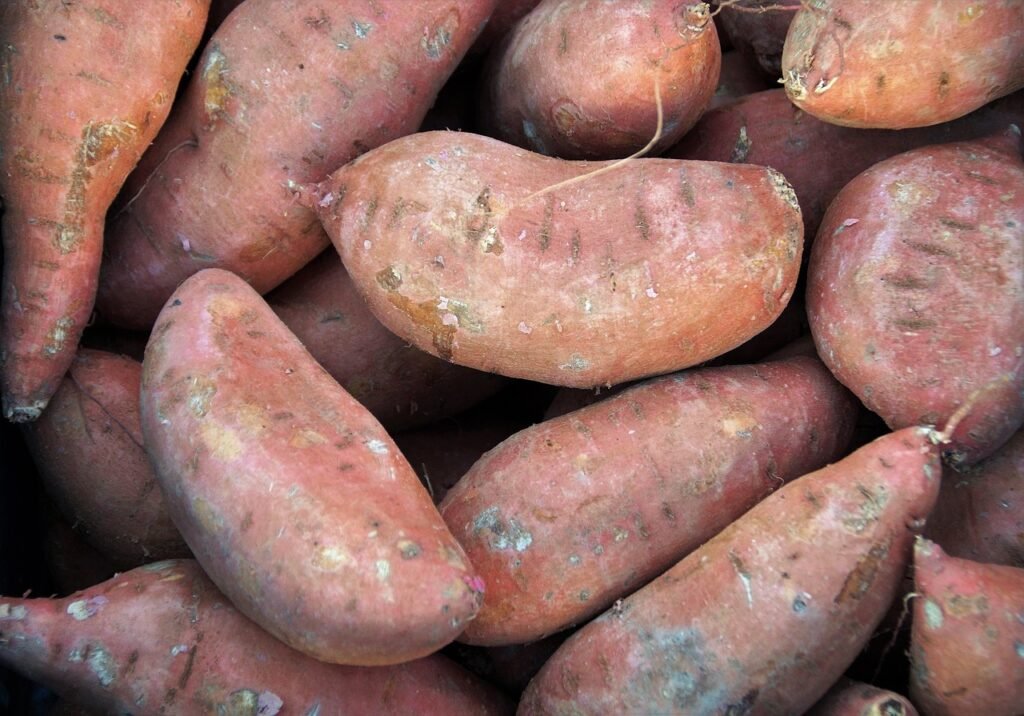
- Sweet potatoes
- Okra
- Basil
Fall Planting (September–November)
- Kale
- Collards
- Lettuce
- Spinach
- Turnips
- Beets
- Carrots (for overwintering)
Winter Planning (December–February)
- Plan your crop rotation
- Amend your soil
- Start slow-growers indoors
- Organize your seed inventory
- Review your zone planner!
Step 7: Feed Your Soil and Track What You Grow
Soil is everything. Healthy soil = healthy plants.
Basic Organic Amendments:
- Compost: Add it at planting and mid-season
- Worm castings: Excellent for containers
- Banana peel water: Adds potassium
- Liquid kelp: Great foliar feed
Use a fertilizer tracker (included in my bundle!) so you don’t forget what you fed your plants and when. This is especially helpful for container gardens that need more frequent feeding.
Step 8: Document Your Journey
It’s easy to forget what worked (and what didn’t) from season to season.
That’s why I included a garden journal page in the bundle so you can:
- Track planting dates
- Record harvests
- Note pests or diseases
- Reflect on what you learned
Even a few bullet points each week helps you improve next season.
Overwhelmed? Don’t Be.
You don’t have to grow everything. You don’t have to be perfect.
You just need:
- A few containers or a small plot
- A planting guide that tells you what to do each month
- A bit of trust and patience
That’s it.
I created the “Sow What? Monthly Grow Guide Bundle” because I used to freeze up every season. I didn’t know what to plant or if I was behind. Now, I just flip to the current month and zone, and I know what to sow, when to feed, and what to expect.
What’s Inside the Bundle?
Here’s what you’ll get:
- Monthly Planting by Zone Guide – what to sow indoors and outside
- Fertilizing Cheat Sheet & Tracker – stop second-guessing feeding
- Container Size & Soil Mix Guide – perfect for small-space gardeners
- Beginner Crop Cheat Sheet – what to grow first and how to grow it
- Garden Journal Page – track your wins and lessons
Whether you’re growing on a patio or in a backyard, this bundle gives you the confidence to grow food all year long.
Click here to grab the bundle and start planting with purpose.
Final Encouragement
If you’ve been wondering how to start a garden as a beginner, I hope this article gave you clarity, encouragement, and the simple steps you need. You don’t need a perfect plan. You just need to plant something and learn as you grow.
And with the right guide—one that shows you exactly what to plant each month based on your zone—you’re already ahead of the game.
Here’s to small starts, fresh food, and faith in the process.