Skip to content
If you’ve been struggling with pests chewing through your vegetables, you’re not alone. I recently found myself searching for the best bug spray recipe for plants that would keep insects away without harming my crops or the soil. In this post, I’ll share the natural spray I tested on my zucchini, potatoes, and sweet potatoes—and I’ll also give you seven more bug spray recipes you can make at home to keep your plants healthy.
When you garden, you quickly learn that pests don’t play fair. My cabbages were completely devoured, my zucchini leaves looked chewed, and I even spotted beetles crawling in their containers. It’s frustrating, but it’s part of the gardening journey. The good news is that you don’t need harsh chemicals to fight back. With a few simple kitchen ingredients, you can create effective sprays that deter bugs naturally while keeping your plants safe.
My Onion & Cayenne Bug Spray
This is the spray I tested in my own garden. It’s easy to make and uses ingredients you probably already have in your kitchen.
Ingredients:
- 1 medium red onion, chopped
- 1 teaspoon cayenne pepper
- 4 cups water
- 1 teaspoon unscented Castile soap (optional, helps the spray stick to leaves)
Steps:
- Add the onion, cayenne pepper, and water to a blender.
- Blend until smooth.
- Let it sit for a few hours (or overnight in the fridge) to release the compounds.
- Strain through cheesecloth or a fine mesh strainer to remove solids.
- Pour into a spray bottle.
How to Use:
- Always do a patch test on one leaf and wait 24 hours to make sure it doesn’t burn.
- If the leaf looks fine, spray the rest of the plant.
- Spray both the top and underside of the leaves.
- Reapply every 5–7 days or after rain.
- Apply early in the morning or in the evening to prevent leaf burn.
Why It Works:
- Onion contains sulfur, which naturally repels insects and discourages fungal spores.
- Cayenne pepper irritates pests, deters chewing, and discourages beetles, aphids, and caterpillars.
- Castile soap helps the mixture stick to the leaves.
When I tested this on my zucchini and potato plants, the results were promising. The strong smell lingered, the leaves stayed healthy after 24 hours, and the pests started leaving my plants alone.
7 More Natural Bug Spray Recipes for the Garden
Every gardener needs a few options up their sleeve. Different bugs respond to different ingredients, so here are seven more bug spray recipes for plants you can try.
1. Garlic Spray
Ingredients:
- 2 whole bulbs of garlic
- 1 quart water
- 1 tablespoon liquid soap (unscented)
Directions:
- Blend the garlic with water.
- Strain out solids.
- Mix in liquid soap and pour into a spray bottle.
Why It Works: Garlic’s sulfur compounds repel aphids, beetles, and whiteflies.
2. Neem Oil Spray
Ingredients:
- 2 teaspoons neem oil
- 1 teaspoon mild liquid soap
- 1 quart warm water
Directions:
- Mix ingredients in a spray bottle.
- Shake well before use.
Why It Works: Neem oil interrupts insect life cycles and is especially effective on aphids, mites, and mealybugs.
3. Baking Soda Fungus Spray
Ingredients:
- 1 tablespoon baking soda
- 1 teaspoon mild liquid soap
- 1 quart water
Directions:
- Mix ingredients in a spray bottle.
- Spray affected leaves weekly.
Why It Works: While not a pest repellent, baking soda prevents fungal diseases that weaken plants, making them more vulnerable to pests.
4. Tomato Leaf Spray
Ingredients:
- 2 cups chopped tomato leaves
- 1 quart water
Directions:
- Soak leaves in water overnight.
- Strain and pour into a spray bottle.
Why It Works: Tomato leaves contain alkaloids toxic to aphids and caterpillars.
5. Citrus Oil Spray
Ingredients:
- Peels of 2 oranges or lemons
- 1 quart boiling water
- 1 teaspoon mild liquid soap
Directions:
- Steep citrus peels in boiling water overnight.
- Strain, add soap, and spray.
Why It Works: Citrus oil disrupts soft-bodied insects like aphids and whiteflies.
6. Chili Pepper Spray
Ingredients:
- 2 hot peppers or 2 teaspoons chili powder
- 1 quart water
- 1 teaspoon mild soap
Directions:
- Blend peppers with water.
- Strain, add soap, and spray leaves.
Why It Works: Capsaicin repels chewing insects like beetles, caterpillars, and even deer.
7. Essential Oil Spray
Ingredients:
- 10 drops peppermint essential oil
- 10 drops rosemary essential oil
- 1 quart water
- 1 teaspoon mild soap
Directions:
- Mix oils, water, and soap.
- Shake well and spray.
Why It Works: Peppermint and rosemary repel a wide range of pests, including ants, flies, and spider mites.
Tips for Using Natural Bug Sprays
- Always test first: Spray one leaf and wait 24 hours before treating the whole plant.
- Spray both sides: Many pests hide on the underside of leaves.
- Reapply often: Natural sprays wash away with rain and sun exposure.
- Rotate recipes: Pests can adapt—switching sprays keeps them guessing.
- Use at the right time: Apply early morning or late evening to prevent sunburn on leaves.
Why Natural Sprays Are Worth It
Chemical pesticides may give quick results, but they often kill beneficial insects too—like bees and ladybugs—that your garden needs. They can also build up in the soil, affecting your long-term harvests.
Natural sprays, on the other hand, work with your garden ecosystem. They repel the pests without harming pollinators, and they’re safe for you, your pets, and your soil.
Yes, they may require more frequent applications, but the peace of mind and healthier garden are worth it.
My Takeaway
After testing my onion and cayenne spray, I realized that sometimes the simplest solutions are the most effective. It felt good knowing I wasn’t spraying chemicals on my food, and the results on my plants were encouraging.
If you’ve been searching for a safe bug spray recipe for plants, start with what you already have in your kitchen. Onions, garlic, citrus, soap, and hot peppers can go a long way in protecting your garden naturally.
And remember: consistency is key. Spray regularly, keep an eye on your plants, and adjust as needed.
Gardening isn’t about perfection—it’s about learning, adapting, and enjoying the process. With the right natural bug spray, you can keep your crops healthy, your pests under control, and your harvests abundant.
Take the Guesswork Out of Gardening
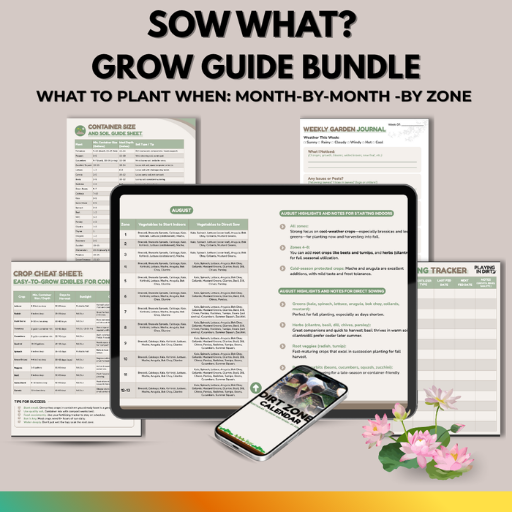
Learning how to make a natural bug spray recipe for plants is one way to protect your garden and keep it thriving. But pests are only one piece of the puzzle. The real challenge most gardeners face—especially beginners—is knowing what to plant, when to plant it, and how to keep it alive once it’s growing. That’s where so much time, money, and energy is wasted.
That’s exactly why I created my Garden Planting Guide Bundle. It’s designed to take the stress out of gardening by giving you a clear, simple roadmap. Inside you’ll find:
- A Zone-Based Planting Guide so you’ll always know what to plant each month.
- A Container Size Guide so your plants have enough room to grow strong.
- A Beginner Crop Cheat Sheet with easy veggies to start right away.
- A Fertilizing Tracker so you never wonder if you’ve fed too much—or too little.
Instead of spending hours Googling, second-guessing, or wasting money on plants that won’t survive, you’ll have everything laid out for you in one easy-to-use bundle. It’s the shortcut I wish I had when I started my garden, and it pairs perfectly with natural pest control solutions like the ones we covered today.
Ready to grow with confidence? Check out the Garden Planting Guide Bundle here and take the first step toward a garden that thrives all season long.