Skip to content
If you’ve ever stood in front of a seed rack or scrolled through garden websites wondering what to plant each month, you’re not alone. This is one of the most common struggles for both new and seasoned gardeners. But while month-by-month planting can vary based on your zone, there’s an easier way to approach it: thinking in terms of seasons. By understanding what to plant by season, you’ll always know what grows best, no matter the month or region.
In this guide, we’ll walk through spring, summer, fall, and winter planting, with details on the vegetables, herbs, and even flowers that thrive in each. Along the way, I’ll also share how my Garden Planting Guide Bundle makes the process stress-free by giving you zone-specific recommendations for every single month.
Let’s dig in!
Spring Planting (March – May)
Spring is the season most gardeners think of when it comes to planting. The soil is warming, days are lengthening, and plants finally get the right balance of sun and moisture. However, the exact timing depends heavily on your last frost date.
Early Spring (Cool-Weather Lovers)
As soon as the soil is workable and frost danger is low, you can start cool-season crops:
- Leafy Greens: Spinach, lettuce, kale, Swiss chard, mustard greens
- Root Vegetables: Carrots, radishes, turnips, beets
- Brassicas (Cole Crops): Broccoli, cauliflower, Brussels sprouts, cabbage
- Peas: Snap peas, snow peas, shelling peas
- Herbs: Cilantro, parsley, dill, chives
These vegetables don’t just survive cool weather—they thrive in it. Radishes can be ready to harvest in as little as 30 days, giving you a quick win early in the season.
Mid-to-Late Spring (Warming Up)
As the soil warms and frost risk disappears, warm-weather crops can go in:
- Nightshades: Tomatoes, peppers, eggplant
- Cucurbits: Cucumbers, zucchini, squash, pumpkins
- Corn: Needs warm soil to germinate properly
- Beans: Both bush and pole beans grow well once the soil is above 60°F
- Herbs: Basil, thyme, oregano
Tip: Harden off seedlings before transplanting outdoors. This means gradually exposing them to outdoor temperatures for about a week so they don’t go into shock.
Why It Matters by Season: Planting cool crops too late means they’ll bolt (go to seed) in hot weather, while planting warm crops too early risks frost damage.
Summer Planting (June – August)
By summer, the garden is in full swing. Days are long, temperatures are warm, and many vegetables hit peak growth. This is when you can sow successive crops for continuous harvests and also sneak in some fast-growing plants for late summer eating.
Early Summer
- Heat Lovers: Tomatoes, peppers, okra, eggplant
- Cucurbits: Watermelon, cantaloupe, cucumbers, squash
- Corn and Beans: Still good to plant early in the season
- Sweet Potatoes: Thrive in heat once slips are planted
Mid-to-Late Summer
Here’s where many gardeners make a mistake—thinking summer is only for harvesting. But mid-to-late summer is the perfect time to plant fall crops that love cooling weather:
- Leafy Greens: Spinach, lettuce, kale, collards (planted late summer for fall harvest)
- Root Vegetables: Carrots, radishes, turnips, beets (sown mid-to-late July in many zones)
- Broccoli and Cabbage: Start indoors or direct sow for fall crops
Tip: Shade cloth can help protect new seedlings from scorching sun while they establish roots.
Why It Matters by Season: Planting fall crops too late means frost will hit before they mature, while planting them too early means they’ll wilt in the summer sun.
Fall Planting (September – November)
Fall is one of the most underrated gardening seasons. Cooler nights and shorter days create perfect conditions for many vegetables, and pests often decrease compared to summer.
Cool-Season Crops Return
As summer crops fade, fall crops shine:
- Leafy Greens: Spinach, lettuce, kale, mustard, arugula
- Brassicas: Broccoli, cauliflower, Brussels sprouts, cabbage
- Root Crops: Carrots, radishes, turnips, beets
- Garlic & Onions: Best planted in fall for next year’s harvest
- Herbs: Cilantro, parsley
Tip: Use row covers or cloches to extend your season by protecting against early frosts.
Late Fall (Before the Ground Freezes)
- Plant garlic cloves for next summer’s harvest.
- Sow cover crops like clover or rye to protect and enrich soil over winter.
Why It Matters by Season: Fall-planted crops grow sweeter due to cooler temperatures, making carrots and kale especially delicious.
Winter Planting (December – February)
For most gardeners, winter feels like a break, but that doesn’t mean the planting stops. Depending on your zone, winter is the time for planning, indoor sowing, and in mild climates, continued harvests.
Mild Climates (Zones 8–10)
- Greens: Spinach, kale, collards, lettuce
- Root Crops: Carrots, radishes, beets
- Herbs: Parsley, cilantro
- Brassicas: Broccoli, cabbage
Cold Climates (Zones 3–7)
- Start seeds indoors under grow lights (onions, peppers, early tomatoes).
- Grow microgreens or herbs indoors.
- Use cold frames or greenhouses to keep hardy crops like kale or spinach alive through frost.
Tip: Winter is also the perfect time to review last year’s notes, replenish soil, and get organized for the next planting season.
Why It Matters by Season: Winter planting isn’t about abundance—it’s about preparation, extending harvests, and getting a head start on spring.
Pulling It All Together
As you can see, gardening is deeply tied to the rhythm of the seasons. Cool crops love spring and fall, heat lovers thrive in summer, and winter offers rest and preparation. But here’s the challenge: the exact timing changes depending on your zone and your first and last frost dates.
That’s where month-by-month planning comes back in. While seasons give you the big picture, knowing exactly what to plant each month in your zone is what makes your garden succeed.
Why Most Gardeners Struggle
I used to Google every single month: “What can I plant in May in Zone 8?” or “What grows in September in Zone 8?” I’d spend hours scrolling through advice, often conflicting, and still feel uncertain. Sometimes I planted too early and lost crops to frost. Other times, I waited too long and missed my window.
The result? Wasted money on seeds, wasted time, and a lot of frustration.
That’s exactly why I created my Garden Planting Guide Bundle.
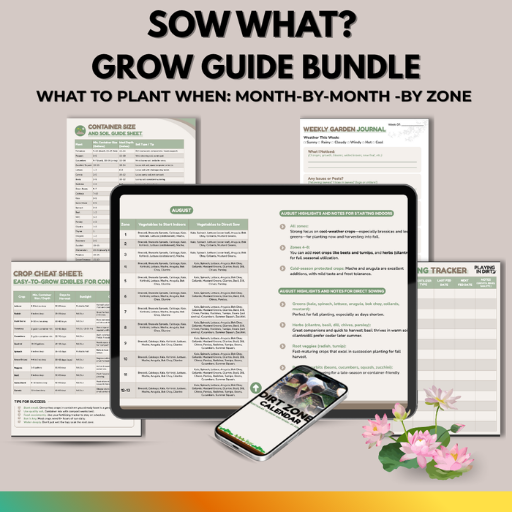
The Garden Planting Guide Bundle
The Garden Planting Guide Bundle takes the guesswork out of gardening by giving you:
- Monthly Planting by Zone Planner → Know exactly what to start indoors and what to direct sow every month, no Googling required.
- Container Size Guide → Make sure your plants have enough room to grow strong and healthy.
- Beginner Crop Cheat Sheet → Start with the easiest vegetables so you can grow with confidence.
- Fertilizing Tracker → Never wonder if you fed too much or too little.
Instead of guessing, you’ll always have a clear roadmap—whether it’s spring, summer, fall, or winter.
Grab the Garden Planting Guide Bundle here and finally know exactly what to plant each month in your garden.
Final Thoughts
Gardening is about timing as much as it is about care. By learning what to plant by season, you’ll be in sync with nature’s rhythm. Spring rewards cool-weather crops, summer fuels heat lovers, fall brings back greens and roots, and winter offers rest and planning.
But if you’re tired of the endless Googling and second-guessing, let the Garden Planting Guide Bundle be your shortcut. It’s the simple solution I wish I had when I started—because gardening should be joyful, not stressful.
So the next time you wonder what to plant each month, remember: the answer is right at your fingertips, season by season, month by month.