Skip to content
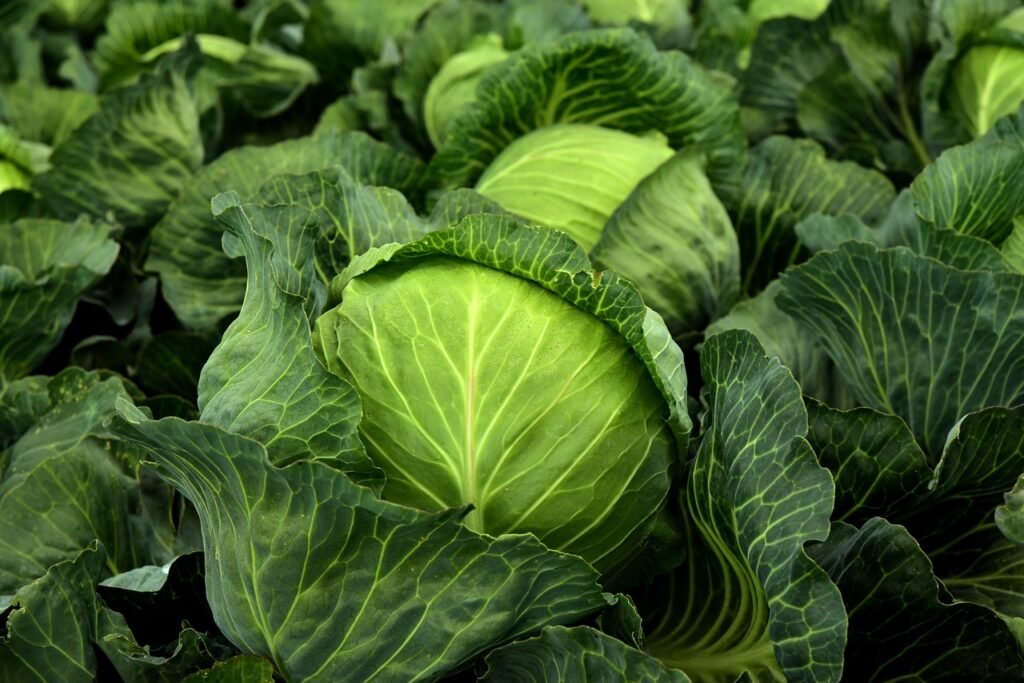
When fall rolls around, many gardeners pack away their tools and assume the season is over. But if you’re like me, you know the garden still has plenty of life left in it. Fall is actually one of the best times to grow cool-season vegetables like kale, collard greens, cabbage, broccoli, cauliflower, and carrots. But here’s the secret to getting more from your fall garden: companion planting.
Companion planting is more than just “what looks good next to what.” It’s about building a garden where plants support each other—repelling pests, improving soil, and even boosting flavor. If you’ve ever asked, “What should I plant next to what?”, this post will give you not only the answers but also a companion planting chart you can reference for your fall crops and beyond.
In this article, I’ll walk you through what companion planting is, why it works, and how to use it in your fall garden. I’ll also share my complete companion planting chart, which includes popular fall crops like kale, collard greens, broccoli, and more. Plus, at the end, I’ll show you how my Gardening Bundle can make planning and tracking your garden simple, fun, and stress-free.
What is Companion Planting?
Companion planting is the practice of growing certain plants together because they benefit each other in some way. Think of it like plant friendships. Some plants protect each other from pests, others help improve the soil, and some even make their neighbors taste better.
For example, basil and tomatoes are a classic pair. Basil not only enhances the flavor of tomatoes but also helps keep tomato hornworms away. Similarly, beans and corn are best friends—the beans fix nitrogen in the soil while the corn provides a tall stalk for the beans to climb.
When you use companion planting in your fall garden, you create a natural system where your crops are healthier, stronger, and more productive. You’ll spend less time battling pests and diseases and more time enjoying the harvest.
Why Companion Plants in A Fall Garden Matters
Fall gardening can feel a little tricky because of cooler temperatures, shorter days, and different pest pressures. But here’s the good news: many cool-season crops thrive when paired with the right companions.
- Pest Control: Cabbage worms, aphids, and flea beetles can devastate leafy greens. Planting aromatic herbs like dill, thyme, or garlic nearby can confuse pests and keep your greens safe.
- Soil Health: Fall crops like broccoli and cauliflower are heavy feeders. Pairing them with nitrogen-fixing plants (like peas or beans) gives them a nutrient boost.
- Space Saving: Fall gardens often happen in smaller spaces or containers. Companion planting helps you maximize every inch. For example, lettuce can be tucked under taller kale or collards.
This is why knowing what to plant next to what is essential for your fall garden.
Companion Planting Chart
Here’s a companion planting chart I created for you. It covers 20+ vegetables, including key Fall crops.
| Vegetable | Good Companions | Bad Companions | Notes |
|---|---|---|---|
| Tomato | Basil, Carrots, Onions, Lettuce, Marigolds | Corn, Potatoes, Cabbage family | Basil improves flavor & repels pests. |
| Cucumber | Beans, Radishes, Dill, Nasturtium, Lettuce | Potatoes, Sage | Nasturtium repels cucumber beetles. |
| Carrot | Onions, Leeks, Lettuce, Radishes, Tomatoes | Dill, Parsnips | Onions deter carrot flies. |
| Cabbage (Fall Crop) | Beans, Celery, Onions, Dill, Marigolds | Strawberries, Tomatoes | Aromatic herbs repel cabbage worms. |
| Kale (Fall Crop) | Onions, Garlic, Dill, Celery | Strawberries | Benefits from pest-repelling herbs. |
| Collard Greens (Fall Crop) | Onions, Garlic, Mint, Beets | Strawberries, Tomatoes | Strong herbs repel pests; heavy feeder. |
| Cauliflower (Fall Crop) | Beans, Celery, Spinach | Strawberries | Sensitive plant—benefits from nitrogen fixers. |
| Broccoli (Fall Crop) | Onions, Celery, Dill, Beets | Strawberries, Tomatoes | Heavy feeder; herbs deter cabbage pests. |
| Beans | Corn, Cucumbers, Carrots, Radishes, Celery | Onions, Garlic, Chives | Fix nitrogen in soil. |
| Corn | Beans, Squash, Cucumbers, Peas, Pumpkins | Tomatoes | Classic “Three Sisters.” |
| Lettuce | Carrots, Radishes, Cucumbers, Strawberries | Cabbage family | Thrives in shade of taller crops. |
| Spinach (Fall Crop) | Strawberries, Peas, Beans | Potatoes | Shade-loving, loves nitrogen fixers. |
| Onion | Carrots, Beets, Lettuce, Strawberries | Beans, Peas | Repels carrot flies, aphids. |
| Garlic (Fall Crop) | Tomatoes, Lettuce, Cabbage, Kale | Beans, Peas | Strong natural pesticide. |
| Peppers | Basil, Carrots, Onions, Spinach, Tomatoes | Beans | Basil improves growth & flavor. |
| Zucchini | Corn, Beans, Nasturtium, Marigolds | Potatoes | Nasturtium repels squash bugs. |
| Potatoes | Beans, Corn, Cabbage | Tomatoes, Cucumbers, Pumpkins | Avoid tomatoes (blight risk). |
| Radishes (Fall Crop) | Carrots, Lettuce, Cucumbers, Peas | Hyssop | Repel cucumber beetles. |
| Beets (Fall Crop) | Onions, Lettuce, Cabbage, Kale | Pole beans | Pole beans stunt growth. |
| Peas (Fall Crop) | Carrots, Cucumbers, Turnips, Radishes | Onions, Garlic | Improve soil nitrogen. |
Best Companion Plants for Fall Garden Vegetables
Let’s break down a few fall-specific companions so you can see them in action:
- Kale + Garlic: Garlic repels aphids, which love to cluster on kale leaves. Plant garlic bulbs in fall for a double harvest—garlic in summer and kale through the cold months.
- Cabbage + Dill: Dill attracts beneficial insects like ladybugs and wasps that eat cabbage worms. A perfect pairing for your fall cabbage patch.
- Broccoli + Onions: Onions deter pests that attack broccoli heads. Plus, they don’t compete for space since onions grow underground.
- Spinach + Peas: Spinach grows low and benefits from the nitrogen that peas fix into the soil. They thrive together in cool weather.
- Collard Greens + Mint: Mint’s strong aroma confuses cabbage loopers and flea beetles, common pests of collards.
These combinations not only protect your plants but also help you maximize harvests in the fall season.
Flowers & Herbs in the Fall Garden
Don’t forget about flowers and herbs! They’re an essential part of what to plant next to what:
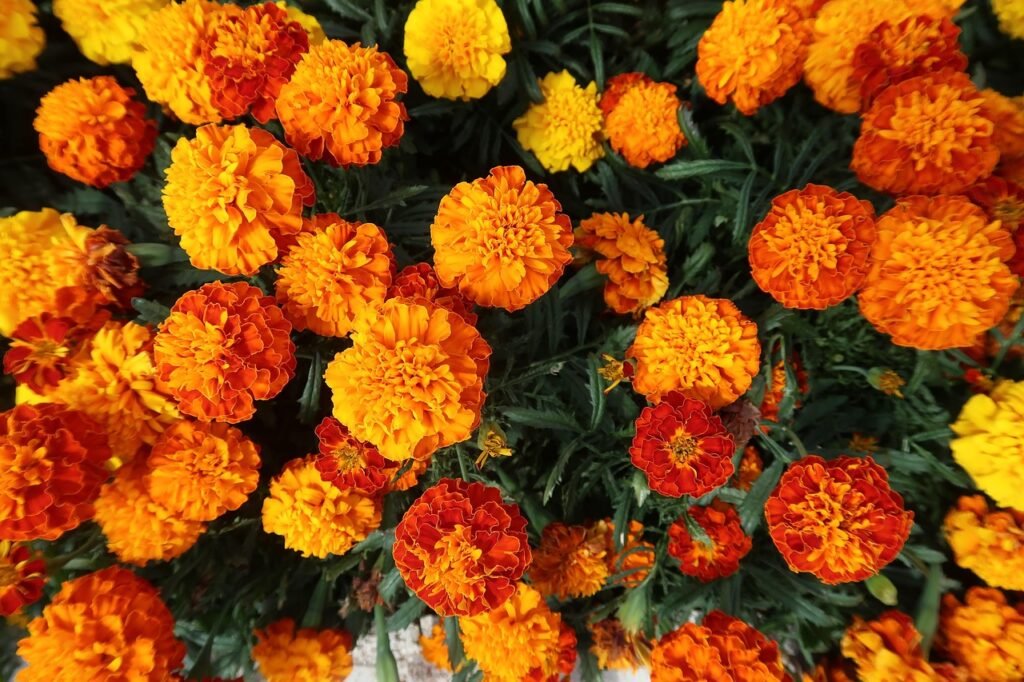
- Marigolds: Repel nematodes and cabbage worms.
- Nasturtiums: Trap aphids away from your veggies.
- Basil: Great with tomatoes and peppers.
- Dill, Thyme, Oregano: Perfect pest deterrents for cabbages, kale, and broccoli.
Adding them into your fall garden makes your companion planting strategy even stronger.
My Gardening Bundle (Your Next Step!)
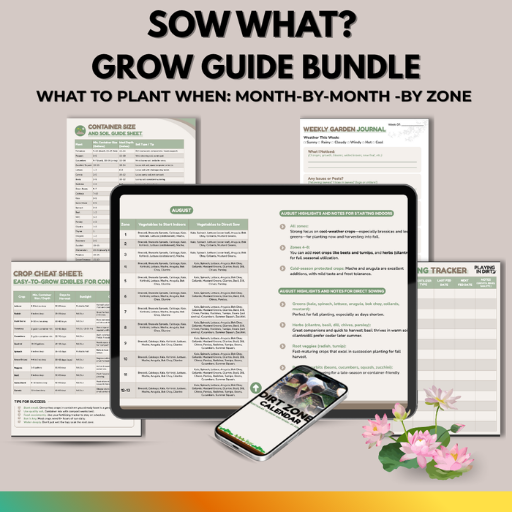
Planning a fall garden can feel overwhelming—what to plant, when to plant it, what goes next to what. That’s exactly why I created my Gardening Bundle. It includes:
- A Monthly Planting by Zone Planner (so you always know what to grow each month).
- A Fertilizer Tracker (no more guessing when to feed).
- A Container Size Guide (so your plants don’t get stunted).
- A Garden Journal (track progress and learn from each season).
If you love this companion planting chart, the bundle is the perfect tool to keep your garden organized and productive all year long.
Grab your bundle today and make this fall garden your most successful yet!
Final Thoughts
Companion planting isn’t just an old gardener’s tale—it’s a proven way to get healthier plants, bigger harvests, and fewer pests. Especially in the Fall, when you’re growing leafy greens, cabbages, kale, and root crops, planting the right companions can mean the difference between a thriving garden and one that struggles.
Now that you’ve got the companion planting chart and the breakdown of companion plants for fall garden, you’re ready to start pairing your crops wisely. Try it out this season and watch how much smoother and more rewarding your gardening becomes.
*This post contains affiliate links, which means I may earn a small commission at no extra cost to you.