Skip to content
When September arrives, many people assume the gardening season is over. But here’s the good news: it’s actually the perfect time to plant cool-season crops that thrive in the mild days and crisp nights of fall. If you’ve been wanting to start your garden but worried you “missed your chance,” September is a golden opportunity—especially for beginner gardeners.
We’re going to cover beginner-friendly vegetables to plant in September, how to grow them step by step, and exactly what you need to succeed—even if you’re working with a small patio or just a few containers. You’ll learn about soil mixes, container sizes, feeding schedules, and companion tips that make these crops thrive.
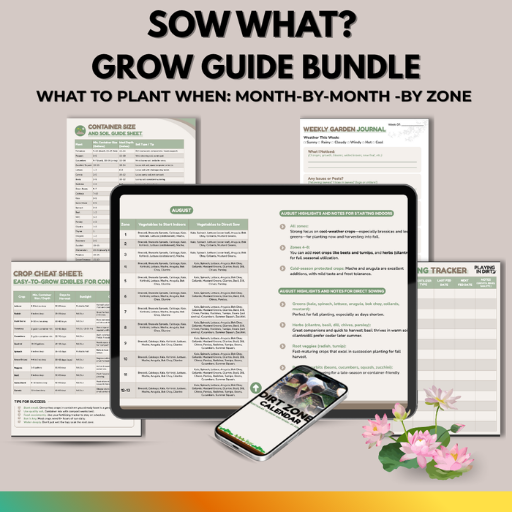
And if you’re tired of second-guessing when to plant, you’ll love my Monthly Planting Planner by Zone. It tells you exactly what to plant each month, no matter where you live, so you don’t waste time guessing. It takes all the stress out of planning your garden and helps you stay confident and consistent.
So, let’s dig into the best beginner-friendly vegetables to plant in September—and how you can get started right away.
Why September Is a Great Time for Beginners
September gardening has its perks, especially if you’re just starting out:
- Cooler Weather = Happier Plants – Vegetables like lettuce, spinach, carrots, and radishes thrive in cool soil and shorter days.
- Fewer Pests – Many summer pests die down, which means less stress and less maintenance for you.
- Quick Harvests – Many fall vegetables mature in 30–60 days, so you’ll see results fast.
- Extended Growing Season – If you’re in a warm zone, you can keep harvesting right up to the first frost.
This combination makes September a beginner’s dream—you can learn as you go, see results quickly, and gain confidence for next spring.
Top Beginner-Friendly Vegetables to Plant in September
Let’s go crop by crop. I’ll give you container sizes, soil mixes, feeding, and step-by-step beginner guidance for each.
1. Radishes
Radishes are one of the fastest and easiest crops to grow, making them perfect for new gardeners.
Why it’s beginner-friendly:
- Germinates in 4–7 days.
- Harvest in as little as 25 days.
- Low maintenance and forgiving.
Here’s how to grow it:
- Soil: Loose, well-draining soil rich in compost. Avoid heavy clay.
- Container Size: 1 gallon per plant, or a 5-gallon container can hold 5–6 radishes. Shallow trays also work.
- Planting Depth: Sow seeds ½ inch deep and 2 inches apart.
- Feeding: Radishes don’t need much fertilizer. Mix in compost before planting and water regularly. Avoid high-nitrogen fertilizers (they’ll produce leaves, not roots).
- Harvest: Pull when radishes are about 1 inch across.
Recommended Products:
2. Spinach
Spinach thrives in cooler weather and is a beginner’s best friend.
Why it’s beginner-friendly:
- Grows quickly, harvest in 30–45 days.
- Can be cut and harvested multiple times.
Here’s how to grow it:
- Soil: Rich, loose soil with plenty of organic matter.
- Container Size: 3-gallon container can grow 3–4 spinach plants. Larger planters work great.
- Planting Depth: Sow seeds ½ inch deep, spaced 2 inches apart. Thin seedlings as needed.
- Feeding: Apply a balanced fertilizer every 3–4 weeks. Water consistently.
- Harvest: Pick outer leaves when they’re 3–4 inches long, letting inner leaves continue growing.
Recommended Products:
- Potting Mix with Compost
- All-Purpose Fertilizer
3. Lettuce
Lettuce grows almost effortlessly in September and gives you fresh salad greens right at your fingertips.
Why it’s beginner-friendly:
- Quick germination (7–10 days).
- Harvest in 30–50 days depending on variety.
- Can be grown in any size container.
Here’s how to grow it:
- Soil: Loose, well-draining soil with compost.
- Container Size: 3–5 gallon pot grows several lettuce plants. A window box works beautifully.
- Planting Depth: Sow seeds ¼ inch deep. Thin seedlings to 6–8 inches apart.
- Feeding: Fertilize lightly with fish emulsion or kelp every 2 weeks.
- Harvest: Harvest outer leaves for “cut-and-come-again” or whole heads once mature.
Recommended Products:
4. Carrots
Carrots are a fall classic, and September is a great time to plant them.
Why it’s beginner-friendly:
- Low maintenance, just sow and water.
- Rewarding harvest with bright, crunchy roots.
Her’s how to grow it:
- Soil: Loose, sandy, stone-free soil. Add compost but avoid too much nitrogen.
- Container Size: At least 12 inches deep. A 5-gallon bucket works well.
- Planting Depth: Sow seeds ¼ inch deep, very lightly covered. Thin seedlings to 2 inches apart.
- Feeding: Mix in bone meal or low-nitrogen fertilizer. Water evenly.
- Harvest: Usually ready in 60–75 days, depending on variety.
Recommended Products:
5. Beets
Beets are a two-for-one vegetable: you get both roots and edible greens.
Why it’s beginner-friendly:
- Easy to direct sow.
- Harvest in 50–65 days.
Here’s how to grow it:
- Soil: Loose, well-draining soil with compost.
- Container Size: 5-gallon pot fits 4–5 beets.
- Planting Depth: Sow seeds ½ inch deep, 2 inches apart.
- Feeding: Fertilize with 5-10-10 or a root crop blend once a month.
- Harvest: Pull when roots are 2–3 inches across. Greens can be cut at any time.
Recommended Products:
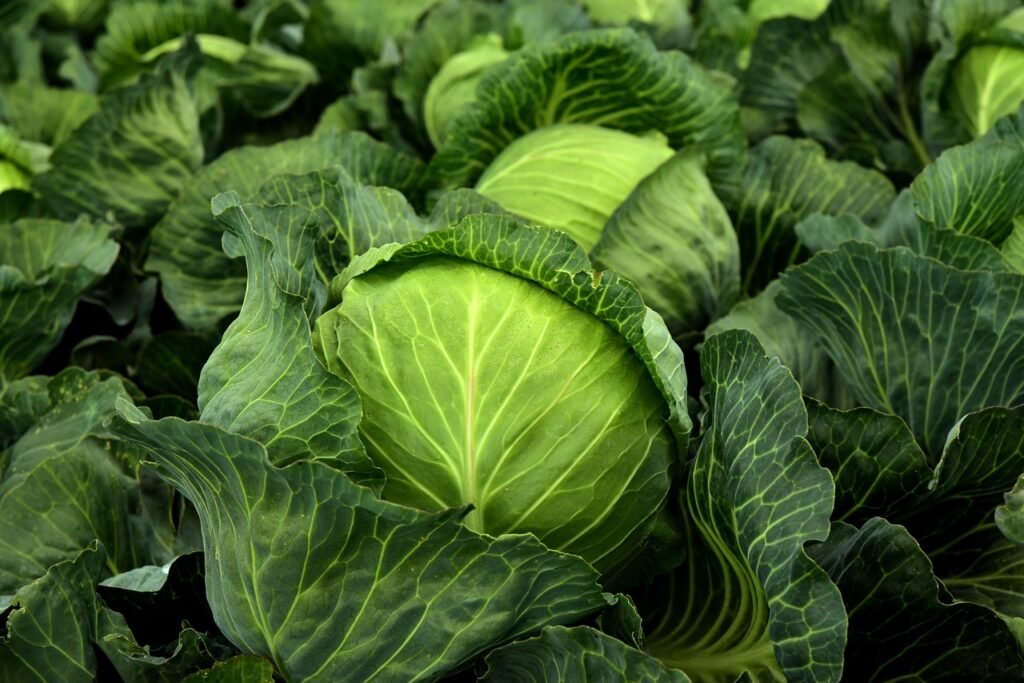
6. Cabbage
Cabbage takes longer but thrives when planted in September for fall harvest.
Why it’s beginner-friendly:
- Hardy and resilient in cooler temps.
- Stores well after harvest.
Here’s how to Grow it:
- Soil: Rich, fertile soil with compost.
- Container Size: 7–10 gallons per cabbage.
- Planting Depth: Transplant seedlings with 12–18 inches of spacing.
- Feeding: Heavy feeder—fertilize every 3 weeks with balanced fertilizer.
- Harvest: Heads are ready when firm and dense.
Recommended Products:
7. Swiss Chard
Swiss chard adds color and nutrition to your fall garden.
Why it’s beginner-friendly:
- Fast growing, continuous harvest.
- Tolerates cool and warm weather.
Here’s how to grow it:
- Soil: Fertile, well-drained soil.
- Container Size: 5-gallon pot can grow 2 plants.
- Planting Depth: Sow seeds ½ inch deep. Thin seedlings to 6 inches apart.
- Feeding: Fertilize with compost tea or balanced fertilizer monthly.
- Harvest: Pick leaves when 6–8 inches tall.
Recommended Products:
How to Stay on Track Every Month
One of the biggest struggles for new gardeners isn’t planting—it’s knowing when to plant. You might wonder if it’s too late for lettuce, too early for carrots, or whether cabbage will survive the season. That uncertainty can be overwhelming, and it’s often what causes beginners to give up.
That’s exactly why I created the Monthly Planting Planner by Zone. It’s designed to take all the guesswork out of gardening. Instead of scrolling through endless articles or second-guessing yourself, you’ll have a clear, zone-specific guide that tells you exactly what vegetables to plant each month.
The best part? It grows with you. Whether you’re planting your very first radish in September or expanding to cabbage, beets, and spinach in the fall, the planner keeps you on track every step of the way. Think of it as your personal garden calendar—a resource that helps you feel confident and consistent, no matter the season.
Grab your Monthly Planting Planner by Zone here.
Final Thoughts
If you’re new to gardening, September is one of the best times to start. The vegetables we’ve covered—radishes, spinach, lettuce, carrots, beets, cabbage, and Swiss chard—are all beginner-friendly vegetables to plant in September. They grow well in cooler weather, fit perfectly in containers, and don’t require fancy equipment or years of experience.
Remember to:
- Use the right container size and soil mix.
- Feed your plants on schedule.
- Water consistently.
- Trust the process and enjoy the journey.
With the right tools (like your Monthly Planting Planner by Zone) and a little patience, you’ll be harvesting fresh, homegrown vegetables in no time.
*This post contains affiliate links, which means I may earn a small commission at no extra cost to you.