Skip to content
If you’re looking for gardening tips for beginner gardeners, you’ve come to the right place. When I started my garden, I wasn’t sure what I was doing—my radishes didn’t form, my zucchini caught powdery mildew, and I pruned my tomatoes so hard they barely produced fruit. But here’s the thing: every “failure” taught me something, and now I get to share those lessons with you.
This post isn’t just a garden update. It’s a guide built from my personal experience that blends encouragement, tips, and practical advice. Along the way, I’ll point you to tools that have helped me and resources like my Monthly Planting Guide, which takes all the guesswork out of knowing what to grow and when.
Let’s walk through my August garden and turn each plant into a beginner-friendly gardening lesson you can apply right now.
1. Start Small and Be Observant
One of the most important gardening tips for beginner gardeners is to start small. I learned this from my rosemary plant. It’s been with me since day one, surviving a spider mite attack, hard pruning, and even a container transfer.
- Lesson: Observe your plants. Sometimes what looks like a “failing plant” just needs a little time and care to bounce back.
- Try This: If you’re starting with herbs, pick one or two. Rosemary, thyme, or basil are excellent beginner herbs.
Tools that helped me: Terracotta Pots for Herbs, Organic Potting Soil, and Pruning Shears.
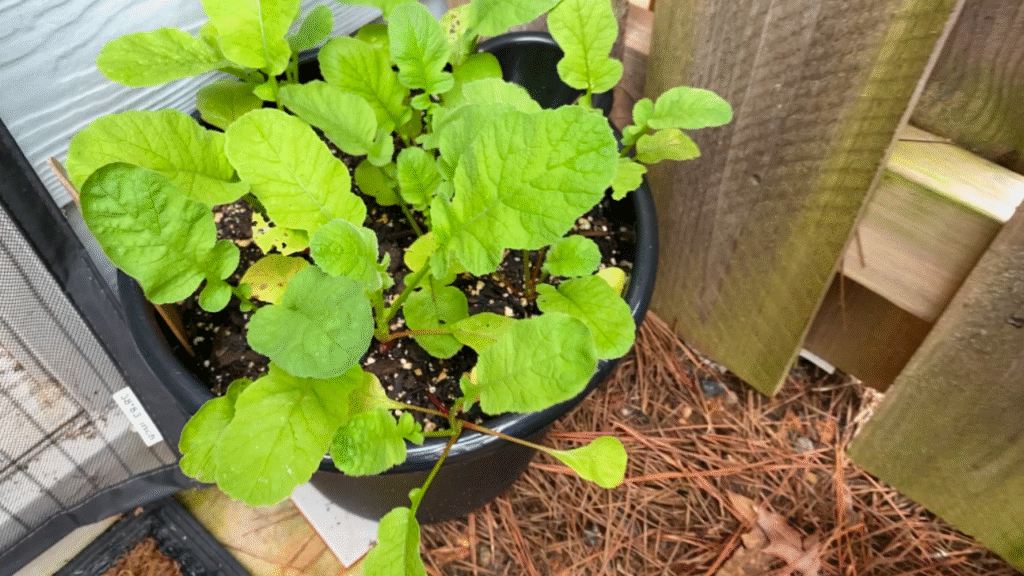
2. Radishes: Beginner Confidence Builders
Radishes are often the first vegetable new gardeners try. They’re quick (25–30 days), forgiving, and satisfying. My first year was a flop due to too much rain. This year, I learned to:
- Place containers under cover to shield them from heavy rainfall.
- Top-dress with Worm Castings before planting.
- Container Size: 1 gallon per plant, or 5–6 in a 5-gallon grow bag.
- Feeding: Avoid heavy nitrogen; just compost or worm castings is enough.
Helpful Tools: 5-Gallon Fabric Grow Bags and a Soil Moisture Meter to prevent overwatering.
Planting Tip: Not sure if radishes grow well in September where you live? This Monthly Planting Guide shows you exactly which crops thrive in your zone every month.
3. Replant When Needed
I had zucchini that failed due to powdery mildew. Instead of sulking, I pulled them and prepared the container for cabbage seedlings.
- Lesson: Don’t hold on to plants that won’t recover. Replace them with something better suited for the season.
- Beginner Tip: Cabbage thrives in fall weather and is great for beginners willing to try larger crops.
Helpful Tools: Neem Oil Spray for mildew prevention, 10-Gallon Fabric Grow Bags for cabbage.
Planting Tip: The Monthly Planting Guide shows when to start cabbage seedlings indoors and when to transplant them outdoors for your zone.
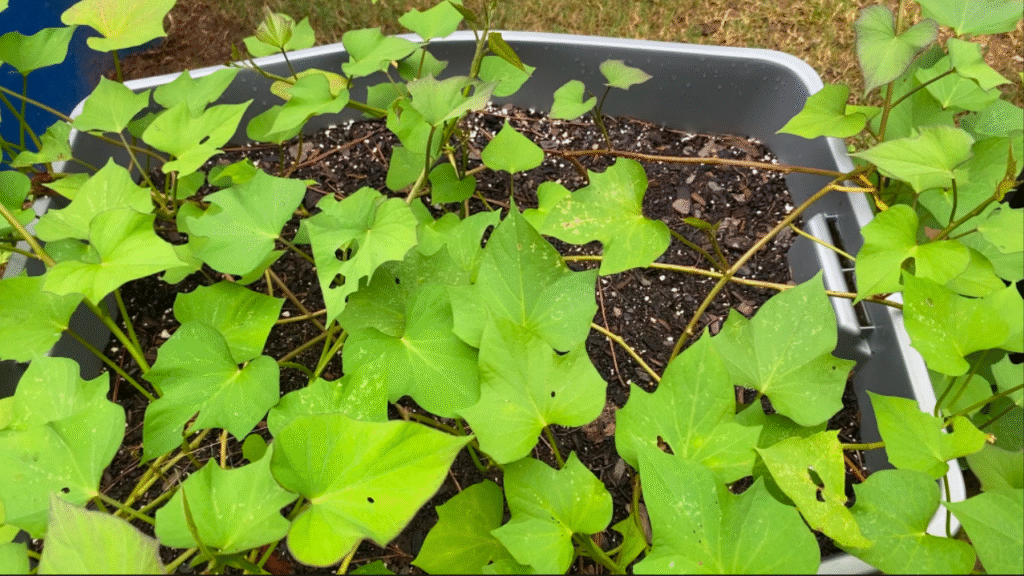
4. Sweet Potatoes: Patience and Resilience
Sweet potatoes have taught me patience. Their vines stretch everywhere, and rabbits once chewed mine to the ground—but the leaves grew back!
- Lesson: Protect plants from pests, but also trust their resilience.
- Harvest: Usually ready 90–120 days.
What I recommend: 15-Gallon Grow Bags for sweet potatoes and Row Covers to keep rabbits away.
5. Cuban Oregano: Accept Gifts & Cuttings
Some of the best plants don’t come from seed packets. My stepfather shared Cuban oregano cuttings, and I rooted them in water before planting.
- Lesson: Don’t underestimate free cuttings. They’re beginner-friendly and build confidence.
- Tip: Always root cuttings in water before transferring to soil.
6. Carrots: Learn to Thin Seedlings
Carrots taught me that thinning is not optional. Overcrowded carrots stay small. I am growing several varieties, and so far I love how quick the Denver 26 varieties are growing. They have a quick germination rate and I would consider them to be beginner friendly just because they germinate quick.
- Container: Use a deep container (at least 12 inches).
- Soil: Loose, stone-free. Mix in Bone Meal Fertilizer for strong roots.
- Lesson: Thin seedlings 2 inches apart.
What I recommend: 15 Gallon Grow Bags, Bone Meal Fertilizer.
7. Peppers: Don’t Pull Too Soon
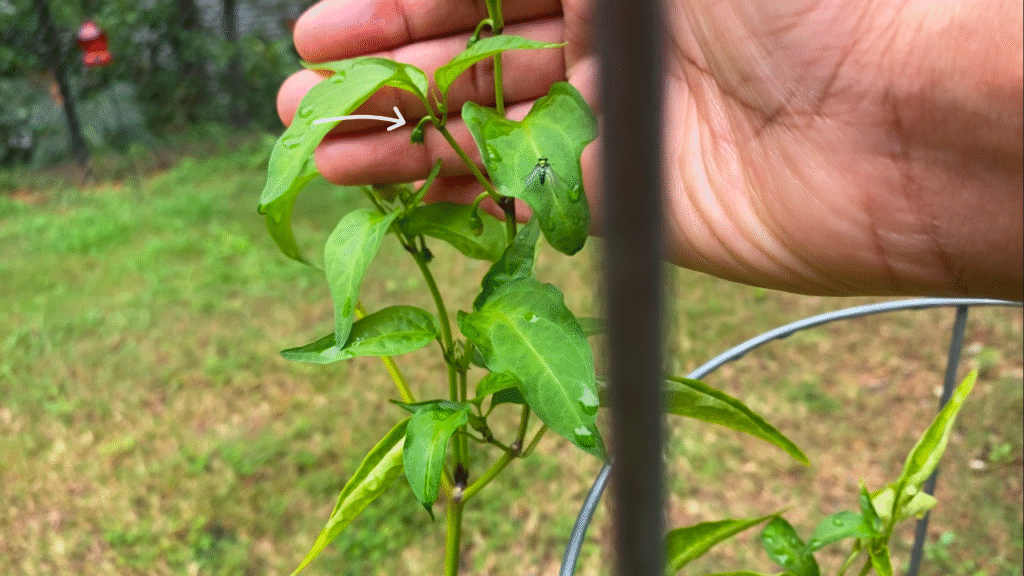
I almost pulled my jalapeño plants after harvest, but new leaves grew and more peppers followed.
- Lesson: Peppers can keep producing until frost. Don’t give up too soon.
- Feeding: Fertilize lightly after harvest.
What I use: Organic Vegetable Fertilizer.
8. Herbs: Low Maintenance, Big Rewards
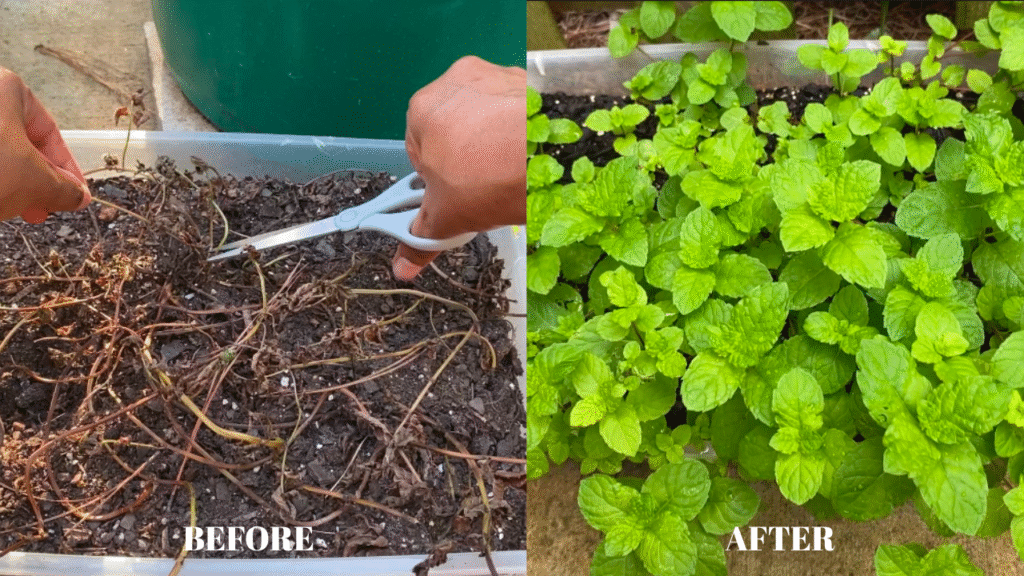
Mint and thyme are resilient. My mint revived from bare stems, and thyme produces more growth every time I harvest.
- Tip: Herbs are beginner gold. They thrive in small containers and reward consistent harvesting.
What I use: Indoor Herb Kit, Herb Snips.
9. Tomatoes: Balance Pruning
I pruned too aggressively last year and got almost no fruit. This year, I left more leaves and ended up with a tomato forest loaded with fruit.
- Lesson: Don’t strip your plants bare. Leaves feed the plant.
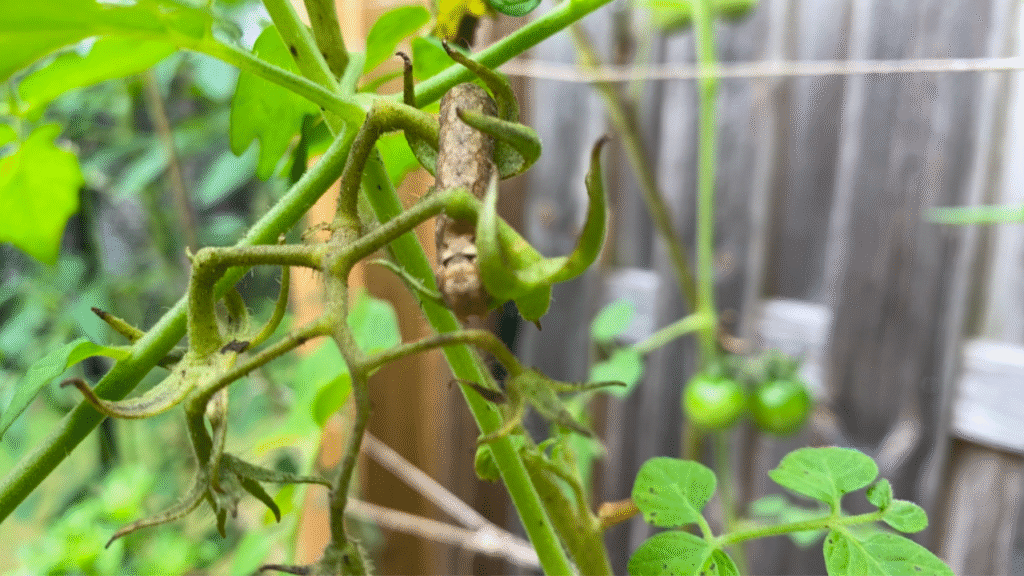
- Pest Tip: Watch for tomato hornworms (gross but important).
Helpful Tools: Tomato Cages, Neem Oil Spray, Fertilizer.
Planting Tip: Tomatoes are zone-specific for planting windows. The Monthly Planting Guide helps you know exactly when to start seeds indoors.
10. Potatoes: Harvest at the Right Time
My potatoes were overdue for harvest, but rain kept me cautious.
- Lesson: Harvest when tops yellow and die, but not in soggy soil.
- Container: 10–15 gallon bags work best.
What I use: Potato Grow Bags with Flaps.
11. Learn From Mistakes (Watermelon Edition)
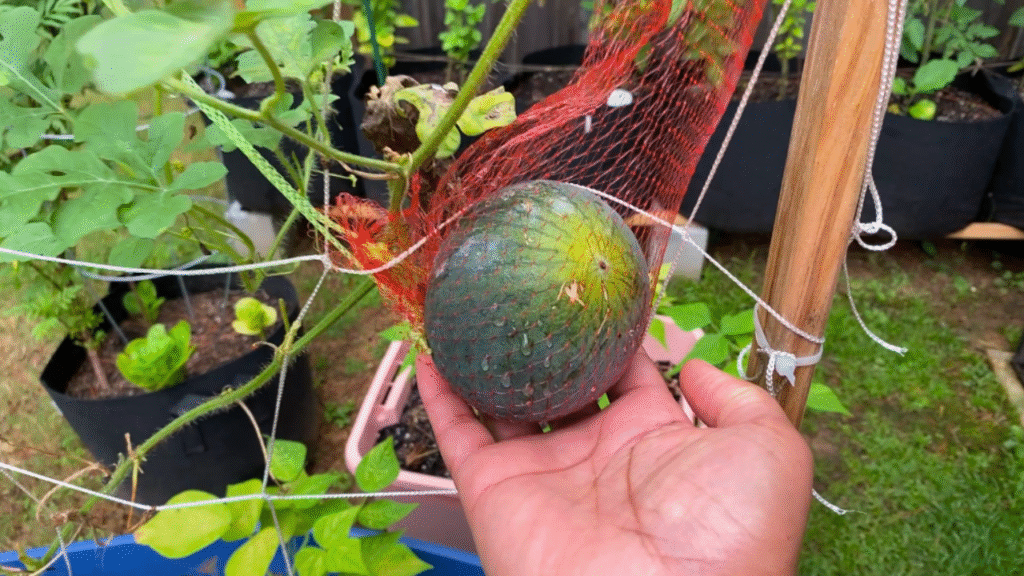
I pruned my watermelon too much and stunted it. The fruits are tiny and may not mature.
- Lesson: Don’t over-prune. Watermelons need plenty of leaves to support fruit growth.
- Tip: Take notes and adjust next season.
Helpful Tools: Liquid Fertilizer
12. Stay Organized With a Planner
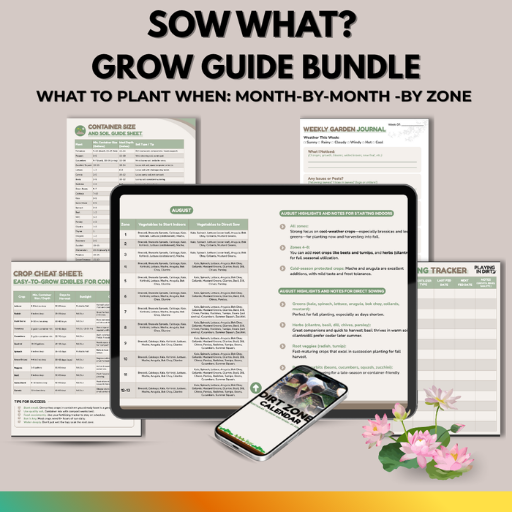
The hardest part of gardening as a beginner is knowing when to plant. That’s why I created the Monthly Planting Guide.
- Shows exactly what to plant each month.
- Tells you what to start indoors vs. direct sow.
- Zone-specific guidance so you’re never too early or late.
Grab it here. It’s the resource I wish I had when I started—it takes away the stress and builds your confidence.
Final Thoughts
My August garden update reminded me that gardening is about growth—both for the plants and for me. From resilient sweet potatoes to delicate radishes, every crop carries a lesson worth sharing.
If you’re new to growing food, remember:
- Start small.
- Learn from every mistake.
- Use the right tools.
- And most importantly—stay consistent with your planting schedule.
That’s why I always recommend two things for beginners:
- A few trusted tools (like grow bags, compost, and fertilizers).
- A Monthly Planting Planner Guide, which tells you exactly what to plant and when.
With these in your toolkit, you’ll move from overwhelmed beginner to confident grower in no time.
*This post contains affiliate links at no extra cost to you.