Skip to content
When most people think about starting a garden, their minds immediately go to spring. New beginnings, longer days, flowers bursting into bloom — it makes sense. But here’s a little secret I’ve learned: fall is actually one of the best times to start a garden, especially if you’re gardening in containers or small spaces.
This might surprise you, but once you see the benefits — from cooler weather to fewer pests and even discounted gardening supplies — you’ll understand why fall gardening deserves a spotlight. If you’ve been holding off until spring to start, let me show you why right now is the perfect time to dig in (literally!).
The Hidden Benefits of Starting a Garden in Fall
There are so many reasons why fall is the best time to start a garden, even if you’re brand new or working with just a small patio.
1. Cooler Temperatures Mean Less Stress
Fall’s cooler weather is gentler on young plants. Instead of battling the intense heat of summer, seedlings thrive in mild days and crisp nights. That means less transplant shock and sturdier plants.
2. Fewer Pests and Diseases
If you’ve ever had your summer veggies devoured by aphids or caterpillars, fall will feel like a relief. Many pests slow down as the temperatures drop, giving your crops a better chance to grow without as much interference.
3. Quick Germination
The soil is still warm from summer, which makes it perfect for seed germination. Fall gardeners get the best of both worlds: warm soil to start seeds and cool air to nurture growth.
4. Extended Harvest
By planting in fall, you’re not just gardening for now — you’re also setting yourself up for a head start in spring. Some crops overwinter, while others give you fresh harvests right through early winter in mild zones.
5. Budget-Friendly Gardening
Here’s a bonus: fall is when many garden centers put planters, tools, and soil on clearance. You can stock up on what you need at a discount.
Need new containers? Check out these sturdy grow bags — perfect for small-space gardening.
Why Fall Works for Small-Space Gardeners
Small-space gardeners, listen up — fall is your season.
- Portable containers: In fall, sunlight shifts. With containers, you can move your plants around to maximize light.
- Less prep: Unlike full garden beds, containers don’t require major digging. Just refresh the soil and you’re ready to go.
- Perfect for patios & balconies: Even one or two pots of kale or pansies can transform your outdoor space into a mini fall oasis.
I started my own gardening journey in containers, and fall became the time I truly saw success. With fewer pests and cooler weather, I finally had the chance to learn without feeling overwhelmed.
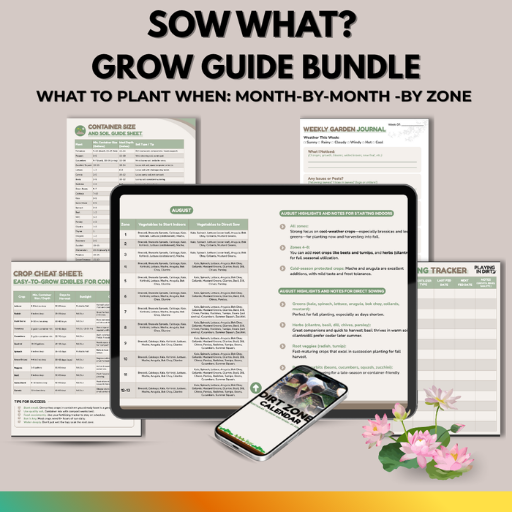
Want help planning? My Monthly Planting Guide takes out the guesswork. You’ll know exactly what to plant indoors or outdoors every month in your zone.
Vegetables & Herbs You Can Plant in Fall
So, what can you actually grow in fall? Quite a lot, actually! Here are some beginner-friendly vegetables and herbs that thrive in cooler weather.
Kale
- Container size: 7–10 gallon grow bag.
- Soil: Loose, compost-rich mix. Add worm castings for extra nutrients.
- Care: Harvest outer leaves regularly for continuous growth.
- Why grow it? Kale loves the cool weather, and the flavor sweetens after a few frosty nights.
Try Lacinato Kale seeds.
Spinach
- Container size: 8–10 inches deep.
- Soil: Fertile, well-drained. Add compost + bone meal.
- Care: Keep evenly moist; harvest baby leaves often.
- Why grow it? Spinach thrives in fall but struggles in summer heat, making this the perfect season to plant.
Radishes
- Container size: 8–10 inch pots.
- Soil: Light and loose to prevent misshapen roots.
- Care: Direct sow, thin seedlings to 2 inches apart. Harvest in 25–30 days.
- Why grow it? Quick results! Perfect for beginners who want a fast harvest.
Grab a radish seed variety pack.
Carrots
- Container size: At least 12 inches deep.
- Soil: Sandy, fluffy, stone-free. Mix in perlite for drainage.
- Care: Direct sow only. Keep soil moist for steady germination.
- Why grow it? Carrots planted in fall develop rich flavor in cooler temps.
Beets
- Container size: 12–15 inches deep.
- Soil: Compost-enriched, slightly acidic.
- Care: Sow directly; thin seedlings early. Harvest small for tenderness.
- Why grow it? You get both edible greens and roots!
Parsley
- Container size: 10–12 inch pots.
- Soil: Moist, rich soil. Add compost.
- Care: Harvest often to encourage new growth.
- Why grow it? Hardy herb that can last through fall and even into winter in mild zones.
Thyme & Chives
- Compact herbs that thrive in cooler weather. Perfect for container edges or small pots.
Fall Flowers to Brighten Small Spaces
Fall isn’t just about veggies — fall blooming flowers add color, cheer, and curb appeal.
- Chrysanthemums (Mums): Classic porch flowers. Full sun, even moisture.
- Pansies: Hardy little blooms that last into winter.
- Ornamental Cabbage & Kale: Bold foliage in purple, white, and green.
- Asters: Pollinator magnets in shades of purple and pink.
- Sedum (Stonecrop): Low-maintenance with clusters of pink/red flowers.
Check out my post on Gorgeous Fall Blooming Flowers to Grow in Containers.
These flowers pair beautifully with small pumpkins, lanterns, and cozy fall décor. A single container can turn a small porch into a seasonal showcase.
How to Prepare Containers for Fall Planting
Healthy soil = healthy plants. Here’s how to get your containers ready for fall:
- Clean your containers: Remove old roots, scrub the inside with mild soap, rinse thoroughly.
- Refresh the soil: Add fresh potting mix on top, or completely replace if it’s depleted.
- Amend: Mix in compost, worm castings, and a slow-release fertilizer.
- Mulch: Add straw or shredded leaves to regulate soil temps.
Preparing Now for a Head Start in Spring
Here’s one more reason why fall gardening is the best: it sets you up for spring success.
- Plant garlic and onions in fall for an early summer harvest.
- Establish perennial herbs like thyme and oregano that will return next year.
- Improve your soil now so it’s ready when spring arrives.
Fall isn’t the end — it’s the start of a gardening cycle that keeps giving.
Final Thoughts
So, why is fall the best time to start a garden? Cooler weather, fewer pests, budget-friendly supplies, and the chance to grow both veggies and flowers that thrive in containers. For small-space gardeners like me, fall is the perfect season to learn, experiment, and enjoy colorful harvests without the overwhelm.
If you’ve been waiting until spring to start, I hope this inspires you to grab a container, fill it with good soil, and plant something today. Even one pot of kale or a handful of radishes can bring so much joy this season.
Never Wonder What to Plant Again
If you’re excited about growing vegetables to plant in September like broccoli, kale, cabbage, carrots, radishes, spinach, beets, and parsley — but you’re not sure where to start — this Monthly Planting Guide was made for you.
This guide breaks down:
- What vegetables to direct sow outdoors each month
- Which crops to start indoors (and when to transplant)
- Container sizes, soil prep tips, and beginner-friendly notes
- Month-by-month recommendations for all USDA zones
Whether you’re in a warm southern zone or dealing with earlier frosts up north, this guide takes the guesswork out of planting. You’ll know exactly what to grow — and when — so your garden produces fresh food all year long.
Grab your copy here.