Skip to content
If you’ve ever wondered how to grow potatoes in a bag, you’re not alone. More and more gardeners are turning to container gardening to grow their own food, and potatoes are one of the most rewarding crops you can try in a small space. Whether you have a big backyard, a small patio, or even just a sunny corner on your porch, growing potatoes in bags makes it possible to enjoy fresh, homegrown tubers without needing a traditional garden bed.
I started my potato journey full of excitement, eager to dig into the soil after a few months and pull out handfuls of red, organic potatoes. Like many beginners, I had seen countless success stories of gardeners harvesting buckets full of spuds, and I wanted to experience that same joy. But here’s the truth: my first attempt didn’t go as planned. When I dumped out the bag, I didn’t find the potato bounty I had hoped for. Instead, I found myself asking new questions: Did I water enough? Did I use the right fertilizer? Was the soil too dry? And most importantly, what would I do differently next time?
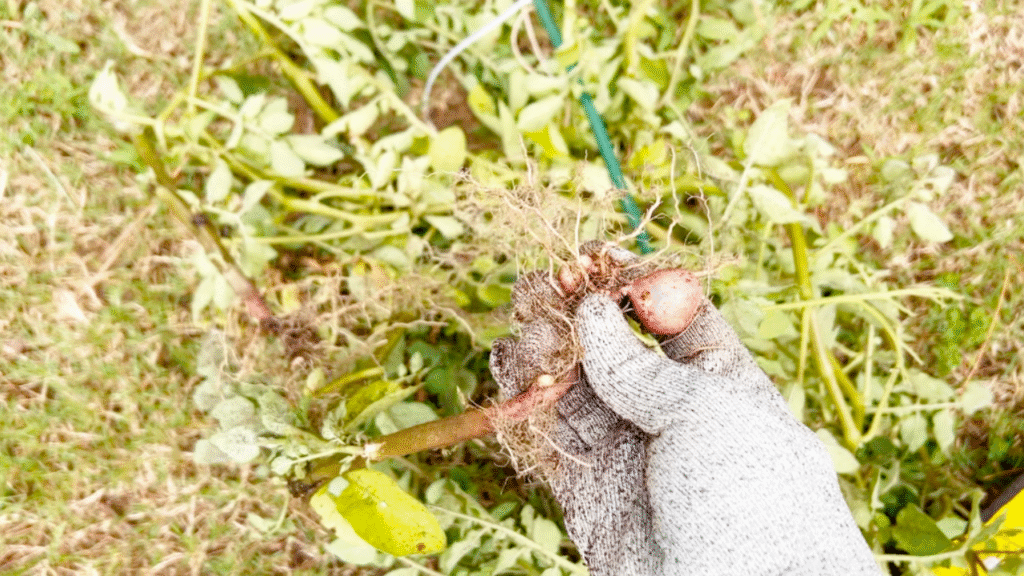
That’s what inspired me to write this article. Sometimes the best gardening lessons come from failures, not successes. By walking through my process, I’ll show you what went wrong in my first attempt and give you practical, step-by-step tips so you can learn how to grow potatoes successfully, whether in bags, raised beds, or garden rows. We’ll cover everything from how to grow potatoes from eyes (those sprouting seed pieces you can plant) to the best soil mix, fertilizing schedule, and watering potatoes correctly so they thrive.
One of the unique benefits of growing potatoes in bags is control. With containers, you can move your plants to sunnier spots, avoid compacted ground, and even reduce pest problems. Bags also make harvesting easier. Instead of digging deep into the soil, you simply dump out the bag when the time is right. Speaking of timing, many new gardeners wonder, “When are potatoes ready to harvest?” or “When are potatoes harvested?” That’s a question I had myself, and I’ll break down the clear signs to look for so you don’t harvest too early or too late.
Even though my own first harvest didn’t give me the results I wanted, it gave me valuable insight that I can share with you. Gardening isn’t about perfection — it’s about progress. Every crop teaches you something new, and potatoes are no exception. So, whether you’re brand new to container gardening or just curious about trying a different approach, this guide will walk you through everything you need to know about growing potatoes in bags. From choosing seed potatoes and prepping your soil, to fertilizing and watering, and finally to knowing exactly when to harvest, you’ll be equipped with the knowledge to avoid my mistakes and grow a healthy, abundant crop.
By the end of this article, you’ll not only understand how to grow potatoes in a bag, but you’ll also feel confident about caring for them from sprout to harvest. Let’s dig in — literally!
Soil Prep for Growing Potatoes in Bags
When you’re growing potatoes, one of the most important steps is preparing the right soil mix. Potatoes need loose, well-draining soil that allows their tubers to expand without restriction. Heavy or compacted soil will stunt growth and lead to small or misshapen potatoes. That’s why the best mix for bag-grown potatoes is a blend of high-quality potting soil, compost, and organic matter that provides both nutrients and aeration.
Start with a lightweight potting mix rather than garden soil. Potting mix is designed for containers, holds moisture evenly, and resists compaction. To enrich the mix, add in compost or worm castings for slow-release nutrients. Potatoes are heavy feeders, so they’ll benefit from nutrient-dense soil from the start. Another excellent amendment is perlite or coconut coir, which helps improve drainage and keeps soil fluffy enough for roots and tubers to spread.
For beginners, I recommend combining:
- 2 parts organic potting mix
- 1 part compost
- 1 part perlite
Before planting, fill your grow bag about one-third full with this mix. As your potato plants grow, you’ll continue to add more soil (“hilling”), which encourages additional tuber production higher up the stem. A good fabric grow bag is ideal because the breathable material prevents overwatering and promotes air pruning of roots, leading to stronger, healthier plants.
Don’t skip this step! The right soil foundation sets you up for success. Without it, even perfect fertilizing and watering won’t give you a strong harvest. Think of soil as your potato plant’s pantry — the better stocked it is with nutrients and good texture, the more energy your plants have to produce a healthy crop.
Planting Potatoes in Grow Bags
Once your soil is ready, the next step is planting. Many gardeners start with what’s called “seed potatoes.” These aren’t seeds at all — they’re small whole potatoes or pieces of potatoes with at least one “eye,” the small bud that sprouts. Knowing how to grow potatoes from eyes is one of the simplest (and cheapest) ways to get started.
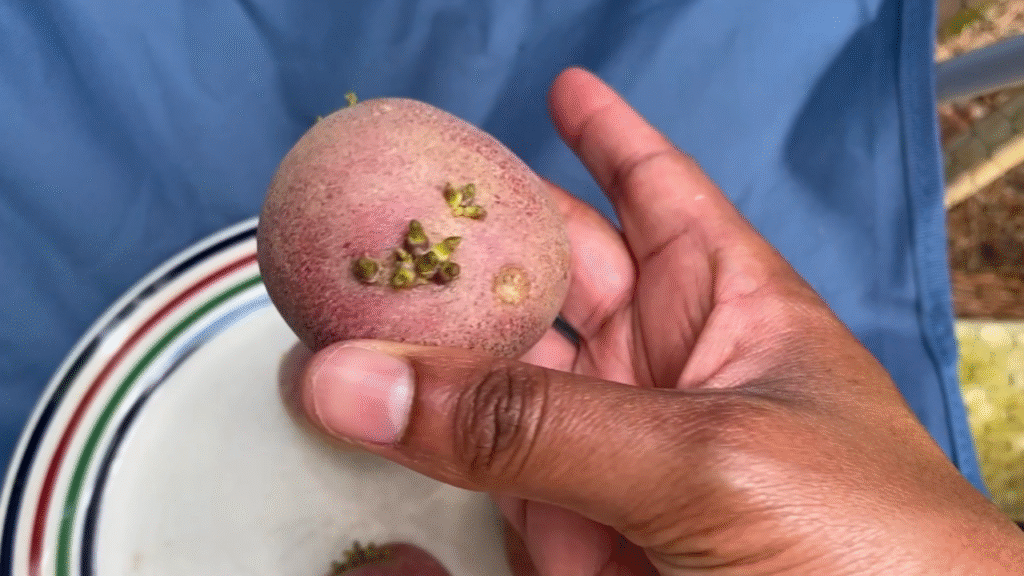
Before planting, cut large seed potatoes into chunks about the size of a golf ball, making sure each piece has 1–2 healthy eyes. Allow the pieces to dry for 24 hours to form a protective “skin,” which helps prevent rot once planted. You can also buy certified organic seed potatoes to ensure your crop is disease-free.
To plant in a bag, fill your fabric grow bag about one-third full with the soil mix you prepared earlier. Place your seed potato pieces eye-side up, spacing them about 6 inches apart. A 15-gallon grow bag can comfortably hold 3–4 potato pieces. After placing them, cover with 3–4 inches of soil. As the plants grow taller, you’ll add more soil to “hill” around the stems, encouraging more tubers to develop.
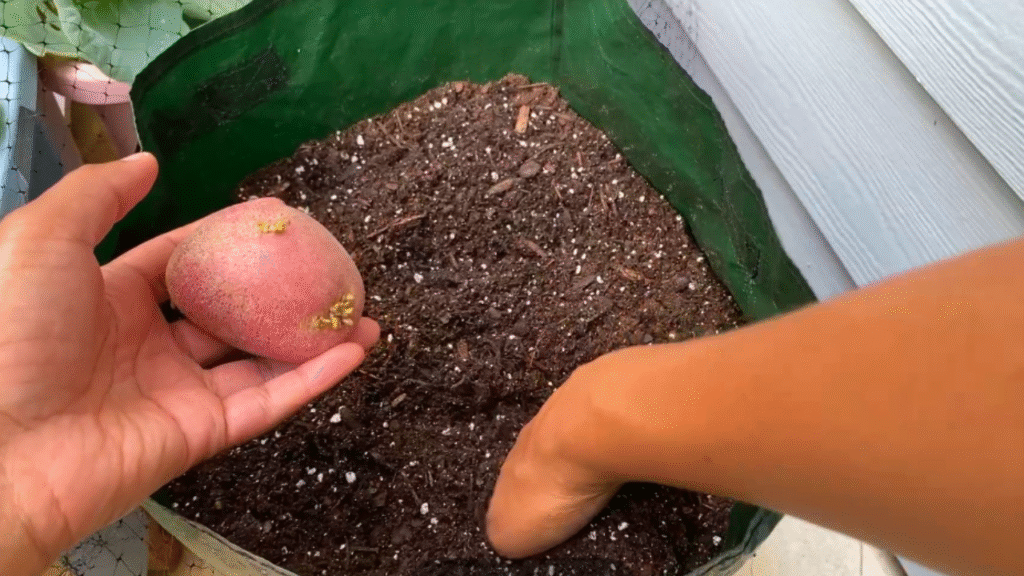
Here’s a quick product list to make planting easier:
- Organic Seed Potatoes
- 15–20 Gallon Grow Bags
- Garden Scissors or Pruning Shears for cutting seed potatoes
- Gardening Gloves for easy handling potatoes
The beauty of growing in bags is flexibility. You can place them anywhere with 6–8 hours of sunlight — a patio, balcony, or small backyard. As the plants sprout, keep an eye out for healthy green growth. In just a few weeks, you’ll have vibrant potato plants pushing through the soil, ready for their next stage of care.
Fertilizer for Potatoes: Feeding Your Crop the Right Way
Potatoes are considered “heavy feeders,” which means they use up nutrients in the soil quickly. Without the right feeding schedule, you’ll end up with lots of leafy growth but very few tubers underground. Choosing the correct fertilizer for potatoes and applying it at the right times is key to getting a healthy harvest.
When it comes to potatoes, a balanced fertilizer with a higher ratio of phosphorus (for root development) and potassium (for tuber growth) is ideal. Nitrogen should be kept moderate — too much will cause lush green leaves at the expense of the potatoes themselves. A good guideline is to look for a formula around 5-10-10 or 10-20-20.
There are two main ways to feed your potatoes:
- At Planting Time – Mix a slow-release granular fertilizer into the soil before you drop in your seed potatoes. This ensures the plants have steady nutrients as they establish. Products like Espoma Garden-Tone 3-4-4 or organic 5-10-10 fertilizer are excellent choices.
- During Growth – Once the plants are 6–8 inches tall, side-dress with more granular fertilizer or use a liquid option to give them a quick boost. Liquid feeds such as Alaska Fish Fertilizer 5-1-1 or liquid seaweed fertilizer are great for container-grown crops.
For accuracy, it’s also smart to use a soil pH tester to ensure your soil stays slightly acidic (pH 5.5–6.5), the sweet spot for potatoes.
Consistency matters most. Feed your potatoes every 3–4 weeks during the growing season, always watering afterward so nutrients soak in evenly. With the right fertilizer for potatoes, you’ll support both strong foliage and the underground tubers you’re really after.
Watering Potatoes in Grow Bags
Along with good soil and fertilizer, consistent moisture is one of the most important factors in growing a successful potato crop. Uneven or improper watering potatoes can mean the difference between a bag full of plump tubers or a disappointing harvest. Potatoes need steady hydration throughout the growing season, but their roots and tubers are sensitive to excess water. The goal is to keep the soil consistently moist without letting it become soggy.
When growing potatoes in bags, this balance is even more critical because containers dry out much faster than in-ground gardens. In hot weather, your potato bags may need watering every day, while in cooler or rainy conditions you may be able to wait two to three days. A simple rule of thumb: stick your finger about two inches into the soil. If it feels dry, it’s time to water.
To avoid over or under-watering, consider using a soil moisture meter. This handy tool gives you an accurate reading of the soil’s hydration level so you can water with confidence. For application, use a watering can with a long spout or a drip irrigation kit for containers to deliver water evenly without disturbing the soil surface.
Potatoes especially need water during the tuber formation stage — once plants start flowering, the underground potatoes are sizing up. Inconsistent watering during this time can cause problems like cracked potatoes, hollow centers, or low yields. On the other hand, waterlogging can lead to rot and disease. That’s why breathable fabric grow bags are so effective: they allow excess moisture to escape while keeping roots cool and healthy.
Aim to provide the equivalent of 1–2 inches of water per week, adjusting based on your local weather and container size. With consistent watering, your plants will stay healthy, your tubers will form evenly, and you’ll set yourself up for a better harvest when the time comes to dump those bags and see what’s inside.
Harvesting Potatoes: When Are They Ready?
After weeks of planting, fertilizing, and carefully watering your potatoes, the most exciting part of the process finally arrives: harvest time. But one of the most common questions new gardeners ask is, “When are potatoes ready to harvest?” The answer depends on the type of potato you’re growing and whether you want to pick them young (“new potatoes”) or let them fully mature. Understanding the signs will help you know when are potatoes harvested for the best flavor and yield.
Early Clues: New Potatoes
If you can’t wait for a taste of your homegrown potatoes, you can start checking for “new potatoes” once the plants begin flowering. At this stage, the underground tubers are small, thin-skinned, and tender. Gently dig around the sides of the grow bag with your hand or a hand trowel to pull out a few. These won’t store long but are delicious eaten fresh, boiled, or roasted.
Full Maturity: Main Harvest
For most varieties, potatoes reach full maturity around 90–120 days after planting. The clearest sign that your crop is ready is when the plant foliage starts to yellow, wilt, and die back. This natural process signals that the plant has stopped sending energy into the leaves and is focusing on the tubers underground. Once the top growth has completely died back, wait about two more weeks before harvesting. This extra time allows the skins to toughen, making the potatoes better for storage.
How to Harvest Potatoes in Bags
The beauty of growing potatoes in containers is how easy harvesting can be. Instead of digging deep into garden soil, simply tip the grow bag over onto a tarp or large container and sift through the loose soil with your hands or a garden fork. Pull out the tubers and brush off excess soil — no need to wash them right away, as keeping them dry improves storage.
To make this process cleaner, many gardeners use a harvest tarp or garden tray so soil can be reused in the compost or garden. Gloves are also helpful for protecting your hands during the process.
Storing Your Potatoes
Once harvested, cure your potatoes by laying them in a cool, dark, and well-ventilated area for about 1–2 weeks. This curing process helps toughen the skins and heal small nicks, extending their shelf life. After curing, store in paper bags or ventilated bins in a cool, dark spot — never in the fridge, as cold temperatures turn the starch into sugar. A ventilated potato storage bin is a great option to keep them fresh for weeks to months.
Lessons Learned from My First Harvest
In my own first attempt at container potatoes, I was eager but discovered my harvest wasn’t what I expected. Looking back, I realized I needed more consistent watering and a better fertilization routine. The good news? Every season is a chance to improve. Even when the harvest is small, the lessons are big. Gardening is a process of trial and growth, and potatoes are the perfect teacher.
Key Takeaways
- Harvest “new potatoes” after flowering.
- For mature potatoes, wait until foliage dies back, then give them two more weeks before harvesting.
- Use breathable bags for easy harvest and healthier roots.
- Cure and store properly for long-lasting spuds.
So, when are potatoes ready to harvest? The answer lies in observing your plants and learning the signals they give. With patience, the right timing, and consistent care, your potato harvest will reward you with fresh, flavorful tubers grown right from your own container garden.
Never Wonder What to Plant Again
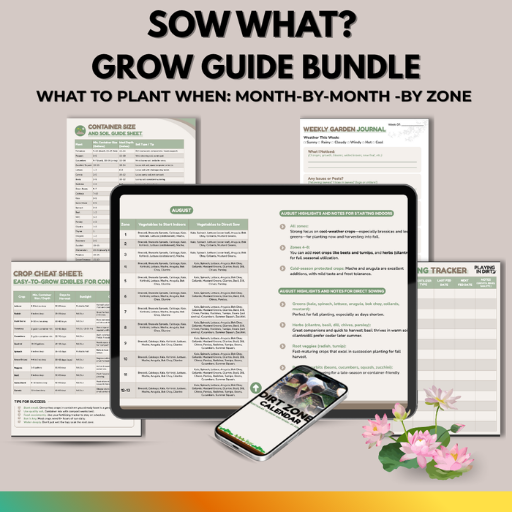
If you’ve ever felt unsure about what to grow each season, you’re not alone. That’s exactly why I created my Planting by Zone Guide — a simple, beginner-friendly tool that tells you exactly what to plant each month based on your USDA zone. Instead of guessing when to start seeds or direct sow, you’ll have a clear plan in front of you.
The guide is especially helpful if you’re new to gardening, working with containers, or balancing a small space. It breaks down which crops to start indoors, which to plant directly outside, and even includes container size suggestions so you don’t overcrowd your plants. With space to plan ahead, track your progress, and stay on top of your garden tasks, it helps you grow more food with less stress.
Imagine opening your guide and instantly seeing that it’s time for broccoli, kale, radishes, or even potatoes. No more scrolling endlessly online or worrying about planting too late. This guide takes the guesswork out of gardening and gives you the confidence to keep your garden thriving month after month.
Grab your copy here.
*This post contains affiliate links, which means I may earn a small commission at no extra cost to you.