Skip to content
you’ve ever started plants from seed, you already know that watering can feel like a balancing act. Too much water and your seedlings risk damping off disease, weak stems, or root rot. Too little water and they dry out, wilt, and stall before they ever make it to the garden. Learning how to water seedlings the right way is one of the most important skills for new gardeners, and it’s something that took me a little trial and error to figure out.
In fact, I’ll admit—I waited way too long to water my own fall seedlings this year. My broccoli, cauliflower, and collard green starts were growing indoors, and by the time I checked on them, the soil was bone dry. That’s when I reminded myself: seedlings should never go that long without attention. Their soil needs to stay consistently moist, not soggy, and that means checking on them every couple of days.
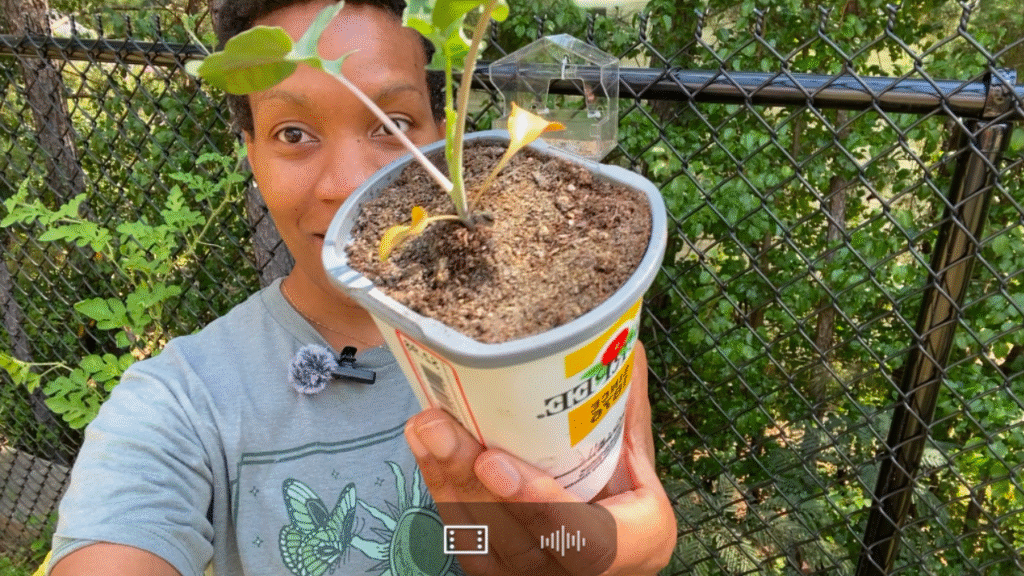
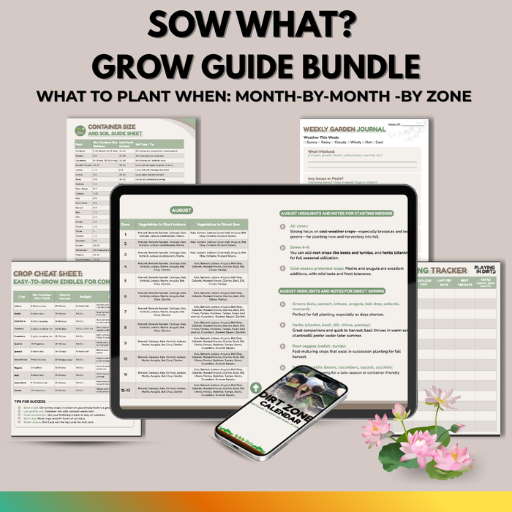
In this post, I’ll show you the simple steps I follow to keep seedlings healthy, strong, and ready for transplanting—using bottom watering and gentle fertilizing. And if you’re tired of guessing what to plant each month, my Monthly Planting Guide takes the mystery out of gardening, showing you exactly what to start indoors and what to direct sow based on your zone.
Why Watering Seedlings Matters
When you first start seeds, it’s easy to think that watering is as simple as giving them a splash whenever you remember. But seedlings are delicate, and their entire success depends on the consistency of their care. Knowing how to water seedlings properly is just as important as choosing the right soil or giving them enough light. Water is life for these tiny plants—it fuels germination, encourages roots to stretch deep, and supports the growth of those very first true leaves.
The challenge is that seedlings don’t have large root systems yet. Unlike established plants that can handle a dry spell, seedlings rely on the thin layer of soil around them to provide constant moisture. If that soil dries out completely, seedlings can wilt or stop growing altogether. On the other hand, keeping the soil too wet can be just as damaging. Overwatering suffocates the roots, blocks airflow, and invites fungal diseases like damping off, which can wipe out a tray of seedlings overnight.
The goal is balance: soil that stays consistently moist but never soggy. This creates the perfect environment for strong root development and steady growth. A well-hydrated seedling will grow stockier, greener, and more resilient compared to one that experiences stress from poor watering habits.
Another reason watering is so critical is nutrient uptake. Seedlings can’t access fertilizer or nutrients in the soil if there isn’t enough moisture to carry those nutrients to their roots. That’s why the process of fertilizing seedlings always begins with water. You hydrate first, then feed, so the roots are prepared to absorb without burning.
Consistency is key here. Instead of watering on a rigid schedule, it’s better to monitor the soil regularly. Check the moisture every day or two by pressing a finger lightly into the soil—if it feels dry at the top half-inch, it’s time to water. Using tools like a soil moisture meter can help beginners avoid the guesswork.
By paying attention to water from the very beginning, you set your seedlings up for success. Healthy watering habits ensure that once it’s time to transplant them into the garden, they’ll already be strong, established, and ready to handle new conditions. Simply put, mastering watering is mastering the foundation of gardening.
How to Tell When Seedlings Need Water
One of the trickiest parts of seed starting is knowing how to water seedlings at just the right time. New gardeners often ask, “How do I know if my seedlings are thirsty?” The answer comes down to observing the soil, checking the weight of your containers, and understanding how quickly different setups dry out.
Visual Cues
Start by looking at the soil itself. Freshly watered soil is dark and rich in color, while dry soil turns pale and dusty. If the top of your seedling tray looks light brown or gray, it’s usually a sign it’s drying out. Seedlings themselves also give signals—droopy, limp leaves or stems that look slightly wilted can indicate that the plant is stressed from lack of water.
The Finger Test
An easy way to check moisture is by pressing your finger about half an inch into the soil. If it feels dry at that depth, it’s time to water. If it still feels slightly damp, wait another day before checking again. This simple test prevents overwatering and helps you avoid the common mistake of watering just because the top looks dry.
Container Weight Test
Another reliable method is lifting your container. Seedling trays, peat pots, or solo cups feel noticeably lighter when the soil is dry. Over time, you’ll learn the difference between the “just watered” weight and the “needs water” weight.
Tools That Help
For gardeners who prefer more precision, a soil moisture meter takes the guesswork out of watering seedlings. You simply insert the probe into the soil, and it instantly tells you whether it’s dry, moist, or wet. This is especially helpful if you’re growing in larger containers or want to avoid disturbing delicate roots.
Frequency Guidelines
How often seedlings need water depends on the container size, soil type, and indoor conditions. Shallow containers dry out faster than deep ones. Warm rooms or direct grow lights also speed evaporation. In most cases, you’ll need to check seedlings every one to two days. Instead of sticking to a strict schedule, let the soil’s condition guide you.
Learning these cues helps you avoid both extremes—letting seedlings wilt from underwatering or creating soggy soil from overwatering. By practicing observation and using simple tools, you’ll gain confidence in exactly when your seedlings need a drink, keeping them healthy and growing strong.
Top Watering vs. Bottom Watering (Which is Best?)
When you’re first learning how to water seedlings, one of the biggest questions is whether to water from the top or from the bottom. Both methods can work, but over time—and especially after my own mistakes—I’ve learned that bottom watering is by far the easiest way to keep seedlings healthy, consistent, and stress-free.
Top Watering Seedlings
Top watering simply means pouring water directly onto the soil surface. It’s quick and easy, but it comes with some risks. If you pour too much, water can flood the container and wash delicate seedlings right out of their soil. I’ve been guilty of this—when I tried top watering, I often found myself overdoing it. The soil would compact, and the water never seemed to distribute evenly. Some seedlings ended up soggy while others remained dry. On top of that, splashing water on the leaves can encourage fungal problems, especially if the air circulation around your seedlings isn’t great.
That said, top watering isn’t always bad. It works well if you’re very careful with a gentle watering can or a spray bottle. These tools give you more control and prevent you from blasting your seedlings with a heavy stream of water. Still, for me, the risk of overwatering was too high, and that’s why I switched to a different method.
Bottom Watering Seedlings
Watering seedlings from the bottom is a method where you place seedling containers inside a shallow tray of water and allow the soil to soak up moisture from below. This process, called capillary action, pulls water evenly through the soil.
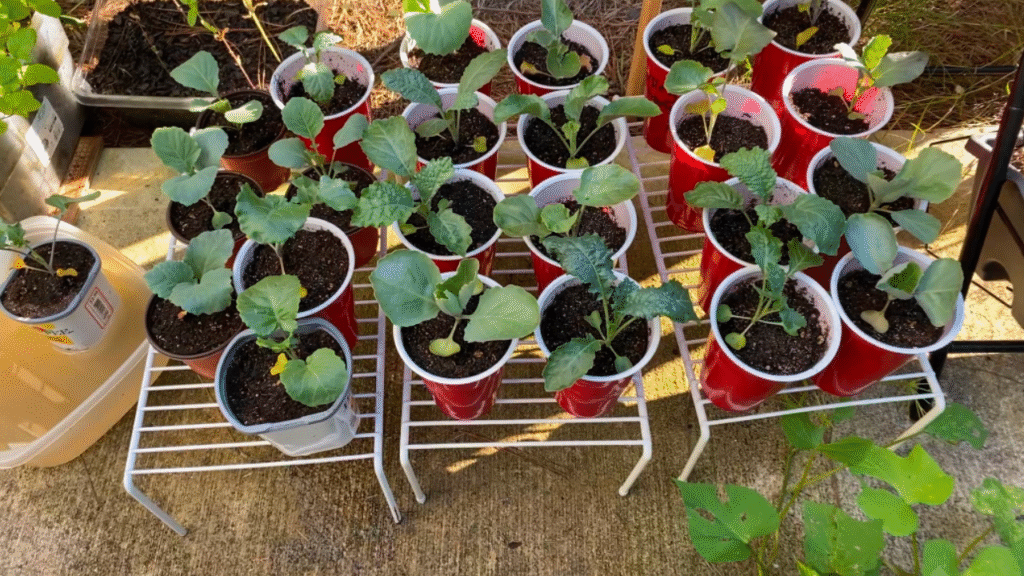
This is my go-to method, and honestly, I don’t see myself going back. I find it easier, quicker, and far less stressful than top watering. For example, in my own garden setup, I keep my broccoli and cauliflower seedlings in solo cups with drainage holes. When it’s time to water, I set them into a tray filled with about an inch of water. Within 15 minutes, the soil drinks it up evenly. Not only do the seedlings stay hydrated, but I also avoid the messy splashing and uneven results that I used to get when pouring water from above.
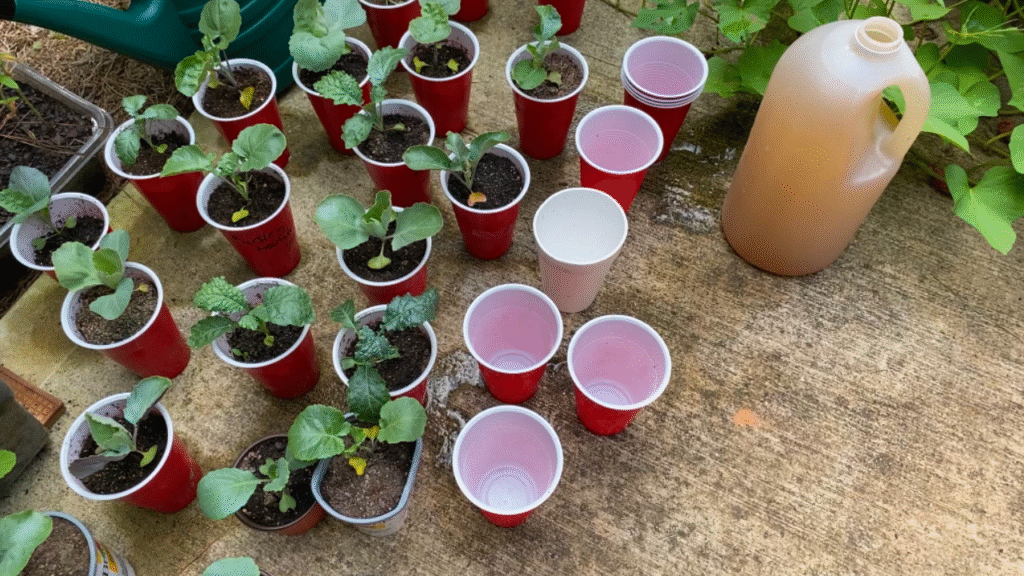
One of my favorite discoveries was finding some old wire racks at Goodwill for just a dollar. I now use those racks to hold my seedlings after bottom watering so they can drip dry without sitting in excess water. You don’t need anything fancy—an inexpensive seedling tray with inserts and racks works just as well.
Which Is Best?
For new gardeners, bottom watering is hands-down the safer and more effective method. It encourages roots to grow downward in search of water, which builds stronger plants. It also reduces the chances of disease since the foliage stays dry.
If you’re just starting out and want to set yourself up for success, invest in a sturdy watering tray system. Pair it with a basic spray bottle for the rare times you need to moisten the very top of dry soil, and you’ll have the best of both worlds.
Bottom watering might take a little longer than pouring water from above, but in my experience, the payoff in healthier seedlings is absolutely worth it.
Step-by-Step Guide – How to Water Seedlings from the Bottom
Once you understand the benefits of bottom watering, the next step is knowing exactly how to do it. When I first started growing my seedlings indoors—I had no idea how much easier this method would make my life. Here’s how you can do it step by step.
Step 1: Gather Your Supplies
To bottom water, you need:
- Seedling containers (solo cups with drainage holes, peat pots, or cell trays).
- A watering tray or shallow container.
- A rack or surface where the seedlings can drip dry afterward (I personally use thrifted wire racks I found at Goodwill, but you can also buy seedling racks or mesh trays online).
These items don’t have to be expensive, but investing in a proper watering tray system saves time and mess.
Step 2: Fill the Tray with Water
Pour about one to two inches of water into your tray. Don’t overfill—you only need enough for the soil to wick moisture upward. I usually start with plain water for the first round.
When I was working with my broccoli seedlings recently, I let them sit in the tray for about 15 minutes. By that time, the soil had wicked up plenty of moisture, and the plants perked up right away.
Step 3: Set Seedlings in the Tray
Place your seedling cups or trays directly into the water. Make sure every container has good drainage holes at the bottom so the soil can soak up the water evenly. If you’re using solo cups, you can create holes with a simple drill or even scissors.
You’ll notice the soil darken as it absorbs water from below. This method ensures the roots grow downward, strengthening the plants.
Step 4: Let Them Soak
Leave seedlings in the water for about 15–20 minutes. For very dry soil (like when I once forgot to water my collards), you may need to let them sit closer to 30 minutes. Don’t forget to check—once the soil surface looks evenly moist, it’s time to remove them.
Step 5: Drain and Rest
This step is key. Don’t leave seedlings sitting in water too long. After soaking, set them on a wire rack or draining tray to allow excess moisture to drip out. This prevents soggy roots and keeps your plants healthy.
Step 6: Repeat with Fertilizer (When Needed)
Every couple of weeks, I swap out plain water with diluted fertilizer. I’ll often use fish emulsion fertilizer or liquid kelp fertilizer at half strength. I still bottom water the same way—15 minutes with plain water first, then another round with the fertilizer mix.
Bottom watering may take a few extra minutes, but the results speak for themselves. My seedlings are sturdier, greener, and far less stressed. By using a simple watering tray setup, a rack for draining, and the right fertilizer, you’ll find that this method takes the guesswork out of watering your seedlings.
How to Fertilize Seedlings the Right Way
Watering and fertilizing go hand in hand when it comes to raising healthy seedlings. Even if you’ve mastered watering seedlings, they won’t reach their full potential without nutrients. The tricky part is knowing when and how to feed them without causing harm.
When to Start Fertilizing Seedlings
Most seedlings don’t need fertilizer right away. They rely on the stored energy in their seed leaves (cotyledons) during their first week or two. Once the first set of “true leaves” appears, that’s your signal that it’s time to begin feeding. For me, this usually happens about three weeks after sowing.
Always Water Before Fertilizing
One mistake I made early on was adding fertilizer to dry soil. That can burn the delicate roots. Now I always bottom water with plain water first—just long enough to moisten the soil—before adding fertilizer. This preps the roots to absorb nutrients safely.
Fertilizer Options for Seedlings
I keep it simple and gentle. My go-to is fish emulsion fertilizer, which is high in nitrogen and encourages leafy growth. I dilute it to half strength—about one tablespoon per gallon of water. Another great option is liquid seaweed/kelp fertilizer, which supports strong roots and resilience.
By starting with half-strength feedings once a week, your seedlings will grow stronger, greener, and ready for transplanting. With the right balance of water and fertilizer, you’re setting the stage for a thriving garden.
Tools & Supplies That Make Watering Seedlings Easier
One thing I’ve learned while figuring out how to water seedlings is that the right tools can make the process smoother, faster, and less stressful. You don’t need to spend a lot, but having a few key supplies on hand will set you up for success.
Moisture Meter for plants
If you’re nervous about guessing when seedlings need water, a simple moisture meter can take out the guesswork. You just stick it into the soil, and it instantly shows whether the soil is dry, moist, or wet. This tool is especially useful if you’re starting seeds in larger pots where it’s harder to check moisture with your finger.

Seed Starting Trays
Using trays designed for seedlings makes bottom watering so much easier. Look for trays with cell inserts that have drainage holes. You can place them inside a solid tray filled with water, and the soil will wick up moisture evenly. This setup prevents both overwatering and underwatering.

Watering Trays and Racks
One of my favorite hacks was repurposing wire racks I found at a thrift store to use as drying racks. After bottom watering, I set my seedling containers on these racks so the extra water can drain out. If you don’t have thrifted racks available, lightweight mesh seedling racks or drip trays work just as well and are designed specifically for this purpose.
Gentle Watering Tools
Even though I mostly bottom water, there are times when I need to moisten the top layer of soil—especially if it’s very dry. For those moments, a small spray bottle or a watering can with a fine spout is perfect. They deliver a gentle mist or trickle instead of flooding the soil and knocking seedlings over.

Organic Fertilizers
For feeding seedlings, I keep a bottle of fish emulsion and a bottle of liquid kelp on hand. Both are concentrated, so a little goes a long way. When diluted properly, they provide the nutrients seedlings need without overwhelming them.
Having these simple tools not only makes watering and fertilizing easier but also gives you confidence as your seedlings grow. With the right setup, caring for seedlings becomes less of a chore and more of a routine you’ll actually enjoy.
Take the Guesswork Out of Gardening with My Monthly Planting Guide
Learning how to water seedlings is just one piece of the puzzle when it comes to growing a healthy, productive garden. The truth is, even if your seedlings are strong and well cared for indoors, success also depends on knowing the right time to start each crop. That’s where my Monthly Planting Guide comes in.
When I first started gardening, I often found myself guessing what to plant and when. Some crops thrived, while others fizzled out because I planted them at the wrong time. That’s exactly why I created this guide. It tells you what to start indoors, what to direct sow, and how to keep a steady rhythm of planting so you’re always growing something fresh. Whether you’re in a small space or gardening in containers like me, it’s designed to take away the stress of planning and give you a clear roadmap month by month.
Pairing this guide with the watering and fertilizing methods we covered in this article is a powerful combination. Strong, well-hydrated seedlings + the right timing = a thriving garden you can enjoy all season long.
If you’re tired of guessing and ready to grow with confidence, grab the guide. It’s more than just a planner—it’s your shortcut to healthier seedlings, smarter planting decisions, and ultimately, more homegrown food.
Caring for seedlings can feel overwhelming at first, but once you get into a routine—watering from the bottom, feeding gently, and planting at the right time—it becomes second nature. And every healthy seedling you nurture brings you one step closer to the joy of harvesting food you grew yourself.
*This post contains affiliate links, which means I may earn a small commission at no extra cost to you.