Skip to content
When it comes to growing beets from seed, fall is one of the best times to get started. Beets are a cool-season crop, which means they thrive in the mild temperatures of spring and fall, and right now in September, the timing couldn’t be better. This season, I decided to take on the challenge of planting beets for the very first time, and I’m pairing them with bok choy in my container garden. What excites me about this experiment is not only the chance to try something new, but also to share what I’ve learned so that you can confidently grow your own beets from seed, even if you’re short on space.
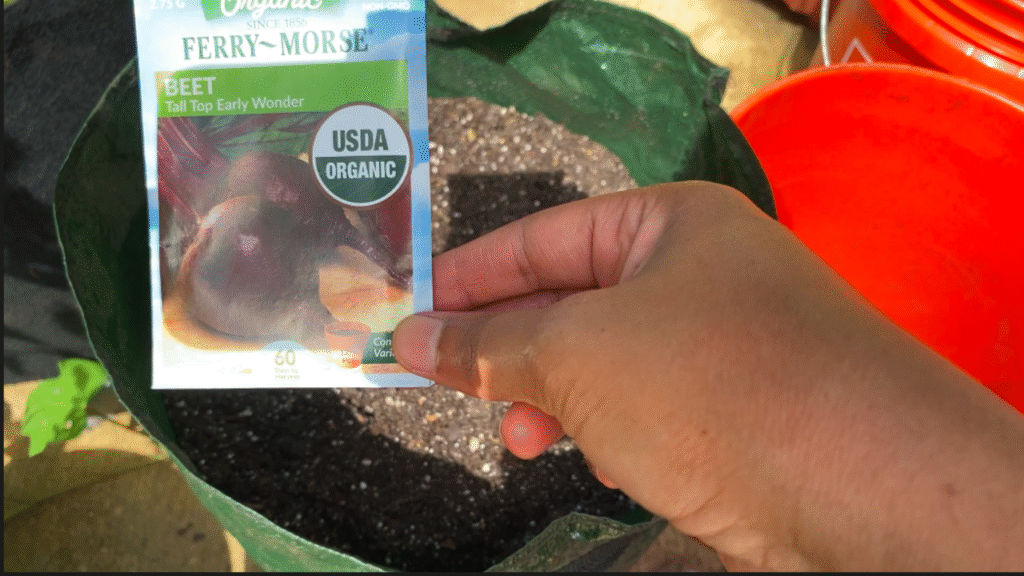
My gardening journey has been full of trial and error, and I’ve learned that sometimes the best crops to start with are the ones that don’t ask for much in return. Beets fall into that category. They don’t demand a ton of space, they tolerate cooler weather, and they reward you in two ways: you can enjoy the leafy green tops as well as the roots themselves. For someone like me who grows most of my vegetables in containers, that’s a win-win.
Pairing beets with bok choy makes this project even more exciting. Bok choy is a beginner-friendly crop that matures quickly, often in as little as 30–45 days, and it doesn’t need deep soil to thrive. By growing these two vegetables side by side, I’m maximizing every inch of my containers while setting myself up for a steady harvest of greens and roots as fall progresses.
In this post, I’ll walk you through how I prepared my soil, the container setup I used, the amendments I added, and the step-by-step process I followed to sow my beet seeds.
Beets and Bok Choy- The Dynamic Duo
When I started planning my fall garden this year, I knew I wanted to try something different: planting bok choy alongside my beets. I’ll be honest—this is my very first time growing both of these crops together, so it’s a bit of an experiment. But one of the best parts of gardening is learning by doing, and in this case, I’m testing out the idea of pairing a fast-growing leafy green with a root crop.
Why bok choy works with beets comes down to their growth habits. Bok choy matures quickly—often in just 30 to 45 days—and it doesn’t require deep soil to thrive. Beets, on the other hand, need more depth for their roots to form but don’t mind sharing the topsoil space with shallow-rooted plants. By planting them side by side in the same container, I can make the most of my limited space. While the beets are slowly working on their roots, the bok choy will be ready to harvest, meaning I’ll have fresh greens on my plate long before the beets are pulled.
But bok choy isn’t the only plant that pairs well with beets. There are several tried-and-true companion plants for beets that many gardeners swear by:
- Onions and garlic: These are excellent companions because their strong scents naturally repel pests like aphids and beetles that might otherwise damage tender beet foliage.
- Carrots: Like beets, carrots are root crops that thrive in loose soil. While they do compete a little for underground space, their slender shapes allow both to coexist if properly spaced.
- Lettuce and spinach: Shallow-rooted leafy greens are perfect companions because they fill in the gaps above ground while beets grow below. They also help shade the soil, keeping it cool and moist—exactly what beets prefer.
- Bush beans: Beans fix nitrogen into the soil, which benefits beets since they use up a lot of nutrients as they develop. Plus, their upright growth doesn’t interfere with beet roots.
Each of these combinations works for a specific reason—some deter pests, some balance nutrient use, and some simply make efficient use of space. That’s the beauty of companion planting: it’s not just about sticking two crops together, but about creating small partnerships that benefit both plants.
My choice to grow bok choy with beets is just one example of how you can experiment with this technique. Sometimes the best pairings come from curiosity, and even if it’s your first time (like me), you may discover something that works beautifully in your own garden.
If you’ve ever felt stuck on knowing what to plant next to what, I’ve put together a free Companion Planting Guide that covers not just beets, but dozens of other vegetables too. It’s designed to make companion planting simple and beginner-friendly, with quick reference charts you can use all season long. You can grab it [here – link] and use it as a cheat sheet the next time you’re planning out your beds or containers.
Companion planting is about more than just saving space—it’s about creating a healthier, more resilient garden. Whether you pair your beets with bok choy like I’m trying this season, or with traditional companions like onions and lettuce, you’ll be setting yourself up for stronger plants and a bigger harvest.
Why Beets Are Worth it
One of the things that makes growing beets from seed so rewarding is how much you get out of a single crop. This crop is unique because you can harvest both the leafy tops and the roots. The greens can be picked early for fresh, tender leaves that cook down like spinach, while the roots continue to develop underground. For gardeners working with limited space, that “two-for-one” benefit makes beets a smart choice.
Beets also fit neatly into a fall garden because they’re naturally cool-tolerant. Unlike heat-loving summer vegetables, beets thrive once temperatures begin to drop. They grow best when daytime highs are mild and nights are crisp, making them ideal for planting in September here in Georgia. With the right timing, you can enjoy a steady harvest of greens and roots all the way into late fall.
Another reason beets work so well for home gardeners is their adaptability to containers. They don’t sprawl or climb, and they don’t need an enormous amount of soil surface. Instead, they just need depth—about 10 to 12 inches is enough for the roots to form properly. That means a simple 10–15 gallon grow bag or a deep planter is all you need. If you’ve ever felt limited by patio or balcony space, beets are a crop that will fit right in.
Of course, the secret to success is the soil. They need loose, well-draining soil so the roots can expand without restriction. If the soil is too dense or compacted, the roots stay small and stunted. This is where refreshing your containers with compost, bone meal, or worm castings makes a real difference. Even a reused grow bag from another crop can be brought back to life with just a little amendment.
They may not be the flashiest crop, but they’re practical, reliable, and highly productive. For gardeners who want to stretch their harvest and make the most of their space, they’re hard to beat.
Choosing the Right Containers for Beets
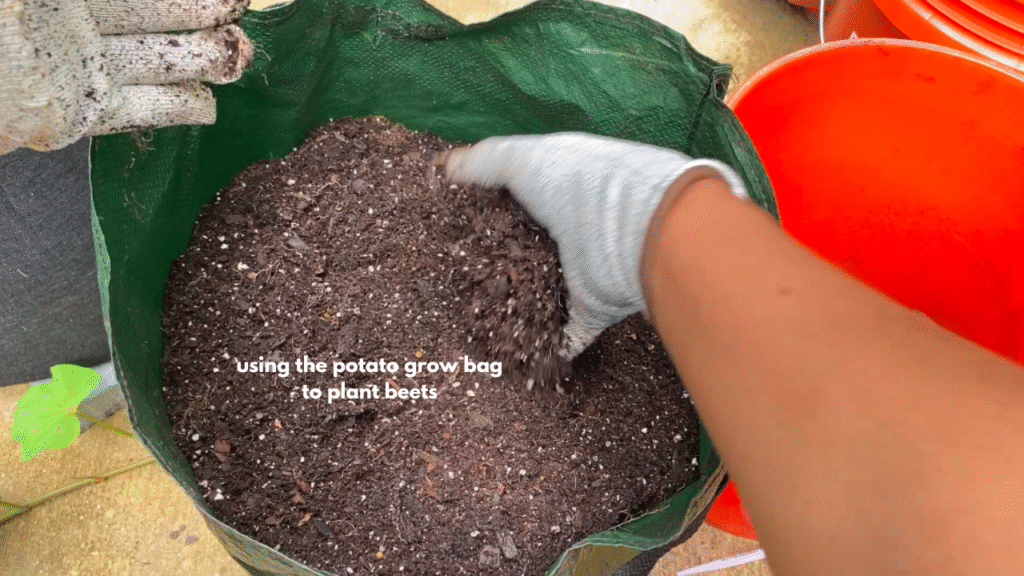
When it comes to growing beets from seed, the container you choose makes all the difference. Since beets are root vegetables, they need depth more than width. A container that’s at least 10 to 12 inches deep gives the roots enough room to develop properly. If the soil is too shallow, the roots will end up small, thin, or misshapen.
For home gardeners, grow bags are one of the easiest and most affordable options. I like using 10–15 gallon grow bags because they’re lightweight, easy to move around, and provide the loose, airy soil structure that beets love. Another bonus is that fabric grow bags naturally drain well, which helps prevent waterlogged soil.
If you prefer something more permanent, deep planters or raised beds also work well. Just make sure they’re filled with a light, well-draining soil mix. Avoid heavy garden soil that compacts easily, since beets need loose conditions to push their roots down.
Products I Recommend:
- 10–15 gallon fabric grow bags
- A sturdy raised planter box for patios
- High-quality potting mix for vegetables
With the right container setup, your beets will have the space and structure they need to thrive.
Preparing Soil Step by Step
When it comes to growing beets, success starts with the soil. Beets are root crops, and if the soil isn’t right, you’ll end up with stunted, woody, or misshapen roots. The good news is that beets don’t ask for much—just a container that’s deep enough, and soil that’s loose, well-draining, and rich in nutrients.
Preparing the Soil
For this planting, I decided to reuse a grow bag where I had potatoes earlier in the season. The soil was already fluffy and loose, which is exactly what beets need. But any time you reuse soil, it’s important to refresh it. Root crops, especially, appreciate soil that has a balance of nutrients without being overly heavy.
Here’s how I amended my container before sowing seeds:
- Compost (2–3 inches, mixed in): Compost adds organic matter and nutrients, but you don’t want to overdo it. Too much compost can make the soil dense, which prevents beet roots from expanding.
- All-Purpose Fertilizer (Dr. Earth 4-4-4): I like this balanced organic fertilizer because it provides a steady release of nutrients. A couple of tablespoons mixed into the soil gives the beets and bok choy a strong start.
- Eggshell Powder: Crushed and ground eggshells add calcium, which helps prevent issues like tip burn and supports overall plant health.
- Bone Meal: Beets are root vegetables, so they especially benefit from phosphorus. Bone meal is slow-releasing and perfect for encouraging strong root development.
- Worm Castings: A handful or two adds beneficial microbes and improves soil texture.
Once all of this is added, I mix the amendments thoroughly into the soil. The goal is a light, crumbly texture—not clumpy or compact.
Planting the Seeds
After preparing the soil, I water the container before planting. Watering first helps settle the soil and prevents the seeds from scattering when you add them in. Both beets and bok choy prefer evenly moist conditions, so this step sets the stage for good germination.
Next, I plan the layout. Since I’m maximizing space, I use a triangle planting method:
- One beet seed cluster in the center/back of the grow bag
- Two bok choy plants in the front corners, spaced about 6 to 8 inches apart
This setup allows the shallow-rooted bok choy to grow around the deeper-rooted beets without competing too much.
When sowing beets, I usually plant two to three seeds per hole about half an inch deep. Beets are actually seed clusters, so multiple seedlings may sprout from a single “seed.” Once they germinate, you’ll need to thin them, leaving the strongest seedling to develop into a full root.
For bok choy, the seeds are tiny. I also plant two per hole and thin later. This ensures that at least one strong plant establishes in each spot.
Aftercare
Once the seeds are in, cover them lightly with soil and gently water again. From here, the key is consistency: keep the soil evenly moist, but not soggy. Both beets and bok choy dislike drying out, especially in the early stages. If you’re gardening in hot fall weather (like here in Georgia), using a shade cloth can protect young seedlings from stress while still letting in enough light.
Within 5 to 10 days, beet seedlings should sprout. As they grow, thin them to the recommended spacing, and don’t toss the thinnings—baby beet greens are edible and delicious in salads. Bok choy will grow quickly, and within a month you’ll already be able to harvest outer leaves. Meanwhile, the beets will continue maturing underground, ready for a full harvest in 50 to 70 days, depending on the variety.
By pairing beets and bok choy in the same container, you’ll enjoy staggered harvests—quick bok choy greens first, then hearty beet roots later. This method not only saves space but also keeps your container productive throughout the season.
Watering and Caring
Once your seeds are in the soil, the real work begins: keeping them healthy as they grow. Both beets and bok choy are cool-season crops, but that doesn’t mean they’ll thrive without attention. The two things they need most are consistent watering and a little ongoing care to ensure they aren’t stressed.
Watering Tips
Beets and bok choy both prefer evenly moist soil. Letting the soil dry out too much will cause stress, especially for bok choy, which can bolt (send up a flower stalk) if conditions swing between dry and wet. On the flip side, waterlogged soil can cause beet roots to rot. The goal is balance.
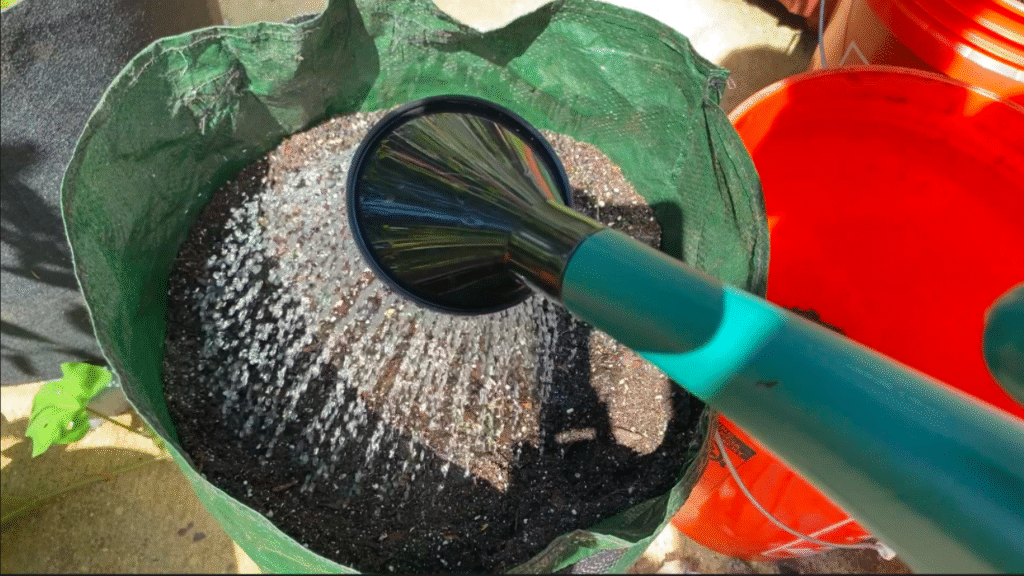
A good rule of thumb is to water deeply whenever the top inch of soil starts to feel dry. In containers, this may mean watering every day during hot weather, especially if you’re in a climate like Georgia where fall can still bring 80-degree days. Using a moisture meter can take the guesswork out and help you know when to water.
General Care Tips
- Thinning seedlings: Beets often sprout multiple seedlings from one seed cluster. Thin them early, leaving the strongest to develop into full-sized roots. The thinned greens can be eaten in salads or sautéed.
- Mulching: Adding a thin layer of mulch (like shredded leaves or straw) helps retain moisture and keeps soil temperatures cooler, which both crops appreciate.
- Fertilizing: Midway through growth, a side-dressing of balanced fertilizer or a light feeding of liquid seaweed can give plants a boost.
By staying on top of watering and thinning, you’ll set your beets up for strong roots and keep your bok choy tender and productive. A little consistency goes a long way toward a healthy harvest.
Harvest Expectations & Why Containers Work So Well
One of the most rewarding parts of growing beets is how quickly you start to see results. Even though the roots take a little time to mature, the leafy tops can be harvested early. Baby beet greens are ready in just 3 to 4 weeks, and mature greens can be cut once they reach 4–6 inches tall. The best part? Harvesting a few leaves won’t harm the plant—the roots will keep developing underneath.
For the roots themselves, most beet varieties are ready in about 50 to 70 days. You’ll know they’re close when the tops of the roots begin to push slightly above the soil surface. If you’re growing bok choy alongside them, you’ll be able to harvest outer leaves in as little as 30 days, giving you a steady supply of greens while the beets continue to grow.
Container gardening makes this process even more satisfying. With deep enough soil and consistent care, beets grow just as well in pots and grow bags as they do in the ground. Containers also make it easier to control soil quality and move crops if the weather changes. For small spaces, it’s one of the most efficient ways to enjoy fresh food from seed to harvest.
My Favorite Tools for Success
When I first started gardening, I thought all I needed was soil, seeds, and water. But over time, I’ve learned that having the right tools can make the process smoother, healthier for the plants, and a lot less frustrating for me. If you’re just starting out with growing beets from seed, here are a few of the products I’ve used and recommend:
- Fabric Grow Bags (10–15 gallon): These are my go-to for root crops like beets. They’re lightweight, easy to move, and provide excellent drainage. The breathable fabric also keeps the soil from compacting, which is key for root development.
- Dr. Earth 4-4-4 Fertilizer: A balanced organic fertilizer that works well for almost any crop. I mix a couple of tablespoons into the soil before planting and sometimes add a light feeding midway through the season.
- Bone Meal: Since beets are root vegetables, they benefit from phosphorus, which supports strong root growth. A tablespoon worked into the soil gives them exactly what they need.
- Worm Castings: I like adding a handful or two for the boost of beneficial microbes and slow-release nutrients. It also improves soil texture.
- Shade Cloth (40–50% UV): Fall in Georgia can still bring intense heat, and this shade cloth has been a lifesaver. It cuts the sun just enough to protect tender seedlings without blocking too much light.
With just these few tools, I’ve been able to create a setup that’s simple, low-maintenance, and perfect for small-space gardening. They take the guesswork out and help ensure that every seed I plant has the best chance of growing into something I can harvest.
Taking the Guesswork Out – My Planting Planner
When I first started gardening, one of my biggest struggles was figuring out what to plant and when. I can’t tell you how many times I bought seeds, only to realize I was either too early or too late for my growing zone. It was frustrating, and honestly, it made me feel like maybe I wasn’t cut out for gardening.
That’s why I eventually put together my own Monthly Planting Guide. It takes all the guesswork out by showing you exactly what you can start indoors, what you can direct sow outside, and which crops fit your season—based on your USDA zone. It’s the resource I wish I had when I started.
If you’re new to gardening, this planner is especially helpful. It gives you a clear path forward, so you’re not standing there with a seed packet wondering if you’re too late (or too early). And if you’re gardening in a small space, it helps you maximize every container or raised bed you have by planting the right crops at the right time.
You can grab the planner here. It’s been a game-changer for me, and I know it can help you feel more confident and prepared each season.
Conclusion
Growing beets from seed may feel intimidating at first, but it’s one of those crops that rewards you for simply giving it a try. With the right container, loose soil, and consistent care, you’ll be surprised at how straightforward it is to grow them—even if you’re working with a small balcony or a handful of grow bags.
For me, pairing beets with bok choy this season has been both a space-saving experiment and a way to get more out of my fall garden. The quick harvest from the bok choy greens keeps me encouraged, while the beets take their time underground, developing into something I can enjoy later in the season. It’s the perfect balance of patience and reward.
If you’re on the fence about adding beets to your garden, I encourage you to go for it. Start small, use the steps I shared, and watch how quickly your confidence grows along with your plants. And if you’d like even more guidance on what to plant each month in your zone, don’t forget to grab my Monthly Planting Guide—it’s designed to take the guesswork out and make gardening feel simple and doable.
*This post contains affiliate links, which means I may earn a commission at no extra cost to you.