Skip to content
When I first started gardening, I thought I needed to buy every gadget and fancy tool out there to be successful. I was convinced that without expensive equipment, I wouldn’t be able to grow much—especially since I didn’t have a big backyard to work with. But over time, I learned something that completely changed the way I garden: sometimes the simplest gardening hacks are the ones that make the biggest difference.
These hacks don’t require much money, they don’t require a lot of space, and they don’t require years of experience. In fact, most of the tips I use now came from trial and error in my own small-space container garden. Along the way, I discovered that creativity, consistency, and a little bit of resourcefulness can take you much further than spending a fortune on supplies. That’s why I’m so excited to share the hacks that have helped me and can help you, too.
In this post, we’re going to dive into some of my favorite gardening hacks for beginners—the very same ones that have carried me through different seasons of planting and harvesting. These are tricks you can try whether you’re growing vegetables in containers on your balcony, herbs on a sunny windowsill, or a handful of crops in raised beds. They’re also gardening hacks for small spaces, perfect for anyone who wants to make the most out of limited square footage.
Some of the hacks I’ll share are born from necessity, like using kitchen scraps to feed the soil or turning everyday containers into seed-starting trays. Others came from wanting to save time and energy—like finding budget-friendly ways to support plants or deter pests without harsh chemicals. And a few are experiments I’ve tried after hearing about them from other gardeners, just to see if they really worked.
What I’ve learned is that gardening doesn’t have to be complicated to be rewarding. These simple strategies can help you save money, prevent common problems, and boost your harvests—no matter how much space you have or how new you are to growing your own food. So grab a notebook, get ready to experiment, and let’s explore these small but mighty gardening hacks together.
Why Gardening Hacks Matter
When I think back to when I first started gardening, I remember how overwhelming it felt. There were so many things to figure out—soil, watering schedules, sunlight, fertilizers—and it all seemed complicated. On top of that, gardening supplies weren’t always cheap, and since I didn’t have much space to begin with, I often wondered if it was even worth trying.
That’s when I began leaning into small, practical solutions. Instead of buying every new tool I saw, I started experimenting with what I already had around the house. I saved kitchen scraps, repurposed containers, and looked for inexpensive ways to protect and support my plants. What I found is that these little adjustments not only saved me money, but they also taught me to be more creative and pay closer attention to what my plants actually needed.
The truth is, gardening doesn’t have to be complicated or expensive. Sometimes the most effective solutions are the simplest ones. These clever approaches help you stretch your resources further, cut down on waste, and make the process more enjoyable. If you’re growing in a small space, they can also help you get the most out of every container, corner, or raised bed.
For beginners, these kinds of tricks are especially valuable. They take away the pressure of “getting everything right” from the start and replace it with a sense of curiosity and experimentation. Instead of worrying about what you don’t have, you learn to make the most of what you do have—and that mindset carries over into every season of gardening.
That’s why I believe these little time-saving, space-saving, and budget-friendly ideas matter so much. They remind us that gardening isn’t about perfection—it’s about growth, both in our plants and in ourselves.
Hack #1 – Eggshell Powder for a Calcium Boost
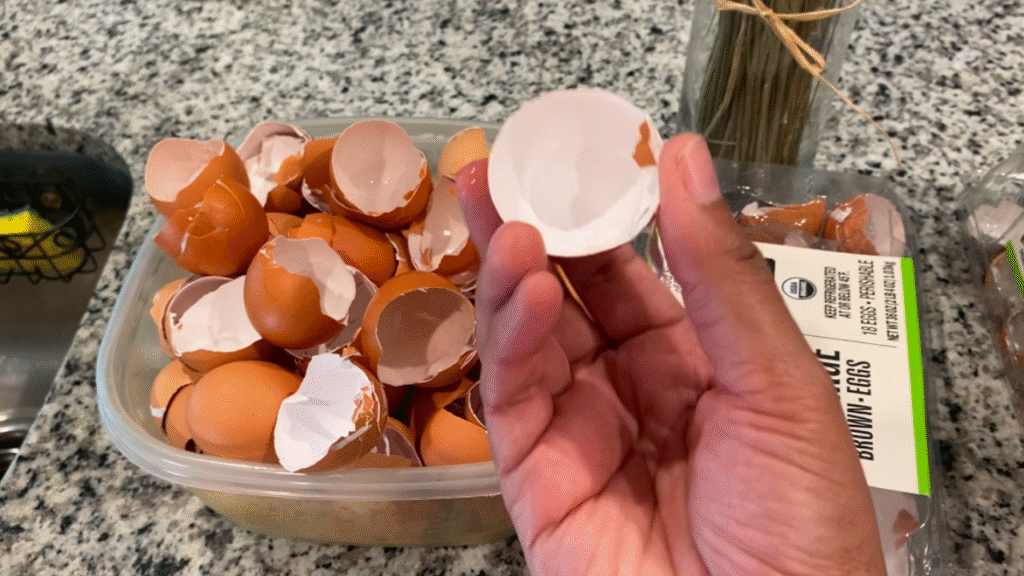
If you ever visit my kitchen, don’t be surprised if you find a container full of eggshells sitting in the fridge. My family teases me about it all the time. To them, it looks a little strange—like I forgot to clean up after breakfast. But for me, those shells are gardening gold. Out of all the little tricks I’ve learned, turning eggshells into powder has become one of my favorite ways to give my plants a natural boost.
Why eggshells?
Eggshells are made up mostly of calcium carbonate, which is the same compound that makes up limestone. Calcium plays an important role in plant health. It strengthens cell walls, supports root development, and helps prevent a common issue many gardeners dread: blossom end rot. If you’ve ever seen a tomato or pepper with a dark, sunken patch on the bottom, that’s blossom end rot, and it often happens when plants can’t get enough calcium.
By adding ground-up eggshells to the soil, you’re recycling something that would otherwise be thrown away and putting it to work in your garden. It’s a natural, budget-friendly way to enrich your soil without having to buy special additives.
How to make eggshell powder
The process couldn’t be simpler:
- Save your shells. I usually keep a container in the fridge and add to it each time I cook with eggs.
- Dry them out. You can leave them on the counter for a day or pop them in the oven at a low temperature to remove moisture.
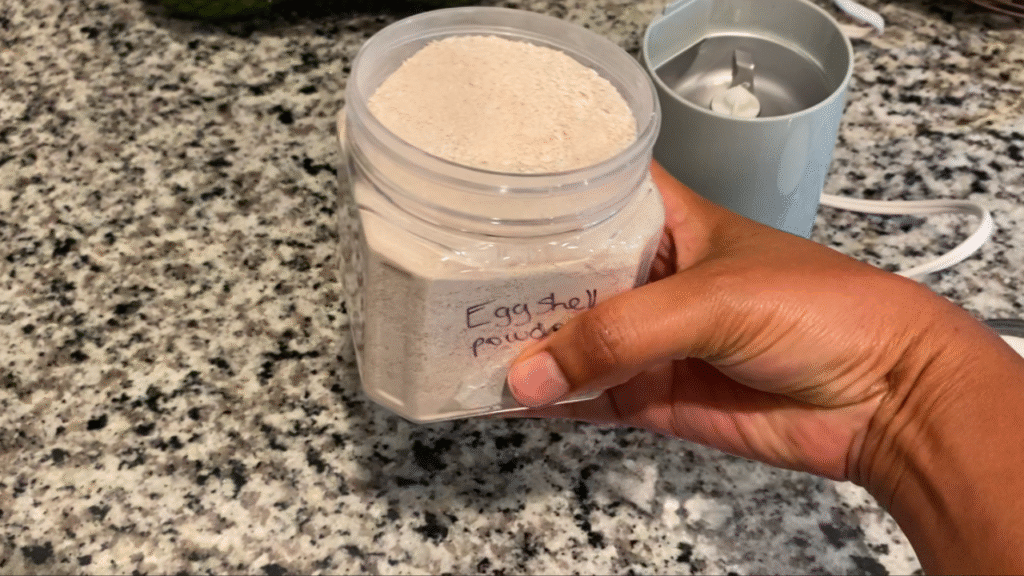
- Grind them up. A coffee grinder, blender, or even a mortar and pestle works. The goal is to get the shells into a fine powder so they break down faster in the soil.
Once you have your powder, you can sprinkle it directly into the soil, mix it into your compost, or even add it when transplanting seedlings.
When and where to use it
Eggshell powder works especially well for crops that are heavy feeders or prone to calcium deficiency—like tomatoes, peppers, and eggplants. I like to add a handful to each planting hole when setting out seedlings in the garden. You can also top-dress around established plants by gently working it into the soil surface.
A beginner-friendly habit
One of the best parts of this hack is how easy it is to build into your daily routine. If you’re just starting out, it can feel intimidating to think about fertilizers and nutrients, but saving eggshells is as simple as rinsing them after breakfast and setting them aside. Over time, those little actions add up to a free, homemade soil amendment that really does make a difference.
This hack reminds me that gardening isn’t always about what you buy, but about how you use what you already have. Something as ordinary as an eggshell can become a powerful tool in helping your plants thrive. And when you start to see stronger roots and healthier tomatoes, you’ll realize that the “crazy” habit of saving shells is actually one of the smartest moves you can make in your garden.
Hack #2 – Plastic Bottle Greenhouse
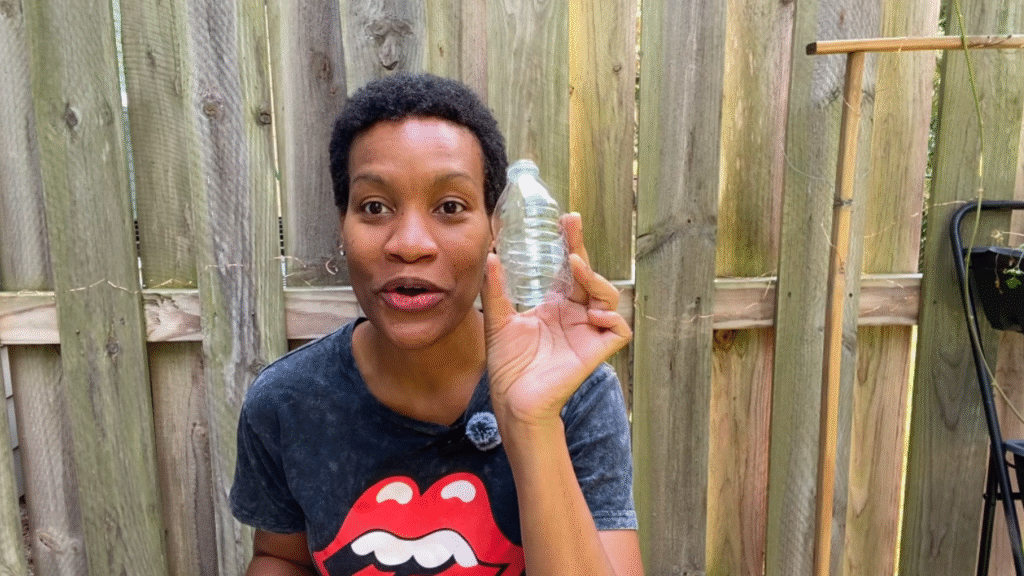
One of the most useful tricks I’ve picked up over the years involves something almost everyone has lying around: plastic bottles. Instead of tossing them into the recycling bin right away, I turn them into little greenhouses for my garden. It’s a simple, low-cost way to protect young plants and help seeds germinate—especially when the weather is unpredictable.
Why mini greenhouses work
A greenhouse works by trapping heat and moisture, creating a more stable environment for plants to grow. When you scale that idea down to a single bottle, you get the same effect on a smaller scale. The plastic top shields seedlings from wind, helps keep the soil warm, and prevents the surface from drying out too quickly. For small-space or container gardeners, it’s a game-changer because you don’t need a full-size greenhouse setup to enjoy the benefits.
How I use bottles in my garden
I like to cut bottles in half and use the top portion as a dome to cover freshly planted seeds. Instead of starting my plants inside the bottle and later transplanting them, I sow seeds directly where they’ll grow and then cover the spot with the bottle top. That way, there’s no need to disturb the roots by moving them later. When the seedlings are strong enough and the weather improves, I simply remove the cover.
Another option is to use the bottom half of the bottle. By poking holes in it for drainage, you can flip it upside down and set it over young plants for extra protection. Both methods help insulate seedlings during the cooler months and shield them from sudden dips in temperature.
A beginner-friendly project
This hack is perfect if you’re just starting out. You don’t need special equipment, and it’s a great way to repurpose something that would otherwise go to waste. You can even experiment with different bottle sizes depending on the plant. Larger bottles work well for crops like tomatoes, while smaller ones are great for herbs or greens.
Why I keep using it
I usually start winter sowing in January or February, and these little bottle greenhouses have saved me time and effort year after year. They make it easier to grow directly in containers without worrying about when the weather will cooperate. Plus, there’s something satisfying about seeing a tiny seedling thrive under a simple plastic dome you made yourself.
So before you toss your next empty water or soda bottle, consider giving it a second life in the garden. That clear piece of plastic could become the difference between fragile seedlings and strong, healthy plants.
Hack #3 – Egg Cartons & Muffin Containers as Seed Starters
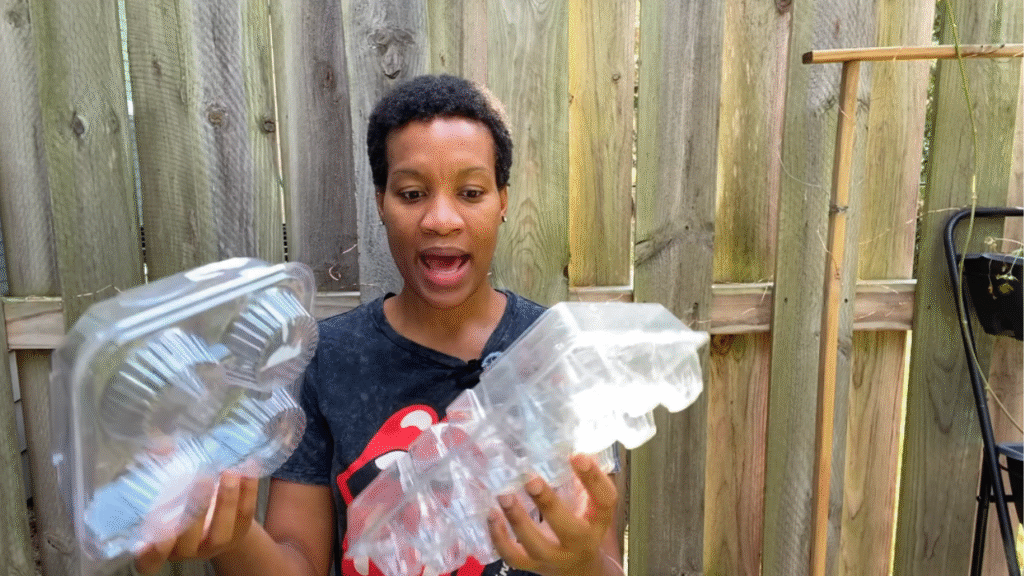
If you’ve been gardening for a little while, you’ve probably noticed how quickly the cost of seed-starting supplies can add up. Trays, pots, domes—it all looks tempting in the gardening aisle, but you don’t always need to spend money to start seeds successfully. Some of my favorite alternatives come right out of my kitchen: egg cartons and muffin containers.
Why everyday containers work so well
The concept is simple: seeds need soil, water, light, and a little bit of protection while they sprout. You don’t have to use fancy trays to provide that. Everyday items like egg cartons and muffin tins are already divided into perfect little pockets that can hold soil and give each seed its own space to grow. They’re small, lightweight, and easy to move around—ideal for gardeners who are working with limited space.
The egg carton seed starter
Last year, I grew beets and celery in a plastic egg carton, and it worked surprisingly well. Here’s how I set it up:
- Take a clean egg carton (cardboard or plastic both work).
- Poke a drainage hole in the bottom of each cup.
- Fill each section with soil.
- Place one seed per pocket.
- Close the lid lightly to create a mini greenhouse effect.
It’s simple, effective, and free. The egg carton seed starter is especially great for beginners because it doesn’t feel intimidating—you’re just reusing something that would otherwise be thrown away.
Trying muffin containers
This season, I decided to experiment with muffin containers. I like them because the compartments are a little deeper and wider, giving seedlings more room to establish their roots. The process is the same: add holes, fill with soil, and plant one seed per cup. Then, place the lid loosely on top to allow air circulation while still keeping in moisture.
A small-space advantage
If you’re gardening on a balcony, patio, or windowsill, these DIY seed-starting containers save both money and space. You can stack them, move them easily, and when the seedlings are ready, transplanting is simple. For cardboard cartons, you can even cut apart each cup and plant it directly into the soil, reducing transplant shock.
Why I recommend this hack
Seed-starting doesn’t need to feel like a big investment. Using something as ordinary as an egg carton or muffin tray reminds me that gardening is about resourcefulness and creativity. Plus, it’s rewarding to see healthy seedlings sprout in containers that cost nothing at all.
So next time you finish a dozen eggs or empty a muffin tray, don’t toss the container—turn it into a garden project instead. You might just find that your best seedlings grow out of the most unexpected places.
Hack #4 – Bamboo Skewers as Plant Support & Row Cover Frames
When people think about plant supports, they usually picture tall trellises, wooden stakes, or fancy cages from the garden center. But one of the most effective supports I’ve used in my container garden doesn’t come from the gardening aisle at all—it comes from the kitchen section. Bamboo skewers, the kind you’d normally use for grilling kabobs, have become a surprisingly reliable tool in my small-space garden.
Why bamboo skewers work so well
Bamboo is lightweight but sturdy, making it a natural choice for holding up smaller plants like bush beans, peppers, or young tomato seedlings. Because skewers are slim, they fit easily into containers and don’t take up valuable growing space. Best of all, they’re inexpensive—I bought a whole pack for just over a dollar, and I’ve been reusing them season after season.
Supporting plants in small spaces
In a container garden, plants can sometimes lean or flop over more easily because the soil is lighter and the root space is smaller. That’s where bamboo skewers come in. I simply stick a skewer into the soil right next to the plant and use soft ties, twine, or even strips of old fabric to gently secure the stem. It keeps the plant upright, prevents breakage, and helps it grow stronger.
I used this trick a lot with my bush beans. Instead of sprawling outward or bending under their own weight, the skewers gave them just enough support to keep growing tall and healthy. It’s such a small adjustment, but it makes a big difference in how tidy and productive the garden feels.
Using skewers with row covers
Beyond plant support, bamboo skewers are also excellent for creating a simple frame for row covers in containers. In my fall garden, pests like cabbage worms and beetles were causing serious damage to my brassicas. I bought lightweight row cover fabric to protect them, but since my plants were in containers, I had to figure out a way to prop the fabric up without crushing the leaves.
My solution? Stick a few bamboo skewers around the edges of the pot and drape the row cover over them. The skewers lift the fabric just high enough so it doesn’t rest directly on the plants. This creates a protective tent that keeps pests out while still allowing air, water, and sunlight to reach the plants. It’s a quick, low-cost fix that works especially well if your plants aren’t too tall yet.
Budget-friendly and reusable
One of my favorite things about this hack is how budget-friendly it is. A single pack of skewers can last through multiple seasons if you take care of them. I rinse mine off at the end of the season and store them away for next year. Unlike bulky plant supports, they take up almost no space when stored.
Why I love this hack
For me, bamboo skewers symbolize the creative side of gardening. You don’t always need elaborate setups or expensive tools—sometimes the best solutions are the simplest. They’ve helped me keep my plants healthier, protect them from pests, and make the most of my small growing space.
If you’re gardening in containers or on a tight budget, I highly recommend giving bamboo skewers a try. They may look humble, but once you see how well they work, you’ll never look at them the same way again.
Hack #5 – Epsom Salt for Magnesium
If you’ve ever walked through the health aisle at a store, you’ve probably seen bags of Epsom salt labeled for soaking sore muscles or relaxing baths. What you might not know is that this same product can also play a role in your garden. I always keep a bag on hand—not just for myself, but for my plants too. Used carefully, it can give them a helpful boost, especially during certain stages of growth.
Why magnesium matters for plants
Epsom salt is made up of magnesium sulfate. Magnesium is an essential nutrient for plants because it’s part of chlorophyll, the compound that makes leaves green and allows plants to capture sunlight for photosynthesis. Without enough magnesium, plants can struggle to produce energy, leading to yellowing leaves and reduced growth. Sulfur, the other component, is also important for producing proteins and vitamins in plants.
This is why gardeners often reach for Epsom salt when they notice yellowing leaves or want to encourage flowering and fruiting. A small dose can make a visible difference, particularly for plants like tomatoes, peppers, and roses that have higher magnesium needs.
How I use Epsom salt in my garden
My go-to method is to dissolve about one tablespoon of Epsom salt into a gallon of water and use it as a soil drench once a month. I pour it around the base of the plant so it soaks into the root zone. Some gardeners also use it as a foliar spray by mixing it with water in a spray bottle and misting the leaves, which allows the magnesium to be absorbed more quickly.
I’ve found this hack especially helpful during the flowering stage, when plants need extra nutrients to produce healthy blooms and fruit. It can also give struggling plants a little boost of green if they’re looking pale.
A word of caution
As useful as Epsom salt can be, it’s not a cure-all. Not every yellow leaf means your plant is magnesium-deficient. Sometimes yellowing is caused by overwatering, lack of nitrogen, or even disease—and in those cases, adding Epsom salt won’t help. In fact, using too much can throw off the balance of other nutrients in your soil, making things worse instead of better.
That’s why I recommend using it sparingly, almost like a supplement. Think of it as something you reach for when your plants show signs of magnesium deficiency, not as a replacement for regular soil health practices. Healthy soil, compost, and balanced fertilizer should still be the foundation of your garden.
Why I like this hack
What I love about this tip is how accessible it is. A bag of Epsom salt is inexpensive, easy to find, and has multiple uses beyond the garden. For beginners, it’s a great way to learn about plant nutrition without feeling overwhelmed. And for small-space gardeners like me, it’s nice to have a lightweight, multipurpose product that doesn’t take up much room in storage.
At the end of the day, Epsom salt is just one more tool in the toolbox—a simple, affordable way to give your plants a boost when they need it most. Used wisely, it can help keep your garden looking greener, healthier, and more productive.
Hack #6 – Citrus Peel Pest Deterrent
Every gardener eventually faces the frustration of pests. In my case, slugs and snails love to make themselves at home in my containers. I see them almost daily, sliming their way across the soil or nibbling at tender leaves. Up until recently, my usual response was to brush them off and hope they didn’t come back the next day. Then I came across a tip that made me pause: using citrus peels as a natural pest deterrent.
Why citrus peels work
Citrus fruits like lemons, limes, and oranges have a strong scent and high acidity. Many garden pests, especially soft-bodied ones like slugs and snails, don’t like crawling over or near them. By placing citrus peels around the base of your plants, you can create a simple barrier that helps discourage these pests from hanging around. It’s an eco-friendly alternative to chemical repellents and makes use of something you’d normally toss in the compost bin.
How I’m trying it in my garden
I drink lime water almost every day, so I always have leftover peels. Instead of throwing them straight into the compost, I’ve started placing them directly on top of the soil around my plants. It’s a low-effort experiment: no mixing, no spraying—just peel, place, and observe.
So far, I’ve noticed fewer snails lingering near the containers where I’ve laid down peels. It’s not a magic bullet, but it does seem to make a difference. Plus, it feels satisfying to repurpose kitchen scraps into something useful right away.
Tips for beginners
If you want to try this hack, here are a few simple pointers:
- Use fresh peels. The scent is strongest when the peel is fresh, so replace them regularly.
- Don’t bury them. Keep them on the soil surface rather than mixing them in, since the goal is pest deterrence, not composting.
- Combine with other methods. Citrus peels can help, but they’re most effective when used alongside other pest management strategies like row covers or hand-picking.
Why I like this hack
What excites me most about this idea is how simple and accessible it is. No extra cost, no extra effort—just reusing what’s already in the kitchen. It’s also a beginner-friendly way to experiment with natural pest control. You don’t have to commit to big changes or special products; you can just sprinkle some peels and see if it makes a difference.
Gardening, to me, is about curiosity and small experiments. Trying out citrus peels as a pest deterrent is one of those little steps that might not solve every problem, but it adds another tool to the gardener’s toolbox. And honestly, it feels good knowing I’m finding creative ways to protect my plants while keeping my garden chemical-free.
Bonus Hacks & Everyday Adjustments
The fun thing about gardening is that once you start noticing little tricks that work, you realize there are dozens more waiting to be discovered. Not every hack has to be a big, game-changing idea—sometimes it’s the smaller, everyday adjustments that make gardening smoother and more enjoyable.
For example, I’ve learned to make the most of kitchen scraps beyond just eggshells and citrus peels. Banana peels, when chopped up and added to the soil, give plants a gentle boost of potassium. Coffee grounds, sprinkled lightly, can help improve soil texture and provide a touch of nitrogen. Even something as simple as saving cooking water (after boiling vegetables or pasta) and letting it cool before pouring it onto the garden adds a few extra nutrients back into the soil.
Another small habit I’ve adopted is cutting row covers to the exact size of my containers. This way, I can easily drape them over plants without fussing with oversized fabric or worrying about wind blowing them away. Paired with bamboo skewers, this trick has saved several of my crops from being eaten down to stubs.
Succession planting is another “hack” that’s less about what you use and more about how you plan. By staggering plantings every few weeks, even in small containers, you can keep a steady harvest going instead of getting all your veggies at once. It’s one of those adjustments that feels small but makes a huge difference in keeping the garden productive all season long.
These little hacks don’t take much time or effort, but they add up. They remind me that gardening is really a collection of small, thoughtful choices. Each one helps you make the most of your space, your resources, and your harvest—without feeling overwhelming.
Tools & Resources for New Gardeners
As much as I love experimenting with little tricks, I’ve also learned that gardening becomes a lot easier when you have some kind of guide to keep you on track. Hacks are great for saving time and solving problems, but having resources you can lean on for planning and organization really helps everything come together.
When I was just starting out, one of the hardest parts wasn’t figuring out how to save money or reuse containers—it was knowing what to plant and when. Timing matters so much in gardening. Planting too early can leave seedlings vulnerable to cold weather, while planting too late can shorten your harvest window. That’s why I started creating my own system to keep track of which crops to start indoors, which ones to direct sow outside, and how to make the most of each season.
Over time, this turned into my zone-based Monthly Planting Guide, which I now use and share with other gardeners. It breaks things down month by month so you don’t have to second-guess yourself. For beginners, it’s a huge confidence boost to have a clear guide that takes away the guesswork. For small-space gardeners, it helps maximize every pot and container by showing what can grow at different times of the year.
Of course, a planner isn’t the only tool worth having. Even a simple notebook to jot down what you planted, when you watered, or what hack you tried can be incredibly valuable. Looking back at notes from previous seasons is one of the best ways to learn what works and what doesn’t in your unique space.
At the end of the day, resources like planners, journals, and even communities of fellow gardeners are about support. They keep you from feeling like you’re figuring it all out alone—and that makes the journey so much more enjoyable.
You can watch video version of this post on my Youtube Channel.