Skip to content
When I first decided to try a neem oil spray for plants, it wasn’t out of curiosity. Nope, it was out of desperation. Fall had just settled in, and with it came a wave of hungry caterpillars that turned my brassica garden into their personal buffet. One of my cabbages had finally begun forming a head when I discovered it completely eaten through by a massive caterpillar. Every night, I found myself out in the dark with a flashlight, handpicking pests off my plants like a determined detective.
I wanted a solution that was safe, natural, and gentle on my garden. The last time I tried a homemade spray using hydrogen peroxide, it ended in disaster. My cucumber, bush bean, and watermelon leaves were scorched beyond recovery. So, when I reached for the neem and peppermint oil blend, I was both hesitant and hopeful. I wasn’t sure if it would actually work or if I’d wake up to more damaged leaves. What I didn’t expect was how much of a difference it would make. Within a couple of weeks, the leaves were healthy, the pests were fewer, and my faith in gentle, organic pest control had been restored.
Why I Decided to Try Neem Oil Spray for Plants
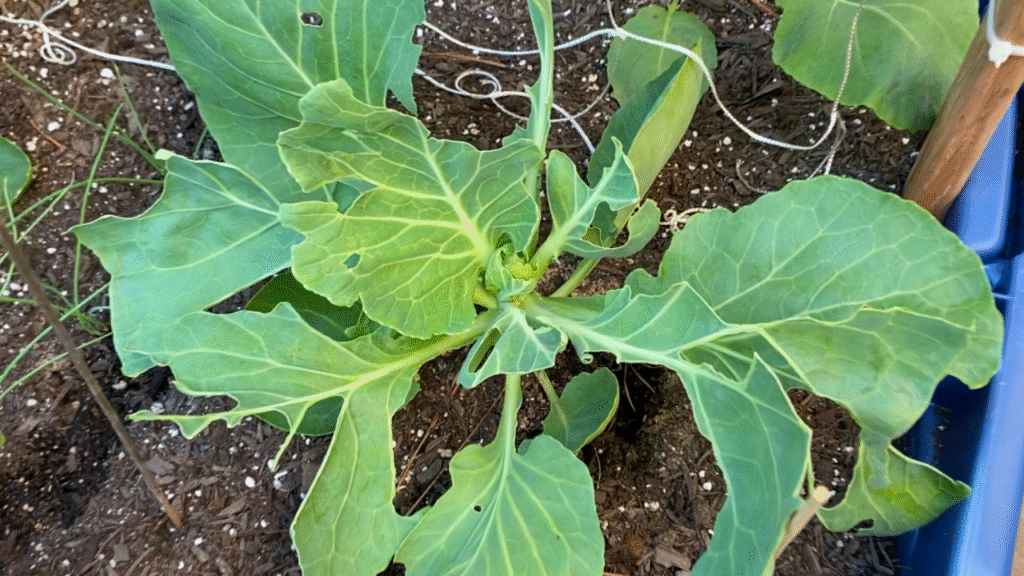
When I finally decided to give it a chance, it wasn’t because I wanted to try something new. It was because I was running out of options. By mid-fall, my garden looked like a battlefield. The brassicas that had been growing so beautifully (my kale, collards, and cabbages) were suddenly filled with holes. I’d find caterpillars hiding under the leaves, feasting in secret, and the damage was heartbreaking. Handpicking them at night helped a little, but it wasn’t enough. I needed something that could protect my plants without harming them.
That’s when I came across a ready-to-use blend that combined neem oil and peppermint oil, and it immediately caught my attention. The idea of using something both natural and aromatic appealed to me. Neem oil, extracted from the seeds of the neem tree, has long been used as an organic pest deterrent, while peppermint oil is known to repel certain insects with its strong scent. Together, they seemed like a promising solution.
What really made me try it, though, was how safe it claimed to be for edible plants. After my last experience with a homemade hydrogen peroxide spray that burned my cucumber, bush bean, and watermelon leaves, I was nervous to use anything new. But knowing this formula was plant-based, organic, and already pre-mixed gave me enough confidence to test it out on my struggling cabbage bed. It felt like a small leap of faith. One that I hoped would finally bring peace back to my garden.
My First Application: Hesitation, Hope, and a Little Fear
The first time I reached for that neem oil spray for plants, I’ll be honest, I hesitated. My last experience with a homemade mix had me walking on eggshells around anything labeled “spray.” I still remembered the sight of my cucumber and bush bean leaves turning white and brittle after using a hydrogen peroxide mixture I thought was gentle enough. It took weeks for my garden to recover from that mistake, and I wasn’t eager to relive it.
But when I looked at the state of my brassicas, especially my poor cabbage whose head had already been half-eaten by a caterpillar, I knew I couldn’t wait any longer. So, one evening just as the sun began to set, I filled my sprayer, gave it a good shake, and started lightly misting the leaves. The scent of neem mixed with peppermint filled the air. To my surprise, it wasn’t harsh or overpowering at all. It had a clean, earthy smell with a subtle mint note that made my garden feel fresh instead of chemical-laden.
I made sure to spray under the leaves, where I knew those pests liked to hide. I kept the coverage light, careful not to drench the plants, and worked my way through each container while the sky turned from orange to pink. That first night, I kept glancing back, half-expecting to see signs of leaf damage by morning. But when I stepped outside the next day, my plants looked perfectly fine. There were no burns, no wilting, just the same healthy green leaves glistening faintly from the spray.
It was a small relief, but it gave me the confidence to keep going. I promised myself I’d stick with a weekly schedule, always spraying either early in the morning or at sunset, and keeping a close eye on how my plants responded. That’s when I started noticing subtle changes that told me something good was happening in the garden.
The Results After a Few Weeks
After using the neem oil spray for plants consistently for three weeks, I finally started to see the kind of results that gave me hope. The first week, the pest activity began to slow down, not completely gone, but noticeably less. I wasn’t finding nearly as many caterpillars when I checked at night, and the newer leaves on my cabbages and kale were coming in clean and whole. By the second week, I started to feel confident enough to expand and spray a few other containers, including my collards and arugula, just to see if I’d get the same outcome.
The biggest change I noticed was how healthy the leaves looked. Instead of the dull, tired texture I had grown used to during pest season, my plants had this subtle sheen after each spray. It was as if they were thriving again. It wasn’t just the appearance, though; there was real progress. The caterpillar damage stopped spreading, and the plants began producing fresh, undisturbed growth.
By the third week, I could confidently say that the neem and peppermint blend was making a difference. It didn’t harm my plants, the scent was mild and pleasant, and it provided a steady level of protection without any harsh side effects. I hadn’t expected an overnight miracle, but seeing consistent improvement week after week proved that gentle, natural pest control really can work if you stay consistent and apply it the right way.
Comparing Neem Oil Spray to My Homemade Mix
Before finding out about the neem oil spray for plants, I was convinced I could solve my pest problems with something homemade. I mixed up a light solution of food-grade hydrogen peroxide, added water, and thought I’d created the perfect organic spray. It seemed harmless enough, until the next morning. My cucumber leaves had turned pale and spotted, my bush beans were speckled with white burns, and my watermelon vines looked like they had been bleached in the sun. I remember feeling so disappointed because my goal was to help my plants, not hurt them.
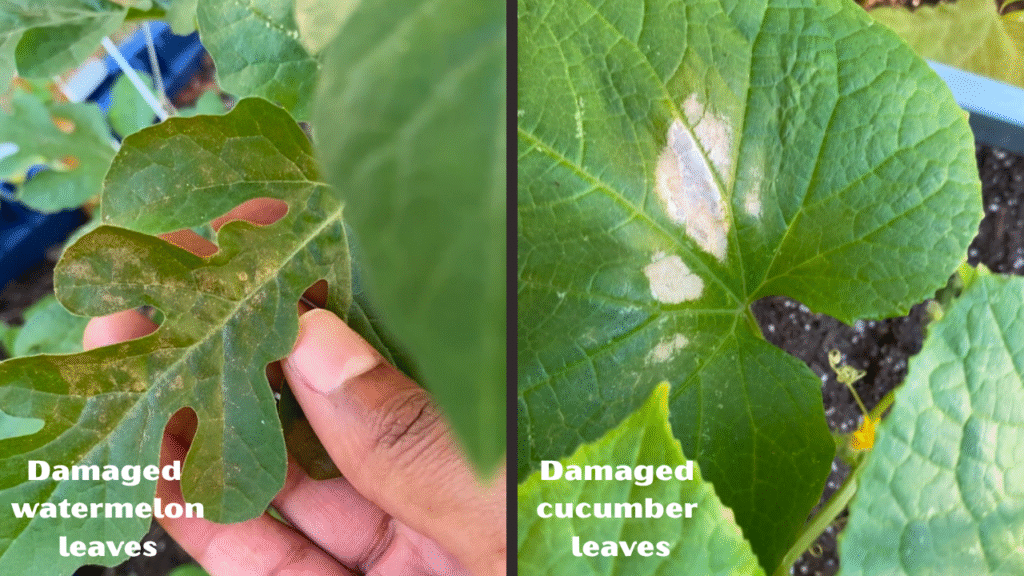
That experience made me hesitant to try anything new, especially sprays. So, when I started using the neem and peppermint oil blend, I watched my plants closely, expecting the worst. But the results couldn’t have been more different. Not only did the neem oil spray leave the leaves looking healthy and vibrant, but it also created a soft gloss that made the plants appear stronger. There was no burning, no discoloration, and no sign of stress on the foliage.
The biggest difference was how gentle the neem spray felt compared to my DIY mix. It worked slowly and naturally, building protection over time instead of shocking the plants. While the homemade hydrogen peroxide solution damaged my garden almost overnight, the neem spray restored it little by little. That contrast taught me a valuable lesson. Sometimes the simplest, pre-formulated solutions are worth trusting, especially when they’re plant-based and made for organic gardens like mine.
How to Use Neem Oil on Plants
After seeing real results, I realized that learning exactly how to use neem oil on plants makes all the difference. Even though it’s gentle, neem oil still needs to be applied the right way to protect your plants and avoid any leaf damage. The good news is that it’s simple once you know the steps.
I start by spraying either early in the morning or right at sunset. That timing is important because the sun can intensify anything on the leaves and cause burns, even with natural sprays. Evening applications also give the neem time to work overnight when pests are most active. Before spraying, I always shake the bottle well to make sure the neem oil and peppermint oil are evenly mixed. Then I lightly mist the leaves, focusing on the undersides where most pests like to hide. You don’t want to soak the plant. Just a fine, even coating is enough.
Another key to success is consistency. I spray my garden once a week during pest season, adjusting only if I see an increase in activity. Within a few weeks, I noticed how the leaves looked more vibrant, and the chewing damage almost stopped. Neem oil works by interrupting the pest’s feeding and life cycle, so it takes steady use to see lasting results.
I also rinse off the foliage every couple of weeks with plain water to remove dust and buildup. This keeps the leaves breathing easily and the neem working effectively. Once you understand how to use it the right way, it becomes one of the easiest, safest habits to keep your garden thriving all season long.
The Best Neem Oil for Plants: What’s Worked in My Garden
After testing different sprays, I’ve learned that not all neem oil products perform the same. Some are pre-mixed and ready to use, while others come in concentrated form so you can adjust the strength depending on your plants’ needs. Finding the best neem oil for plants really depends on your gardening style, the size of your space, and how much control you want over the ingredients.
When I first started using neem oil, I chose a ready-to-use blend that combined neem and peppermint oil because it felt simple and safe. That product gave me the confidence to keep using natural pest control and taught me what to look for in a good formulation- organic ingredients, fine mist application, and a formula that doesn’t burn tender leaves. Since then, I’ve discovered a few others that work beautifully for different types of gardens and pest problems.
Below, I’ve listed several neem oil options that I’ve either used personally or would confidently recommend based on their ingredients, ease of use, reviews, and overall effectiveness. Whether you’re looking for a gentle spray for container plants or a powerful concentrate for larger garden beds, these are excellent starting points for creating a healthier, more pest-resistant garden naturally.
#1. Neem Oil Spray for Plants with Peppermint Oil

#2. Bonide Captain Jack’s Neem Max

#3. Big Leaf Energy (16 FL OZ) Organic Neem Oil Spray for Plants

#4. Nani’s Neem and Peppermint Oil Spray

DIY Neem Oil Spray for Plants
After seeing how well the store-bought blend worked, I wanted to try making my own DIY neem oil spray at home. There’s something rewarding about mixing your own natural solution, especially when you can control every ingredient that goes on your food crops. Neem oil on its own is incredibly versatile, and with a few simple additions, you can create an effective spray that protects your plants while keeping your garden completely organic.
Here’s a simple recipe that I now use whenever I want to make my own batch:
- 1 quart of warm water
- 1 teaspoon of pure cold-pressed neem oil
- ½ teaspoon of mild liquid soap (this helps the oil mix evenly with the water)
To make it, mix the soap and water first, then slowly add the neem oil while stirring or shaking the bottle gently. Always shake well before each use to make sure the oil hasn’t separated. Apply it the same way you would with any other spray, early in the morning or right before sunset to avoid sunlight damage.
I like to test my DIY sprays on a small section of the plant first, especially after my previous experience with hydrogen peroxide. Once I see that the leaves handle it well, I move on to the rest of the garden. The great thing about this DIY is that it’s affordable, natural, and adaptable. You can adjust the ratios slightly depending on how sensitive your plants are or how heavy the pest activity is.
It’s a gentle yet effective way to take back control of your garden without relying on harsh chemicals.
Take the Guesswork Out of Your Garden
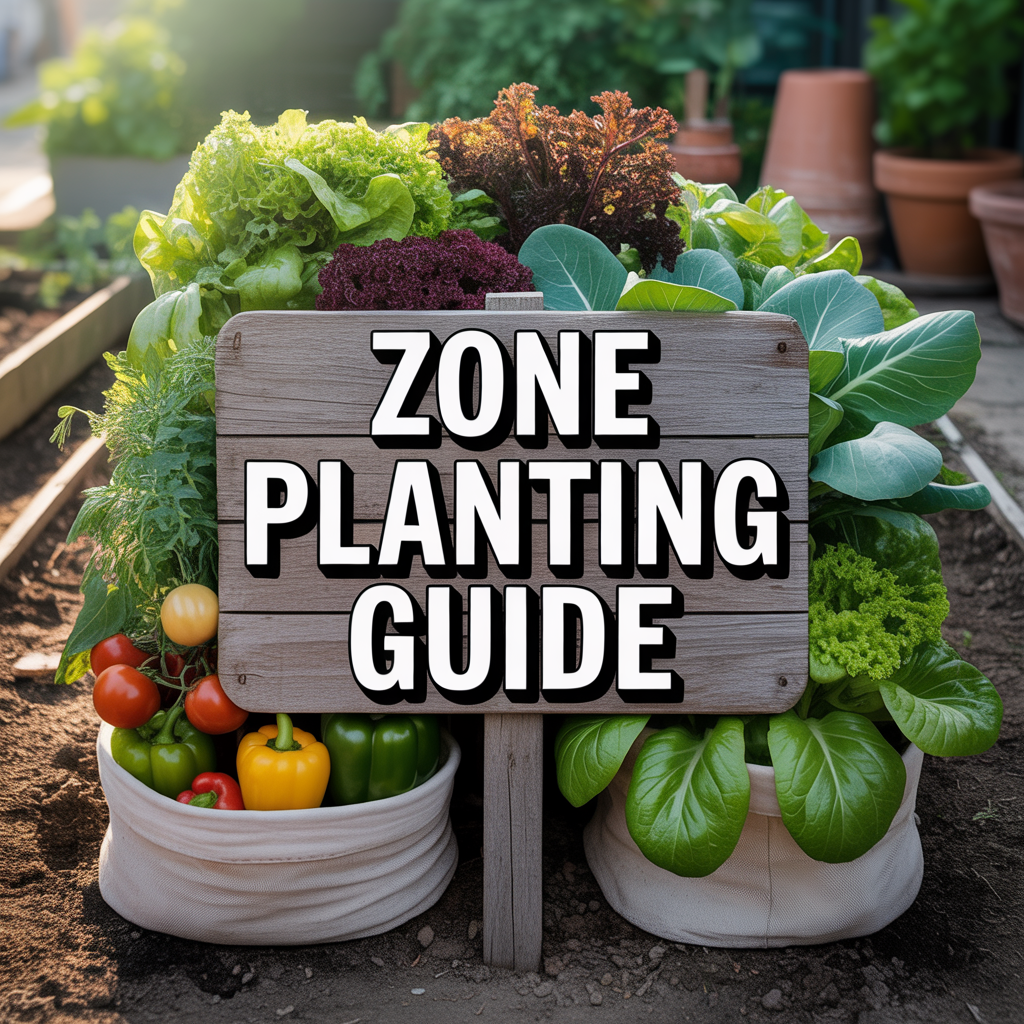
One of the biggest lessons I’ve learned from gardening (especially after all the trial and error with sprays, fertilizers, and timing), is that success comes down to consistency and knowing what to do when. I used to spend hours researching what to plant each month, only to find conflicting information. Every source seemed to say something different, and I’d end up second-guessing myself. That’s why I created my Monthly Planting Guide, to simplify that entire process and take the guesswork out of gardening for good.
The guide shows you exactly what to start indoors and what to direct sow outdoors every single month based on your growing zone. No more wondering if you’re too early to start your tomatoes or too late for kale. It’s laid out clearly and easy to follow, so you can plan ahead with confidence. Whether you’re working with containers, raised beds, or small garden spaces, this guide helps you stay on track all year long, from seed starting to harvest.
It’s the same system I use to plan my fall garden and stay consistent with my pest treatments, including when I use my neem oil spray for plants. If you’ve ever felt overwhelmed trying to figure out your garden schedule, this guide was made for you. It keeps your garden organized, seasonal, and growing strong, month after month.
Conclusion: A Little Patience Goes a Long Way
If there’s one thing this experience has taught me, it’s that the garden rewards patience and observation. When I first reached for that bottle of neem oil spray for plants, I was skeptical, still remembering the damage from my failed DIY mix. But week by week, I watched my brassicas recover, the pest activity slow down, and the leaves return to a healthy shine. It reminded me that small, consistent actions often make the biggest difference.
Gardening will always come with challenges (pests, timing, weather) but those moments are what help you grow into a better gardener. Every season brings new lessons, and the key is knowing how to adjust without losing heart. That’s why having tools like my Monthly Planting Guide matters so much. It helps you plan with purpose, stay organized, and approach each new month with confidence about what to start indoors and what to direct sow in your zone.
No matter where you are in your gardening journey, remember this: progress in the garden doesn’t happen overnight. It happens with care, consistency, and the willingness to keep showing up, season after season.
*This post contains affiliate links, which means I may earn a small commission if you make a purchase through one of them, at no extra cost to you.