Skip to content
Every growing season has its closing chapter, and for me, that moment came when I started taking down my tomato plants. After months of watering, pruning, and watching those vines climb, it was finally time to say goodbye to summer and make space for my fall crops. But as I began clearing the containers, I noticed something. A bowl full of green tomatoes that hadn’t quite ripened yet. I didn’t want to waste them, so I started wondering how to ripen green tomatoes indoors without losing flavor or freshness.
It turns out, you don’t have to leave those green tomatoes behind when the season ends. With a few simple tricks, you can help them ripen right inside your home, no fancy setup required. In this post, I’ll share what I learned from my own experience, including tips for how to ripen green tomatoes quickly, how to know which ones will ripen best, and the best way to ripen tomatoes using common items you already have in your kitchen.
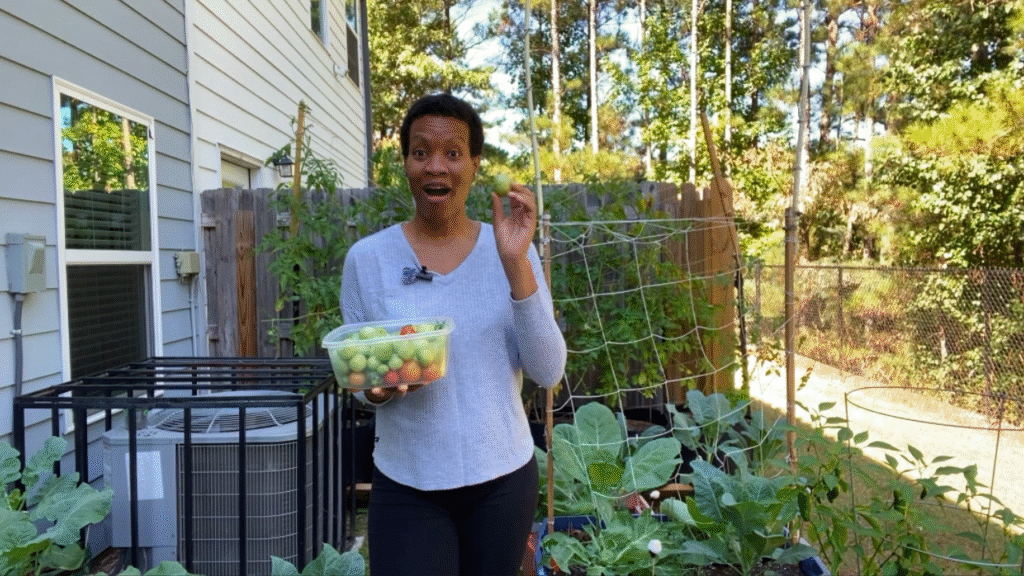
As I prepped my containers for the next round of seedlings (kale, bok choy, and collards) I realized that learning how to make the most of every crop is part of becoming a better gardener. Whether you’re ending your first tomato season or looking to save one last harvest before frost, this guide will show you exactly how to bring those green tomatoes to life indoors.
Why You Shouldn’t Toss Your Green Tomatoes
When I first started gardening, I used to think that once the weather cooled down, any green tomatoes left on the vine were a lost cause. After all, they weren’t red yet, so I figured they just didn’t make it. But this year, I learned something that changed my entire perspective. A viewer told me that you can harvest green tomatoes and let them ripen naturally indoors. Let me tell you, that tip was a game changer.
Here’s why you should never toss those tomatoes. Green tomatoes are simply unripe fruit that still contain all the sugars and nutrients they need to finish maturing. Once they’re picked, they continue releasing a natural plant hormone called ethylene gas, which triggers the ripening process. That means the transformation from green to red can happen off the vine, as long as you give them the right environment.
For home gardeners, this is great news. It means you can ripen green tomatoes indoors even after removing your plants for fall cleanup. It also helps prevent waste, especially when frost or cooler nights threaten your final harvest. Whether you have a handful or a whole bowl of tomatoes, each one still has the potential to ripen beautifully and taste delicious.
So before you compost those last green fruits, pause. They may still have plenty of life left in them. With the right conditions, they’ll surprise you.
How to Ripen Green Tomatoes Indoors
Once I finished clearing out my tomato plants, I looked at my bowl of firm green tomatoes and thought, Now what? I didn’t want all that effort to go to waste, so I decided to experiment with how to ripen green tomatoes indoors and it turns out, it’s easier than I imagined. You don’t need any special tools or grow lights. With a few simple materials and a little patience, you can help those green tomatoes finish what they started right in your kitchen.
Step 1: Choose the Right Tomatoes
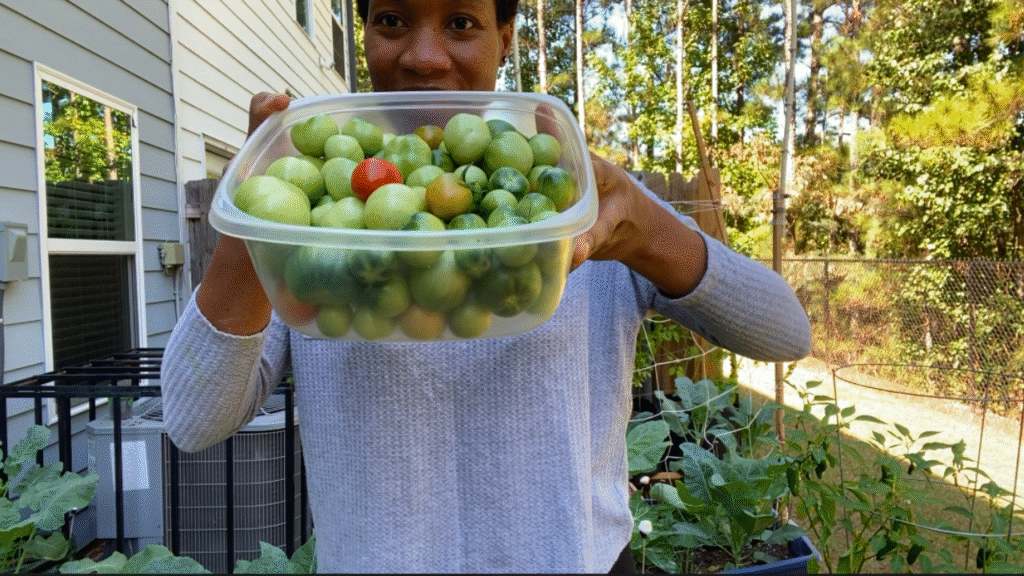
Not every tomato will ripen off the vine. Look for ones that are full-sized, glossy, and firm but not rock hard. Avoid any that are damaged, split, or showing signs of rot. Mature green tomatoes (those that have started turning slightly yellowish or pale) will ripen faster than very young, deep-green ones.
Step 2: Use the Paper Bag Method
This is one of the best ways to ripen tomatoes indoors and one of the simplest too. Place several tomatoes in a brown paper bag and add an apple or banana. These fruits release ethylene gas, which helps speed up ripening. Fold the top of the bag loosely and store it at room temperature, around 65–75°F. Check daily and remove any tomatoes that have fully ripened to prevent overripening.
Step 3: Try the Box or Drawer Method
If you have a large number of tomatoes, you can also place them in a shallow cardboard box lined with newspaper. Arrange them in a single layer and loosely cover them with more paper. Keep the box in a warm, dark spot, like a pantry or cupboard. This method lets air circulate while creating a consistent ripening environment.
Step 4: Avoid Plastic Bags
You might be tempted to use a plastic grocery bag, but that traps moisture and encourages mold. Green tomatoes need a little airflow to ripen evenly, not a humid environment that suffocates them.
Step 5: Speed It Up (If You’re in a Hurry)
If you’re wondering how to ripen green tomatoes quickly, the trick is warmth and ethylene. Grouping tomatoes together with a few ripe ones increases the gas concentration, which speeds up ripening. Warmer temperatures also help, but avoid direct sunlight or heat vents. Too much heat will make them soft before they turn red.
Step 6: Be Patient and Rotate
Check your tomatoes every day, rotate them gently, and remove the ripened ones. Depending on their maturity, it can take anywhere from 5 to 14 days for green tomatoes to turn fully red indoors.
Recommended Tools (Optional Add-Ons)
If you want to stay organized, here are a few tools that make the process even easier:
- Brown paper lunch bags
- Cardboard produce boxes or crates
- A small indoor thermometer for consistent temperature
- Ripening tray or fruit basket
Learning how to ripen green tomatoes indoors isn’t just about saving your harvest, it’s about stretching the value of your effort and getting every bit of flavor you can from your garden. You’ll be amazed at how many of those firm green fruits turn into bright, juicy tomatoes right on your countertop.
Preparing Containers for Fall Gardening
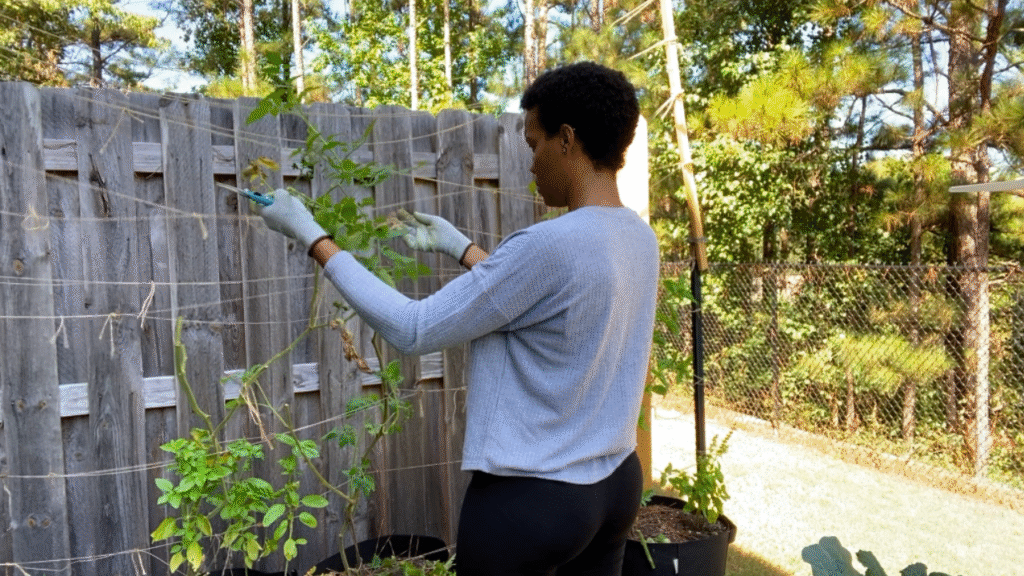
While my green tomatoes were busy ripening indoors, it was time to shift focus outdoors and prepare my containers for the next growing season. Fall is one of my favorite times in the garden. The air is cooler, the sun is gentler, and everything feels calmer after the rush of summer. Once the tomato plants were cleared, I had six large containers ready for a fresh start.
Before replanting, I like to give each container a good clean. Removing leftover roots, debris, and compacted soil helps prevent pests and diseases from carrying over into the next season. I gently break up the soil with a small hand trowel, removing any clumps or old stems. If the soil feels heavy or depleted, I’ll set it aside to refresh later with compost and organic fertilizer. This simple step gives your fall seedlings a clean, healthy foundation to grow strong.
Since I grow all my crops in containers, rotation is key. After harvesting tomatoes, I like to switch things up by planting leafy greens like kale, bok choy, and collard greens. These cool-weather crops thrive in fall temperatures and can handle light frost, giving me fresh harvests long after summer ends. If you’re wondering what to grow next, these are some of the easiest beginner-friendly plants to start with.
For container cleanup, a few basic tools go a long way: sturdy gardening gloves, a hand trowel, and a small compost bin for tossing out plant waste. Once the containers are prepped, I water the soil lightly and let it rest for a few days before planting. By the time my tomatoes finish ripening indoors, my fall seedlings will be ready to take over.
The Science Behind Ripening Tomatoes Indoors
As my containers rested and my fall seedlings started taking shape, my attention turned back to the kitchen, where my bowl of green tomatoes was slowly transforming day by day. Watching them change color made me curious about what was really happening. So, let’s take a quick look at the science behind how to ripen green tomatoes indoors and why it actually works.
Tomatoes ripen because of a natural plant hormone called ethylene gas. Once a tomato reaches maturity (even if it’s still green) it continues releasing this gas, which triggers changes inside the fruit. The starches start breaking down into sugars, chlorophyll (what makes them green) fades, and that deep red pigment we all recognize begins to form. Essentially, the tomato keeps “aging” even after it’s picked.
The key is giving it the right environment. Cooler outdoor temperatures (especially once nights dip below 55°F) slow or even stop the ripening process. That’s why bringing your tomatoes indoors is so effective. When kept at room temperature with good airflow, they continue maturing naturally.
Adding fruits like apples or bananas nearby simply boosts the ethylene levels, speeding things up. It’s one of the simplest, most natural ways to help your tomatoes finish ripening. You don’t need fancy equipment.
It’s pretty amazing, isn’t it? Even after the season ends, nature finds a way to finish what it started.
How to Know When to Pick Green Tomatoes
Timing is everything when it comes to ripening green tomatoes indoors. Picking them too early can leave you with hard, flavorless fruit that never turns red, while waiting too long can risk frost damage or cracking on the vine. So how do you know when the timing is just right?
The best green tomatoes for indoor ripening are the ones that have already reached their full size and are just beginning to lighten in color, often a pale green or slightly yellow hue. When you gently squeeze them, they should feel firm but not rock solid. That subtle softness means they’ve reached the mature green stage, which is perfect for picking.
Avoid tomatoes that are too small, misshapen, or deeply green; those are usually too young to ripen off the vine. Also skip any with bruises or blemishes since those can lead to mold while they’re ripening indoors.
If you’re expecting a cold snap, it’s better to harvest your mature green tomatoes before the frost hits. Once they’re indoors, you can control the temperature and help them ripen safely and evenly. That way, none of your hard work (or homegrown flavor) goes to waste.
Storing & Using Ripened Tomatoes
Once your tomatoes have ripened indoors, it’s time to enjoy the reward of your patience. I like to keep my fully ripened tomatoes at room temperature and use them within a few days for the best flavor and texture. They don’t need to go in the fridge. In fact, refrigeration can dull their taste and make the texture mealy.
Now, when it comes to using them, I’m not picky. I love to put tomatoes on almost everything. I slice them up for my tuna fish sandwiches, blend them into rich tomato gravy for my Caribbean dishes, or just pop them in my mouth like chips when I’m out in the garden. There’s nothing quite like the taste of a homegrown tomato that you helped ripen yourself. After all that waiting, the flavor feels even more satisfying (sweet, fresh, and completely worth the effort).
Lessons from My Tomato Season
Although my tomatoes didn’t grow as big as I’d hoped, especially since one of my plants was a beefsteak variety, I’m still incredibly proud of how far I’ve come. This was my first real tomato season, and the fact that I got a harvest at all feels like a win. Every single fruit was a reminder that patience and care always pay off, even when the results aren’t perfect.
I’ve already picked out several new tomato varieties to try next season. Ones I’ve researched and heard do really well in containers and warm climates. I can’t wait to see how they perform. That’s what gardening is about for me: experimenting, growing, and learning along the way. I don’t look at it as failure; I see it as progress. Each season teaches something new, and that’s what makes this journey so rewarding.
Want to Know What to Plant Next?
Once the tomatoes are cleared and your containers are prepped, the question becomes, what’s next? That’s exactly where my Monthly Planting Guide comes in. Whether you’re brand new to gardening or simply looking to grow more food with less guesswork, this guide takes all the confusion out of seasonal planting.
It shows you what to plant each month based on your growing zone, so you always know exactly when to start seeds indoors and what crops can be direct sown outdoors. The guide is perfect if you’re short on space, growing in containers, or just want to make the most of every inch of soil.
I designed it to be simple, visual, and beginner-friendly. No more scrolling through dozens of charts or wondering what thrives in your area. If you loved growing tomatoes and want to keep your garden productive all year, my Monthly Planting Guide is the perfect next step to help you grow confidently from one season to the next.
Learning how to ripen green tomatoes indoors taught me something far bigger than just saving a few end-of-season fruits. It reminded me that gardening is about resourcefulness, patience, and hope. Even when the season winds down, there’s still growth happening, both in the garden and in us. Watching those green tomatoes slowly turn red inside my kitchen was proof that with a little care and curiosity, nothing truly goes to waste.
If this is your first gardening season or your fiftieth, take time to celebrate every small win. I am talking every sprout, every bloom, every tomato that makes it to your table. That’s the beauty of this journey. So don’t toss your green tomatoes; bring them indoors, keep nurturing them, and watch how nature continues to surprise you. And when you’re ready for the next planting season, I’ll be right here, cheering you on.