Skip to content
Every year when November rolls around, many gardeners assume the growing season is over. The air turns crisp, the days get shorter, and most people shift their focus to holiday lights and cozy indoor spaces. But for me, November is when the garden slows down, not stops. It’s a peaceful, productive time to refresh the soil, plant new crops, and see what can still thrive in the cooler temperatures.
If you’ve been wondering what to plant in November, you might be surprised by how many vegetables continue to grow beautifully through Fall and even into early winter. The secret is choosing cold-tolerant crops and understanding how to give them the right start; whether you’re growing in containers, raised beds, or tucked corners of a small backyard.
In this guide, I’ll share the exact plants to grow in November that are doing well in my own garden here in Zone 8, along with tips on container size, soil preparation, and natural ways to feed your vegetables for strong growth. From leafy greens like kale and collards to root crops like carrots and beets, there’s still plenty of fresh food you can grow before the year ends.
Whether you’re a first-time gardener or simply determined to keep your harvest going, these cool-season vegetables to grow in November will remind you that the garden never really sleeps. It just changes pace.
Why November Is Still a Great Month to Grow
Most people pack away their garden tools once the temperatures drop, but the truth is, November can be one of the most rewarding times to grow. The air is cool, the pace is slower, and the plants that love this season (like collards, kale, garlic, and carrots) seem to thrive in it. Learning what to plant opens the door to a whole new appreciation for gardening beyond spring and summer.
Cool weather brings several advantages that often go overlooked. For starters, pests are less active, which means your leafy greens and root crops grow with fewer problems. The soil stays moist longer, requiring less frequent watering, and many vegetables (such as beets and spinach) actually develop better flavor when touched by frost. These are small reminders that the garden has its own rhythm, even when the rest of the world begins to slow down.
If you’re working with limited space, container gardening makes it even easier to extend your growing season. You can move plants to sunnier spots, protect them from frost, and control soil quality in ways that ground planting can’t always guarantee. Even in colder zones, there are still plenty of plants to grow in November indoors or in sheltered outdoor spaces.
Gardening this time of year isn’t just about staying productive, it’s about staying connected. As the world shifts toward the holidays, the garden quietly offers peace, purpose, and fresh food when you need it most. Growing through November proves that nature doesn’t stop giving; it simply invites us to slow down and grow differently.
Collard Greens: The Cold-Hardy Staple That Keeps Giving
If you’re wondering what to plant in November, start with collard greens. They’re dependable, resilient, and almost impossible to discourage once established. Collards thrive in cool weather and easily tolerate light frost, which actually makes their leaves taste sweeter. For gardeners who want a steady supply of greens through Fall and winter, collards are one of the best plants to grow.
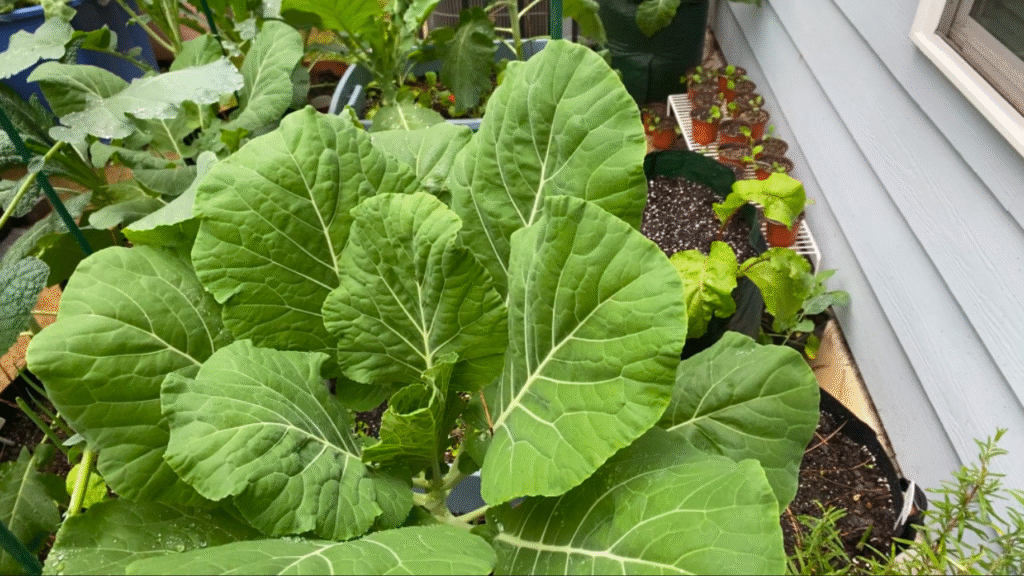
Collards are heavy feeders, so the secret to big, healthy leaves starts with the soil. Whether you’re growing in a raised bed or container, choose a 10- to 15-gallon container for each plant so the roots can stretch deep. Before planting, mix together high-quality potting soil, compost, worm castings, and a slow-release balanced fertilizer. This blend provides the nutrients your collards will need over time and helps the soil hold moisture while staying loose and well-drained.
Once your collards are planted, water them deeply and evenly. Collards like consistent moisture, but they don’t like soggy feet. After watering, apply a thin layer of organic mulch (shredded leaves, pine needles, or straw) to regulate soil temperature and keep the roots insulated as the weather cools.
During the growing season, keep your collards nourished with a combination of solid and liquid feeding. Every three to four weeks, scratch a small amount of all-purpose organic fertilizer or worm castings into the top of the soil. Then, in between those feedings, give them a gentle boost with a liquid fertilizer, such as diluted fish or seaweed fertilizer, every seven to ten days. Always water first before adding any fertilizer. This allows the nutrients to absorb properly and protects the roots from burn.
If you experience colder nights, collards can handle it, but you can extend your harvest by covering them with lightweight frost protection or row covers when temperatures dip below freezing. Keep harvesting the outer leaves first and let the center continue producing. This encourages new growth and keeps the plants thriving for months.
Among all the vegetables to grow, collard greens stand out for their reliability and reward. They’re the kind of crop that reminds you gardening isn’t just for summer. It’s for every season that still has a little light left in it.
Carrots: Sweet Roots for Chilly Days
Carrots are one of those crops that quietly remind you how patient gardening can be. They don’t grow overnight, but when they finally do, they’re worth the wait. By the time November arrives, the weather has cooled enough to bring out the best flavor in root vegetables, and carrots are no exception. The crisp air encourages them to develop a natural sweetness that makes homegrown varieties taste so much better than store-bought ones.
For container gardeners, depth is key. Carrots need room to stretch, so choose a container that’s at least 12 inches deep with good drainage holes. A wide pot works well too, especially if you’re growing smaller or round varieties. The deeper the soil, the straighter and smoother your roots will grow.
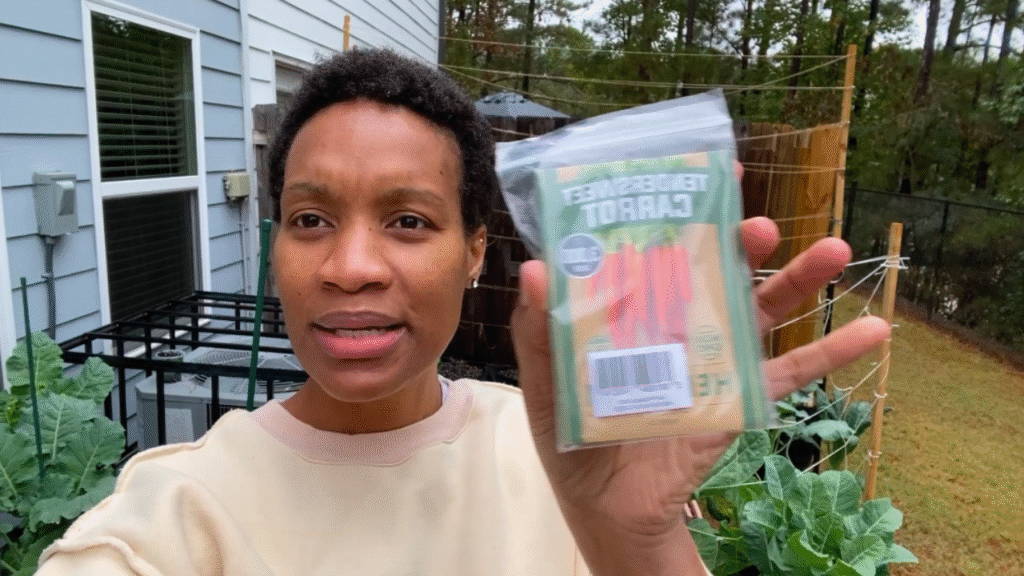
Start by preparing loose, airy soil. A good mix is one part potting soil, one part compost, and one part perlite or coarse sand. This combination keeps the soil from compacting, which is essential for carrot growth. Before planting, blend in a slow-release organic fertilizer. Balanced but not too high in nitrogen. Too much nitrogen will give you lush tops but small, misshapen roots.
Sow seeds directly into the container because carrots dislike being transplanted. Scatter them lightly across the surface, cover with a thin layer of soil, and keep the top inch consistently moist until you see sprouts. Once seedlings are about three inches tall, thin them so each plant has about two inches of space. It feels tedious, but spacing makes all the difference in how uniform your harvest turns out.
Carrots don’t need heavy feeding. A light dose of compost tea or diluted organic fertilizer every few weeks keeps them satisfied. Water before feeding so nutrients soak in evenly and roots don’t burn. Adding a layer of mulch around your seedlings helps retain moisture and protects them from sudden temperature drops as winter approaches.
If you’re trying to decide what to plant in November, carrots are a quiet favorite. They’re low-maintenance, don’t demand much space, and reward you with sweet, crisp roots that store well into winter. Growing them teaches patience, but their flavor, and the satisfaction of pulling one fresh from your own container, makes it all worth it.
Spinach: The Cool-Weather Green That Keeps You Supplied
Spinach has a way of humbling every gardener at least once. I’ve planted it more than a few times, thinking it would be easy, only to watch those tiny seeds refuse to sprout. If that sounds familiar, don’t give up. November is a great time to try again because spinach loves cooler temperatures and short days. When grown in the right conditions, it rewards you with crisp, dark leaves that keep producing long after other greens have slowed down.
If you’re working in containers, spinach is one of the easiest crops to fit in anywhere. The roots are shallow, so a 6- to 8-inch-deep container works perfectly. Even a small pot on a porch or balcony can yield several harvests through the Fall. Just make sure the container has drainage holes. Spinach likes moisture but never soggy soil.
To prepare your soil, mix together potting soil, compost, and worm castings. Spinach prefers fertile, well-drained soil that stays consistently damp. Before planting, add a small handful of a balanced slow-release fertilizer to support leaf growth. If you’re sowing seeds, soak them in water for a few hours before planting. This softens their hard outer shell and improves germination. You can also buy transplants if you’d rather skip that step.
Once planted, water gently and keep the soil evenly moist. As the plants begin to grow, feed them every couple of weeks with a diluted organic liquid fertilizer or compost tea. Always water first before feeding. Moist soil helps nutrients absorb evenly and keeps roots healthy.
If temperatures dip below freezing, cover your containers with a frost cloth or move them into a sheltered spot. Spinach handles cold weather well, and the leaves often taste sweeter after a light frost. Harvest the outer leaves first and let the centers keep growing.
For gardeners exploring what to plant in November, spinach deserves a spot on the list. It’s forgiving once it gets going, and there’s nothing quite like stepping outside in chilly weather to pick your own fresh greens for dinner.
Kale: Beginner-Friendly and Nutrient-Packed
If you’re new to gardening, kale is one of the easiest vegetables to start with. It doesn’t mind cool weather, it grows quickly, and it keeps producing for months with very little effort. Once established, kale will carry you through Fall and well into winter, giving you a steady harvest of nutrient-dense leaves for soups, salads, and sautés.
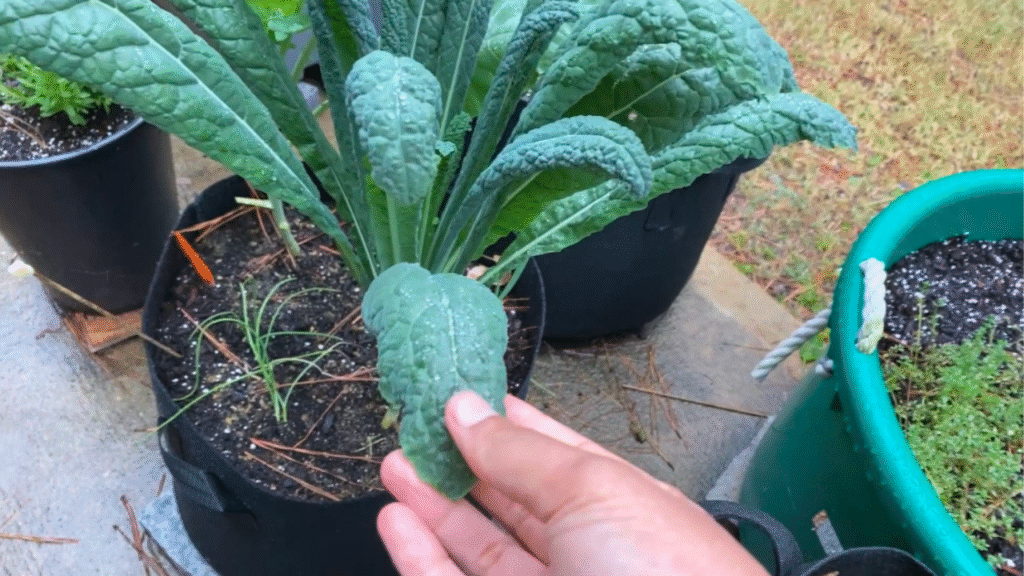
Kale loves space and good airflow, so if you’re growing it in containers, give each plant its own 5- to 7-gallon pot. This size allows the roots to spread out and supports strong, leafy growth. Good drainage is essential (soggy soil invites root rot) so make sure your containers have holes in the bottom and sit slightly elevated to let excess water escape.
Before planting, build a rich, well-balanced soil base. Combine potting soil, compost, perlite, and a handful of worm castings for organic matter and aeration. Kale is a moderate to heavy feeder, so mix in a slow-release fertilizer before planting to keep nutrients available over time. As the plants mature, side-dress them every three to four weeks with more compost or an all-purpose organic fertilizer to keep them lush and green.
For an extra boost, give your kale a gentle feeding every week or two with a liquid fertilizer such as diluted fish emulsion or seaweed extract. Always water before feeding because this keeps nutrients from burning the roots and helps the fertilizer soak in evenly. A consistent feeding routine is what keeps those leaves tender and vibrant, even when temperatures dip.
Kale thrives in full sun but tolerates partial shade as the days get shorter. In colder regions, protect the leaves with a light frost cover or simply move your containers against a wall for insulation. Pick the outer leaves first, and let the center continue to grow. The plant will keep producing as long as you harvest regularly.
Among cool-season crops, kale is one of the most forgiving and rewarding. It’s resilient, versatile, and the perfect reminder that even in late Fall, there’s still fresh food waiting to be grown right outside your door.
Beets: Two Harvests in One Plant
Beets are one of those crops that quietly surprise you. They start off slow, sometimes looking like they’re doing nothing at all, and then suddenly, there they are. You will see deep roots pushing through the soil and vibrant greens reaching up toward the light. If you’ve struggled with them before, November is the perfect time to try again. The cool weather helps roots develop better color and flavor, and the leaves stay tender and crisp.
Beets are a great choice for container gardeners because they don’t take up much space but still offer a big reward. Choose a container that’s at least 10 to 12 inches deep to give the roots enough room to expand. Wider containers are even better, allowing you to plant several in one space while keeping good airflow between them.
Before sowing, loosen the soil so the roots can grow freely. Beets prefer soil that’s light, slightly sandy, and rich in organic matter. A good blend is potting soil, compost, and coarse sand or perlite. Avoid heavy clay or compacted soil — that’s what causes misshapen roots. Mix in a balanced slow-release fertilizer or a few handfuls of worm castings before planting. This will feed your plants gradually as they grow.
Plant beet seeds directly into the container about a half inch deep and two inches apart. Keep the soil evenly moist during germination, which can take one to two weeks. Once seedlings are a few inches tall, thin them to around three inches apart so the roots have space to mature. Don’t throw away the thinned seedlings. They’re edible and make great microgreens.
To keep beets thriving, feed them lightly every three to four weeks with a balanced organic fertilizer or compost tea. Beets don’t like too much nitrogen; it will make the leaves flourish but slow down root development. Add mulch to help retain moisture and protect the roots from temperature swings.
One of the best parts of growing beets is that you get two harvests from one plant. You get both the roots and the leafy tops that are edible. The roots roast beautifully, and the greens sauté down like spinach. Among cool-weather crops, few are as generous or rewarding as a good bed of beets growing strong through November.
Garlic: Plant in November for a Summer Harvest
Garlic rewards patience more than almost any other crop. You plant a few cloves in the cold, and months later you pull up a bulb that’s fragrant, full, and satisfying. Late Fall is the best window to start. The cool soil encourages strong root growth before winter sets in, and the plants quietly establish themselves beneath the surface until spring warmth wakes them up again.
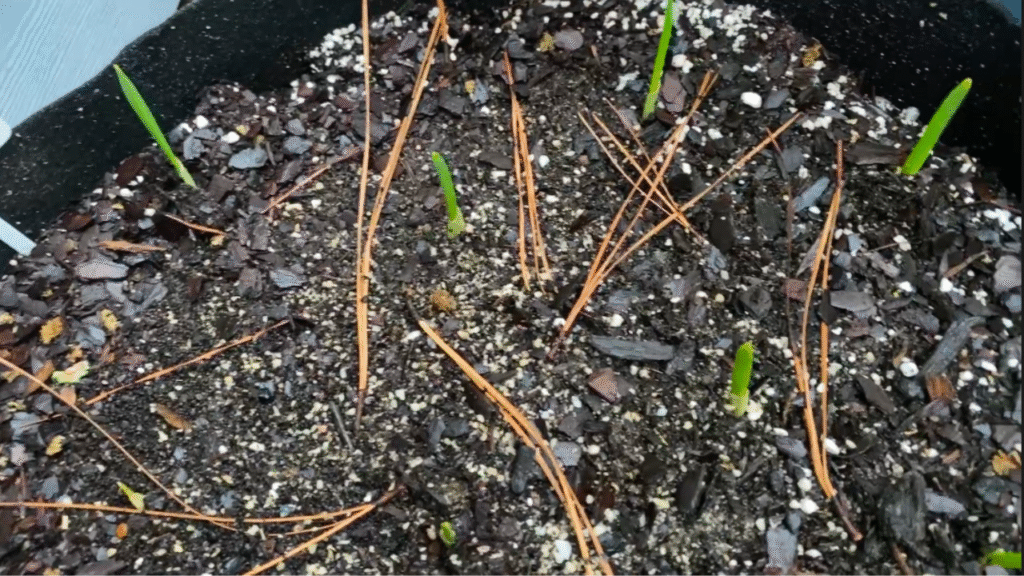
For container growers, depth and drainage are everything. Choose a pot at least 10 inches deep with holes in the bottom. Each clove needs roughly 4 inches of space all around, so don’t crowd them; healthy airflow keeps disease away. Garlic prefers loose, well-drained soil that won’t hold water through the colder months. A mix of potting soil, compost, and coarse sand or perlite gives you the texture it likes.
Before planting, blend in organic amendments such as bone meal or worm castings for slow, steady feeding. Garlic roots grow all winter, so that early nutrition matters. Press each clove—pointed end up—about two inches deep, then cover with soil and water thoroughly. Add a blanket of mulch, like shredded leaves, straw, or pine needles, to insulate the surface. Mulch keeps moisture even and protects the cloves from freezing temperatures.
As shoots appear in early spring, remove any thick mulch layer to let light reach the leaves. Feed the plants every few weeks with a balanced organic fertilizer or a watering of compost tea. Keep the soil moist but never saturated; garlic hates standing water. When about half the leaves begin to yellow in early summer, that’s your cue to stop watering and let the bulbs cure in the soil for a week before harvesting.
Growing garlic teaches timing and trust: it spends months underground, unseen, yet steadily building strength. For anyone exploring what to plant in November, garlic is the crop that proves good things grow quietly. With just a few cloves and some patience, you’ll have bulbs ready by midsummer and a deeper appreciation for how the garden works when you give it time.
Onions: Start Indoors, Transplant for Success
Onions are the kind of crop that quietly builds your confidence as a gardener. They take time, but once you see those green stalks stretching under grow lights, it feels like progress in its purest form. If you’ve been planning, onions deserve a spot on your list because this is when they establish their roots for next year’s harvest.
Start by planting your seeds indoors, giving them about eight to ten weeks of growth before transplanting them outside. Onions like steady light, so place your seed trays under a grow light or near a bright window. Keep the soil evenly moist but never soaked. You’ll know they’re ready for transplanting once the stalks reach about six to eight inches tall and are sturdy enough to handle without bending.
When it’s time to move them outdoors, select a container that’s at least 10 to 12 inches deep and wide enough to space your bulbs about four inches apart. Onions need breathing room to form solid bulbs, so don’t overcrowd them. Fill the container with a rich mix of potting soil, compost, and perlite, then blend in a slow-release organic fertilizer before planting. This will supply nutrients through the early stages of growth.
Once planted, water the soil thoroughly and mulch the top with straw, shredded leaves, or pine needles to maintain even moisture and protect from temperature swings. During the growing season, feed your onions every three to four weeks with a balanced organic fertilizer or compost tea. Be consistent—onions like routine care and do best when nutrients are available in small, steady doses.
As one of the more patient vegetables to grow in November, onions teach you that gardening is a long game. They’ll spend the cold months quietly developing strong roots before forming bulbs in spring. By midsummer, you’ll have homegrown onions ready to cure, store, and cook with for months. Among cool-weather plants, onions are both humble and powerful—a reminder that good things grow slowly, right beneath the surface.
Cabbage: Cool-Season Classic That Rewards Patience
When I first started gardening, cabbage was one of those vegetables I could never seem to get right. The leaves would grow beautifully at first, then flatten out or split before a proper head ever formed. I used to wonder if maybe cabbage just wasn’t for me. But like most things in gardening, and in life, it just took patience, consistency, and a few lessons learned along the way.
Now, cabbage has become one of my favorite plants to grow in November. The cooler temperatures this month are perfect for it. The chill in the air helps the leaves stay crisp, and the plant itself is surprisingly tough. If you’ve been planning what to plant in November, cabbage is a great choice for those who want something that keeps growing well into the winter months.
When I finally grew a cabbage with a firm, full head for the first time, I was almost emotional. It reminded me how much gardening teaches you about resilience. You can do everything right and still need to wait for nature’s timing. The reward was worth every failed attempt.
For container gardeners, cabbage needs room to stretch. Give each plant a 7- to 10-gallon container with good drainage holes. Use a mix of potting soil, compost, worm castings, and a balanced slow-release fertilizer to provide a steady supply of nutrients. Cabbage is a heavy feeder, so refresh the soil every three to four weeks with compost or a gentle side-dressing of organic fertilizer to keep it energized through the cool months.
Water deeply whenever the top inch of soil feels dry, and mulch the surface with straw, leaves, or pine needles to retain moisture and regulate temperature. If you’re expecting freezing nights, cover the plants with a lightweight frost cloth to protect the outer leaves. Between feedings, give your cabbages a little boost with diluted compost tea or liquid seaweed fertilizer. Always water first—moist soil helps the roots absorb nutrients evenly.
Of all the vegetables to grow in November, cabbage might require the most patience, but that’s what makes it special. It’s a steady reminder that growth takes time, and that every gardener (new or seasoned) has something to learn from watching a single head form, one leaf at a time.
Lettuce: Quick Wins for Cool Days
Lettuce is one of those crops that reminds me why I started gardening in the first place. It’s simple, fast, and incredibly rewarding. When I was still learning what would grow well in my small space, lettuce became the plant that boosted my confidence. It doesn’t take long to sprout, it thrives in cooler weather, and it keeps producing when cared for properly, making it one of the best vegetables to grow in November if you’re looking for quick results.
Earlier in my gardening journey, I started some loose-leaf lettuce indoors using a small hydroponic system. It sprouted beautifully, and before I knew it, I was harvesting my first handfuls of tender greens. Around the same time, I couldn’t resist picking up a few romaine lettuce transplants from the nursery. Both methods worked, and I quickly learned that lettuce doesn’t need much to thrive. It just consistent moisture, a little patience, and protection from heavy rain.
For container growing, lettuce has modest needs. A 6- to 8-inch-deep container is enough, and you can plant several varieties together. I like to use a blend of potting soil, compost, and a handful of worm castings to keep the roots nourished. Mix in a small amount of slow-release fertilizer when planting, and refresh with compost every few weeks. Lettuce prefers cool soil and steady moisture, so water gently and often, keeping the top inch damp but not soggy.
If temperatures drop too low, a lightweight frost cloth will protect young leaves and help them keep growing through cold spells. For an extra boost, feed every couple of weeks with diluted liquid fertilizer or compost tea, always watering first to prevent root burn.
The first time I harvested my homegrown lettuce, I made a simple salad. It consisted of just lettuce and a few leftover tomatoes from my garden. No dressing, no extras. It was the best salad I’d ever eaten, not because it was fancy, but because it came from my own effort. I love growing lettuce because it is the quick, confidence-building crop that will remind you how satisfying small harvests can be.
Perennial Herbs: The Plants That Keep on Giving
As much as I love my collards, kale, and root vegetables, I’ve learned that perennial herbs are the quiet heroes of every container garden. They don’t demand much attention, they bounce back after the cold, and they reward you over and over again with flavor and fragrance. For gardeners figuring out what to plant in November, perennial herbs are a smart choice because they thrive in cool weather and come back stronger each season.
Some of the best plants to grow in November are hardy herbs like thyme, oregano, chives, and parsley. These herbs don’t mind the chill; in fact, cooler temperatures often bring out their best flavor. I’ve had thyme and oregano stay green all winter long, even when most of my vegetables took a break. Their resilience makes them perfect for anyone who wants a garden that keeps giving without starting from scratch each year.
If you’re growing herbs in containers, go for pots that are 6 to 8 inches deep with plenty of drainage holes. Herbs prefer soil that drains quickly, so use a mix of potting soil, compost, and perlite to keep things airy. Before planting, blend in a small handful of slow-release organic fertilizer or worm castings to give them a healthy foundation. Once planted, water them thoroughly, then let the soil dry slightly between waterings. Herbs don’t like constantly wet feet.
Feeding them is simple. Every month or so, add a light dose of compost tea or diluted liquid fertilizer to refresh the soil. These mild feedings keep the leaves flavorful and vibrant without overwhelming the plant. For protection, move your containers near a sunny wall or cover them lightly if the temperature drops below freezing.
What I love most about herbs is how forgiving they are. Even when I’ve forgotten to water for a few days or missed a feeding, they’ve bounced right back. Among all the vegetables to grow in November, herbs might not seem as exciting as a head of cabbage or a basket of carrots, but they quietly bring the garden to life all year long. Once you plant them, they’ll keep showing up for you, season after season.
How to Prepare and Amend Soil for November Planting
One of the most important lessons I’ve learned since starting my garden is that healthy soil means healthy plants. You can have the perfect container, the right seeds, and plenty of sunlight, but if your soil isn’t balanced, nothing grows quite right. Before deciding what to plant in November, I always take time to refresh and amend my soil so it’s ready for a new round of cool-season crops.
Whether you’re growing in containers or raised beds, start by removing any leftover roots or debris from your previous crops. Break up the top few inches of soil to loosen it and improve airflow. Then, mix in fresh compost. This is going to add nutrients, restores texture, and helps retain moisture through the colder months. If your soil feels heavy or compacted, add perlite, coarse sand, or coconut coir to improve drainage. Fall and winter crops, especially root vegetables, need light, crumbly soil so their roots can spread freely.
After that, it’s time to feed the soil. I like to add a small amount of organic slow-release fertilizer, such as a balanced 4-4-4 blend, to give the soil a steady source of nutrients. For leafy greens, I’ll mix in extra worm castings for nitrogen; for root crops, a handful of bone meal supports healthy root development. This simple combination works beautifully for most plants because it keeps the soil fertile without overwhelming it.
Once your amendments are mixed in, water the soil thoroughly to help everything settle. If you’re growing in containers, top off with an inch or two of fresh potting mix before planting. It renews the surface layer that gets depleted over time. Finally, add a light mulch layer, such as pine needles, straw, or shredded leaves, to insulate the soil and regulate temperature.
Taking the time to build nutrient-rich soil before planting will pay off all season long. Whether you’re growing collards, kale, or carrots, your garden will respond with stronger roots, fuller leaves, and a longer harvest. Good soil is the quiet foundation behind every thriving Fall crop, and one of the best ways to prepare for whatever you decide to plant next.
Feeding and Maintenance Schedule
If there’s one thing I’ve learned since I began gardening, it’s that feeding your plants isn’t just about fertilizer, it’s about rhythm. Once you understand your garden’s routine, everything feels easier. Whether you’re growing leafy greens or root crops, having a consistent feeding and maintenance schedule keeps your plants strong, especially during cooler months when growth can slow down.
Before feeding, always start with water. Moist soil helps nutrients move freely to the roots and prevents fertilizer burn. After watering, give your plants their “meal” which is a balanced mix of nutrients that supports steady growth. For most plants, this means alternating between solid and liquid feedings.
Every three to four weeks, add a small dose of slow-release organic fertilizer to your containers or raised beds. This keeps nutrients available over time. Between those feedings, apply a gentle liquid fertilizer, such as diluted fish emulsion or seaweed extract, every seven to ten days. This “snack” keeps your plants vibrant and productive. Leafy greens like collards, kale, and spinach respond especially well to consistent, light feedings, while root vegetables like carrots and beets benefit from soil rich in organic matter and compost tea rather than heavy nitrogen.
Maintaining moisture is just as important as feeding. Fall and winter weather can be unpredictable. One day cold and wet, the next dry and windy. Check your soil regularly and water deeply whenever the top inch feels dry. Add mulch to help regulate temperature and prevent the soil from drying out too quickly.
If you’re deciding what to plant in November, remember that cool-season vegetables still need care even when growth slows. Take a few minutes each week to check for pests hiding under leaves, trim any yellowing foliage, and gently loosen compacted soil. These small habits go a long way in keeping your garden healthy.
The secret to thriving vegetables is consistency. Water first, feed second, and listen to what your garden tells you. Even in cooler weather, your plants are still growing, just at their own steady pace. With the right rhythm, you’ll have a garden that keeps producing long after most people have packed their tools away.
Plan Ahead with the Monthly Planting Guide
When I first started gardening, I constantly found myself asking, “What should I plant this month?” I’d scroll through articles, check seed packets, and still end up guessing. Some crops thrived; others didn’t stand a chance. That trial-and-error stage is what inspired me to create my Monthly Planting Guide, a simple resource designed to take the guesswork out of growing food.
The guide walks you through what to plant each month based on your zone, showing you which vegetables to start indoors, which to direct sow, and how to time your garden for continuous harvests. It’s especially helpful for container gardeners and beginners who want a clear path without feeling overwhelmed by charts and seed calendars.
Inside, you’ll also find container size suggestions, soil and feeding tips, and gentle reminders for each planting window. It’s organized so you can glance at it, plan your week, and know exactly where to begin. No confusion, no guesswork, just growth.
This is the same system I use in my own garden to stay on track year-round. Whether you’re in your first season or refining your routine, the guide helps you build consistency and confidence. Because once you know what grows when, gardening becomes less about trying to keep up — and more about enjoying the process of watching your food come to life, one month at a time.
Closing Thoughts
When I planted my first seeds, I didn’t know what I was doing. I just wanted to see if I could grow something. What started as curiosity turned into one of the most meaningful parts of my life. Gardening taught me to be patient when things don’t go as planned, to celebrate small wins, and to keep showing up even when the results take time. It’s a reminder that growth, whether in plants or people, never happens overnight.
As you decide what to plant in November, remember that your garden doesn’t have to look like anyone else’s. Maybe it’s a few containers on a patio, or a small bed tucked beside your home. Whatever space you have, use it. Every seed you plant is a step toward self-sufficiency, peace, and purpose. There’s something empowering about knowing that even when the world feels uncertain, you can step outside, dig your hands into the soil, and grow your own food.
Fall gardening has a quiet kind of beauty. The pace slows down, the air cools, and the harvests become more intentional. You start to notice the little things. For example, the way dew rests on cabbage leaves in the morning, or how collards hold strong through a light frost. Those moments remind me why I share this journey: to show that no matter the season, growth is always possible.
So as you plan your garden this month, keep it simple. Choose a few plants that excite you, prepare your soil with care, and give yourself permission to learn as you go. And if you need a little extra guidance, my Monthly Planting Guide is always there to help you stay on track.
Thank you for being part of this growing community. Whether you’re planting for peace, for food, or just for the joy of seeing something thrive, I hope this season fills your garden, and your heart, with life.
*This post contains affiliate links, which means I may earn a small commission at no extra cost to you if you make a purchase through one of them.