Skip to content
When I first started gardening, I honestly believed the same misconception that so many beginners have: once the weather cools down, the gardening season is over. Fall comes, the temperatures drop, and most people automatically assume it’s time to pack up the pots, clean the tools, and wait until spring. But after a year of learning, experimenting, and making my fair share of mistakes, I’ve discovered something completely different — fall planting is very much a thing. And not only that…it has quickly become one of my favorite seasons to grow food.
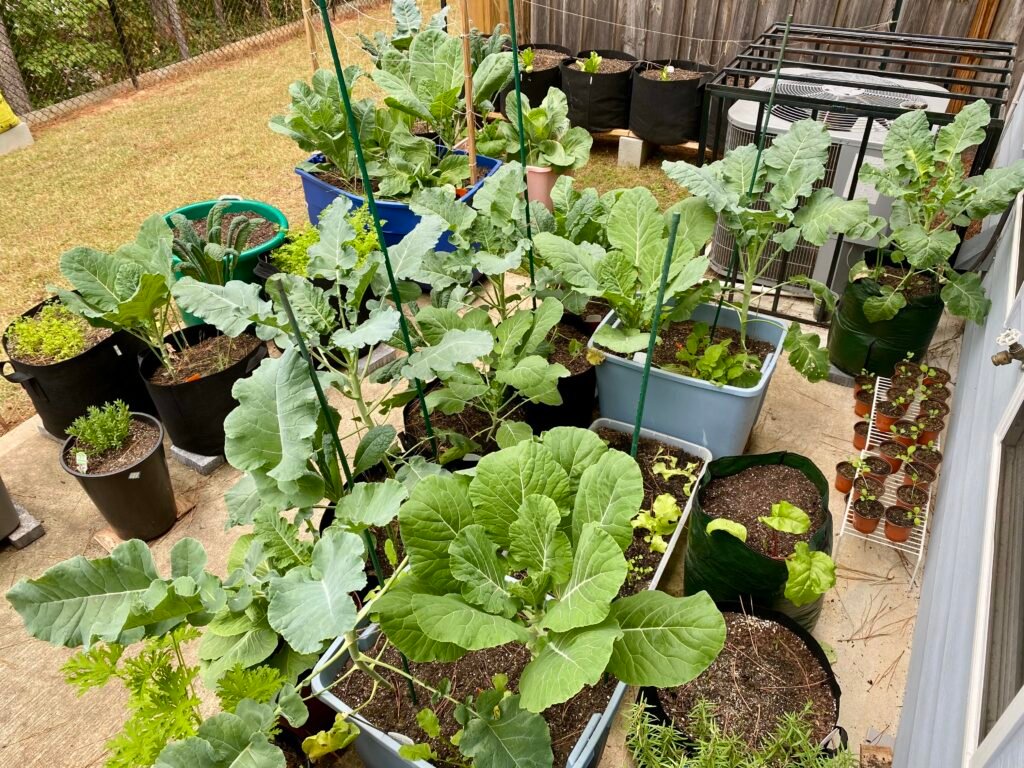
Even though I’ve only been gardening for a year, fall gardening has surprised me in the best possible way. The cooler temperatures, the calmer pace, and the way certain crops thrive with almost no stress, it made me realize that there are actually some incredibly easy veggies to grow in the fall, especially for brand-new gardeners. And the crazy thing? These are all crops I grew for the very first time myself.
As someone who still considers themselves new to gardening, not brand new as in “started yesterday,” but still very much learning as I go. I was shocked by how simple these plants were to care for. They grew, they thrived, and they gave me so much confidence as a beginner.
So in this post, I’m sharing the exact three crops that surprised me the most. These are the plants I grew with my own hands in my own small-space garden, and if I could grow them as a first-year gardener, trust me…you absolutely can too.
Why Fall Is Such a Great Season for Beginners
Before I started gardening, I never understood why people talked so highly about fall planting. I always assumed gardening was a spring and summer thing (warm weather, long days, lots of sunshine). But after experiencing my first full year of growing food, I’ve quickly learned that fall actually makes gardening easier, especially for beginners who are still building confidence.
One of the biggest advantages is the cooler temperatures. In the summer, plants can get stressed from intense heat, and honestly, so can we. But in the fall, the weather works with you, not against you. Your plants aren’t fighting scorching sun or drying out every five minutes. Instead, they grow at a steady, calmer pace, which gives new gardeners a little more breathing room to learn.
Another thing I love about fall gardening is the reduced pest pressure. You don’t have nearly as many bugs trying to attack your crops compared to the summer months, and that alone makes the experience much less overwhelming. Add in the fact that fall often comes with natural mulching materials (like leaves and pine needles) and you suddenly have a garden season that feels softer, slower, and honestly more enjoyable.
And the best part? There are still so many crops you can grow. I used to think fall meant the end of garden season, but now I see it as a fresh beginning. My fall garden has grown some of the healthiest, most vibrant plants I’ve ever had, which is why it’s the perfect season for new gardeners to jump in and start learning.
The 3 Easy Veggies to Grow This Fall (My Beginner-Friendly List)
When I started putting together my fall garden, I didn’t expect the results I ended up getting. I knew fall gardening was “a thing,” but I didn’t know it could actually be successful, especially for someone who’s only been gardening for a year. But this season changed everything for me. My garden didn’t just grow…it thrived. And that confidence came from three simple, beginner-friendly crops that honestly shocked me with how easy they were to grow.
Before diving into each crop individually, here’s why these three stood out:
- They loved the cooler fall temperatures
- They grew fast, even for my first time planting them
- They required very little fuss or maintenance
- They handled common beginner mistakes without dying on me
- They gave me quick wins, which every new gardener needs
The three crops that made fall gardening so rewarding for me were:
- Bok Choy
- Soft, tender leaves
- Fast growth
- Super simple to care for
- One of the best choices if you’re just getting started
- Kale
- A cool-weather superstar
- Germinates quickly
- Continues producing leaves over and over
- Tastes amazing when grown in cooler temps
- Collard Greens
- Tough, resilient, and extremely forgiving
- Thrives in both heat and cold
- Grows well in containers when given enough space
- Perfect for anyone who wants a “can’t mess this up” plant
What made this even more special is that it was my first time ever growing all three. I started them indoors, transplanted them outside, and watched them take off with minimal stress. For a first-year gardener like me, these crops made fall gardening feel simple, doable, and genuinely exciting.
If you’re looking for fall crops that won’t overwhelm you, these three are an excellent place to start.
Bok Choy — The Easiest Fall Veggie I’ve Ever Grown
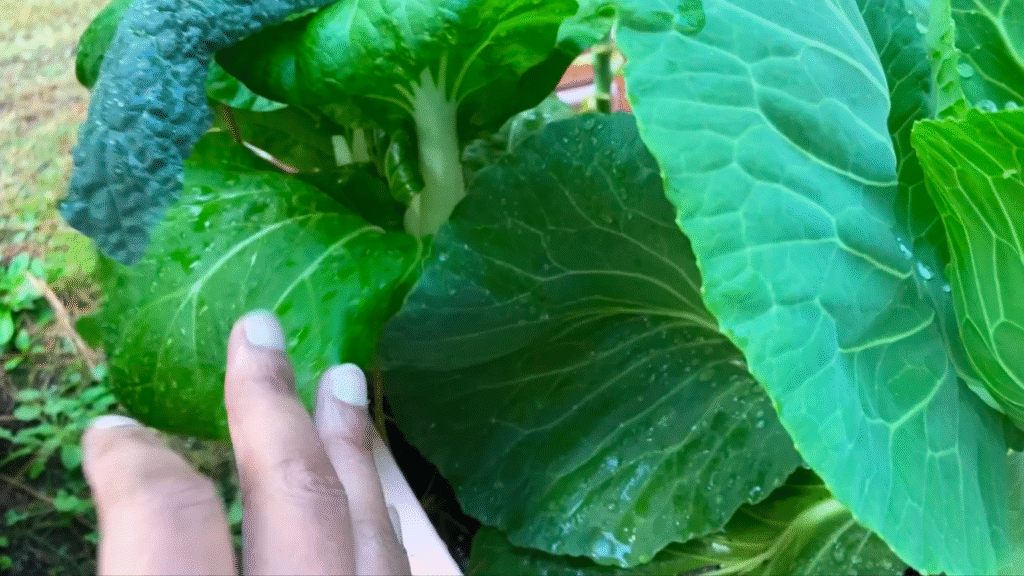
My First Time Growing Bok Choy
Bok choy was one of those crops I always heard about but never imagined myself growing, especially as a new gardener. But the moment I planted it, I realized it might just be one of the easiest fall veggies I’ve ever tried.
In my garden, I had one bok choy growing beautifully in a container, and I had already harvested two others from a different container. The ease of care, the fast growth, and the simplicity of harvesting instantly made bok choy one of my top fall crops. As a beginner, it was refreshing to grow something that didn’t require complicated steps or delicate handling. It simply grew.
But here’s where it gets interesting:
I tried starting some bok choy outside…and those barely grew. They stayed tiny for weeks.
The ones I started indoors, though? Complete night and day difference.
Why Bok Choy Is Perfect for New Gardeners
There are a few reasons bok choy belongs on every beginner’s list:
- Fast-growing — You don’t have to wait long to see progress.
- Cool-weather loving — It thrives in fall temperatures.
- Low maintenance — Doesn’t demand much fuss.
- Flexible harvesting —
- You can harvest the full head, or
- Pick outer leaves and let it keep growing.
- Handles small spaces well — Great for patios, balconies, and containers.
For someone like me who is still learning and still experimenting, bok choy gave me the confidence boost I needed.
Indoor vs. Outdoor Starting: What I Learned
This was one of the biggest lessons I learned this season.
Growing Outside (Didn’t go well):
- Slow growth
- Plants stalled
- Stayed tiny for weeks
- Cooler temps slowed germination drastically
Growing Inside (Huge success):
- Faster germination
- Stronger seedlings
- Easier to control temperature and moisture
- Plants established quickly after transplanting
My recommendation:
Start bok choy indoors about 4 weeks before transplanting. This head start makes all the difference.
How I Amended the Soil (My Exact Setup)
Before planting my seedlings outside, I took extra care to amend my soil. Here’s exactly what I used:
Base soil mix:
- Fresh organic potting mix
- Compost or worm castings
- A little perlite for drainage
Fertilizers I added before transplanting:
- Bone meal – supports strong root development
- 4-4-4 fertilizer – all-purpose balanced feed
- Blood meal (lightly) – leafy greens love nitrogen
- Worm castings – adds nutrients + improves soil texture
After planting, the bok choy immediately responded to this rich, amended soil. The leaves grew wide, healthy, and vibrant.
Sunlight & Watering Needs
Bok choy isn’t picky, but here’s what worked best for me:
Sunlight:
- Full sun: 6+ hours
- Partial shade: tolerable, especially for patio or balcony gardeners
Watering:
- Keep soil consistently moist
- Avoid letting it fully dry out
- Water 2–3 times a week depending on weather
- Add mulch at the base when temps drop
Once temperatures started dipping lower in Zone 8, mulching really helped my plants stay insulated and hydrated.
Growing Through the Winter
One thing I’m excited about is attempting to grow bok choy through the winter.
Since I’m in Zone 8, I might be able to get away with it.
My plan is simple:
- Leave bok choy outside as long as temps stay above freezing
- Use row covers when:
- Frost is expected
- Temperatures drop significantly
- There’s a freeze warning
If you’re in a colder zone, you may need heavier protection or grow bok choy only in early fall.
Bok choy surprised me with how easy and rewarding it was to grow.
As a first-year gardener, I needed a win, and bok choy delivered one effortlessly.
If you’ve never grown anything before, bok choy is one of those crops you truly can’t go wrong with. It’s forgiving, fast, and perfect for anyone building confidence in their fall garden.
Kale — A Beginner-Friendly, Cold-Hardy Powerhouse
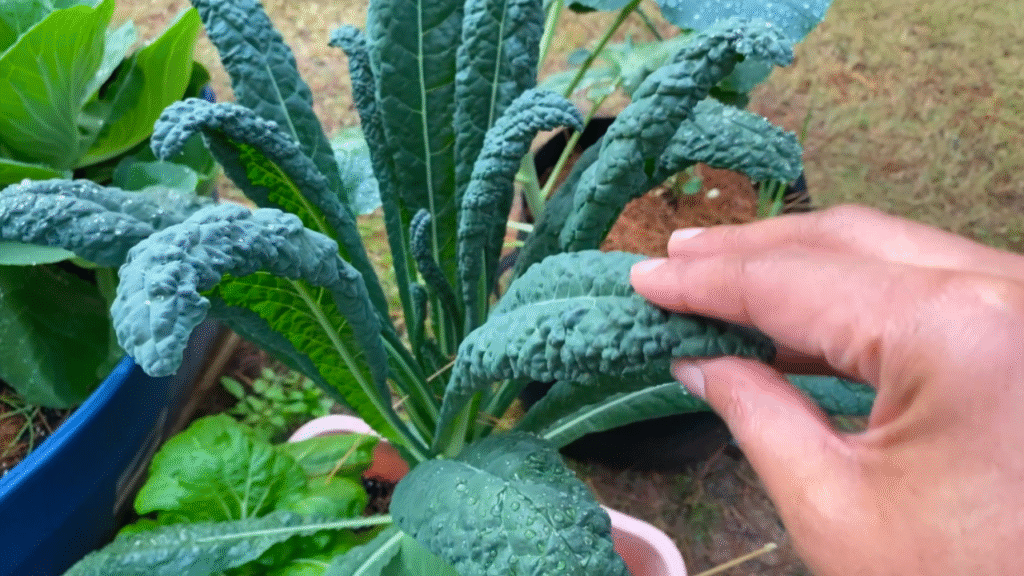
My First Time Growing Kale (and Why I Loved It)
Kale was one of those crops I had heard people rave about, but I didn’t expect to enjoy growing it as much as I did. I planted the Lacinato variety (also known as Dinosaur or Tuscan kale), and let me tell you , this kale is delicious. It has a slight sweetness to it, especially in cooler weather, and it grows beautifully in the fall.
What surprised me the most was how quickly it germinated and how strong the seedlings were once I transplanted them outside. As a beginner who started gardening just a year ago, kale felt like one of those crops that meets you where you are. It didn’t require perfection. It didn’t stress me out. It just grew.
Why Kale Is One of the Best Beginner Crops
Kale has so many qualities that make it perfect for new gardeners:
- Cold-hardy — The cooler the weather, the sweeter it tastes.
- Fast-growing — You’ll see results quickly.
- Great for small spaces — Works extremely well in containers.
- Easy harvesting — Just pick outer leaves and let the plant keep producing.
- Resilient — Handles temperature swings surprisingly well.
As someone still learning, these traits made my fall garden so much more enjoyable and gave me the confidence to keep planting.
How I Amended the Soil for Kale (My Exact Method)
I amended the soil for my kale the same way I did for my bok choy, keeping it simple but effective. This is what I used:
Base Soil:
- Organic potting mix
- Compost or worm castings
- A little perlite for drainage
Fertilizers I Added Before Transplanting:
- Bone meal – excellent for strong root development
- 4-4-4 fertilizer – a balanced, all-purpose feed
- Worm castings – adds nutrients + improves soil structure
- Blood meal – leafy greens LOVE the extra nitrogen
Even though I stick to just a few fertilizers, they have worked extremely well for my brassicas, including kale. You don’t need complicated products or pricey additives. A simple, consistent setup is all you need.
Planting & Spacing Your Kale
Kale might be one of the easiest veggies to organize in your fall garden because it doesn’t require much room:
Spacing:
- 12–18 inches apart
- Allows good airflow
- Helps prevent disease
Sunlight:
- 6+ hours of full sun
- Can still grow in partial shade
- Cooler temps = even better leaf flavor
Watering:
- Keep soil consistently moist
- Deep watering 2–3 times a week
- Never let the soil dry out completely
- Mulch around the base to regulate moisture
Fall weather already helps with moisture, but mulching makes a huge difference.
Harvesting Kale (My Real Experience)
Harvesting kale is one of the most satisfying parts of growing it. When my plants reached a good size, I harvested a whole bunch of leaves, and it felt like such a win as a beginner.
How to Harvest:
- Start with the outer leaves
- Leave the inner leaves intact so the plant can keep growing
- Use scissors or snip cleanly — avoids damaging the stem
- Only harvest a little at a time unless you plan a big harvest
I used scissors for a clean cut, and the plant kept producing beautifully afterward.
Winter Protection & Freeze Warnings
Kale is cold-hardy, but young seedlings still need some protection. Right now, I have a freeze warning coming up, and because I have baby kale seedlings in the garden, I’m planning to cover them.
Use row covers when:
- A freeze warning is issued
- Temps drop significantly
- Seedlings are still young and tender
Kale can survive cold, but protecting it early helps ensure strong long-term growth.
Why Kale Belongs in Every Beginner’s Fall Garden
Kale truly surprised me. It was easy, fast-growing, and incredibly forgiving — exactly what you want as a new gardener. The flavor, the resilience, and the steady harvests make it one of the best fall crops you can start with.
If you want a crop that boosts your confidence and rewards you quickly, kale is absolutely the way to go.
Collard Greens : The Tough, Forgiving Fall Crop Every Beginner Should Try
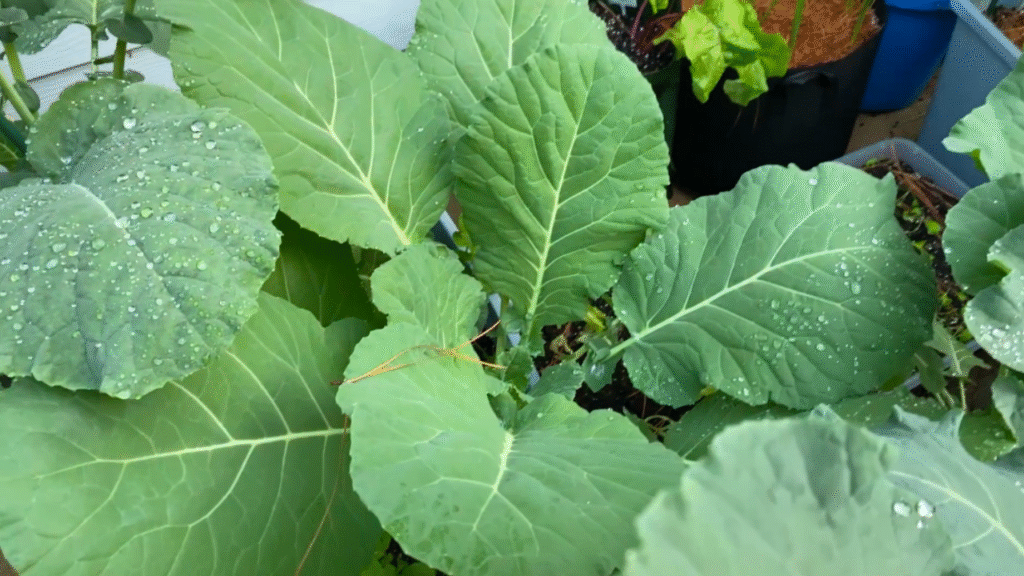
My First Time Growing Collard Greens
Collard greens were the biggest surprise of my entire fall garden. This was my first time ever growing collards, and I honestly didn’t know what to expect. I knew they were popular here in the South, but I didn’t realize just how easy and beginner-friendly they were until I tried them myself.
From the moment I transplanted my seedlings, these plants showed me that they were tough, patient, and incredibly forgiving. As a new gardener still learning the basics, collard greens made me feel like I actually knew what I was doing. They became one of my top recommendations for easy veggies to grow in the fall because they truly work with you, not against you.
The Variety I Chose: Georgia Southern Creole
I planted the Georgia Southern Creole variety, and it has been perfect for my Zone 8 garden. Here’s what I learned about this variety:
- It produces big, beautiful leaves
- It handles cold very well
- It tolerates heat, too
- It’s reliable and sturdy
- It doesn’t panic when temperatures fluctuate
I haven’t grown collards through the summer yet, but everything I’ve learned says this variety can handle both heat and cold, making it a strong year-round option.
How I Amended the Soil (My Exact Method)
Just like with my bok choy and kale, I kept my soil amendment simple but effective. Collards grow large leaves and strong roots, so I wanted to make sure the soil had everything they needed.
Base Soil Mix:
- Organic potting mix
- Compost or worm castings
- A little bit of perlite for drainage
Fertilizers I Added Before Transplanting:
- Bone meal — strong, deep root support
- 4-4-4 balanced fertilizer — all-purpose nutrition
- Worm castings — improves soil texture and nutrient content
- Blood meal — great nitrogen boost for leafy greens
This combination created a rich, fertile environment that helped my collards grow quickly and stay healthy.
Container Size Matters
Collard greens grow BIG, and so do their roots. That’s why container size plays a huge role in your success.
Here’s what worked for me:
- Minimum container size for one collard plant: 10 gallons
- The ones in the video were in an 18-gallon container
- Bigger containers = happier collards
If you’re a container gardener like me, don’t try squeezing collards into small pots. They want room to stretch their roots and grow those giant leaves.
Sunlight & Watering Needs
Collards aren’t demanding, but they appreciate consistency.
Sunlight:
- 6+ hours of full sun
- Can tolerate some heat and some cold
- Love fall temperatures
Watering:
- Water deeply 2–3 times per week
- Keep soil consistently moist, never bone-dry
- Add mulch (I used pine needles) to hold moisture and protect roots
Once mulched, my collards stayed happy, hydrated, and strong.
My Feeding Schedule
My feeding routine for collards is extremely simple, perfect for beginners:
Weekly:
- Fish emulsion mixed into water
- Helps boost leaf production
Every 3–4 weeks:
- Another round of 4-4-4 fertilizer
Optional but Highly Effective:
- Banana peel water — boosts potassium and phosphorus
- Buried banana peels — feed the soil slowly
- Great for strong roots and healthy leaves
This routine kept my collards thriving without overwhelming me.
Why Collard Greens Are One of the Best Easy Veggies to Grow
Collards absolutely deserve a spot on your beginner list. They are:
- Resilient
- Forgiving
- Cold- and heat-tolerant
- Productive
- Beginner-approved
Most importantly, they gave me a huge confidence boost. As a first-year gardener, watching my collard greens grow beautifully made me feel proud, excited, and capable of growing even more.
If you want a fall crop that is sturdy, reliable, and perfect for new gardeners, collard greens are definitely one of the best easy veggies to grow in your fall garden.
My Personal Fall Gardening Routine
Fall gardening has a completely different rhythm compared to spring and summer, and I’ve grown to appreciate that slower, gentler pace. My routine feels calmer, more intentional, and honestly more enjoyable. Every day looks a little different, but there are a few things I consistently do to keep my fall garden thriving.
Most mornings, I start by simply walking through the garden and observing everything. Fall plants grow at a steady pace, so it’s easy to notice small changes — a new leaf forming, the color deepening, seedlings settling in. As a new gardener, these little moments feel like progress and keep me motivated. I don’t rush around watering or shading plants the way I do in summer. Instead, I take time to look, feel the soil, and understand what each plant needs.
Checking the weather has become a big part of my routine too. Fall temperatures can shift quickly, so I make it a habit to keep an eye on upcoming cold fronts or freeze warnings. If I see a drop coming, I mentally prepare to cover seedlings, close up grow bags, or pull out row covers. It’s not stressful , just part of the rhythm of fall gardening.
Watering is something I approach with much more ease this season. The cooler air means soil doesn’t dry out as fast, so I usually check moisture every couple of days rather than daily. If the soil feels cool and moist, I leave it alone. If it’s dry about an inch down, I give everything a deep soak.
And of course, there’s harvesting, which is honestly the best part. Even on days when I’m tired, clipping a handful of kale or seeing a bok choy head ready to harvest instantly lifts my spirit.
Why These Three Crops Are Perfect for New Gardeners
Starting a garden can feel overwhelming, especially when you’re brand new and unsure which crops will actually cooperate with you. That’s exactly why I wanted to highlight bok choy, kale, and collard greens; the three crops that made fall gardening feel simple, manageable, and confidence-building for me. Here’s why they’re perfect for beginners:
1. They Don’t Require Perfection
These crops are forgiving, which is exactly what a new gardener needs.
They tolerate:
- Small mistakes
- Minor watering inconsistencies
- Temperature shifts
- Less-than-perfect soil
You don’t need expensive tools or complicated supplies. They grow with what you have.
2. They Give Quick, Encouraging Results
As a beginner, early wins matter. These crops grow at a pace you can see, which keeps you motivated.
You’ll notice:
- New leaves forming
- Steady height increase
- Visible progress each week
- A sense of accomplishment you can build on
Seeing real growth boosts confidence and makes you want to keep learning.
3. They Thrive in Small Spaces
Whether you’re gardening in an apartment, on a patio, or in a small yard, these crops fit perfectly into containers.
They work well for:
- Grow bags
- Balcony pots
- Patio containers
- Compact garden beds
You don’t need a huge backyard to succeed.
4. They’re Truly Beginner-Friendly Crops
These vegetables are resilient enough to keep growing even when conditions aren’t perfect.
They are:
- Tough
- Steady
- Reliable
- Low-maintenance
And because they’re some of the most easy veggies to grow, they make the entire gardening experience feel achievable rather than intimidating.
These three crops gave me the confidence to continue gardening, and I truly believe they’ll do the same for anyone just getting started.
My Monthly Planting Guide
When I first started gardening, the most confusing part wasn’t the soil, the containers, or even the seedlings; it was figuring out what I could plant each month in my zone. Every time I searched online, I found different answers. Some people said plant now, others said wait, and a lot of advice wasn’t even written for my climate. That constant guesswork is exactly why I created my Monthly Planting Guide. It’s designed to give beginners a clear, simple roadmap of what to plant and when, based entirely on your USDA zone.
The guide tells you exactly which crops you can start indoors, which ones can be direct sown outside, and which ones you should hold off on until the timing is right. Instead of guessing or hoping for the best, you get a straightforward month-by-month breakdown customized to your zone. What works for gardeners in Zone 10 is completely different from what works in Zone 6 or Zone 8, and this guide takes all of that into account so you never waste seeds or plant at the wrong time.
One of the best parts of the guide is how it helps you stay consistent. A lot of new gardeners miss planting windows simply because they don’t know when the season changes or when a new opportunity opens. With this guide, you can look at the month ahead and know exactly what you can grow, what’s coming next, and how to plan your garden in a way that fits your climate. It also makes small-space gardening easier by helping you rotate and succession-plant without the overwhelm.
This is the resource I wish I had when I first began. It makes planning simple, keeps you on track, and shows you exactly what to plant every single month based on your zone.
Closing Thoughts
Fall gardening has completely changed the way I look at growing food. A year ago, I never imagined I’d still be planting, harvesting, and watching new leaves form while the temperatures cooled down. But this season showed me that gardening doesn’t have to stop when summer ends — and it definitely doesn’t have to be complicated. Bok choy, kale, and collard greens reminded me that some of the most rewarding vegetables are also the simplest ones to grow.
What encouraged me the most is that these were all crops I planted for the very first time. I didn’t have special tools, years of experience, or perfect conditions. I just had the desire to keep growing, even as a beginner. And these plants met me exactly where I was. They were forgiving, resilient, and steady; everything a new gardener needs.
If you’re new to gardening or even just thinking about starting, I hope this gives you the confidence to try a few fall crops of your own. You don’t need a big space or a complicated plan. You just need a few seeds, a little patience, and the willingness to learn along the way.
And remember: if I can grow these crops in my first year of gardening, you absolutely can too.
*This post contains affiliate links, which means I may earn a small commission at no extra cost to you.