Skip to content
When I first started gardening, I had no idea there were so many veggies to plant in winter. Honestly, I didn’t believe you could grow anything once the Summer garden slowed down. Like most beginners, I thought gardening had a strict start-and-stop schedule: plant in Spring, harvest in Summer, and then pack everything away until the following year. Even my own stepfather, the person who inspired me to start growing food, was shocked when I told him I was still planting crops in December. He literally said, “Wait… you’re still planting things?” And that reaction is so common because many people have never seen what a Winter garden can actually do.
But here’s what surprised me: there are so many things you can grow in December. Once I learned what to plant in December and what truly thrives in cold weather, it completely changed the way I garden. Now I look at Winter as a season full of possibilities, not a dead zone between Fall and Spring. Even if you live somewhere where the ground freezes solid or snow covers everything, there are still creative ways to grow; whether that’s indoors, in containers, or with simple protection methods.
So today, I want to share my real experience growing a Winter garden here in Zone 8, and help you understand what to grow in winter so you can keep your garden going long after most people have called it quits.
What You Need to Know First
December is such a strange month for Zone 8 gardeners. One day it’s 66 degrees and raining, and the next day the freeze is knocking at the door. When I first started learning about veggies to plant in winter, I didn’t realize how much the temperatures flip-flop this time of year, or how important it is to be prepared for the sudden drops. Even though we’re blessed with milder Winters compared to some zones, December still requires a mix of bold planting and smart protection.
The biggest thing to understand about growing a Winter garden in Zone 8 is this: cold-weather crops absolutely can grow in December, but only if you protect them when the temperatures dip. Cool-season veggies love chilly conditions, but prolonged freezing can still shut them down. That’s why I always make sure to have my protection ready before I start planting anything.
My December basics include:
- Lightweight row covers
- Old sheets or blankets for emergency freezes
- Mulch around plant bases to insulate roots
Row covers are my go-to because they’re easy, breathable, and gentle on delicate crops. I keep mine folded and ready so I can grab them quickly when the weather suddenly shifts. If the forecast shows a hard freeze lasting more than a few hours, that’s when I layer up. Row cover first, then a sheet or blanket if I need extra protection. It’s simple, but it makes the difference between thriving crops and frost-burned leaves.
Even though December feels like a pause between Fall and Spring, it’s actually a great month to direct sow some cold-loving crops and prepare for what’s ahead. January and February are the big Spring seed-starting months, but December isn’t a gardening “dead zone” at all. Learning what to plant in December helps you make better use of this window so you’re harvesting when everyone else is just starting.
Once I began embracing what to grow in winter, my garden transformed from a seasonal hobby into something I could enjoy year-round; no long break, no empty containers, just steady growth through the colder months.
Alliums (Onions + Bunching Onions)
When I started looking into veggies to plant in winter, onions were honestly the last thing on my mind. I always thought onions needed warm weather or long Summer days, but it turns out onions are one of the best crops to grow in Winter, especially here in Zone 8. This is my first season growing them, and I’ve learned so much already just from watching how they respond to the cold. If you’ve never grown onions before, December is actually a perfect time to start.
Why Onions Are Perfect for Winter Gardening
Cold weather is not a problem for onions, if anything, they love it. The cool temperatures help them establish strong roots and healthy tops long before they start bulbing up later in the Spring and early Summer.
Why Alliums thrive as veggies to plant in winter:
- They prefer colder temperatures for early growth
- They’re naturally frost tolerant
- They don’t bolt easily in Winter (unlike Spring heat)
- They’re slow growers, so starting now gives you a head start
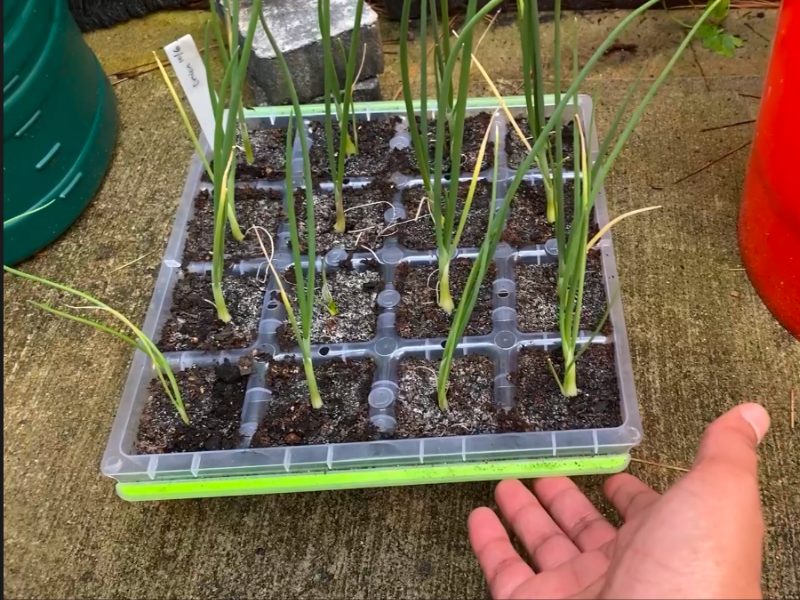
I was surprised at how well my Texas Early Grano seedlings handled the chill. Even before I transplanted them, I could tell they were stronger than most of the crops I started inside.
Starting Onions in December (Even If You’re Late)
I planted my onions indoors on October 6th, and they’ve been waiting way too long in that tray, but honestly, you can still start onions right now in December and get a harvest by Summer.
Here’s the best way to start them:
Soil Mix
Onions need loose soil so they can form big bulbs later.
A great mix looks like this:
- 50% quality potting mix
- 30% compost
- 10% perlite
- 10% worm castings
Avoid heavy, claylike mixes that will choke out bulb formation.
How to Sow Onion Seeds
- Sprinkle seeds evenly on the surface
- Lightly cover with ¼ inch of soil
- Bottom-water to avoid disturbing the seeds
- Keep the soil consistently moist (not soaked)
- Provide bright light for 14 -16 hours a day
Onions grow like grass at first, so don’t be alarmed. It’s normal!
Hardening Off + Transplanting Outdoors
This part has been a journey for me. My seedlings sat in their tray too long, which is why I’m hardening them off now in December. They look thin, but once they get into real soil, they bounce back fast.
Hardening off tips for December:
- Start with 1-2 hours outside in filtered light
- Increase time daily
- Keep seedlings protected from cold wind
- Don’t harden off during a freeze
Once they’re ready, transplant them into your containers or beds.
Transplant Tips
- Separate seedlings gently (they untangle easily)
- Plant 4-6 inches apart
- Bury them about an inch deeper than they grew in the tray
- Water immediately after planting
December-transplanted onions will sit quietly through Winter, then take off in Spring.
Feeding & Ongoing Care
Onions are heavy nitrogen feeders early on. This builds strong leaves, and every leaf represents a ring on your final onion bulb.
Feed onions with:
- Fish emulsion (weekly or biweekly)
- Blood meal (light sprinkle once per month)
- Balanced fertilizer (4-4-4) every 3-4 weeks
Once Spring arrives and bulbs start forming, ease up on nitrogen and switch to:
Watering
- Keep soil consistently moist
- Avoid waterlogging; onions rot easily
- Mulch lightly around the base to regulate temperature
Bunching Onions: The Easiest Winter Allium
These have been the most carefree plants in my garden. I never even harvested them at first. I treated them like decoration and pest repellent, and they just kept growing.
Why bunching onions are amazing for winter:
- Extremely cold hardy
- Perennial in mild climates
- Natural pest repellent
- Grow well in containers next to leafy greens
I love snipping them for meals as needed, and they bounce back quickly.
If you’re new to Winter gardening and wondering what to plant in December, onions and bunching onions are truly set-and-forget crops. They taught me patience, resilience, and the beauty of slow-growing Winter veggies.
Peas + Fava Beans (The Cold-Loving Winter Legumes)
When I started exploring veggies to plant in winter, I never imagined that beans and peas could survive, let alone thrive, during the coldest months of the year. Growing up, beans were always a Summer crop in my mind: warm soil, blazing sun, long vines climbing trellises in June. It never crossed my mind that certain legumes actually prefer cool weather. But once I began experimenting with Winter gardening in Zone 8, peas and fava beans quickly became two of my favorite crops to plant in December.
Not only are they resilient and easy to grow, but they also give you that satisfying feeling of seeing real growth in the garden during a season when most people think nothing can survive. These crops helped debunk my own myths about what to grow in winter, and they might do the same for you.
Sugar Snap Peas: A Surprisingly Hardy Winter Crop
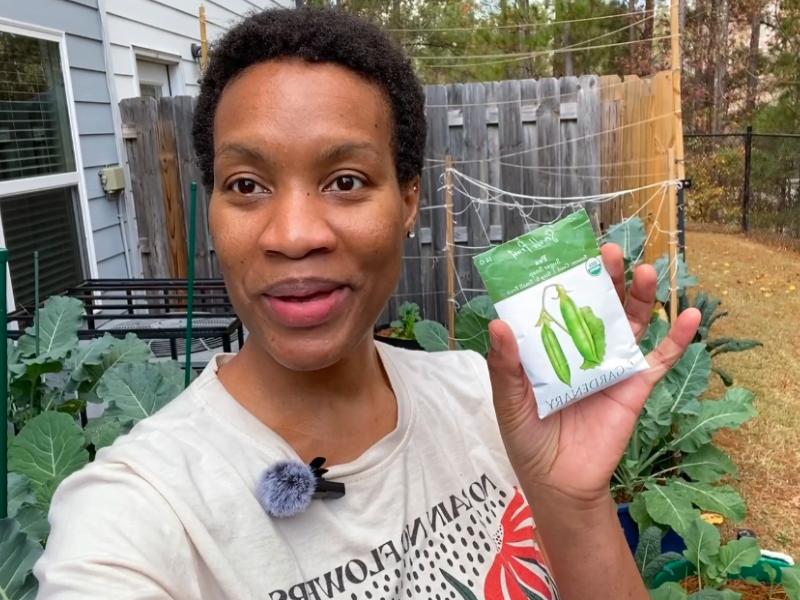
Let’s start with sugar snap peas, one of the most underrated December crops. In Zone 8, you can direct sow peas in December, and even though the growth will be slow due to short daylight hours, peas are incredibly cold-tolerant. They don’t need warm soil, and they don’t require a head start indoors. In fact, they actually prefer being started in cool temperatures.
I meant to start mine earlier this season but completely forgot. That’s ok, it happens! The good news is peas are forgiving, and December is still a great time to tuck them into your garden.
How to Plant Sugar Snap Peas in December
Peas love a loose, fertile, well-draining soil mix. Here’s the blend I’ve had success with:
- 50% potting mix
- 30% compost
- 10% perlite
- 10% worm castings
This gives you a soil that retains moisture (which peas love) without becoming soggy.
Planting Steps
- Sow seeds 1 inch deep
- Space 2-3 inches apart
- Install trellis or support when planting
- Water deeply once after sowing, then lightly until sprouting
Peas latch onto anything, so having your trellis ready early prevents tangling or stunted vines.
Feeding Peas
Peas fix their own nitrogen, meaning you do not have to fertilize heavily.
Best “feeds” include:
- A top-dressing of compost
- Liquid kelp every 2-3 weeks
Avoid high-nitrogen fertilizers. They cause leafy growth with no pods.
Cold Protection
Peas tolerate frost extremely well, but extended freezes call for:
- Row covers
- Mulch around the base
- Wind protection on colder nights
They may grow slow now, but once daylight increases in late Winter, they explode with energy.
Fava Beans: Your Most Impressive Winter Crop Yet
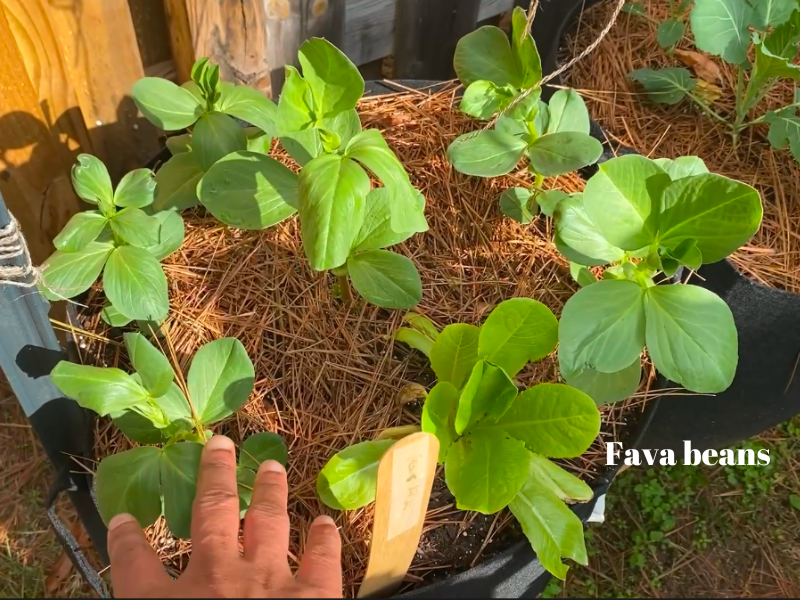
Now let’s talk about the Winter bean that impressed me the most: fava beans. I planted mine on October 20th in a container with an existing trellis, and this was my very first time growing them. I had no idea what to expect. But from day one, I could tell they were built for the cold.
Fava beans are one of the strongest, most reliable veggies to plant in winter if you’re in Zone 8. They stand tall, resist frost, and grow steadily even when most crops slow down.
Why Fava Beans Are Perfect for Winter
- Extremely frost tolerant
- Less susceptible to pests in Winter
- Improve the soil by fixing nitrogen
- Thrive in containers
- Grow well even with fluctuating temperatures
How to Grow Fava Beans in December
Fava beans prefer a slightly richer, denser soil than peas because they need to support larger, thicker stems.
Soil Mix
- 40% potting mix
- 40% compost
- 10% perlite
- 10% worm castings
This provides stability, nutrients, and airflow.
Planting Steps
- Sow seeds 1-2 inches deep
- Space 4-6 inches apart in containers
- Water deeply after planting
- Add mulch to stabilize soil temperature
Feeding
Because fava beans fix nitrogen, they do not want high-nitrogen fertilizers.
Use instead:
- Bone meal (for root development + flowering)
- Kelp meal (for cold resistance + overall vigor)
- Compost top-dressings
Support
Fava beans get tall and need support:
- Trellis
- Tomato cage
- Bamboo stakes
- Netting
A little structure goes a long way.
Protection
They survive frost extremely well, but long freezes call for:
Companion Planting: Fava Beans + Lettuce
One of my favorite discoveries this Winter is pairing fava beans with lettuce. This combination works beautifully:
- Fava beans produce nitrogen → lettuce loves nitrogen
- Lettuce shades the soil → helps fava beans stay moist
- Both crops thrive in cold temperatures
This pairing has made my container look full, healthy, and productive in a season when most people don’t think food can grow.
Peas and fava beans are some of the easiest and most rewarding veggies to plant in winter. They are resilient, low-maintenance, and incredibly satisfying to grow when your garden feels quiet.
Root Vegetables (Beets, Radishes, Carrots, Turnips)
When you’re trying to decide on veggies to plant in winter, root vegetables should always be on your list. They’re reliable, they germinate beautifully in cool soil, and they’re incredibly low-maintenance, especially if you’re growing in containers. I love root vegetables in December because they take the guesswork out of Winter gardening. As long as the soil stays somewhat workable, they’ll continue growing quietly underground, even when the air feels cold. Let me walk you through how I grow my Winter root crops and what has worked well for me here in Zone 8.
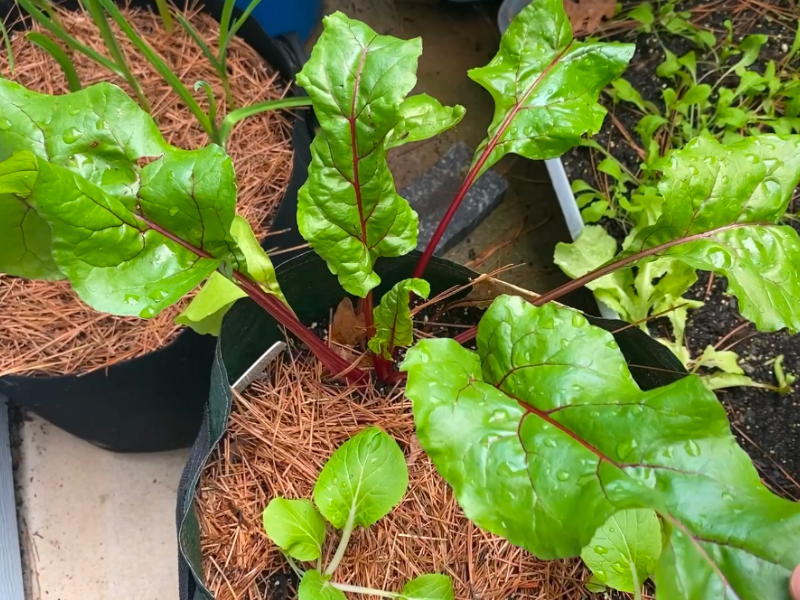
Why Root Vegetables Are Some of the Best Winter Crops
Root vegetables are naturally designed for cold weather. When temperatures drop, these crops actually develop better flavor and sweeter roots. They also don’t require the same level of sunlight and heat as Summer crops, so they’re ideal when the days are shorter.
Here are a few reasons to include them when choosing what to plant in December:
- Cold improves flavor
- They germinate well in cool soil
- They’re perfect for containers and small spaces
- They’re extremely beginner-friendly
- They don’t need constant attention
Winter gardening can feel intimidating, but root vegetables make it feel simple and incredibly rewarding.
Beets: Cold-Loving and Beginner-Friendly
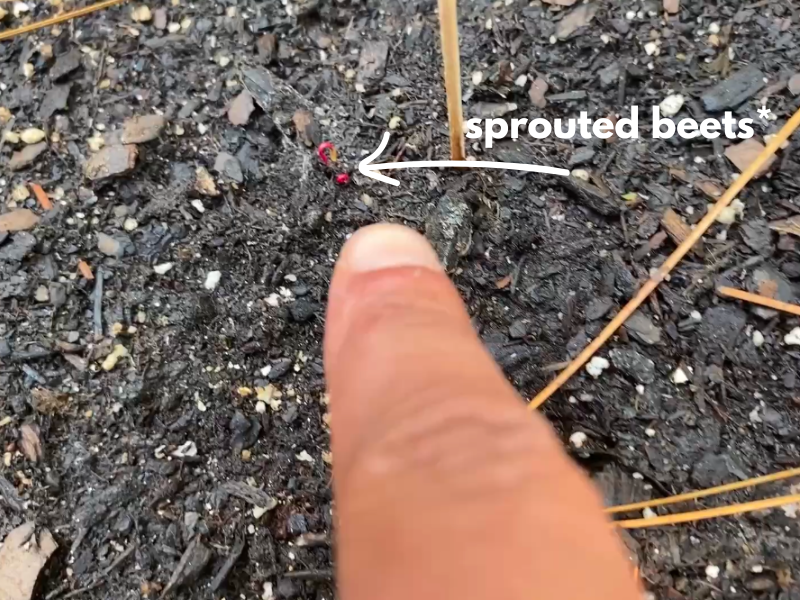
Beets thrive in Winter, and they’ve become one of my favorite cold-season crops. When I planted my beets, I marked each seed with a toothpick so I could water the right spots without overdoing it. A couple of weeks later, those tiny red stems started coming up, and it was such a confidence booster for my Winter garden.
How to Grow Beets
Soil: Beets need loose soil so the roots can form properly. I use:
- Potting mix
- Compost
- Perlite
- Worm castings
Sowing:
- Plant seeds ½ inch deep
- Space 3 inches apart
- Keep the soil consistently moist
Feeding:
If you’re learning what to grow in winter, beets are forgiving, flavorful, and perfect for December.
Radishes: Fast, Fun, and Winter-Proof
Radishes give you quick results, which is great when you want something to look forward to while your slower crops take their time. They’re one of the first Winter germinators for me, and they always seem happy in cool soil.
How to Grow Radishes (Step-by-Step)
Soil: Loose, fluffy soil for even root formation.
Planting:
- Sow seeds ½ inch deep
- Space 2 inches apart
- Direct sow only (don’t transplant)
Care:
- Keep soil evenly moist
- Harvest early for best flavor
If you’re just starting and don’t know what to plant in December, radishes are hands-down one of the easiest.
Carrots: Slow but Sweet Winter Growers
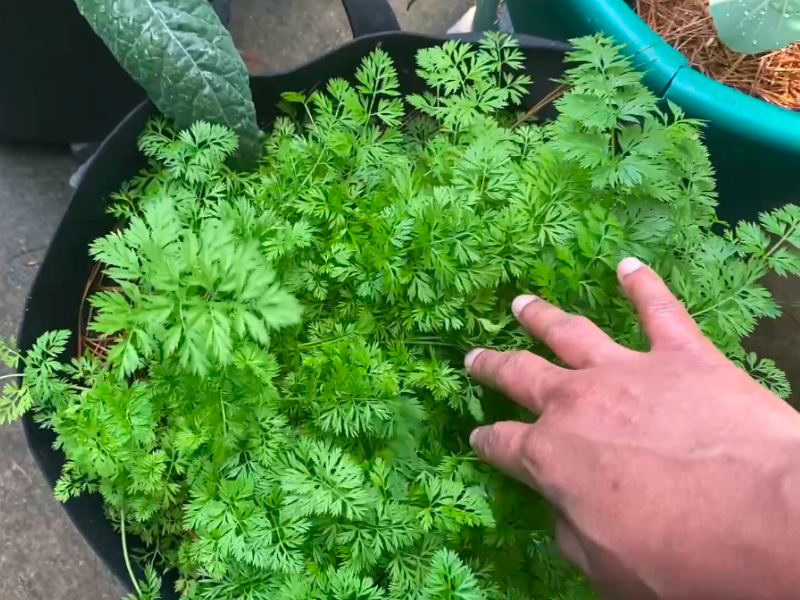
Carrots take patience, but Winter is the perfect time for them because the cold makes them sweeter. When I plant carrots, I always make sure to choose a deeper container because they need room to grow straight.
How to Grow Carrots
Sowing:
- Sprinkle seeds on top of the soil
- Lightly cover with fine soil or vermiculite
Moisture:
- Keep top layer moist until germination
- Use a misting bottle so seeds don’t wash away
Growing:
- Provide deep soil (10-12 inches)
- Ensure you thin them 3-4 inches apart
- Allow them to grow slowly throughout Winter
They may take their time, but nothing beats that first Winter carrot pull.
Turnips: Underrated but Extremely Easy
Turnips are cold-hardy, productive, and great for both greens and roots. They’re one of the Winter crops I always recommend to beginners because they consistently perform.
How to Grow Turnips
Planting:
- Direct sow seeds ½ inch deep
- Space 3-4 inches apart
Soil:
- Nutrient-rich and loose
- Add compost at planting
Care:
- Keep soil evenly moist
- Harvest greens early if desired
Turnips grow quickly in December and will continue to develop through Winter.
Root vegetables stay active even when temperatures drop, making them some of the most reliable veggies to plant in winter. If you’re looking for dependable crops while learning what to grow in winter, root vegetables will keep your garden alive, productive, and growing during the coldest months.
Collards: The Resilient Winter Green
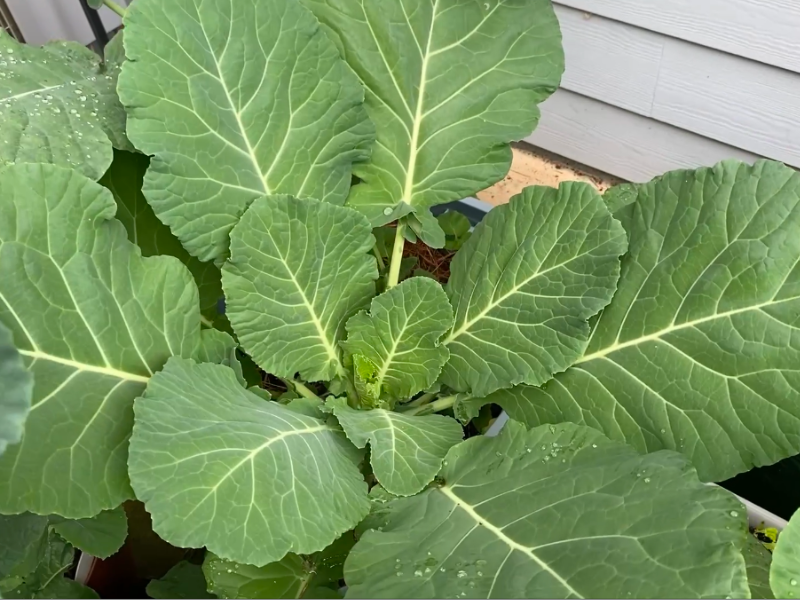
Collards have officially become one of my favorite crops to grow in the cold months. If you’re learning what to plant in December or looking for reliable veggies to plant in winter, collards are hands-down one of the most forgiving greens you can put in the ground. When I first started growing collards, I assumed they needed warm weather like most leafy greens. But Winter quickly proved me wrong. Collards LOVE the cold, and in fact, they taste even better after a few chilly nights. If you want a Winter crop that grows steadily, survives dips in temperature, and gives you harvest after harvest, collards need to be on your list.
Why Collards Thrive in Winter
Collards are naturally cold-hardy. They belong to the brassica family (cabbage, kale, broccoli, etc.), but they are often even tougher than those crops.
Why grow collards in Winter:
- Cold temperatures improve flavor
- Leaves remain tender even when large
- Plants can tolerate light frosts and brief freezes
- They grow slowly but steadily all Winter long
- They’re perfect for container gardening
If you want something resilient while choosing what to grow in winter, collards are dependable from December all the way into Spring.
How To Plant Collards in December
You can start collards in two ways: direct sow outdoors or start seedlings indoors and transplant. In December here in Zone 8, I do both depending on the weather patterns.
How To direct sow collards:
- Plant seeds ¼ inch deep
- Space them 12 inches apart in containers
- Water gently and keep soil moist until germination
How To transplant collard seedlings:
- Bury the stem slightly deeper to stabilize the plant
- Firm the soil around the root ball
- Water deeply right after transplanting
When I planted my collards earlier this season, some were tiny outdoor starts I grew in Fall, and others were nursery transplants. Both handled the December temperatures extremely well.
Soil Prep & Amendments
Collards grow best in nutrient-rich soil. Winter can slow nutrient uptake, so I make sure the soil is well-fed at the beginning.
Here’s the soil blend I use for strong Winter collards:
- High-quality potting mix
- Compost for slow-release nutrients
- Perlite for drainage
- A handful of worm castings
- A scoop of blood meal or a 4-4-4 balanced fertilizer
Collards are heavy feeders, especially when grown in containers. I top-dress mine with compost every 4-6 weeks to give the leaves a nutrient boost.
Winter Care, Watering & Protection
Winter care is simple with collards, but consistency makes a big difference.
Watering
Even in Winter, container soil can dry out faster than you expect. I water my collards whenever the top inch of soil feels dry. During warm December days, I sometimes water every other day.
Protection
If you’re in Zone 8, collards can survive light freezes, but I still keep protection nearby.
What to use when temperatures drop:
- Row covers
- Old bed sheets
- Frost blankets
When we dipped into the 20s recently, I covered the plants overnight and removed the covers during the day. This helped my young collards continue growing without any cold damage.
Garden Pests in Winter
Surprisingly, collards experience fewer pests in Winter. But if temperatures warm up suddenly, you might see:
- Aphids
- Cabbage worms (rare, but possible)
I remove pests by hand or spray with neem oil when needed.
Harvesting & What to Expect
Collards grow steadily through December, but they aren’t fast growers in the cold. Don’t expect huge harvests overnight. Instead, expect slow, steady progress.
How to harvest collards:
- Pick the outer leaves first
- Leave the center to keep producing
- Harvest only what you need to encourage continuous growth
My collards from nursery transplants grew quickly, while the seedlings I started outdoors are growing slower but still strong. Both will continue producing through Winter and explode with new growth once Spring arrives.
Herbs: Small but Mighty Winter Crops
Herbs are one of the most underrated categories when people talk about which veggies to plant in winter. Most gardeners assume herbs need warm weather, but that’s not true at all. Several herbs actually thrive in cool temperatures, and many do extremely well indoors when the outdoor weather becomes unpredictable. Herbs are also perfect if you’re growing in smaller containers or if you want to bring a part of your garden inside. Let me walk you through the herbs I grow in Winter, how to care for them, and what has worked for me in Zone 8.
Why Herbs Make Great Winter Crops
Herbs are incredibly resilient plants, and many can grow beautifully all Winter long with just a little extra care. If you’re someone who loves fresh flavor in your meals, growing herbs in December is one of the easiest ways to keep your kitchen stocked.
Here’s why herbs belong on your list of what to grow in winter:
- Many herbs tolerate cold weather
- They grow well in small containers
- They do not require deep soil
- They can be grown indoors next to a sunny window
- They germinate quickly compared to other Winter crops
The best part? You don’t need a lot of space to grow herbs. Even if your outdoor garden freezes, you can still grow herbs inside and harvest fresh flavor year-round.
Parsley (My Favorite Winter Herb)
If you’re looking for an herb that thrives in Winter, parsley is my number-one recommendation. It grows beautifully indoors and outdoors in cold weather, and it’s one of the easiest herbs to maintain.
How To Grow Parsley in Winter (Indoors & Outdoors)
Soil:
Parsley needs moisture-retentive soil, especially for germination. I learned this the hard way when I let some of my cells dry out and ended up with empty compartments. Now, I stay consistent.
Indoor parsley setup:
- Small pots or cell trays
- A bright windowsill
- Lightly moist soil (never dry)
- Gentle bottom watering
Outdoor parsley setup:
- A medium container
- Morning sun, afternoon shade
- Consistent watering
Parsley is one of those herbs that teaches you patience through germination but rewards you with a lush plant that you can harvest all Winter long.
Cilantro – A Cold-Lover That Surprises New Gardeners
Cilantro is one of those herbs that bolts instantly in Summer heat… which makes Winter the perfect time to grow it. If you’re in Zone 8, December is actually a prime time to start cilantro.
How to Grow Cilantro in December
Sowing:
- Sow seeds ¼ inch deep
- Space them about 2 inches apart
- Direct sow outdoors or plant indoors
Care:
- Keep soil cool
- Water consistently
- Provide morning sun
Cilantro thrives in containers, raised beds, and even indoor pots. If you enjoy cooking with fresh herbs, you will love how well cilantro performs in cold weather.
Oregano – Low-Maintenance and Winter-Ready
Oregano is one of the easiest herbs to grow during the Winter months because it doesn’t demand constant care. It grows slowly in December, but it stays green and flavorful, which makes it perfect for a cold-season herb list.
How to Grow Oregano in Winter
Soil:
- Well-draining soil
- Moderate compost
- Minimal fertilizer
Planting:
- Start with a transplant if possible
- Place in a sunny indoor spot or a sheltered outdoor area
Care:
- Water lightly
- Avoid overwatering
- Prune sparingly
Oregano is a strong option when choosing what to grow in winter, especially if you want something that requires very little attention.
Using Herbs Indoors When Outdoor Temps Dip
Even though Zone 8 allows you to grow several herbs outdoors in December, I still like to bring some inside when frost threatens. Indoor herbs are easy to manage and perfect for beginners.
Here’s what works for me:
- Place herbs in a bright windowsill
- Rotate pots every few days
- Use bottom watering to prevent fungus
- Trim lightly to encourage new growth
Indoor herbs give you fresh harvests even on the coldest days of the Season.
Herbs may be smaller than your leafy greens or root crops, but they bring so much value to your Winter garden. They grow well in tight spaces, they’re highly productive, and they make Winter cooking so much more enjoyable. If you’re trying to decide what veggies to plant in winter, herbs are affordable, easy, and extremely satisfying to grow.
Bok Choy: A Fast, Cold-Loving Winter Green
Bok choy is also one of the most dependable leafy greens you can grow when you’re choosing veggies to plant in winter. It thrives in cool temperatures, grows quickly, and doesn’t require a lot of space, which makes it perfect for container gardening. Many gardeners assume Asian greens only belong in the Spring garden, but bok choy actually prefers the chill of Fall and Winter. If you want fast results in December, bok choy deserves a top spot on your list of what to plant in December.
Why Bok Choy Is Perfect for Winter Growing
Bok choy loves cool weather. When temperatures drop, it produces tender leaves, crisp stalks, and grows with far fewer pests compared to warm months. That’s one reason it consistently performs well in Zone 8 during December.
Winter advantages:
- Grows quickly (often 30 – 45 days)
- Handles cold nights when protected
- Fewer cabbage worms and aphids in Winter
- Perfect for containers and raised beds
- More bolt-resistant in cool weather
If you’re exploring what to grow in winter, bok choy is one of the easiest greens to start with.
Soil Preparation & Container Setup
Bok choy grows best in loose, nutrient-rich soil. Whether planting outdoors or starting indoors for transplanting later, a well-amended soil mix helps prevent stunted or tough leaves.
Recommended soil mix:
- Quality potting soil
- Compost or worm castings
- Perlite for drainage
- A small amount of slow-release balanced fertilizer
A 3-5 gallon container is more than enough space for a single bok choy plant, but you can grow multiple plants in a wider bed or grow bag. Bok choy has shallow roots, so a deep pot isn’t necessary. Airflow, nutrients, and consistent moisture matter more.
Planting Bok Choy in December
You can either direct sow bok choy or transplant seedlings. In December, both methods work in Zone 8 as long as temperatures aren’t constantly dipping below freezing.
Direct Sowing
- Plant seeds ¼ inch deep
- Space 6-8 inches apart
- Keep the soil evenly moist until germination
- Expect sprouts within 5-10 days in cool soil
Transplanting Seedlings
If you already have small bok choy plants, they can be transplanted into containers or raised beds. Winter transplanting is safe when you protect plants during freezing nights.
Tips for December transplants:
- Plant during the warmest part of the day
- Water deeply after planting
- Add a light layer of pine needle mulch or leaves to protect the soil
Winter Care: Watering, Light & Protection
Bok choy doesn’t need much babysitting in Winter, but consistency is important.
Watering
Even in winter, container soil dries out quickly. Bok choy prefers moderately moist soil, not soggy. Water when the top inch feels dry.
Light Needs
Winter sun is soft but bok choy handles it beautifully.
- 4-6 hours of direct light is ideal
- Morning sun + afternoon shade works well
- Indoors: place near the brightest window or use a small grow light
Protection from Cold Snaps
Bok choy tolerates cold, but prolonged freezing can damage leaves. When temperatures drop into the 20s.
Use:
- Row covers
- Garden fabric
- Bed sheets
- Plastic (only with airflow)
Pests & Troubleshooting
Even though pests are fewer in Winter, some occasional problems still happen.
Common Winter Issues:
- Chewed leaves (from slugs or caterpillars)
- Cold stress after a hard freeze
- Slow growth during shorter days
Solutions:
- Use crushed eggshells or diatomaceous earth around the base for slugs
- Cover plants overnight when frost is expected
- Keep soil mulched to regulate temperature
- Harvest outer leaves to encourage new growth
If something took a bite out of one of your bok choy plants (that happened to me), that’s typical. Winter pests are fewer, but not gone entirely.
Harvesting Bok Choy in Winter
Bok choy offers continuous harvests, making it one of the most productive veggies to plant in winter.
Ways to harvest:
- Cut outer leaves as needed
- Harvest whole heads at 6-8 inches tall
- Let smaller plants continue growing for another round
Because Winter growth is slower, harvesting lightly at a time keeps the plants thriving through December, January, and even February.
Your Go-To Tool for Stress-Free Monthly Planting
If there’s one thing that completely changed the way I garden, it was finally learning what to plant each month based on my zone. There is so much information online, but most of it is either too generic or doesn’t apply to our specific growing conditions. That’s exactly why I created my Monthly Planting Guide. Instead of guessing, Googling every month, or hoping you’re planting at the right time, this guide tells you exactly what you can start indoors and what you can direct sow from January through December, so you’re always planting with confidence. Whether you’re brand-new to gardening or you’re like me and just want a simplified, no-guesswork system, having this month-by-month breakdown makes such a difference.
The guide is especially helpful if you’re trying to grow consistently throughout the year. When you know what your zone can handle, it becomes so much easier to plan your garden, sequence crops, rotate containers, and stay on track with seasonal planting. Instead of falling behind or feeling overwhelmed, you’ll always know what to focus on right now, what’s coming next month, and which crops thrive in each Season. If you’re ready to garden with clarity (not confusion), my Monthly Planting Guide walks you through every single month so you can grow more food with less stress. I’m linking it for you because this one resource alone has helped so many gardeners finally get organized, stay consistent, and make the most out of the space they already have.
Final Thoughts
Winter gardening doesn’t have to feel complicated or out of reach. Once you understand which crops thrive in cool temperatures and how to care for them, growing food in December becomes just as rewarding as planting in Spring or Summer. From root vegetables to collards, herbs, and bok choy, there are so many options that stay productive even when the days get shorter. And the best part is that you can grow all of these in containers, raised beds, or small backyard setups without needing a huge space or perfect conditions.
Some Amazon affiliate links are included in this post, which help support my content at no extra cost to you.