Skip to content
If you’ve ever looked outside during the colder months and thought, “I guess gardening has to wait,” I want you to pause right there, because it doesn’t. Whether your yard is covered in snow, you live in an apartment, or you don’t have any outdoor space at all, you can still grow food indoors.
That’s exactly what this article is about.
When I first started gardening, I didn’t have a big setup, fancy tools, or a deep understanding of how plants worked. I was experimenting, learning as I went, and honestly questioning whether some of this would even work, especially indoors. But what I quickly realized is that indoor growing can actually be one of the best ways to start, especially if you’re new to gardening or working with limited space.
Growing food indoors removes a lot of the pressure. You’re not battling unpredictable weather, pests, or large garden beds. Instead, you’re working with small containers, simple setups, and plants that grow right in front of you – on a windowsill, shelf, or under a light. It’s manageable, approachable, and surprisingly rewarding.
In this guide, I’ll walk you through what food you can grow indoors, what your plants actually need to thrive, and some common mistakes to avoid so you don’t feel overwhelmed or discouraged. Everything shared here applies to containers and small spaces, and it’s written with beginners in mind.
If you’ve ever thought, “I can’t grow food,” this is for you, because you absolutely can.
Can Beginners Really Grow Food Indoors? (Yes – and Here’s Why)
If you’re new to gardening, it’s completely normal to wonder whether growing food indoors is realistic or if it’s something only experienced gardeners can pull off. Many people assume you need years of experience, special equipment, or a large amount of space to be successful. The truth is, indoor gardening is often one of the easiest ways to get started.

When you grow food indoors, you remove many of the challenges that make outdoor gardening feel intimidating. You’re not dealing with unpredictable weather, sudden temperature drops, heavy rain, or outdoor pests. Instead, you’re growing in a controlled environment where you can observe your plants closely and respond to their needs in real time. This makes it much easier to learn as you go.
Indoor growing is also forgiving. You’re typically working with smaller containers, which means mistakes are easier to correct. If something doesn’t go as planned, you can adjust your light, watering, or placement without feeling like you’ve failed an entire garden. These small adjustments are how confidence is built.
For beginners, early success matters. Seeing seeds sprout, leaves form, and food grow right inside your home creates momentum. It shifts your mindset from “I can’t do this” to “I’m actually growing food.” That confidence carries over into every future gardening step, whether you continue growing indoors, move to containers outside, or eventually expand further.
If you’ve never gardened before, starting indoors allows you to learn the basics at a comfortable pace. It’s not about doing everything perfectly. It’s about starting small, paying attention, and realizing that growing food is a skill you can absolutely learn.
The 4 Things Every Indoor Plant Needs to Thrive
Before getting into what food you can grow indoors, it’s important to understand what your plants need in order to grow successfully inside your home. This applies whether you’re working with a windowsill, a shelf, or a small corner under a light. The setup does not have to be complicated, but these basics do matter.
1. Light: Setting Your Plants Up for Success
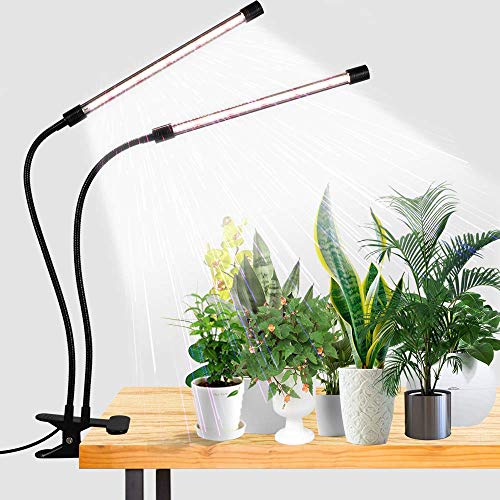
Indoor plants need light, at least 10 to 14 hours per day. If you have a bright, sunny window that receives consistent sunlight for that long, you may not need a grow light. However, for most people, especially during the Winter months, natural light alone isn’t enough.
This is where grow lights come in. The grow light I use is one that automatically turns on and off based on the schedule I set. You can choose 10, 14, or even 16 hours of light, which makes indoor growing much easier because you don’t have to remember to flip the switch every day.
Most of my indoor gardening supplies are purchased online through Amazon, but you can also find grow lights at places like Home Depot or local nurseries. As long as your plants are getting enough consistent light, you’re off to a good start.



2. Seed Trays and Containers with Drainage
The next thing you’ll need is a seed tray or container that allows water to drain. Drainage is important because it prevents the roots from sitting in water, which can cause them to rot.
One of my favorite seed trays is the poppable seed-starting tray from Burpee. I like these because when it’s time to up-pot your seedlings, they’re much easier to remove from the cells. I’ve used other trays before where popping seedlings out was a struggle, so this made a big difference for me.
That said, your setup does not need to be fancy. As long as your container has drainage holes, it will work. You can find seed trays like these at Home Depot or online.


3. Potting Soil (Not Garden Soil)
For indoor growing, potting soil is essential. Garden soil is too heavy and compact for containers, especially indoors. Potting soil is lighter, fluffier, and drains much better, which is exactly what indoor plants need.
While this may look like potting soil, what I’m actually using is a seed-starting mix. I personally mix this seed-starting mix with Happy Frog potting soil. My ratio is about 50% seed-starting mix and 50% Happy Frog, and that combination has worked really well for me when starting seeds indoors.
You don’t have to use the exact same brands, but the key is choosing a soil that’s made for containers and drains well.


4. Watering: Finding the Balance
Watering is one of the biggest challenges for indoor gardeners, and it’s something I still work on myself. Indoor plants tend to grow more slowly during the Winter, which means they need less water than you might expect.
When seeds are first planted, the soil should stay consistently moist. I use a spray bottle and lightly spray the soil every day or every other day until germination. This is especially important for seeds like parsley and spinach. If the soil dries out even briefly, they may not germinate at all.
Once the seeds have sprouted, I switch to bottom watering, at least for the first few weeks. As the plants become more established, I begin watering from the top. Learning when and how much to water takes time, but paying attention to your plants will help you get better at it.
The Easiest Foods to Grow Indoors (Beginner-Friendly and Small-Space Approved)
One of the biggest misconceptions about indoor gardening is that it’s limiting. In reality, there are quite a few foods that grow very well indoors, especially when you’re working with containers or small spaces. The key is choosing plants that don’t require deep soil, heavy feeding, or long growing seasons.
Everything covered in this section is suitable for:
- First-time gardeners
- Apartments and homes without yards
- Containers, trays, and shallow pots
- Indoor setups with grow lights or bright windows
These plants are also forgiving, which means they’re perfect for building confidence while you learn.
Leafy Greens: The Best Place to Start Indoors
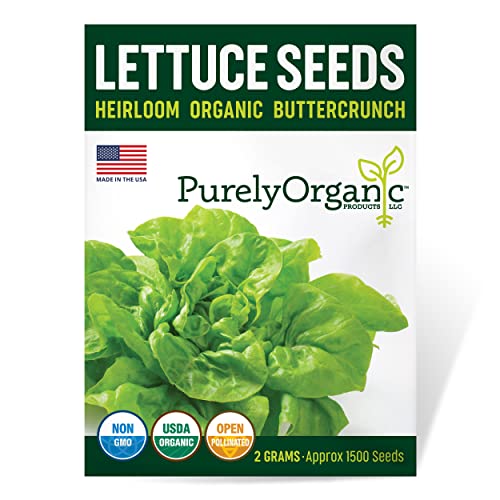
Leafy greens are one of the easiest and most rewarding foods to grow indoors. They grow quickly, don’t need deep containers, and don’t require you to wait months before harvesting.
Great indoor leafy greens include:
- Spinach
- Arugula
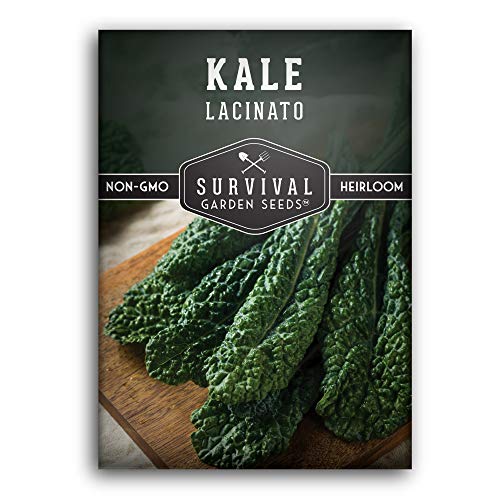
- Kale
Why leafy greens work well indoors:
- Shallow root systems
- Tolerate cooler indoor temperatures
- Grow well in containers
- Can be harvested early as baby greens
How to grow leafy greens indoors:
- Use a shallow container with drainage
- Fill with light, well-draining potting soil
- Sprinkle seeds lightly and cover with a thin layer of soil
- Water gently to avoid washing seeds away
- Place near a bright window or under a grow light
One of the best things about leafy greens is that you don’t have to wait for them to reach full size. You can begin harvesting baby greens as soon as they’re large enough to use, which makes indoor growing feel productive and encouraging.
Spinach, in particular, can be grown indoors, even though it’s known as a cool-season crop. While it can sometimes be tricky, it’s still a great option to try, especially if you’re experimenting and learning what works in your space.

Green Onions: One of the Easiest Indoor Crops Ever
If there is one plant that almost guarantees success indoors, it’s green onions. This is one of the first foods many people grow, and for good reason.
Why green onions are ideal for beginners:
- Extremely forgiving
- Shallow roots
- Grow well in soil or water
- Regrow continuously when harvested
Growing green onions in soil:
- Use bunching onion seeds
- Choose a container about 4 to 6 inches deep
- Fill with potting soil and sow seeds directly
- Keep soil lightly moist
- Place near light
Green onions don’t require deep containers, which makes them perfect for small spaces like windowsills or countertops.
Growing green onions in water (from scraps):
- Cut the green tops off and use them for cooking
- Place the root ends in a small cup of water
- Change the water every couple of days
- No nutrients needed
This method is especially helpful for beginners who want to experiment without committing to soil or containers right away. The more you snip the greens, the more they continue to grow, making this one of the most satisfying indoor plants to maintain year-round.
Herbs: Small Plants With Big Benefits
Herbs are often overlooked as “real food,” but they absolutely count, and they grow beautifully indoors. Not only do they enhance your cooking, but they also encourage frequent harvesting, which keeps plants productive.
Beginner-friendly herbs to grow indoors:
- Cilantro
- Parsley
- Basil
Why herbs work well indoors:
- Compact growth
- Thrive in containers
- Ideal for windowsills and shelves
- Regrow after harvesting
Parsley is a great example of an herb that performs especially well indoors. When grown from seed, it requires patience at first, but once established, it continues to produce as long as you harvest regularly.
Key tips for growing herbs indoors:
- Start seeds in potting soil or seed-starting mix
- Keep soil consistently moist during germination
- Spray daily until seeds sprout, especially for parsley
- Once established, allow soil to dry slightly between waterings
- Harvest regularly to encourage new growth
Herbs should not be watered the same way as leafy greens. While leafy greens prefer consistently moist soil, herbs benefit from slight drying between waterings. This balance helps prevent root issues and promotes healthier growth.
Growing herbs indoors is a great reminder that plants are resilient. Even when you cut stems back, they find new ways to grow, and watching that process builds confidence as a gardener.

Microgreens: Fast Results and a Confidence Booster
Microgreens are one of the fastest ways to grow food indoors, making them perfect for beginners who want quick results. They require very little space and can be harvested in as little as 7 to 14 days.
Popular microgreens include:
- Broccoli
- Radish
- Mustard
- Arugula
Why microgreens are beginner-friendly:
- Short growing cycle
- Minimal setup
- No deep containers needed
- High success rate

How to grow microgreens indoors:
- Use a shallow tray with drainage
- Fill with potting soil
- Sprinkle seeds generously over the surface
- Lightly press seeds into soil
- Keep soil consistently moist
- Once sprouted, provide light
Microgreens don’t require much maintenance, and because they grow so quickly, they offer instant feedback. This makes them especially helpful for new gardeners who may be doubting themselves.
Sprouts: Growing Food Without Soil
Sprouts are another indoor food option and are slightly different from microgreens. Unlike microgreens, sprouts do not require soil and are grown using water only.
Common sprouts grown indoors:
- Broccoli sprouts
- Bean sprouts

How sprouts are grown:
- Seeds are soaked and rinsed regularly
- Grown in jars or sprouting containers
- Harvested in just a few days
Broccoli sprouts, in particular, are highly nutritious and can be grown year-round indoors. While they’re technically considered sprouts rather than microgreens, they still count as food and are an excellent addition to an indoor growing routine.
Sprouts are a great option if you want to grow food indoors without dealing with soil at all.
Why Indoor Growing Builds Gardening Confidence
One of the biggest benefits of growing food indoors is the confidence it creates. When you see food growing under your care (especially in a small space) it shifts how you think about gardening.
Indoor growing allows you to:
- Learn plant behavior up close
- Make small adjustments without pressure
- See results faster
- Build consistency
You don’t have to wait for the outdoor season to begin growing food. Indoor gardening allows you to start now, learn at your own pace, and develop skills that carry over into container gardening and outdoor growing later on.
Starting indoors isn’t a shortcut, it’s a solid foundation.
Common Indoor Gardening Mistakes (and How to Avoid Them)
Even with the right setup, it’s easy to make a few mistakes when growing food indoors, especially if you’re new to gardening. The good news is that these mistakes are common, simple to fix, and part of the learning process. Knowing what to watch for ahead of time can save you from unnecessary frustration and help your plants thrive.
Overwatering: The Most Common Mistake
Overwatering is one of the biggest challenges indoor gardeners face. Because plants grow more slowly indoors (especially during the Winter), they don’t need as much water as outdoor plants.
Signs you may be overwatering:
- Soil stays wet for long periods
- Leaves appear limp or yellow
- Plants stop growing
How to avoid overwatering:
- Allow the top layer of soil to dry slightly between waterings
- Use containers with drainage holes
- Avoid watering on a strict schedule
Simple ways to check before watering:
- Weight test: Pick up the container. If it feels light, it likely needs water. If it still feels heavy, wait.
- Finger test: Insert your finger about one inch into the soil. If it feels moist, hold off on watering. If it feels dry, it’s time to water.
Learning when not to water is just as important as learning when to water.
Not Enough Light
Light is another common issue with indoor growing. Without enough light, plants will stretch toward the nearest light source, becoming weak and leggy.
Signs your plants need more light:
- Long, thin stems
- Plants leaning heavily in one direction
- Pale or weak growth
How to fix lighting issues:
- Move plants closer to the grow light
- Lower the grow light if possible
- Increase the number of hours the light is on
If seedlings are young, proper lighting is especially important. Even a small adjustment in distance or light duration can make a big difference in how strong your plants grow.
Letting Soil Dry Out During Germination
Some seeds are sensitive during the germination stage and will not sprout if the soil dries out.
Seeds that need consistent moisture include:
- Parsley
- Spinach
How to prevent this mistake:
- Use a spray bottle to mist the soil daily
- Keep soil consistently moist, not soaked
- Check moisture levels every day during germination
Once seeds have sprouted, watering methods can be adjusted, but consistency early on is key.
Expecting Too Much Too Fast
Indoor gardening moves at a slower pace, especially during cooler months. It’s easy to feel discouraged if growth doesn’t happen overnight.
What to remember:
- Slow growth is normal indoors
- Plants prioritize root development first
- Progress may be gradual but steady
Patience is part of the process, and every small win counts.
Mistakes Are Part of Learning
Every gardener (no matter how experienced) has made these same mistakes. Indoor gardening gives you the opportunity to learn in a low-pressure environment where adjustments are easy and growth is visible.
The goal isn’t perfection. The goal is progress.
How Indoor Growing Supports Year-Round Gardening Success
Growing food indoors isn’t just a temporary solution for colder months, it plays an important role in long-term gardening success. When you grow indoors, you’re not only producing food, you’re also learning how plants behave in a way that directly supports future container and outdoor gardening.
Indoor growing helps you develop consistency. You begin paying attention to timing, growth patterns, and how long different plants take to mature. This awareness makes it easier to plan ahead instead of reacting at the last minute when planting seasons change.
It also teaches you how to work within limitations. Small containers, limited light, and slower growth require thoughtful choices, which translates well to container gardening outdoors. When space is limited, knowing what to plant and when to plant it becomes even more important.
Another benefit of indoor growing is that it keeps you engaged year-round. Instead of waiting for a specific season to start gardening, you stay connected to the process. That momentum makes it easier to transition into Spring and Summer planting because you’re already in the habit of caring for plants.
Most importantly, indoor gardening highlights the importance of timing. What you start indoors and when you start it matters. Understanding those timelines allows you to maximize space, grow more food, and avoid wasted effort, especially when working with containers.
Indoor growing isn’t separate from the rest of your gardening journey. It’s part of the foundation that helps everything else work more smoothly.
Growing With More Clarity and Less Guesswork
One of the biggest challenges in gardening (especially for beginners) is knowing what to plant and when. It’s easy to feel unsure about whether you’re starting too early, too late, or planting the wrong thing altogether. Indoor growing often brings those questions to the surface because timing becomes more noticeable.
This is where having a clear plan can make a huge difference. When you know what can be started indoors each month and what should be direct sown later, gardening feels less overwhelming and much more intentional. Instead of guessing, you’re making informed decisions that fit your space, your schedule, and your growing goals.
That’s exactly why I created my Monthly Planting Guide. It’s designed to take the confusion out of gardening by showing you, month by month, what you can start indoors and what can be planted outside based on your growing zone. This is especially helpful if you’re growing in containers, working with limited space, or trying to grow food consistently throughout the year.
If you’re new to gardening or want a simple way to stay on track, this guide helps you focus on what matters right now, without information overload. You don’t need to memorize planting dates or second-guess yourself. You just follow the plan and keep growing.
If you’re ready to grow with more confidence and less stress, you can grab the Monthly Planting Guide and use it alongside everything you’ve learned here.
Growing food indoors proves one important thing: you don’t need the perfect setup, a backyard, or years of experience to get started. With a small space, a few basic supplies, and a little patience, you can grow food right where you are.
Indoor gardening removes many of the barriers that stop people from starting. It allows you to learn at a comfortable pace, make adjustments without pressure, and build confidence through small, consistent wins. From leafy greens and green onions to herbs, microgreens, and sprouts, indoor growing shows you what’s possible even in limited spaces.
Along the way, you begin to understand your plants better; how they respond to light, water, and timing. You also learn that mistakes aren’t failures; they’re part of the process. Each seed you plant and each harvest you make adds to your experience and makes future gardening feel less intimidating.
Most importantly, indoor growing keeps you connected to gardening year-round. Instead of waiting for the “right” season or the “right” circumstances, you’re actively growing, learning, and preparing for what comes next.
If you’ve ever doubted whether you could grow food, indoor gardening is a powerful reminder that you can. Start small, stay consistent, and let each step build on the last. Gardening doesn’t have to be complicated, it just has to begin.
Some links in this post are affiliate links, which help support this content at no additional cost to you.