Skip to content
In the middle of January, I was outside planting cilantro seeds in 56-degree weather. A few days later, the forecast showed temperatures in the 70s. The week after that? It’s expected to drop into the 20s.
Last year at this same time, we had snow.
If you’re new to gardening, this kind of weather shift can make you hesitate. You start wondering if it’s too early, too late, too warm, or too cold. The truth is, gardening (especially in the South) requires paying attention, not waiting for perfect conditions.
Weather is unpredictable. It changes year to year. What worked one January may look completely different the next. That doesn’t mean you shouldn’t plant. It means you learn to monitor patterns, check forecasts, and make informed decisions.
One thing I’ve learned is this: seeds are often more resilient than we think. Cold spells may slow germination. Warm spells may speed it up. But fluctuation alone doesn’t mean failure.
If you’ve never gardened before, understand this early, there will never be a perfectly controlled environment outdoors. Gardening is about working with the season you’re in, not waiting for ideal circumstances.
That’s why I decided to plant cilantro anyway. Not because conditions are perfect, but because I understand the crop, the timing, and the window I’m working within.

Why I’m Growing Cilantro Again (Even With Unpredictable Weather)
I grew cilantro last year around January 11th using the winter sowing method, and it did extremely well. So I’m repeating what worked.
When you’re learning how to grow cilantro, one of the best things you can do is pay attention to timing and temperature.
Here’s why I’m planting it again right now:
- Cilantro is a cool-season herb
- It germinates best in cool soil
- It struggles in heat
- It bolts quickly once temperatures rise
- Southern summers are too intense for long-term growth
Last year, I scattered the seeds and let the cold weather do its thing. We even had snow. This year looks different – warmer days, then sudden cold drops, but the growing window is still there.
For beginners, here’s what matters:
- The best time to grow cilantro is Fall or early Spring
- If you wait until late Spring in the South, it will likely bolt
- Starting in January or February gives you a head start before heat arrives
Cilantro doesn’t need perfection. It needs cool weather and consistent moisture.
I also grow it because I actually use it. I make my own cilantro Caribbean paste, so it’s not just decorative. When you’re learning how to grow cilantro or any herb, grow what you’ll actually cook with. That keeps you motivated to plant again next season.
Is Cilantro Good for Beginners?
If you’ve never gardened before, cilantro is actually one of the easier herbs to start with, especially if you’re learning how to grow cilantro in containers.
Here’s why it works well for beginners:
- It grows quickly.
- It doesn’t require deep soil.
- It performs well in cool weather.
- It doesn’t need a large garden bed.
- It can thrive in small containers or herb towers.
One of the biggest fears new gardeners have is doing something wrong. Planting too deep. Watering too much. Starting at the wrong time.
Cilantro is forgiving in many ways. Last year, I simply scattered the seeds on top of the soil, pressed them down lightly, and they germinated. I didn’t overcomplicate it.
If you’re growing in a small space, this herb makes even more sense. You don’t need a raised bed. You don’t need a backyard. A 6-8 inch deep container is enough.
When learning how to grow cilantro, focus on three simple things:
- Plant during cool months.
- Use well-draining soil.
- Don’t bury the seeds too deeply.
That’s it.
It’s not about perfection. It’s about understanding the season and giving the plant what it prefers. For beginner gardening, starting with a cool-season herb like cilantro reduces overwhelm and builds confidence quickly.
And once you see those first green leaves come up, it changes everything.
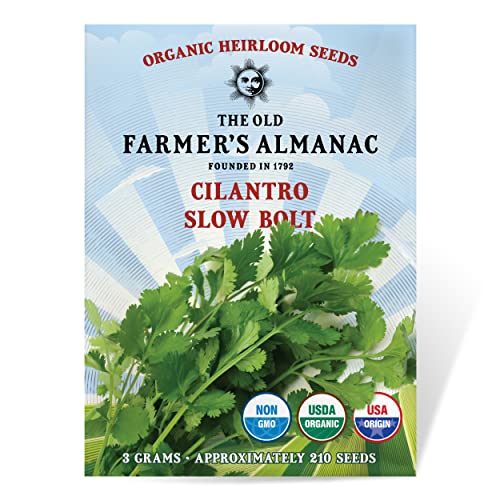


Growing Cilantro in Containers (Small-Space Friendly)
One reason I continue growing cilantro is because it performs well in containers. I don’t garden in a large backyard with rows of crops. Most of what I grow is in containers, and cilantro fits that setup perfectly.
In this video, I’m planting mine inside my herb tower. Last season, I barely used it. This year, I’m being intentional about filling it.
Cilantro does not need deep soil. It has a fairly short root system, which makes it ideal for:
- Herb towers
- Balcony containers
- Small raised beds
- Patio pots
- Apartment gardening setups
Technically, you can grow cilantro in a container as shallow as 3 inches. However, for better root development and moisture balance, I recommend 6-8 inches of depth. The trays in my herb tower measure about 6 inches, which is enough.
If you’re learning how to grow cilantro in containers, depth matters more than width. The container must have drainage holes, and the soil should not stay soggy.
Cilantro is especially good for small space gardening because it doesn’t require staking, trellising, or complicated pruning. You plant it, keep it evenly moist, and harvest the leaves.
If you only have one pot and you’re unsure where to begin, cilantro is a solid starting point. It allows you to practice seed starting, watering control, and seasonal timing, without needing a large setup.
That’s what makes it beginner-friendly and container-friendly at the same time.
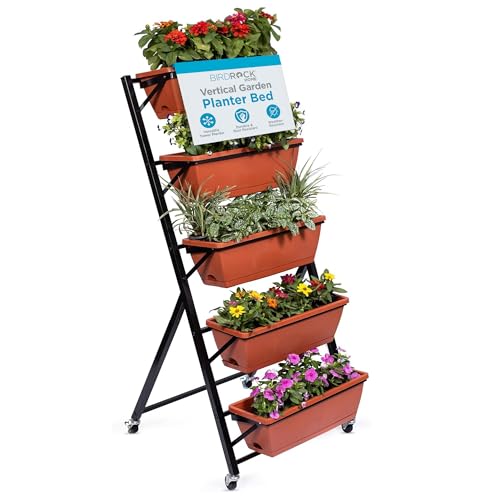
Cilantro Seed Brands I’m Using This Season
This time around, I’m using cilantro seeds from two different brands: Burpee Organics and Ferry-Morse.
Last year, I planted Burpee Organics around January 11th and had really strong results. Germination was solid, and the plants handled the cold weather without issues. Because of that experience, I wanted to use that brand again.
I also picked up Ferry-Morse seeds to compare. When you’re learning how to grow cilantro, it’s helpful to test different seed sources and see what performs best in your environment.
Both brands label cilantro as a cool-season herb, which is accurate. Cilantro seeds germinate best in cooler soil temperatures. However, this year the weather has been unpredictable. We’re getting warmer days in the 70s followed by forecasts dropping into the 20s.
So I’m not sure what the seeds will do. They may germinate quickly during warm spells. They may pause if temperatures drop. That’s part of growing cilantro from seed outdoors, you’re working with real weather conditions.
For beginners, understand this: seed brand matters less than timing, soil quality, and moisture control. Start with reputable seeds, monitor conditions, and observe what happens.
Gardening is data. Every season teaches you something.
Preparing Cilantro Seeds Before Planting
When learning how to grow cilantro from seed, one detail that often surprises beginners is that cilantro seeds are actually two seeds inside one outer shell.
If you look closely, the seed has a hard, round casing. Inside that shell are the actual seeds that will germinate.
There are two common ways to prepare cilantro seeds before planting:
- Gently crush the outer shell to separate the seeds.
- Soak the seeds in water for 12-24 hours to soften the shell.
In my case, I chose to soak them for about 12 hours.

Last year, I don’t even remember doing any preparation. I simply scattered the seeds on the soil and let the winter conditions handle the rest. They germinated without issue. This time, because our weather has been warmer and more inconsistent, I decided to prep them first.
Soaking can help speed up germination by allowing moisture to penetrate the hard outer shell more easily. It’s not mandatory, but it can improve consistency.
If you’re new to growing cilantro from seed, don’t overthink this step. You can:
- Soak them overnight and plant the next day.
- Or plant them directly without prep and monitor moisture carefully.
Both methods can work.
The key is understanding that cilantro seeds need moisture to activate, and that outer shell simply slows the process slightly.
Preparation improves your odds, but it doesn’t guarantee perfection.

Do You Bury Cilantro Seeds?
One of the most common mistakes beginners make when learning how to grow cilantro is planting the seeds too deep.
Cilantro seeds do not need to be buried heavily. In fact, they prefer light exposure to help trigger germination.
In my video, I didn’t measure spacing precisely. The recommendation is to space cilantro seeds about one inch apart. Instead, I scattered them generously across the surface of the soil.
Here’s what I actually did:
- Sprinkled the soaked seeds across the top of the soil.
- Gently pressed them down so they made contact with the soil.
- Lightly dusted a very thin layer of soil over them.
- Watered gently.
The key word here is lightly.
If you bury cilantro seeds too deep, they may struggle to germinate because they’re small and don’t have the energy to push through heavy soil.
When growing cilantro from seed in containers, surface sowing works well. The soil should stay evenly moist, especially during the germination period. Not soaked, just consistently damp.
If you’re unsure whether you planted too deep, remember this: barely covered is better than deeply buried.
Sometimes simple is better. Press, cover lightly, water gently, and let the season do the rest.

My Exact Soil Mix for Growing Cilantro in Containers

When learning how to grow cilantro successfully, your soil matters more than almost anything else. Especially in containers.
For this planting, I used a simple mix:
- Expert Gardener potting mix (from Walmart)
- Organic potting mix
- Black Kow compost
- Perlite
I don’t overcomplicate soil. I focus on structure, drainage, and steady nutrients.
1. Potting Mix (Base of the Container)
Most of the container is filled with a lightweight potting mix. I like the Expert Gardener brand because it’s affordable and fluffy. That fluffiness matters. It allows air to move through the soil and prevents compaction.
Containers need potting mix, not garden soil. Garden soil is too dense and will suffocate roots in a pot.
2. Black Kow Compost (10-20%)
I add about 10–20% Black Kow compost to the mix.
Black Kow:
- Improves soil structure
- Adds organic matter
- Provides slow-release nutrients (NPK)
- Feeds beneficial soil microbes
However, compost holds moisture. Adding too much can cause the soil to stay wet, which leads to root rot. That’s why I keep it under 20%.

3. Perlite (For Drainage and Aeration)
I mix in a small amount of perlite.
Perlite:
- Improves drainage
- Prevents compaction
- Helps roots breathe
- Reduces the risk of soggy soil
Cilantro prefers evenly moist soil, but not wet soil. Perlite helps create that balance.

When growing cilantro in containers, think in layers:
- Structure
- Nutrition
- Drainage
That combination gives your seeds the best chance to germinate and grow steadily without stress.
What Happens If the Temperature Drops Into the 20s?
This is the part that makes beginners nervous.
You plant your cilantro. The weather looks mild. Then the forecast suddenly shows temperatures dropping into the 20s.
So what happens?
First, understand this: seeds in soil are not the same as mature plants exposed above ground.
If your cilantro seeds have not germinated yet, cold temperatures will likely slow the process, not kill them. Cool-season herbs like cilantro are adapted to lower temperatures. Cold soil can delay sprouting, but it doesn’t automatically ruin the seed.
If they’ve already germinated and tiny seedlings are up, that’s when protection matters more. Young seedlings are more vulnerable to hard freezes.
Here’s what typically happens in fluctuating winter weather:
- Warm days may trigger germination.
- Cold snaps may pause growth.
- Extended freezes may damage exposed seedlings.
- Seeds underground are usually insulated by soil.
Because I grow in containers, I have flexibility. If temperatures drop unexpectedly, I can:
- Move the containers closer to the house.
- Cover them with frost cloth.
- Temporarily bring smaller containers inside.
That’s one advantage of container gardening.
When learning how to grow cilantro in unpredictable weather, the goal isn’t to control the temperature. It’s to anticipate it.
Watch the forecast.
Know your planting window.
Understand the crop.
Cilantro prefers cool conditions. Short cold spells are usually manageable. The bigger threat in the South isn’t winter, it’s heat.
That’s why planting now still makes sense.
How to Grow Cilantro Successfully in the South
If you’re trying to figure out how to grow cilantro in the South, the biggest factor is heat – not cold.
Cilantro does well in cool weather. It struggles once temperatures consistently rise. In Southern climates, that window can close quickly.
Here’s what happens:
- Days get longer.
- Temperatures rise above the mid-70s consistently.
- The plant shifts into survival mode.
- It sends up a flower stalk.
- Leaves become smaller and more bitter.
That process is called bolting.
Bolting doesn’t mean you failed. It means the season changed.
If you want steady harvests before that happens, timing matters more than perfection. Plant during:
- Late Fall
- Winter (in mild climates)
- Very early Spring
Not late Spring. Not Summer.
Another strategy that helps is succession planting. Instead of planting once and hoping it lasts all season, you can sow small batches every few weeks during the cool window. That way, as one planting matures, another is coming up behind it.
If you’re growing in containers, you can also experiment with light afternoon shade once temperatures begin to rise. It won’t stop bolting completely, but it may slow it slightly.
When learning how to grow cilantro long term, understand this: you’re working with seasonal rhythms. Cilantro is a cool-season herb. Treat it like one, and your results will improve.
Heat management is the real strategy.
How to Water Cilantro in Containers (Without Overdoing It)
When people ask how to grow cilantro successfully, watering is usually where things go wrong, especially in containers.
Cilantro prefers evenly moist soil, but it does not like sitting in water. There’s a difference between moist and soggy.
Because I mixed compost into my soil (about 10-20%), the soil holds some moisture naturally. That’s helpful, but it also means I have to be mindful not to overwater.
Here’s what I focus on:
- Water gently after planting so seeds aren’t displaced.
- Keep the top layer slightly damp during germination.
- Avoid heavy, soaking waterings that flood the container.
- Make sure excess water can drain freely.

Containers dry out faster than in-ground beds, but they can also stay wet if drainage is poor. That’s why drainage holes matter.
For beginners, here’s a simple method:
Stick your finger about an inch into the soil. If it feels dry at that level, it’s time to water. If it still feels moist, wait.
During cooler months, cilantro won’t need as much water as it would in late Spring. Growth is slower, and evaporation is lower.
Overwatering causes more problems than underwatering in cool weather.
If you’re growing cilantro in containers, aim for consistency, not constant saturation. Moist soil supports germination and leaf growth. Saturated soil suffocates roots.
Beginner Questions About Growing Cilantro:
If this is your first time learning how to grow cilantro, you probably have a few questions. Let’s address the common ones clearly.
What if my cilantro doesn’t germinate?
Cold weather can slow germination. If temperatures fluctuate, seeds may pause and then sprout once conditions stabilize. Give it time before assuming failure. If nothing appears after a few weeks and soil has stayed moist, you can reseed.
Can I grow cilantro indoors?
Yes, but it needs bright light. A sunny window or grow light works best. Indoors, make sure airflow is decent and soil drains well. Cilantro still prefers cooler conditions even inside.
How long does cilantro take to grow?
Most varieties germinate within 7-14 days in ideal cool conditions. Leaves are usually ready to harvest in about 30–45 days.
Can I grow cilantro in a small pot?
Yes. A container 6–8 inches deep is ideal. As long as it has drainage holes and quality potting mix, cilantro grows well in containers and small spaces.
Why did my cilantro bolt so fast?
Bolting happens when temperatures rise or days become longer. It’s not a mistake, it’s seasonal response. Plant earlier next time for a longer harvest window.
Do I need fertilizer?
If your soil contains compost, you likely don’t need much additional feeding during its short growing window. Cilantro isn’t a heavy feeder.
Growing cilantro doesn’t require advanced skills. It requires timing, drainage, and attention to the season.
Once you understand those basics, it becomes much simpler.
How I Know What to Plant (Without Guessing Every Month)
One of the reasons I feel comfortable planting cilantro in January (even with unpredictable weather) is because I follow a monthly structure.
Instead of guessing what should go in the ground, I use a zone-based planting guide that tells me two simple things every month:
- What I can start indoors
- What I can direct sow outside
That distinction removes a lot of confusion.
For example, some crops need a head start inside before temperatures warm up. Others, like cilantro, actually prefer to be direct sown into cool soil. Knowing the difference helps prevent common beginner mistakes, like starting everything indoors or planting warm-season crops too early.
When you’re new to gardening, the hardest part isn’t planting. It’s timing.
You might ask:
- Is it too late?
- Is it too early?
- Should this be inside or outside?
Having a monthly breakdown based on your USDA zone answers those questions quickly. It allows you to focus on execution instead of second-guessing.
That’s how I approach my garden now. Each month, I look at what can be started indoors and what can be direct sown. Then I choose from that list based on the space I have available.
It keeps me organized.
It reduces overwhelm.
And it helps me stay consistent, even when the weather shifts.

If You’re New to Gardening
If this is your first season trying to grow anything, start small.
You do not need a large yard.
You do not need expensive equipment.
You do not need perfect weather.
You need one container, good soil, and the right timing.
- How to read a seed packet
- How to mix soil properly
- How to water consistently
- How to monitor temperature
- How to observe plant behavior
Those skills transfer to every other crop you’ll grow later.
And if something doesn’t work the first time, that doesn’t mean you’re bad at gardening. It means you’re learning how your climate behaves. Every season gives you more information.
Start with herbs you actually use. That keeps you motivated. When you harvest something and put it directly into your cooking, gardening stops feeling theoretical. It becomes practical.
Don’t try to plant everything at once.
Don’t try to master every vegetable in your first month.
Choose one or two crops.
Grow them well.
Gardening confidence builds through repetition, not perfection.
And once you see those first leaves come up, you’ll understand why starting small was enough.
Closing Thoughts
Planting cilantro in the middle of January, knowing the forecast could swing from the 70s to the 20s, isn’t about being reckless. It’s about understanding the season.
Gardening doesn’t require perfect conditions. It requires awareness.
I planted because I know cilantro prefers cool weather. I know the real challenge here in the South isn’t winter, it’s heat. I know this window won’t stay open long.
If the seeds germinate quickly, great.
If they pause because of a cold snap, that’s fine too.
If I have to reseed, that’s part of it.
That’s gardening.
If you’re learning how to grow cilantro (or anything) focus on timing, soil, and consistency. Not perfection. Not comparison.
Use the space you have.
Work within your climate.
Pay attention to patterns.
And most importantly, grow what you’ll actually use.
For me, cilantro isn’t just another herb. It goes straight into my kitchen. It becomes paste. It becomes flavor. It becomes something practical.
Start small. Stay observant. Keep planting.
That’s how confidence builds.
And if you’re ever unsure about what to start indoors or what to direct sow in your zone, that’s exactly why I created a monthly guide, so you’re never standing in your garden wondering what to do next.
Plant anyway. Learn anyway. Grow anyway.
This post may contain affiliate links, which means I may earn a small commission at no additional cost to you if you choose to purchase through them.