Skip to content
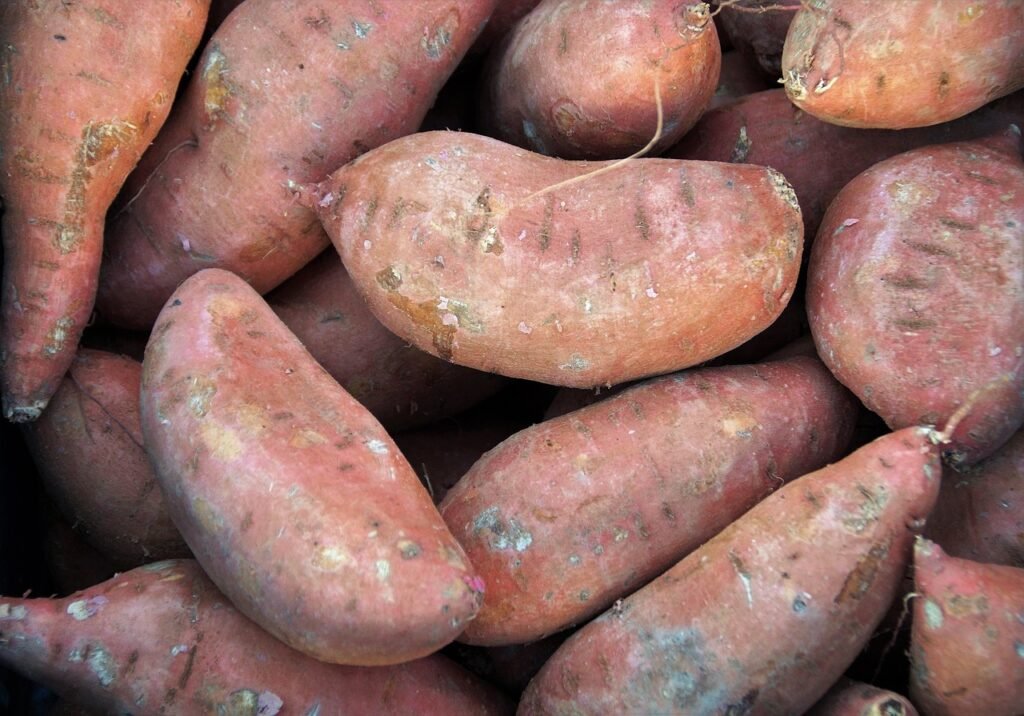
If you’ve ever wanted to grow sweet potatoes but weren’t sure where to start, you’re in the right place! In this post, I’m sharing my beginner journey of how to grow sweet potato slips, how to grow sweet potatoes in containers, and everything I’ve learned through trial and error. Whether you’re working with a backyard garden or a small patio space, this guide will walk you through how to grow sweet potatoes at home—no farmland required.
And yes, I even cover how to grow serrate potatoes (more on that below!)
What Are Sweet Potato Slips and Why Do You Need Them?
Before you can plant sweet potatoes, you need slips. Slips are the sprouts that grow from a mature sweet potato, and they’re what eventually grow into full sweet potato plants. You can either buy slips online or grow them yourself from organic sweet potatoes. Since purchasing slips can get expensive, I decided to grow my own—and you can too.
My First Experience Growing Slips (Spoiler: It Didn’t Go as Planned)
This isn’t my first time trying to grow sweet potato slips. The first time around, I was so eager to get started that I began the process way too early. My slips were thriving indoors, lush and full—but the soil outside was still way too cold for planting. Sweet potatoes prefer a soil temperature of around 70°F or warmer, and trying to transplant too early can stunt or even kill them.
I ended up keeping the slips in water for two and a half months while I waited for warmer weather. Unfortunately, they sat for so long—without nutrients—that they became too weak to plant. Looking back, I should’ve added nutrients to the water, but hey, I’m still learning!
Moral of the story? Timing matters. Don’t start your slips too far ahead of your last frost date. Wait until the weather forecast shows consistently warm days and soil temps above 70°F.
How to Grow Sweet Potato Slips (the Right Way)
Let me walk you through my updated, simplified process for growing sweet potato slips at home:
Step 1: Choose Organic Sweet Potatoes
Start with 1–2 organic sweet potatoes. I used small varieties because I’m growing in containers and want to maximize space. Make sure they’re firm and free from damage.
Step 2: Prepare a Tray with Moist Potting Mix
I laid my sweet potatoes on top of moist potting mix in a shallow plastic tray. I actually used a kid’s toy container—it doesn’t have to be fancy! What matters is keeping the soil moist, not soaked.
Step 3: Keep It Warm
I placed the tray on a heating mat to encourage sprouting. Sweet potatoes need warmth to produce slips, so the mat helps maintain the right temperature. Aim for soil temperatures between 70°F and 80°F.
Step 4: Give Them Light
Put your tray in a sunny window or use a grow light. Mine is set on a timer to provide 12–16 hours of light per day. After 2 to 4 weeks, you should start seeing sprouts—aka “slips”—growing from your potatoes.
Step 5: Remove and Root the Slips
Once the slips are 6 to 8 inches long, they’re ready to be removed. Gently twist or cut them from the potato. Next, remove the bottom few leaves and place the slip in a glass of water. Within two weeks, you’ll see roots begin to form.
Tip: Change the water every few days to keep it fresh and clean.
How to Grow Sweet Potatoes in Containers
Once your slips have rooted, it’s time to plant them. If you’re wondering how to grow sweet potatoes in containers, here’s the method I’m using for a container harvest in my small-space garden.
Step 1: Choose the Right Container
I’m planting my sweet potato slips in a 30-gallon grow bag. That’s enough space for 4–5 slips. Sweet potatoes grow underground, so they need room to expand. Use containers that are at least 18 inches deep and wide.
Note: I was going to use a larger container, but my cucumbers are still producing in it. Once that container is free, I’ll rotate in another crop.
Step 2: Prepare the Soil Mix
I filled the container with a mix of organic potting soil, compost, and perlite. Sweet potatoes love loose, well-draining soil. The compost adds nutrients, the perlite improves aeration, and the potting soil provides a strong base.
Step 3: Plant the Slips
Once your slips have healthy roots (about 2 weeks after placing them in water), plant them about 4–6 inches deep into the soil. Space them out evenly and water them in gently.
How to Grow Sweet Potatoes at Home: Care Tips
Sweet potatoes need consistent care to thrive, especially in containers. Here’s how I’m taking care of mine:
Light
They love full sun—at least 6 hours per day. Make sure your containers are placed in a sunny location.
Watering
Keep the soil consistently moist, but not soggy. Water deeply once or twice a week, depending on how fast your container dries out.
Fertilizing
After a few weeks, once the plants are established, you can begin feeding them with a balanced organic fertilizer every few weeks. Avoid too much nitrogen, which promotes leaves over tubers.
What If My Slips Are Too Early or Too Late?
I learned the hard way that timing is everything. If your slips are ready but the weather isn’t, you can keep them in water indoors for a bit. Just don’t make my mistake—don’t let them sit for months without any nutrients.
To keep your slips healthy while waiting for planting day:
- Add a diluted liquid fertilizer to the water
- Give them plenty of light
- Change the water every 2–3 days
If you’ve started too late, you might still have time, especially if you’re in a warmer zone. Sweet potatoes take about 90–120 days to mature, so count backward from your expected first fall frost.
Why You Should Grow Your Own Sweet Potatoes
There are so many reasons to try growing sweet potatoes at home:
Cost Savings – Buying slips can get pricey, and fresh sweet potatoes are rising in cost.
Control – You control the soil, nutrients, and conditions—no mystery chemicals.
Sustainability – Growing in containers lets you garden in small spaces without waste.
Versatility – Use grow bags, buckets, or even storage totes with holes drilled in.
And honestly, the satisfaction of pulling out your own homegrown sweet potatoes? Priceless.
My Mistakes = Your Learning
I hope by sharing my journey, I help you avoid some of the missteps I made—like starting too early and forgetting to feed the slips in water. Gardening is all about experimenting, learning, and growing (pun intended).
If you’re starting your sweet potato growing adventure, take your time and follow the weather. Keep your slips warm and healthy, and make sure to space them out in a container that gives them room to grow deep.
Grab Your Free Guide: Grow Food Anywhere
Ready to grow your own food in containers—even if you’re new to gardening? I’ve put together a free downloadable guide to help you get started. It’s called the Container Garden Kickstart Kit, and it walks you through turning pots, buckets, and grow bags into mini food jungles.
Grab your FREE copy below on my website!
Final Thoughts: You Can Do This!
If I can grow sweet potatoes as a beginner—with some missteps and all—you can definitely do it too. Whether you’re working with a balcony, patio, or small backyard, you can grow fresh, healthy food with just a few containers, some organic sweet potatoes, and a little bit of patience.
If this blog helped you, share it with another gardener or comment below with your sweet potato story. And don’t forget to check out the video version of this post on my YouTube channel!