Skip to content
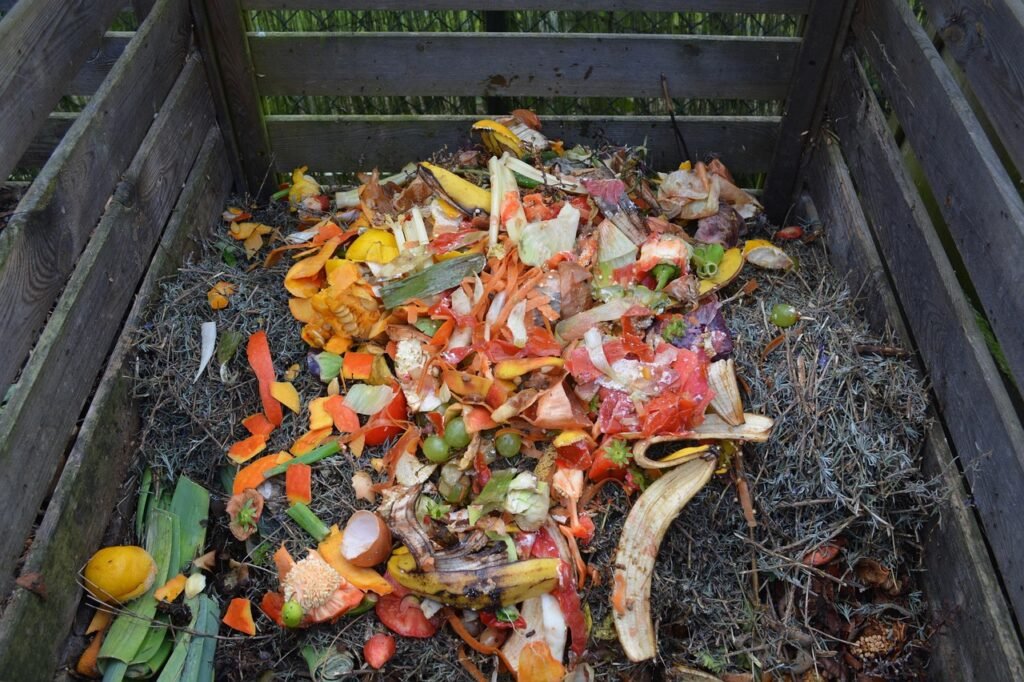
If you’re starting your gardening journey or looking to save money on soil, learning how to make compost at home is one of the smartest moves you can make. Whether you’re working with a backyard garden or a balcony full of containers, composting helps you create nutrient-rich soil using everyday scraps you might otherwise throw away. In this post, I’ll show you exactly how I built and maintain my own compost bin using kitchen waste and garden leftovers, even as a first-timer.
This guide covers:
- How to make compost step-by-step
- How to make compost at home in a bucket or bin
- What compost materials to use (and avoid)
- Weekly compost care tips
- And why it matters for your garden, wallet, and the environment
Let’s dig in!
Why Compost?
Before we get into the how-to, let’s talk about the why.
1. Save money on soil: Garden soil can be incredibly expensive, especially if you’re filling up multiple raised beds or grow bags. Making your own compost significantly reduces the amount of bagged soil or fertilizer you need to buy.
2. Reduce landfill waste: Instead of sending banana peels, salad scraps, paper, and leaves to the dump, composting allows you to recycle them back into your garden.
3. Healthier plants: Compost improves your soil’s texture, water retention, and nutrient balance. Plus, you control what goes into it—no mystery fillers or chemicals.
How to Make Compost at Home for Your Garden
This is my very first time composting, and I want to show you that it doesn’t have to be complicated. You don’t need fancy bins, and you don’t need to follow exact ratios. If you want to know how to make compost at home for garden use, here’s my process:
Step 1: Choose Your Compost Bin
I use a simple plastic bin from Home Depot with a yellow lid. It’s not fancy, but it works. Here’s how I modified it:
- I drilled holes in the lid to allow for airflow.
- I lined the underside of the lid with mesh to keep flies out but still allow ventilation.
- I use a hand shovel to turn the compost once a week.
You can also make compost at home in a bucket if you have less space. Just make sure there’s some airflow, and you’re adding the right balance of materials.
What Materials Go in a Compost Bin?
There are two main types of compost materials: greens (wet/nitrogen-rich) and browns (dry/carbon-rich).
Examples of Greens:
- Banana peels
- Vegetable scraps
- Salad leftovers
- Coffee grounds
- Fresh plant clippings
Examples of Browns:
- Dry leaves
- Shredded paper
- Cardboard (uncoated)
- Old soil (used sparingly)
- Dead plant matter
If you want to know how to make compost at home with kitchen waste, just start saving your vegetable peels, fruit scraps, and eggshells. I keep mine in a small container in the fridge and dump them into my compost bin when it fills up.
What NOT to Add to Compost
To keep your compost healthy and avoid attracting pests, do not add:
- Meat
- Dairy products
- Oily or greasy food
- Pet waste
- Plastics or coated paper
Stick to plant-based kitchen waste and paper goods.
Layering the Compost (No Ratio Needed!)
You may have seen composting videos that recommend strict brown-to-green ratios. I’ll be honest—I don’t follow any of that. I just layer materials as I get them:
- A bit of leftover soil from containers
- Some dried leaves from my garage
- Banana peels and vegetable scraps from the kitchen
- Eggshells
- Dead cucumber or tomato leaves from the garden
The key is to have a mix of textures and moisture levels. If it seems too wet, add browns. If it seems too dry, add a little water or more greens.
Weekly Compost Care: Turning and Watering
To keep your compost active and breaking down efficiently:
1. Turn once a week. I do this every Saturday using a small hand shovel. I dig around the edges of the bin and lift the bottom material to the top. This introduces oxygen and helps all the layers break down evenly.
2. Check moisture levels. Compost should feel like a wrung-out sponge: moist, but not soggy. If it feels too dry, add water. If it feels too wet, toss in more browns like paper or dry leaves.
3. Add regularly. I compost all week long and freeze my banana peels if I’m not ready to add them right away.
What About Worms?
Worms are a great sign! They help break down organic matter and make your compost even richer. Every time I turn my bin, I see more worms, and it genuinely excites me. If your compost attracts earthworms naturally, that’s a win.
DIY Compost Bin Setup (How I Made Mine)
Here’s exactly how I made my compost bin:
- Bought a large plastic bin with a tight-fitting lid
- Drilled 6–8 holes in the lid for airflow
- Cut a piece of mesh to fit the lid and tied it on with gardening wire to keep flies out
- Labeled it and placed it in a shaded area of my garden
This is how to make compost at home in a bucket or bin for cheap. You don’t need a tumbler or special system to get started.
How Long Does It Take to Make Compost?
It depends on the weather, what you add, and how often you turn it. Since I started my compost this spring, I’m expecting it to be ready by next spring. I want to completely fill the bin so I have enough compost to use throughout my garden.
You’ll know compost is ready when:
- It smells earthy (not rotten)
- It looks like dark, crumbly soil
- Original materials are no longer recognizable
Why Every Gardener Should Compost
If you’re still on the fence, let me remind you why you should start composting today:
1. Save money. The cost of quality garden soil adds up fast. Homemade compost is free.
2. Healthier plants. Compost improves soil structure, supports beneficial microbes, and delivers steady nutrients to your plants.
3. Reduce waste. You’re keeping valuable organic matter out of the landfill.
4. It’s empowering. You’re taking control of your growing process, from scraps to harvest.
5. It’s easy. If I can do it on my first try, so can you.
FAQs About Making Compost at Home
Q: Can I compost if I live in an apartment?
Yes! You can make compost in a bucket on a balcony or even indoors using worm bins (vermicomposting).
Q: Does compost smell bad?
Not if done right. Good compost smells earthy. Avoid adding meat or dairy, and balance your greens and browns.
Q: What’s the fastest way to make compost?
Chop or shred your materials into smaller pieces, turn the bin often, and keep it moist but not wet.
Q: Can I add citrus peels?
Yes, in moderation. They break down slower but won’t harm the compost.
Q: Is it okay to add weeds?
Yes, as long as they haven’t gone to seed.
Final Thoughts: Start Composting Today
I hope this guide showed you how easy it can be to start composting. Whether you’re working with a DIY compost bin in your backyard or a small bucket on your balcony, the process is the same: collect your kitchen scraps and garden waste, mix in browns, and give it time.
This compost will feed your garden for seasons to come. It’s truly one of the most rewarding steps you can take toward self-sufficiency and healthier plants. Composting is not just about waste reduction—it’s about closing the loop and giving back to the earth that feeds us.
Ready to Start?
Try building your own compost bin this week and start tossing in your kitchen scraps. Don’t overthink the ratios—just layer, turn, and water. Before you know it, you’ll be making rich compost at home for your garden!
Thanks for reading, and if you found this post helpful, feel free to share it with a fellow gardener. Happy composting!
Check out the video of this post on my Youtube Channel!