Skip to content
If you think it’s too late to start your summer garden, think again. There are still plenty of vegetables to plant in July, especially if you’re growing in containers or small spaces. While the summer growing window may be starting to close, many heat-loving crops still have time to flourish before the first frost. In this comprehensive guide, I’ll walk you through exactly what I’m planting in July in my zone 8A garden, how I’m amending my soil, and which varieties are best for small spaces. All of this is beginner-friendly and packed with firsthand experience.
Whether you’re growing on a balcony, patio, or raised bed, these fast-growing crops and heat-tolerant veggies are your best bets for summer success. Let’s dig into the best vegetables to plant in July, and how to get the most out of your garden this month!
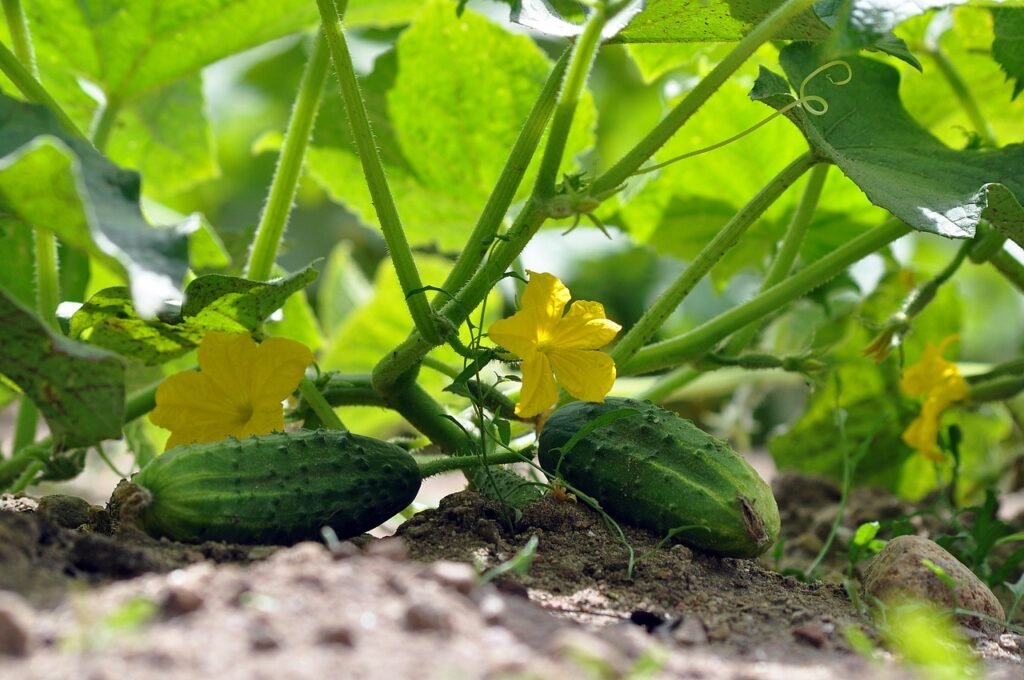
1. Cucumbers (Pickle Bush Variety)
Cucumbers are a warm-weather favorite, and yes—you can still plant them in July. I planted my pickle bush cucumbers on June 22nd, and within just six days, they had already sprouted beautifully. This compact variety is ideal for containers and doesn’t need trellising.
I currently have:
- 2 cucumber plants in an 18-gallon container
- 1 cucumber plant in a 5-gallon container
Why they work in July: Cucumbers germinate quickly and mature fast—perfect for zones that still have 50–60 frost-free days left.
Soil Amendments Used:
- Organic potting mix
- Compost
- Perlite
- 4-4-4 organic fertilizer
Recommended Products:
- Pickle Bush Cucumber Seeds
- 15-Gallon Grow Bags
- Organic Potting Mix
- 4-4-4 All-Purpose Organic Fertilizer
2. Swiss Chard (Rainbow Mix)
This is my first time growing Swiss chard, and I’m trying the rainbow mix from Back to the Roots. I’m tucking 3 chard plants into the corners of my cucumber container—since pickle bush cucumbers stay compact, there’s space for companions.
Why grow it in July: Swiss chard is heat-tolerant and can continue to produce leafy greens even in the peak of summer. It also works great in containers!
Recommended Products:
3. Bush Beans
Bush beans are one of the easiest and fastest crops for summer planting. I planted:
- 12 bush bean seeds in one container
- Several others scattered throughout other containers, including next to my zucchini and okra
Why plant bush beans in July: They germinate in just a few days, grow fast, and love the heat. Perfect for container gardeners and beginners alike.
My Soil Prep:
- Organic compost
- 4-4-4 fertilizer
- Occasional liquid kelp foliar spray
Recommended Products:
4. Zucchini (Compact Variety)
I’m growing two zucchini plants, and this is my first time! One has already started flowering and has both male and female flowers ready for pollination.
Why grow it in July: Zucchini is heat-loving and grows fast. As long as your region has at least 45–50 frost-free days, you can still get a harvest.
Fertilization Schedule:
- 4-4-4 organic fertilizer at planting
- Bone meal for root development
Recommended Products:
5. Malabar Spinach
This tropical, vining spinach variety loves the heat. I planted 3 in a 15-gallon grow bag from Gaia’s Blessings, and they’re doing great.
Why Malabar Spinach in July: It thrives in heat and germinates quickly (mine sprouted in just 3–4 days). It’s also a great alternative to traditional spinach.
Recommended Products:
6. Sugar Baby Melons
I just planted 2 sugar baby melon seedlings in the same container where my cucumbers finished their life cycle. I amended the soil with fresh compost and nutrients first.
Why melons work in July: Mini melons like sugar babies mature quickly and grow well in containers. Plus, they’re expensive in stores—why not grow your own?
Soil Amendments:
- Fresh compost
- 4-4-4 fertilizer
- Banana peel water
Recommended Products:
7. Basil
Basil can be direct-sown or transplanted in July. My purple basil is doing well indoors and will be moved outside soon. My outdoor basil is struggling a bit due to sunburn, so I recommend partial shade during the hottest hours.
Why plant it in July: Basil loves heat and grows fast from seed. It’s also perfect for container growing.
Recommended Products:
8. Tomatoes (Determinate & Indoor Starts)
Some of my determinate tomatoes are wrapping up, but I’m starting 3 more indoors with plans to transplant them soon. Depending on your zone, there may still be time to get a harvest from fast-maturing varieties.
Why plant in July: If you have 60+ growing days left, go for it! Choose smaller or determinate varieties for faster harvest.
9. Cuban Oregano (Rooting from Cuttings)
I recently received a few sprigs of Cuban oregano from a family member. After placing them in water, they developed strong roots and are ready to be transplanted into containers.
Why grow it in July: Oregano is heat-tolerant and easy to propagate. Plus, it’s a great herb for teas and cooking.
Tips:
- Use a rooting hormone if needed
- Grow in well-draining soil
10. Okra
I currently have two okra plants, but they’re not thriving. Despite my struggles, okra is known to be heat-loving and should do well when planted in July.
My Tip: Try different varieties if one isn’t working for you. Okra is a hardy crop but needs full sun and consistent warmth.
Recommended Products:
11. Sweet Bell Peppers (Transplants Only)
If you’re planting sweet bell peppers in July, start with transplants, not seeds. Seeds may not mature in time depending on your frost date.
Why peppers in July: They thrive in heat and produce well into late summer if started early enough.
Soil Prep:
- Compost-rich soil
- Eggshell powder for calcium
Recommended Products:
- [Sweet Bell Pepper Transplants – Local Nursery]
Final Thoughts: It’s Not Too Late to Plant in July
Even as July marches on, it’s absolutely possible to grow a fresh harvest—especially if you know what to plant and how to care for it. The vegetables to plant in July include compact, heat-loving varieties like cucumbers, zucchini, Swiss chard, and bush beans. Herbs like basil and oregano also thrive in July warmth, while crops like tomatoes and sweet peppers can still be successful if chosen and timed wisely.
The key to success is using quality soil, amending with compost and organic fertilizers, and choosing crops that grow quickly or tolerate heat. If you’re working with containers, make sure you’re watering consistently, watching sun exposure, and giving each plant the space it needs.
So don’t count July out—it’s a great month for getting one last burst of summer food in the ground (or pots!). Whether you’re growing for the first time or adding to an existing garden, you’ve got options.
Happy planting!
Check out the video version of this post on my Youtube channel.
This post contains affiliate links. As an Amazon Associate, I may earn a small commission at no extra cost to you.