Skip to content
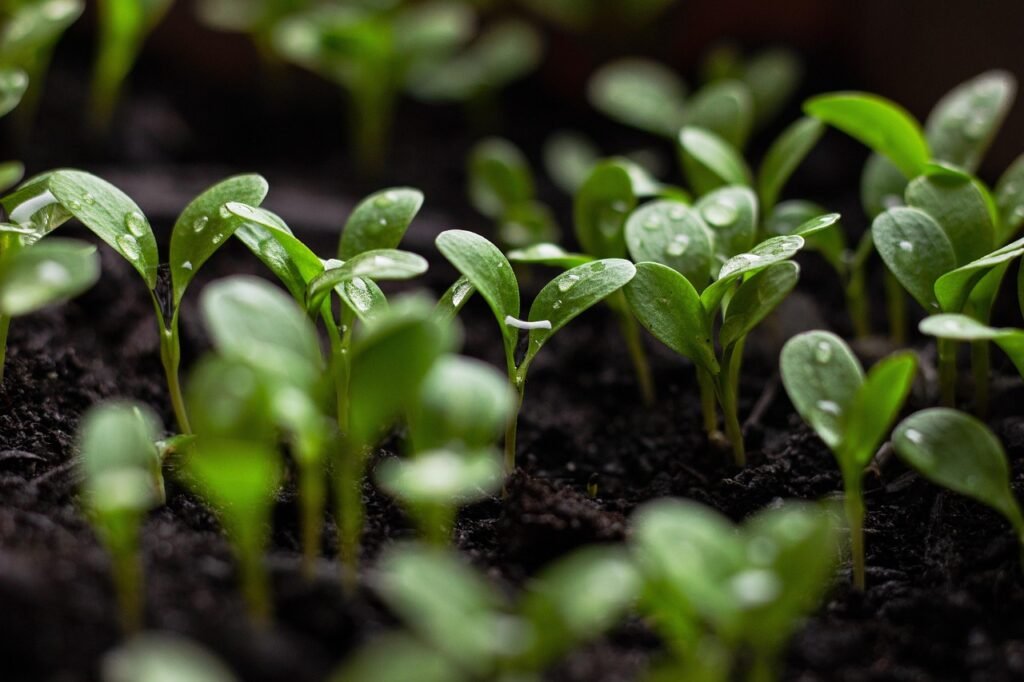
When I first started gardening, I had no idea how much food I could grow in a tiny backyard. It wasn’t until I realized I was already practicing something called succession planting that everything clicked. Succession planting is the secret to growing lots of food in a small space, and today I’m breaking down exactly what it is, how I do it, and how you can start using it too—especially if you’re working with containers or a small garden like mine.
What Is Succession Planting?
Succession planting means planting something new in the same space after a crop has finished growing. Instead of planting once and calling it a season, you rotate in new crops—either right after harvest or when a plant begins to decline. It keeps your garden producing for longer, reduces waste, and ensures that every pot or container is always growing something.
At first, I didn’t know there was a term for it. I just knew I wanted to keep my garden alive and active. Once I learned more, I realized I was already doing it—and now I plan for it intentionally.
My Personal Journey with Succession Planting
My tiny garden may look bigger in videos, but trust me—it’s small. That’s why succession planting has become a game-changer. Right now, I’m growing cucumbers, melons, tomatoes, bush beans, okra, basil, parsley, and more—all by rotating crops through the same containers.
For example, I have a cucumber plant in a container that’s reaching the end of its life. The leaves are sparse, and although new cucumbers are forming, it won’t last much longer. So I’ve already started melon seedlings in small pots, and as soon as the cucumber plant is done, I’ll transplant the melons right into that same container. That’s succession planting in action.
How to Succession Plant
Want to get started? Here’s how I do it:
- Plan Ahead: Don’t wait until your plant dies to think about what comes next. Start your next crop (from seed or seedling) while your current one is still growing.
- Use Containers Strategically: If your space is limited, use grow bags, buckets (only food-safe ones), and large pots to rotate crops.
- Amend Your Soil: After removing a crop, refresh your container with compost, organic fertilizer, or worm castings before planting something new.
- Stagger Maturity: Use quick-maturing crops like bush beans or radishes after harvesting longer-growing crops like lettuce or cucumbers.
How to Succession Plant Beans
I love succession planting bush beans—they’re one of the easiest crops for this method. They grow fast (about 45–60 days to maturity), they don’t need trellising, and they improve soil by fixing nitrogen.
Here’s how I do it:
- After harvesting lettuce or if another crop fails (like my okra did), I immediately drop bush bean seeds into the same soil.
- I also start some bean seeds in solo cups so they’re ready to transplant when space opens up.
- If your current crop is still producing but starting to slow down, you can plant bush beans nearby and harvest them as the first crop fades.
Recommended Product:
How to Succession Plant Cucumbers
Cucumbers are another favorite of mine for succession planting. I typically plant compact or bush varieties in 5- to 18-gallon containers.
Once the cucumber plant shows signs of decline:
- I harvest everything I can.
- I remove the plant and refresh the soil with compost and 4-4-4 organic fertilizer.
- I either transplant new cucumber seedlings or directly sow new seeds for a second round.
This helps extend the harvest window and keeps those trellises working overtime!
Recommended Products:
Succession Planting Tomatoes
Tomatoes can be trickier, especially in small spaces. I grow both determinate and indeterminate varieties.
- Determinate plants produce all at once and then stop. As they fade, I replace them with new tomato seedlings I started indoors.
- Indeterminate plants keep producing, so I just prune and feed them to keep them going.
I started new seedlings indoors in solo cups, and once my current tomatoes start to fade, I’ll transfer those into the same containers.
Tip: Be sure to add fresh compost and watch for nutrient depletion!
Real Examples from My Garden
- Okra Fails, Beans Thrive: My okra isn’t doing well at all. So what did I do? I planted bush beans in the same container. One plant is already sprouting while the okra is barely holding on.
- Melons After Cucumbers: My cucumber container will be home to two melon plants next. The seedlings are already started so they’ll be ready to go.
- Tomato Rotation: I’ve got six tomato plants, but only two are thriving. I’ve got new seedlings on standby to take over once the others fade out.
- Solo Cup Starts: I often start seedlings in solo cups so I can plug them in quickly when a container becomes available.
Why Succession Planting Works So Well in Small Gardens
Succession planting is perfect for those of us who are growing lots of food in a small space. Here’s why:
- You make the most out of every square inch.
- You reduce waste by harvesting gradually.
- You always have something growing—no bare soil!
- It helps maintain soil health by rotating crop types.
Even with just a few containers or one raised bed, you can harvest food multiple times per season using succession planting.
A Few Final Tips
- Start seeds early: While your current crop is still producing, have your next round of plants growing in trays or small cups.
- Use quick-growing crops: Beans, radishes, lettuce, and even cucumbers are great succession choices.
- Amend your soil: After every crop, refresh your soil with compost, worm castings, or a balanced organic fertilizer.
- Track your planting schedule: A garden journal or app can help you time your transitions.
Closing Thoughts
Succession planting might sound complicated at first, but it’s really just a smart way to keep your garden working for you all season long. If you’ve ever looked at your containers and thought, “What should I grow next?”—you’re already halfway there.
Whether you’re figuring out how to succession plant beans, cucumbers, tomatoes, or greens, the key is to plan a step ahead, start your seedlings early, and don’t let a single container sit empty.
With a little planning and a lot of joy, you’ll be growing lots of food in a small space before you know it.
Happy planting!
This post contains affiliate links. As an Amazon Associate, I may earn a small commission at no extra cost to you.