Skip to content
When August rolls around, it’s easy to feel like the garden is slowing down, but for small-space gardeners, this is where the magic really starts to happen. August garden tasks aren’t just about keeping plants alive in the heat—they’re about setting up your container garden, balcony, or raised bed for a strong finish to the season and a smooth transition into fall. Whether you’re working with a handful of pots on a patio or a modest raised bed in the backyard, the way you care for your garden this month can make a big difference in both your harvest now and your planting opportunities later.
I’m speaking from experience—small spaces don’t mean small rewards, but they do require a little more intention. When you only have a few containers or a single raised bed, every plant counts. That’s why I take my August garden tasks seriously, from pruning and watering strategies to planting for fall and even reorganizing my space so it works harder for me. This guide will walk you through everything I do in my own small garden this month, and I promise, you’ll finish reading with a plan you can actually follow.
Keep Plants Hydrated and Healthy in the Heat
August heat can stress out even the most heat-loving crops. In a small space, where containers dry out quickly, keeping your plants watered isn’t just important—it’s essential. I water my plants early in the morning so the roots can soak up the moisture before the sun gets intense. If you’ve ever noticed wilting leaves by mid-afternoon, it’s usually a sign your plants need more consistent hydration.
One of my favorite tools for this is a lightweight watering can with a narrow spout that lets me water directly at the base of plants without splashing the leaves (less chance for disease that way). For larger container gardens, I love a small drip irrigation kit—it’s a game-changer for keeping plants evenly watered without daily hand-watering marathons.
Prune, Harvest, and Encourage New Growth
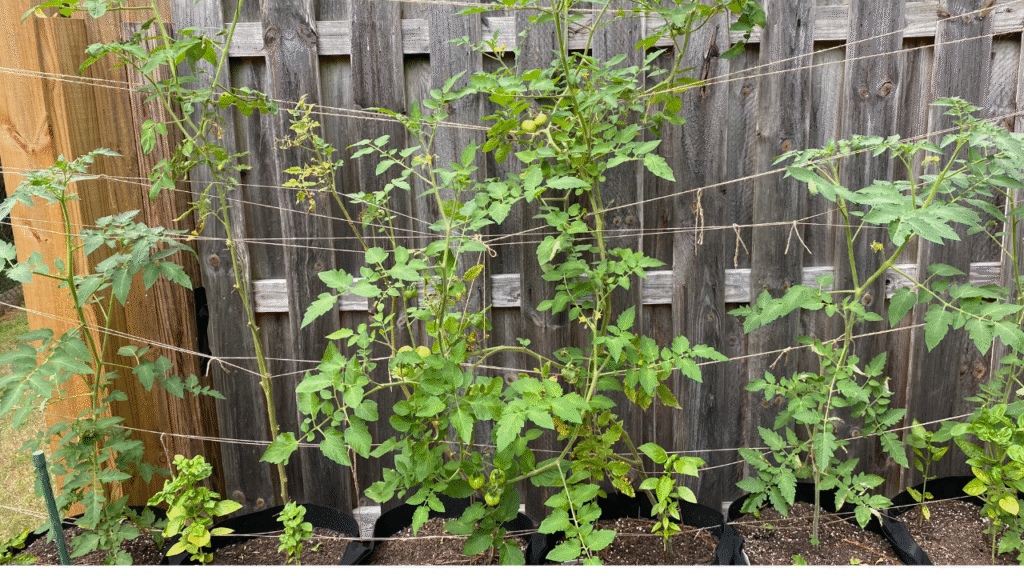
August is not the time to let plants get overgrown. In fact, pruning is one of the most important August garden tasks for small spaces because it keeps air flowing around plants, reduces disease, and encourages new growth. I regularly remove yellowing leaves from my tomatoes and peppers, pinch back basil to keep it from flowering, and cut away any dead or damaged foliage.
This is also the perfect month to keep harvesting frequently. The more you pick beans, cucumbers, and herbs, the more they’ll produce. For this, I use compact pruning shears or even a sharp pair of gardening scissors. In a small space, you don’t need oversized loppers—just tools that fit comfortably in your hand and let you work precisely.
Refresh Tired Containers
By August, some container soil can get compacted or depleted. I like to top-dress with a thin layer of compost or worm castings to give plants a nutrient boost without having to repot everything. If a plant is done producing—like spring lettuce that’s bolted—I’ll pull it out, fluff the soil with a hand trowel, and replant with a late-season crop.
If you’re growing in fabric grow bags, check for any roots that might be circling inside. A quick loosening before planting again helps new plants get established faster.
Plant for Fall While Summer is Still Here
Small-space gardeners can extend their season by starting fall crops in August. In containers or raised beds, I’ll plant things like kale, collards, spinach, carrots, and radishes now so they can mature in cooler September and October weather.
For direct sowing seeds, I rely on a small seed dispenser tool to avoid overcrowding—trust me, thinning seedlings in a tiny pot is not my favorite job. If you’re starting indoors for transplant later, use a compact seed-starting tray that fits easily on a windowsill or under a small grow light.
Rotate Crops in Miniature
Even if you only have a few pots, crop rotation helps reduce pests and diseases. If I just harvested my bush beans from a 5-gallon bucket, I’ll plant leafy greens in that same container instead of putting beans back in. It keeps the soil healthier and less prone to recurring issues.
Keep Pest and Disease Pressure Low
August heat can bring a wave of pests. In a small space, you can manage this more easily than in a big garden, but you have to act fast. I inspect my plants daily—especially the undersides of leaves—for aphids, whiteflies, and spider mites. A handheld spray bottle filled with a simple soapy water mix works wonders for small infestations.
If powdery mildew shows up on zucchini or cucumbers, I trim the worst-affected leaves and improve airflow by spacing pots slightly farther apart. In a container garden, sometimes just shifting plants around can solve a humidity problem.
Maintain Soil Health for Future Plantings
I never want my soil to “burn out” in a container. Every few weeks, I feed my plants with a diluted liquid organic fertilizer—fish emulsion or seaweed extract are my go-tos. They work quickly, and in small containers, nutrients leach out faster, so a regular feeding schedule makes a big difference.
Reorganize and Maximize Your Space
August is a great time to look at your setup and see if it’s working for you. I’ve moved pots around to give sun-loving plants the prime spots and tucked partial-shade crops where they’ll be happier. If you’re adding new containers, consider stackable planters or a vertical trellis system—these can double your growing space without taking up more floor area.
Tools That Make August Gardening Easier in Small Spaces
If you’re just getting started, here are some essentials that have made a big difference for me:
- Gardening gloves – Protect your hands from blisters and cuts.
- Lightweight watering can or sprayer – Perfect for precise watering.
- Pruning shears – Keep plants tidy and productive.
- Hand trowel – For planting, transplanting, and mixing soil.
- Soil scoop – Makes filling containers less messy.
- Compost scoop or container – For saving kitchen scraps to make fertilizer.
- Seed dispenser – Avoid over-seeding in small pots.
- Kneeling pad or small stool – Protect your knees and back during long garden sessions.
- Vertical trellis – Give vining crops like cucumbers a place to climb.
- Grow bags – Lightweight, breathable, and perfect for rotating crops.
- Small drip irrigation kit – Automates watering so you don’t miss a day.
- Worm castings or compost – Boost soil fertility naturally.
- Spray bottle – For pest control solutions.
- Seed-starting tray – Start fall crops indoors for transplanting later.
- Stackable planter – Grow more in the same footprint.
Why August is the Perfect Month to Plan Ahead
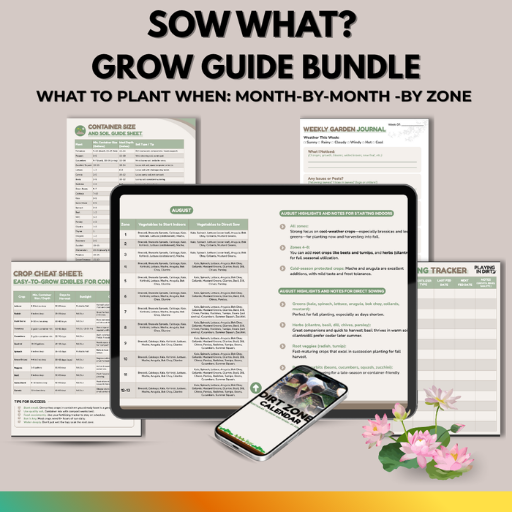
One of the best things you can do this month is start thinking beyond August. Knowing what to plant next—and exactly when—can make your small garden more productive year-round. This is where my Month-to-Month Zone-Based Gardening Bundle comes in. It’s designed so there’s no guesswork about what will work in your zone, whether you’re in a warm climate where you can plant almost year-round or a cooler zone where timing is critical.
Every zone is different, and every month brings new opportunities in the garden. My bundle takes the overwhelm out of figuring it out yourself. It shows you exactly what to plant each month for your zone so you can maximize every inch of your small space, avoid planting at the wrong time, and keep that harvest coming.
If August has taught me anything over the years, it’s that small gardens can be just as productive—sometimes more so—than large ones. The key is knowing what to do right now to set yourself up for success, and that’s exactly what these August garden tasks are all about.
*Some of the links in this post are affiliate links, which means I may earn a small commission—at no extra cost to you.