Skip to content
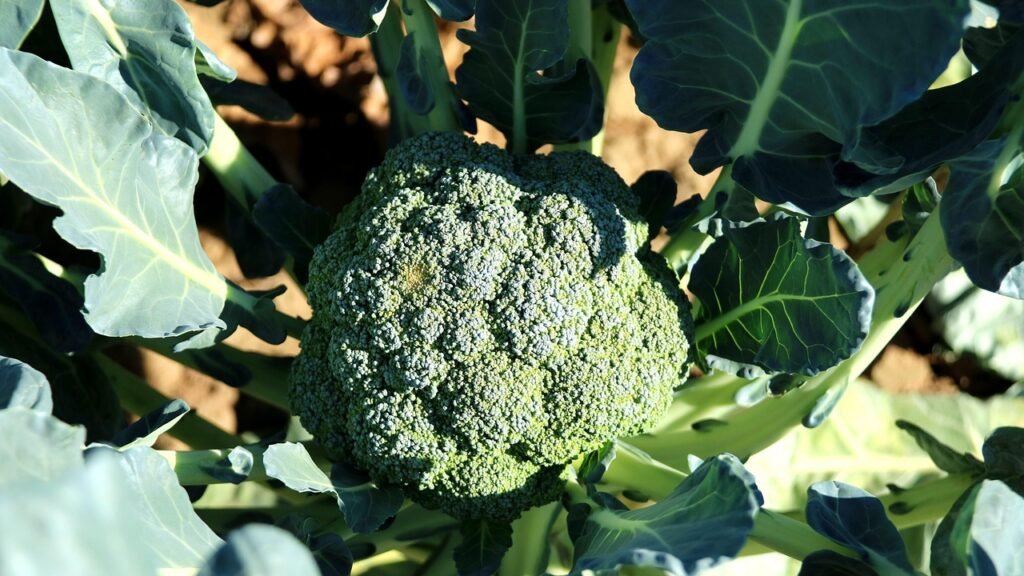
In light of the upcoming Fall season, I wanted to write about my favorite vegetable broccoli, and the plants that goes along well with them. This is called companion planting. Companion planting for broccoli is one of the smartest strategies you can use to get the most out of your garden. Since this is my first year growing broccoli, I wanted to make sure I set it up for success by choosing the right “friends” to grow alongside it. I’ve always loved eating broccoli—it’s one of my favorite vegetables—so the idea of harvesting it straight from my own garden instead of the grocery store feels both exciting and rewarding. As a new gardener and container grower, learning which plants play well together makes all the difference.
Whether you’re growing in raised beds or containers on a patio like me, companion planting can improve broccoli’s growth, deter pests, and maximize your harvest. In this guide, I’ll share everything I’ve learned: which plants to grow with broccoli, which ones to avoid, and even the best container sizes to use if you’re gardening in a small space.
Why Companion Planting Works
Companion planting is the practice of growing certain plants together to create natural benefits. Some plants repel pests, others improve soil nutrients, and some provide shade or act as living mulch. For broccoli—part of the brassica family (along with cabbage, kale, cauliflower, and collards)—this technique is especially helpful.
Brassicas are heavy feeders that can quickly strip soil of nutrients, especially nitrogen. They’re also magnets for pests like cabbage worms, flea beetles, and aphids. Choosing the right companions can help reduce those problems and balance out the garden ecosystem naturally, without relying too heavily on chemicals or constant intervention.
The Best Companion Plants for Broccoli
Here are the top companions I’ve found that work beautifully with broccoli:
1. Herbs (Natural Pest Repellents)
- Dill, rosemary, sage, thyme, and chamomile all release strong scents that confuse pests like cabbage moths and flea beetles.
- Dill is especially helpful—it attracts beneficial insects such as ladybugs and wasps that feed on common broccoli pests.
- Chamomile not only protects but is also thought to enhance broccoli’s flavor.
Container tip: You can tuck herbs like thyme or chamomile around the edges of a 15-gallon broccoli grow bag. They won’t compete much for space or nutrients.
2. Onions, Garlic, and Alliums
- The pungent smell of onions, garlic, leeks, and chives repels aphids and cabbage worms.
- They don’t compete heavily for nutrients since their roots grow differently than broccoli’s deep taproot.
- Garlic can be interplanted directly in the same container if space allows.
Container tip: In a 15-gallon container or grow bag, you can plant 1 broccoli in the center and add 3–4 garlic cloves around the edge.
3. Beets
- Beets are light feeders and grow well alongside broccoli without hogging nutrients.
- Their roots help loosen compact soil, improving airflow and drainage.
- Bonus: you’ll harvest both beets and broccoli from one space!
Container tip: Plant 1 broccoli in the middle and 2–3 beet plants spaced around it in a 10– to 15-gallon pot or grow bag.
4. Celery
- Celery acts as a pest deterrent for cabbage worms.
- It thrives in the cooler weather broccoli loves.
- The two complement each other in flavor profiles and garden aesthetics.
Container tip: Two celery plants can share a 15-gallon pot or grow bag with one broccoli.
5. Spinach and Leafy Greens
- Spinach, Swiss chard, and lettuce grow quickly and act as living mulch.
- They shade soil, retain moisture, and suppress weeds.
- Since they’re shallow-rooted, they don’t interfere with broccoli’s roots.
Container tip: Sow a ring of spinach around broccoli in any container over 10 gallons.
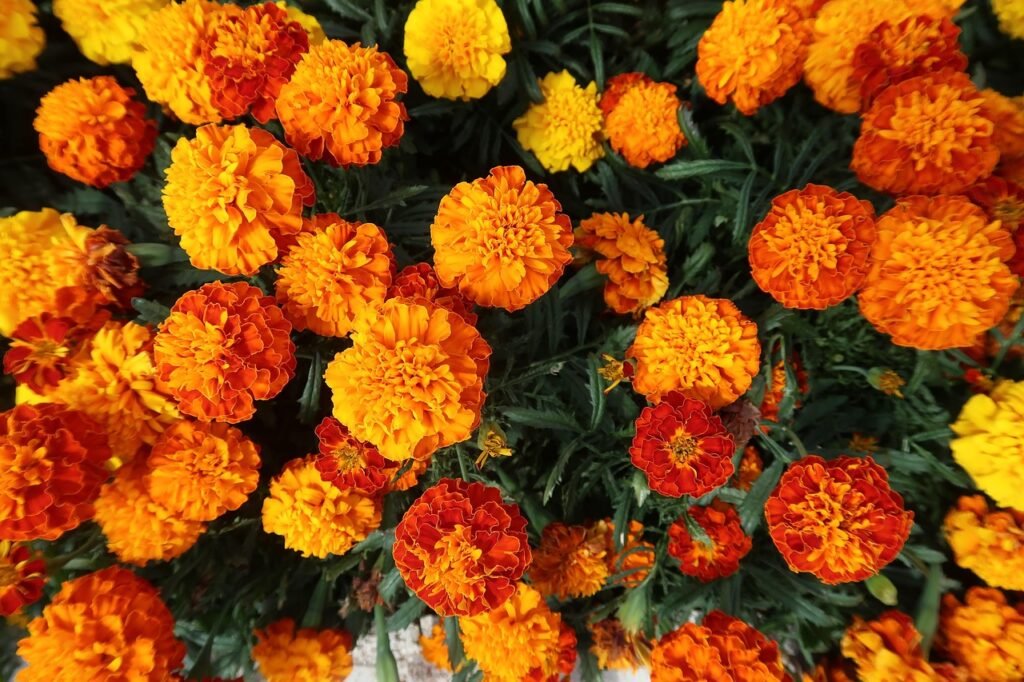
6. Chamomile and Calendula (Flowers)
- Chamomile is known as a “plant doctor,” helping improve broccoli’s growth.
- Calendula attracts pollinators and beneficial insects that keep pests under control.
- Plus, flowers make your container garden look beautiful!
Container tip: A small pot of calendula next to your broccoli grow bag can make a big difference.
Plants to Avoid Near Broccoli
Not every plant makes a good neighbor. Some compete too much, while others invite pests. Avoid planting these with broccoli:
- Tomatoes – Heavy feeders that compete for nutrients.
- Strawberries – Attract pests that also damage broccoli.
- Beans and Peas – Fix nitrogen in the soil, which sounds good, but too much nitrogen encourages leafy growth instead of broccoli heads.
- Mustard and Other Brassicas – They attract the same pests and can increase infestations.
Container Gardening: How to Grow Broccoli in Small Spaces
Since I grow everything in containers, I wanted to share what I’ve learned about the right setup for broccoli.
Minimum Container Size
- One broccoli plant needs at least a 5-gallon container, though bigger is always better.
- For best results, use a 7- to 10-gallon container per broccoli plant.
- If you want to interplant with companions, use 15-gallon or larger containers.
Soil Mix
- Broccoli is a heavy feeder, so start with a rich mix:
- 60% high-quality potting mix
- 20% compost (Black Kow, worm castings, or homemade)
- 20% perlite or coarse sand for drainage
- Add a handful of bone meal or all-purpose fertilizer at planting.
Fertilizer Tips
- Side-dress with organic fertilizer every 3–4 weeks.
- Liquid kelp or fish emulsion every 10–14 days helps maintain steady growth.
Spacing in Containers
- 1 broccoli plant per 7- to 10-gallon container.
- In a 15-gallon grow bag, plant 1 broccoli in the center and surround with herbs, beets, or spinach.
Seasonal Timing for Broccoli
Broccoli loves cooler weather. For Zone 8 gardeners like me:
- Spring Planting – Start seeds indoors 6–8 weeks before last frost, transplant outdoors when temps are steady in the 50s–60s°F.
- Fall Planting – Sow directly in late summer for fall harvest.
Companion planting works especially well in fall when pests are slowing down and you want to maximize container space.
Pest and Disease Control with Companions
Here’s how companions help reduce the most common broccoli problems:
- Cabbage worms → repelled by dill, rosemary, and onions.
- Aphids → deterred by garlic and calendula.
- Clubroot disease → reduced by crop rotation and keeping brassicas away from each other.
- Flea beetles → confused by strong-scented herbs like sage and thyme.
Companions act as your first line of defense, reducing how often you need sprays or interventions.
My Plan for Broccoli This Season
Since this is my first season, I’m starting small:
- One 15-gallon grow bag.
- One broccoli plant in the center.
- Garlic cloves tucked around the edges.
- A ring of spinach to act as mulch.
- Dill and chamomile in smaller pots right next to it.
This way, I’ll maximize the benefits without overcrowding. I’m excited to see how it turns out and to share the journey with my gardening community.
Final Thoughts
Companion planting for broccoli is all about balance: giving broccoli the space and nutrients it needs while surrounding it with plants that protect and enhance its growth. Herbs, onions, leafy greens, and flowers all make excellent neighbors. Avoid heavy feeders and pest-magnets like tomatoes, beans, and strawberries.
If you’re gardening in containers, don’t be afraid to experiment. Even in a small space, you can build a thriving ecosystem that helps broccoli grow strong and flavorful. I’m proof that even beginners can make this work—it’s my first season, and I already feel more confident knowing my broccoli isn’t growing alone.
A Resource Just for Beginner gardeners
When I first started gardening, I remember feeling completely lost. Which crops do I plant in my zone? What size container is big enough for broccoli? How do I keep track of what I’ve planted, fed, and harvested? Those questions came up constantly—and honestly, they slowed me down because I spent more time searching for answers than actually enjoying the garden.
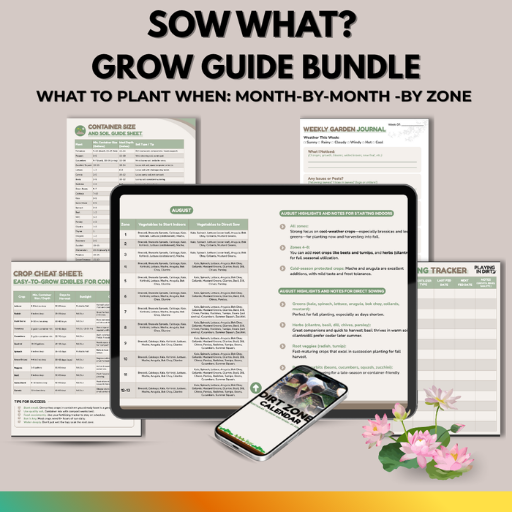
That’s exactly why I created my monthly planting guide, a resource designed to help beginners skip the confusion and jump right into growing with confidence. Whether you’re starting with one broccoli plant in a container or building a mini patio garden, this bundle gives you tools to plan, track, and grow successfully without feeling overwhelmed.
What’s Inside the Monthly planting guide?
Here’s a look at what you’ll find inside:
- Container Size & Soil Cheat Sheet
- Ever wonder what size container you need for each plant? This guide lays it out in simple terms. For broccoli, you’ll see right away that a 7- to 10-gallon container is ideal. You won’t waste time guessing or cramming too many plants together.
- Monthly Planting Guide by Zone
- No more wondering “What can I plant this month?” This planner breaks down vegetables, herbs, and flowers by USDA zone, giving you a quick-glance chart for every month of the year. If you’re in Zone 8 like me, you’ll see exactly when broccoli should be started indoors or sown outdoors.
- Fertilizer Made Simple Tracker
- Broccoli is a heavy feeder, and it can be tough to remember when you last fertilized. This tracker helps you schedule feedings—whether you’re using kelp, fish emulsion, or granular organic fertilizer—so your plants get steady nutrition without overdoing it.
- Beginner Crop Cheat Sheet
- This quick guide covers easy-to-grow vegetables that pair perfectly with broccoli, like spinach, lettuce, radishes, and beets. It helps you pick crops that are forgiving and don’t overwhelm you while you’re still learning.
- Weekly Observation Journal
- One of the most powerful tools you can have is a simple record of what you see in the garden. This journal helps you log changes—like pest sightings, new growth, or weather shifts—so you can learn patterns and improve each season.
- Seasonal Checklist
- Gardening isn’t just about planting; it’s about keeping up with seasonal tasks. This checklist reminds you when to start seeds, amend soil, prune, and harvest so you stay ahead without scrambling.
In short, the planting guide saves you time, prevents mistakes, and gives you confidence that you’re on the right track—even if you’ve never planted a seed before.
Why I Made It
I made this bundle because I wish I had something like it when I started. As a new gardener, I often felt like I was piecing together tips from YouTube, blogs, and trial-and-error. Having everything in one place makes the process smoother and more enjoyable. Gardening should feel exciting, not stressful—and this bundle helps it stay that way.
If you’d like to check it out, you can grab the planting guide here.
*This post contains affiliate links. If you click through and make a purchase, I may earn a small commission at no extra cost to you.