Skip to content
Every gardener has that moment — you step outside, excited to check on your little seedlings, only to find their leaves chewed up like someone called a buffet in your garden. That was me last week. My brassica babies — kale, broccoli, cabbage, and bok choy — hadn’t even taken off yet, and something was already snacking on them.
As a container gardener, I’ve learned that garden pests control looks a little different when you’re growing in pots instead of raised beds. The bugs don’t care whether it’s a backyard garden or a balcony — they’ll find their way to your plants either way.
So, I decided to take matters into my own hands and experiment with row covers to see if I could protect my seedlings naturally. I’ll be honest, I didn’t know what I was doing — but sometimes that’s what gardening is all about: learning, adjusting, and trying again.
In this post, I’ll share my experience using row covers to fight back against garden pests, the lessons I learned along the way, and a few helpful tools that made the process easier.
The Battle Begins — When Garden Pests Show Up Early
If you’ve ever started brassicas — like kale, cabbage, broccoli, or bok choy — you know those first few weeks feel precious. You’re checking daily for new leaves, making sure the soil stays moist, and dreaming about those full, leafy harvests. But this season, my excitement quickly turned into confusion. My seedlings were barely a few inches tall, and their leaves already looked like Swiss cheese.
At first, I thought maybe it was just the wind or rough handling during watering. But then I noticed more holes — perfect little chew marks. That’s when I realized I had company. The kind that doesn’t pay rent.
When it comes to garden pests control, brassicas are some of the most targeted crops. They’re magnets for tiny invaders like cabbage worms, flea beetles, aphids, and slugs. These pests can destroy tender seedlings overnight if you’re not paying attention.
Seeing the damage early made me realize how important it is to act fast. I didn’t want to lose an entire crop before it even had a chance to grow. That’s when I started researching ways to protect my plants without resorting to harsh chemicals.
The more I learned, the more I realized this was about more than just saving seedlings — it was about finding a sustainable rhythm with nature. That’s where row covers entered the picture.
Learning Garden Pests Control — What I Tried First
Before I even touched the row covers, I went down a rabbit hole of research — trying to figure out how to protect my plants from bugs without using anything harsh or chemical-heavy. I’ve always leaned toward natural methods, especially since my garden isn’t far from where I relax, cook, and breathe.
My first thought was to reach for organic garden pest control options like Neem oil spray and diatomaceous earth. Neem oil is a gardener’s classic — it helps control aphids, whiteflies, and caterpillars by disrupting their life cycle. You just mix it with water, spray under the leaves, and let it do its thing. I also learned that diatomaceous earth can help with crawling pests like slugs and beetles — it’s basically a fine, natural powder that dehydrates soft-bodied insects on contact.
Even with those tools in my back pocket, though, I noticed something: bugs kept coming back. It was like I was playing defense while they played offense. That’s when I realized I needed a barrier, not just a treatment.
That’s where row covers for gardens caught my attention. They’re lightweight, breathable fabrics that physically block pests from landing on your plants while still letting sunlight and water in. For someone like me — a container gardener working with small grow bags and limited space — this felt like the perfect next step in my garden pests control journey.
Why I Chose Row Covers for Garden Protection
After trying sprays and powders, I realized I needed something that didn’t require constant reapplying or worrying about rain washing it away. I wanted a low-maintenance solution that would physically keep bugs out, not just chase them away. That’s when I discovered row covers — the unsung heroes of garden pests control.
A row cover is basically a thin, breathable fabric that acts like a shield for your plants. It keeps flying insects like cabbage moths, flea beetles, and whiteflies from landing on your leaves — while still letting sunlight, air, and rain through. It’s a simple idea, but for me, it was a total game-changer.
I chose a lightweight version so my seedlings could still breathe, especially since container gardens can heat up fast. My goal was to create a barrier that wouldn’t suffocate them. I also picked up a few bamboo stakes to hold up the fabric, kind of like a mini tent over each grow bag.
What I loved most was how natural it felt. Instead of fighting against nature, I was working with it — simply creating a boundary. No chemicals, no complicated process, just a simple layer of protection between my plants and their hungry visitors.
If you’re growing in containers like me, row covers for plants might just be the easiest way to keep pests out and peace of mind in.
My DIY Setup — How I Used Row Covers on Containers
When I finally got my row covers, I was excited — and a little nervous. The instructions online made it look so easy when you’re working with raised beds or in-ground rows. But in containers? That’s a whole different challenge.
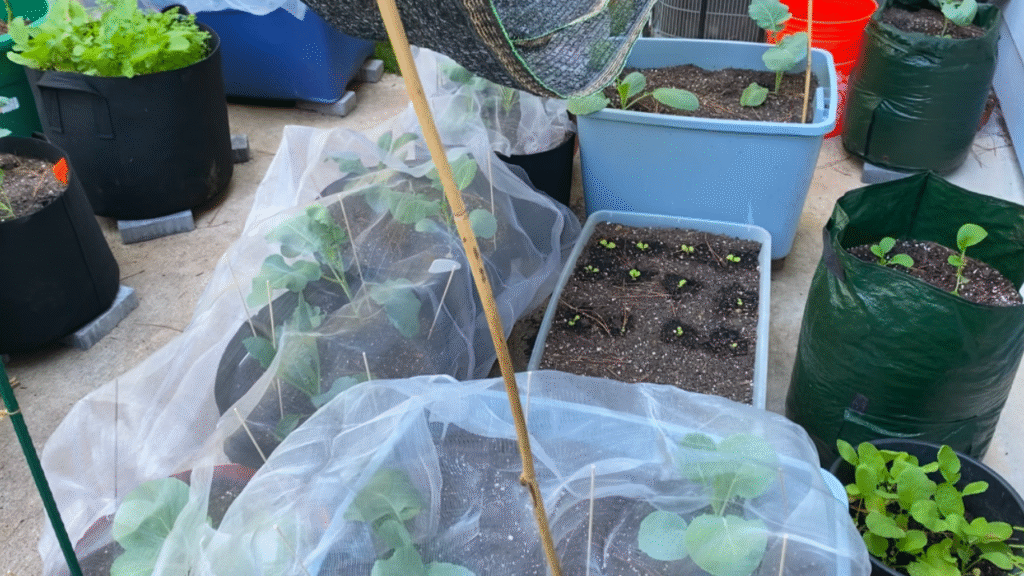
The sun was already setting when I decided to get started, so it turned into a race against daylight. I grabbed my bamboo sticks and gently pushed them into each grow bag — nothing fancy, just enough to create a little arch. The goal was to have something sturdy enough to drape the fabric over without it touching the leaves.
Next came the row cover fabric — lightweight, almost like a soft mesh curtain. I cut it into smaller pieces so each container had its own fitted cover. Then I draped it loosely over the bamboo stakes and tucked the edges around the rims of the grow bags. To my surprise, the fabric naturally clung to the sides. I didn’t even need clips or pins — though, if you’re working in a windy area, I’d definitely recommend garden clips or fabric pins to keep everything in place.
When I stepped back, it looked like a little garden village — each bag with its own mini dome. Some taller plants like broccoli stretched the fabric a bit, so next time I’ll use flexible garden hoops for extra height. I even layered a shade cloth on top during the hottest hours to prevent heat stress.
The next morning, everything looked calm and untouched. No new holes. No chewed leaves. I can’t tell you how satisfying it felt to see my plants finally protected. It wasn’t perfect, but it was progress — and in gardening, that’s what matters most.
What I Learned About Garden Pests Control
This little experiment taught me that garden pests control doesn’t have to be complicated — it just takes observation and consistency. I learned that it’s not always about killing bugs; sometimes, it’s about creating barriers and balance.
The row covers gave me peace of mind because they worked before pests became a problem. Instead of reacting to damage, I was finally being proactive. That’s a big shift for any gardener, especially when you’re still figuring things out like I am.
I also learned how quickly pests can take advantage of unprotected seedlings. One night of neglect can turn new leaves into lace. So now, before planting any leafy green, I plan my protection setup just like I plan my soil mix or fertilizer.
Of course, I still check under the covers every few days. A good pest strategy is never “set it and forget it.” It’s about creating a system that works with nature, not against it.
Every season teaches something new, and this one reminded me that prevention is always easier than rescue. A little fabric and a few bamboo sticks can truly make all the difference.
Garden Pests Control Essentials — My Go-To Tools and Supplies
One thing I’ve learned since starting this garden pests control journey is that having the right tools makes everything easier. You don’t need a ton of fancy gadgets — just a few reliable items that protect your plants and keep maintenance simple. Here’s what I personally use and recommend:
1. Floating Row Covers for Garden Protection
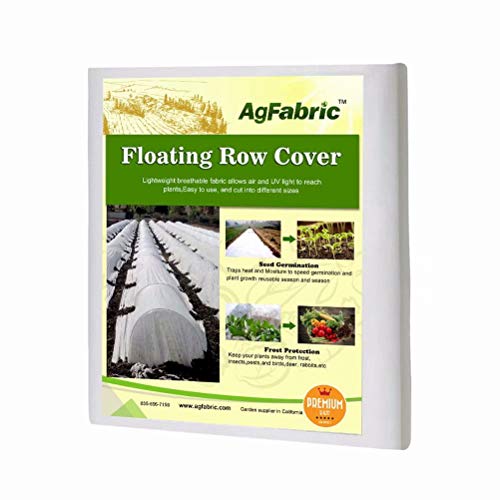
These are my first line of defense. Lightweight and breathable, they block pests like cabbage moths, flea beetles, and aphids from ever reaching your plants. I love this floating row cover fabric — it’s easy to cut, drapes perfectly over grow bags, and still lets sunlight and rain through.
2. Shade Cloth for Plants
In hot weather, especially here in the South, plants can stress under intense sunlight. A 40% shade cloth helps reduce heat and keeps young seedlings from wilting while still letting enough light in for growth.

3. Bamboo Stakes and Flexible Garden Hoops
These bamboo garden stakes are sturdy, affordable, and perfect for supporting row covers in containers. For taller crops like broccoli, I switch to flexible garden hoops that give plants extra headroom as they grow.

4. Organic Pest Sprays and Barriers
Even with covers, I keep a few organic solutions on standby — Neem oil spray for soft-bodied pests, sticky traps for flying insects, and diatomaceous earth powder for soil-level crawlers.
Each of these tools plays a small role in a bigger system — keeping your plants protected while allowing nature to thrive. Once you have a few basics in place, you’ll spend less time battling pests and more time enjoying your harvest.

Plan Ahead — Track and Protect with My Monthly Planting Planner
If there’s one thing gardening has taught me, it’s that prevention starts with planning. Garden pests control isn’t just about reacting to what you see — it’s about staying one step ahead of what might happen next. That’s why I started using (and created) my Monthly Planting by Zone Planner.
Every season brings new challenges — different pests, weather shifts, and planting timelines. My planner helps you track it all in one place so you’re never guessing. Inside, you’ll find:
- Zone-based Planting Guide — so you’ll know exactly what to plant each month in your area.
- Container Size Cheat Sheet — perfect for those growing in containers or limited spaces so you know container size for each plant.
- Gardening Journal — jot down when you first spot bugs, what you used for control, and whether it worked.
- Fertilizing Tracker — to stay on top of your fertilizing schedule.
- And More!
When you plan your garden around your growing zone and pest patterns, you start preventing problems before they even appear. It takes the stress out of guessing and turns gardening into a smoother, more intentional rhythm.
So if you’re ready to stay ahead of garden pests, organize your planting schedule, and protect your crops season after season — grab your copy of my Monthly Planting Planner.
Download your Monthly Planting Planner here and make this your most confident growing season yet.
Conclusion — Growing, Learning, and Protecting What We Plant
When I first noticed those tiny holes in my seedlings’ leaves, I felt frustrated — like all my hard work was being undone before it even began. But this experience reminded me that gardening isn’t just about growing plants. It’s about growing patience, awareness, and adaptability.
Through trial, error, and a few late evenings spent setting up row covers by flashlight, I learned that garden pests control doesn’t have to be complicated or intimidating. Sometimes, the simplest solutions — a breathable cover, a few bamboo sticks, and consistency — can make the biggest difference.
Every season brings its own lessons. Some are about soil and sunlight; others are about trust — trusting that small steps really do add up over time.
If your plants are being tested right now, don’t give up. Keep experimenting. Keep learning. The more you observe your garden, the more it teaches you in return.
And as always — plan, protect, and plant with intention.
This post contains affiliate links, which means I may earn a small commission if you purchase through them — at no extra cost to you.