Skip to content
So, it’s October. Can you believe how quickly the year has gone by? The air is cooler, the days are shorter, and for many people, this feels like the time to put the garden to rest until spring. But here’s the thing: the gardening season doesn’t have to end just because summer is behind us. In fact, gardening in October can be one of the most rewarding times of the year.
I used to think fall gardening wasn’t worth the effort. The unpredictable weather here in Zone 8A—one day hot, the next day rainy or even a sudden cold snap—made me think it was too late to start anything new. But over the past couple of years, I’ve realized that fall is actually one of the best times to grow. The soil is still warm enough for seeds to germinate, pests are fewer compared to summer, and many crops actually prefer the cooler temperatures.
When I walk through my garden right now, it’s filled with leafy greens, root vegetables, and brassicas that are thriving in this season. My lettuce might look a little pitiful after a heavy rain, but I know it’ll bounce back. My kale plants are holding strong in their containers, and my radishes are almost ready to harvest after weeks of anticipation. Every corner of my small-space garden is working hard, even in October, and that’s proof enough for me that fall gardening is worth it.
If you’re wondering what to plant in October, you might be surprised by the variety. Leafy greens like kale, spinach, lettuce, arugula, and Swiss chard grow beautifully in the fall. Root vegetables such as radishes, carrots, and beets love the cooler soil and can handle shorter days. And of course, brassicas—think broccoli, cabbage, cauliflower, and collards—are staples in a fall garden. Even alliums like garlic and onions go into the ground now for harvests later in the year. These vegetables aren’t just surviving—they’re thriving because October planting gives them exactly the conditions they need.
The best part is that you don’t need a huge backyard to make this happen. Most of what I’m growing right now is tucked into containers, grow bags, or small raised beds. For me, gardening in October is all about working with the space I have and making smart choices. Sometimes that means squeezing kale and broccoli into the same container, or reusing spaces where summer crops like tomatoes used to grow.
In this post, I’ll walk you through everything I’m planting this month, how I’m planting it, and what products I’m using to make it easier and more successful. Whether you’re brand new to gardening or just looking for fresh ideas, you’ll see that October is far from the end of the season—it’s actually the perfect time to keep your garden productive.
And if you’re the type who likes having a plan in place, I’ll also share my monthly planting guide at the end of this post. It’s a resource I created to take the guesswork out of what to plant each month, based on your zone, so you can grow with confidence all year long.
Why Gardening in October is The Perfect Time For cOOL-season Crops
October often feels like a “pause button” in the garden—summer crops are fading, and winter hasn’t fully settled in. But this month creates a unique window where cool-weather vegetables can really shine. The soil is still holding onto warmth from summer, which helps seeds sprout quickly, while the cooler air keeps plants from wilting or bolting. It’s like the best of both worlds: cozy roots underground and comfortable leaves above.
I’ve seen this play out time and time again in my own containers. Lettuce that used to bolt in spring heat now grows at a steady pace in the fall, with leaves that taste milder and less bitter. Spinach that struggled in summer comes alive in October, producing deep green leaves that I can harvest week after week. Even my carrots and radishes seem to grow with less fuss, developing flavor without turning tough.
Another advantage of October planting is the softer sunlight. Shorter days might sound like a disadvantage, but for crops that dislike scorching rays, it’s a blessing. My kale, for example, stays tender for much longer when planted now compared to spring. I don’t have to rush to harvest it—it grows steadily and keeps producing.
And while pests don’t vanish completely, they are less of a problem in the fall. Summer always feels like a constant battle against caterpillars and beetles, but October brings some relief. My collards still get a few unwanted visitors, but overall the damage is much less than what I see in July.
That’s why I’ve grown to love this month in the garden. Instead of shutting things down, I get to keep planting and harvesting—just with crops that truly enjoy these conditions.
#1. Leafy Greens: The Backbone of a Fall Garden
When most people ask me what to plant in October, leafy greens are always at the top of my list and my favorite veggies to plant in Fall. They’re quick to grow, thrive in cool weather, and don’t require a lot of space—which makes them perfect for container gardeners like me. Whether you want a steady supply of salad leaves or hearty greens to sauté, there’s no better time to start them than right now.
Lettuce – Cool Weather Staple
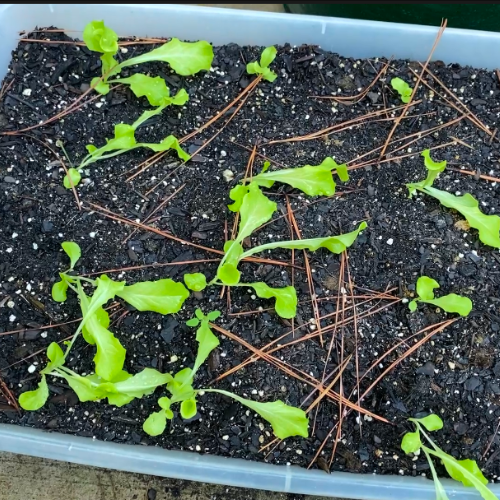
Lettuce is always one of the first crops I think about when October rolls around. It loves cooler weather, grows quickly, and can be harvested at almost any stage. The tricky part, at least for me, has always been starting it successfully. Early in my gardening journey, I struggled to get lettuce seeds to take off when sowing them directly into soil. The germination was spotty, and when seedlings did come up, they seemed fragile and didn’t last long.
What changed everything for me was starting lettuce hydroponically indoors. I use a simple countertop system—nothing fancy—and within a week, I had healthy little seedlings ready to move outside. Once they were established, I transplanted them into containers in my garden. Seeing them thrive after such a rocky start with soil sowing was a big confidence boost, and it’s now my go-to method.
The variety I grow most often in fall is loose-leaf lettuce. It’s forgiving, produces multiple cuttings, and even when a heavy rain flattens it, I know it will bounce right back. I like to plant a mix of varieties for color and texture, and I stagger the plantings every couple of weeks so I can keep harvesting fresh leaves throughout the season.
If you’re thinking about growing lettuce this October, here are a few things that have helped me:
- Start indoors: A hydroponic starter system or even seed trays under a grow light can give you stronger seedlings.
- Choose containers with good drainage: Lettuce doesn’t like soggy roots.
- Harvest early and often: Snip outer leaves and let the plant keep producing.
It’s simple, space-friendly, and the payoff of fresh salads right from the garden is worth every bit of effort.
Arugula – A Second Chance Crop
Arugula is one of those greens that either wins you over immediately with its peppery bite or makes you wonder if it’s too strong. My first attempt? A total flop. The weather here in the South flipped from hot to cold to rainy and back again, and my arugula couldn’t handle it. By the time I harvested a few leaves, they were bitter, and the plants barely produced.
But October gives arugula the steady conditions it needs, so I’m giving it another shot this year. The soil is cooler, the days are shorter, and pests aren’t as aggressive. I’m going into this round with better soil prep, a little fertilizer, and a plan to harvest early before the flavor gets too sharp.
Soil Preparation
Arugula likes light, well-draining soil rich in organic matter. I start with a mix of compost, coco coir or peat moss, and perlite. This keeps the soil loose and helps retain just enough moisture without becoming waterlogged. If your soil feels heavy, work in extra compost or even leaf mold for structure.
Fertilizer Needs
Arugula is a leafy green, so it craves nitrogen for healthy foliage. I mix in a balanced fertilizer (something like a 4-4-4 organic blend) at planting, then side-dress with worm castings or fish emulsion every 2–3 weeks. This keeps the leaves tender and growing steadily. Avoid over-fertilizing though—it can make the flavor too harsh.
Planting Tips
- Sow seeds ¼ inch deep, thinning to 3–4 inches apart for larger leaves.
- For containers, shallow grow bags or window boxes work perfectly.
- Water consistently; arugula wilts fast when soil dries out.
This time, I’m ready to turn last year’s disappointment into a leafy green success. Even if you’ve struggled before, October’s conditions make arugula worth another try.
Spinach – Resilient and Reliable
Spinach is one of those crops that feels made for fall. Unlike delicate lettuces or fussy arugula, spinach has a toughness to it—it actually seems to enjoy the cool nights and shorter days of October. When I’ve planted it earlier in the year, it struggled once the weather turned hot, often bolting before I could enjoy much of a harvest. But in fall, it grows steadily, producing deep green leaves that keep coming back after every harvest.
Soil Preparation
Spinach prefers soil that’s rich in organic matter but also drains well. I usually start with a base of compost mixed with garden soil, then add in perlite or coarse sand to loosen things up. Because spinach has a shallow root system, compacted soil is its worst enemy—it needs light, airy soil to spread out. I like to top-dress with compost or leaf mold before planting, which keeps the soil fertile throughout the season.
Fertilizer Needs
As a leafy green, spinach responds well to nitrogen. I work in an organic fertilizer like a 4-4-4 all-purpose blend at planting. During the season, I keep it simple: a side-dressing of worm castings or a diluted fish emulsion every 2–3 weeks. This steady nitrogen source keeps the leaves lush without overfeeding.
Planting Tips
- Sow seeds about ½ inch deep and 2 inches apart. Thin seedlings to 4–6 inches once they sprout.
- Water consistently but don’t overdo it—spinach likes even moisture, not soggy soil.
- To extend the harvest, plant a new round of seeds every two weeks.
What I love most about spinach in October is how forgiving it is. Even when I’ve missed a watering or planted a little too close together, it keeps bouncing back. For a beginner-friendly, reliable fall crop, spinach is hard to beat.
Swiss Chard – Colorful and Resilient
Swiss chard is one of those greens that deserves more attention when gardening in October. It’s beautiful, nutritious, and can handle a wide range of conditions. But I’ll be honest—my first attempt wasn’t great. I planted a few seedlings right next to my tomatoes, thinking they’d happily share space. What actually happened? The tomatoes towered over them, hogged the light, and left my poor chard struggling to survive. I ended up with just one or two spindly plants fighting for life. Lesson learned: give Swiss chard its own space.
This October, I’m starting fresh with a dedicated container just for chard. I want to give it the chance to grow strong without being overshadowed by bigger, more aggressive plants.
Soil Preparation
Swiss chard likes loose, fertile soil that retains some moisture but still drains well. I prepare a mix of compost, garden soil, and coco coir, which holds moisture without becoming soggy. Since chard is a heavier feeder than lettuce or arugula, I also mix in a slow-release organic fertilizer (a 5-10-10 blend works great) before planting.
Fertilizer Needs
To keep the leaves lush, I feed chard every 3–4 weeks with a liquid fertilizer like fish emulsion or seaweed extract. I’ve also had success side-dressing with worm castings mid-season. The goal is to keep nutrients steady so the leaves stay tender and colorful.
Planting Tips
- Sow seeds ½ inch deep and thin to 6–8 inches apart.
- For containers, choose at least a 5-gallon size for a few plants.
- Harvest outer leaves regularly to encourage continuous growth.
What excites me about Swiss chard is its resilience. Even when stressed, it tries to bounce back. This season, with the right space and soil, I’m hopeful it will finally thrive in my fall garden.
Kale – A Beginner-Friendly Fall Green
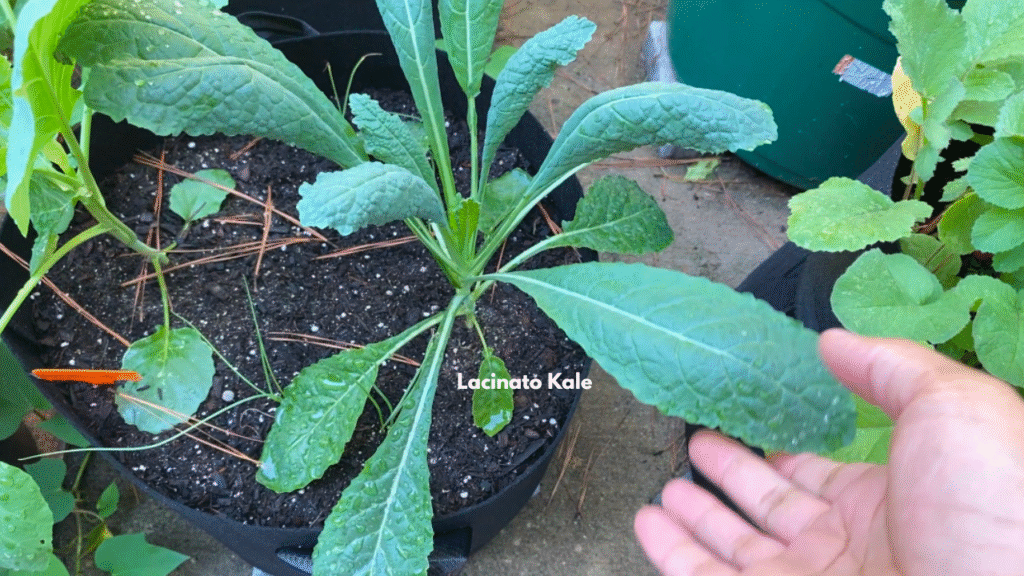
This is my very first season growing kale, and I can’t lie—I’m excited every time I walk outside and see how well it’s doing. It’s becoming another one of my favorite veggies to plant in Fall. If you’re a newbie and you’re thinking of veggies to plan in the Fall, kale is that vegetable! It has a reputation for being beginner-friendly, and so far, it’s living up to the hype. What I love most is its flexibility: you can harvest it early as baby greens for salads, or let the leaves grow larger for sautés and soups. In my garden, I’ve got kale sprinkled everywhere—some in grow bags, some in containers, and a few tucked in next to my brassicas.
Of course, container space is always tight for me, so I ended up planting kale alongside broccoli in a 10-gallon pot. It’s a bit crowded, and I probably should’ve left that space for just one crop, but that’s part of the fun of container gardening—experimenting to see what works.
Soil Preparation
Kale grows best in rich, well-drained soil with plenty of organic matter. I fill my containers with a mix of compost, garden soil, and perlite to keep it light. Adding a layer of aged compost on top helps feed the plants over time while keeping the soil structure healthy.
Fertilizer Needs
Kale is a moderate feeder, so I start with an all-purpose organic fertilizer mixed into the soil at planting. Every few weeks, I’ll supplement with liquid kelp or fish emulsion to give the plants a nitrogen boost. This keeps the leaves tender and green, especially since container soils can leach nutrients quickly.
Planting Tips
- Sow seeds ½ inch deep or transplant seedlings.
- Thin plants to 12–18 inches apart if growing in-ground; in containers, give each plant room to spread.
- Harvest from the bottom up, taking outer leaves first and leaving the center to keep producing.
Kale has quickly become one of my favorite fall crops—not just because it’s thriving, but because it feels like a small gardening win every time I pick fresh leaves.
Helpful Products for Growing Leafy Greens
One of the best parts about growing fall greens is how little space and equipment you actually need—but a few key tools can make the process smoother and more productive. Here are some I’ve found especially helpful in my own garden:
- Hydroponic starter kit – Great for starting lettuce or spinach indoors before transplanting.
- Seed starting trays with humidity domes – Keeps soil moist and improves germination rates.
- Grow lights – If you don’t have a sunny window, lights give seedlings a strong start.
- Organic fertilizer (4-4-4 ) – Balanced nutrition for steady leafy growth.
- Row covers or insect netting – Protect tender greens from pests like flea beetles and caterpillars.
- 5–10 gallon grow bags – Perfect for kale, Swiss chard, or multiple lettuce plants.
These simple tools not only save me frustration but also help maximize every inch of my small garden space.
#2. Root Vegetables: Crisp, Colorful, and Quick
October planting is the time when root crops shine. Cooler soil temperatures bring out their best flavors, and the shorter days help them mature without becoming woody or bitter. They’re also some of the most rewarding crops to grow because once they sprout, you can practically watch them swell beneath the soil.
For me, root vegetables have been a mix of trial and error. Carrots tested my patience, beets have been slow but steady, and radishes—after a year of struggling—have finally become a success story in my garden. The beauty of these crops is that they don’t need much space. Containers, raised beds, or even narrow rows are enough to keep you harvesting crisp, fresh roots well into the fall. If you’re gardening in October, root vegetables are a must!
Radishes – Fast and Foolproof
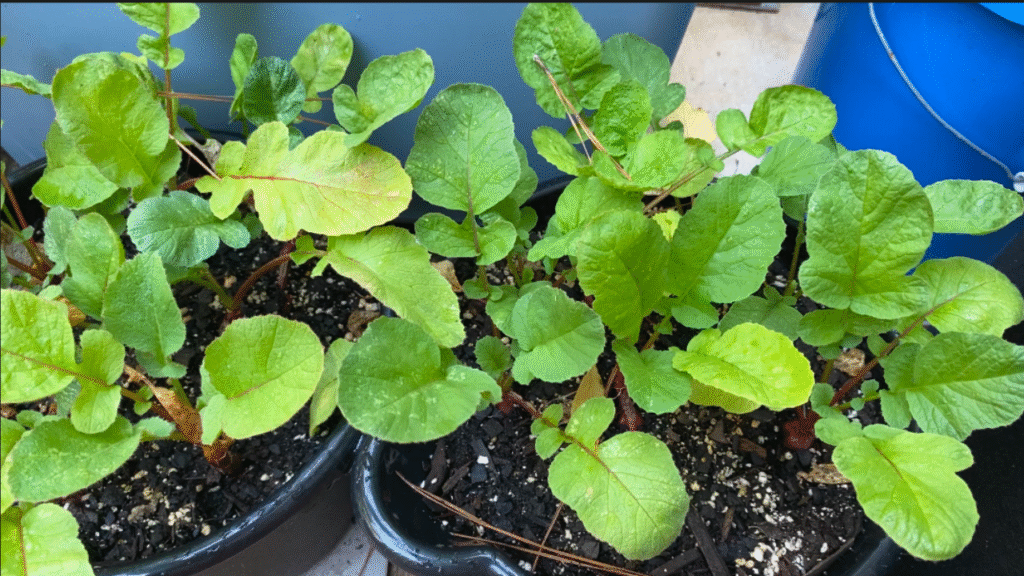
Radishes have been one of the trickiest crops for me to figure out. In my early attempts, they either didn’t form bulbs, turned tough and spicy, or just sat in the soil without doing much. But this fall, something finally clicked. My Cherry Belle and Icicle Short Top varieties are filling out nicely, and for the first time I feel like I’ve cracked the code.
Soil Preparation
Radishes don’t like heavy or compacted soil. They need a loose, well-draining mix so their roots can expand easily. In my containers, I combine compost, coco coir, and perlite to create a fluffy texture. Before sowing, I smooth the surface with my hand to make sure the seeds get even contact with the soil.
Fertilizer Needs
The biggest shift for me was keeping fertilizer simple. Instead of using a standard garden mix, I only added worm castings to my soil. Radishes don’t need a lot of nitrogen—too much can cause them to put all their energy into leafy tops instead of roots. Worm castings add just enough balanced nutrition to keep the plants healthy while supporting steady root growth. They also improve soil texture and moisture retention, which radishes love.
Planting Tips
- Sow seeds about ½ inch deep and 1 inch apart.
- Thin seedlings to 2 inches once they sprout.
- Keep the soil evenly moist—dry spells followed by heavy watering can cause radishes to crack.
- Harvest on time (around 25–30 days for Cherry Belles). Wait too long and they’ll turn woody or overly spicy.
This year, my radishes have finally become a success story. With loose soil, a sprinkle of worm castings, and consistent watering, I’ve gone from frustration to crisp, crunchy roots ready for harvest.
Carrots – A Lesson in Patience
Carrots have tested my patience more than any other crop. The first time I planted them, I waited months—eight to be exact—before I saw anything worth pulling. Even now, they’re teaching me that carrots are a crop you don’t rush. This season, I’m growing Denver 26 and a mix of Scarlet Nantes in containers, and I’ve decided to experiment by not thinning them. Most guides recommend thinning to give roots space to expand, but I wanted to see what would happen if I let them grow crowded. I’m expecting smaller carrots, but I’m okay with that—it’s all part of learning.
Soil Preparation
Carrots are picky about soil. They need it to be light, fluffy, and free of chunks or stones so their roots can grow straight. For my containers, I mixed compost, coco coir, and perlite to keep the soil loose. Before planting, I amended it with worm castings, bone meal, eggshell powder, and a 4-4-4 organic fertilizer. This combination gives the soil a balanced nutrient base:
- Worm castings → gentle, all-around nutrition and improved soil structure.
- Bone meal → phosphorus for strong root development.
- Eggshell powder → calcium to support healthy cell walls and reduce stress.
- 4-4-4 organic fertilizer → a slow-release mix to keep the soil fertile throughout the season.
Planting Tips
- Sow seeds ¼ inch deep, cover lightly, and keep the soil consistently moist until germination (10–14 days).
- If you want bigger carrots, thin seedlings to 2 inches apart. If you don’t thin (like my experiment), expect smaller but more numerous roots.
- Water lightly and often rather than drenching the soil—consistent moisture keeps roots from splitting.
- Check readiness by brushing back soil near the crown; harvest when roots reach the desired size.
Carrots require patience, but pulling out a crisp, sweet root you nurtured from seed makes the wait worthwhile.
Beets – A First-Time Experiment
This is my very first time planting beets, and to be honest, I’m praying they grow. I’ve admired them in other gardens for their color and versatility, but I’ve never had success with them myself. This fall, I decided to take the leap and add them into my containers.
I planted my beets in a grow bag that had previously held potatoes. I figured the soil was already loose from the potatoes, so it seemed like the perfect spot to give beets a chance. They’re sharing space with my bok choy plants—which are also perfect for October planting—so I’m curious to see how they do side by side.
Soil Preparation
Before sowing, I amended the soil the same way I did for my carrots: worm castings, bone meal, eggshell powder, and an organic fertilizer. Each ingredient serves a purpose: worm castings add steady nutrition, bone meal supports root development, eggshells provide calcium, and the 4-4-4 keeps the soil balanced throughout the growing season. Since beets, like carrots, need loose soil, reusing the potato bag was actually a smart move—the soil had already been worked through by those tubers.
Planting Tips
- Sow beet seeds about ½ inch deep and 2 inches apart. Each seed is actually a cluster, so thinning is usually needed once they sprout.
- Beets prefer consistent moisture. Uneven watering can cause them to crack or develop uneven roots.
- They’re ready to harvest in 55–70 days, depending on the variety.
- Don’t forget the greens—they’re edible and can be cooked just like Swiss chard.
This planting feels like an experiment, but that’s part of the fun of gardening. I may not know yet if my beets will thrive, but October gives them the cooler soil and gentler sun they need to get off to a good start. And if they succeed, I’ll have both roots and greens to enjoy.
Helpful Products for Growing Root Vegetables
Root crops may be simple, but they appreciate the right setup to grow straight, plump, and flavorful. Here are some tools and amendments I’ve found especially useful:
- Fabric grow bags (10–15 gallon) – Perfect for carrots, radishes, and beets. They keep soil loose and prevent roots from becoming stunted.
- Compost and worm castings – Gentle, steady nutrition that encourages root development without overwhelming plants.
- Bone meal and eggshell powder – Phosphorus and calcium help strengthen root systems and prevent stress.
- Organic fertilizer – Balanced blends that support healthy growth over the season.
- Soil sifter – Removes chunks and rocks so roots can grow straight.
With these simple tools, growing root vegetables becomes less about luck and more about setting up the soil for success. Once you try them, you’ll notice the difference in your harvests.
#3. Brassicas: The Stars of the Fall Garden
No fall garden feels complete without brassicas. These cool-season crops—broccoli, cabbage, cauliflower, collard greens, and bok choy—are what I picture when I think of October planting. They’re hearty, packed with nutrition, and thrive in the crisp weather that sends summer vegetables into decline.
In my garden, brassicas have been both exciting and humbling. This is my first year going all in on them, and while I love how they look in containers, they’ve brought their fair share of challenges—especially with pests. Even in fall, when insect pressure is lower, my collards and cabbages have had leaves chewed through more than once. But despite those battles, these plants feel worth the effort. Watching a tiny transplant grow into a full cabbage head or broccoli crown is one of the most rewarding gardening experiences.
Broccoli – Tall, Hungry, and Worth It
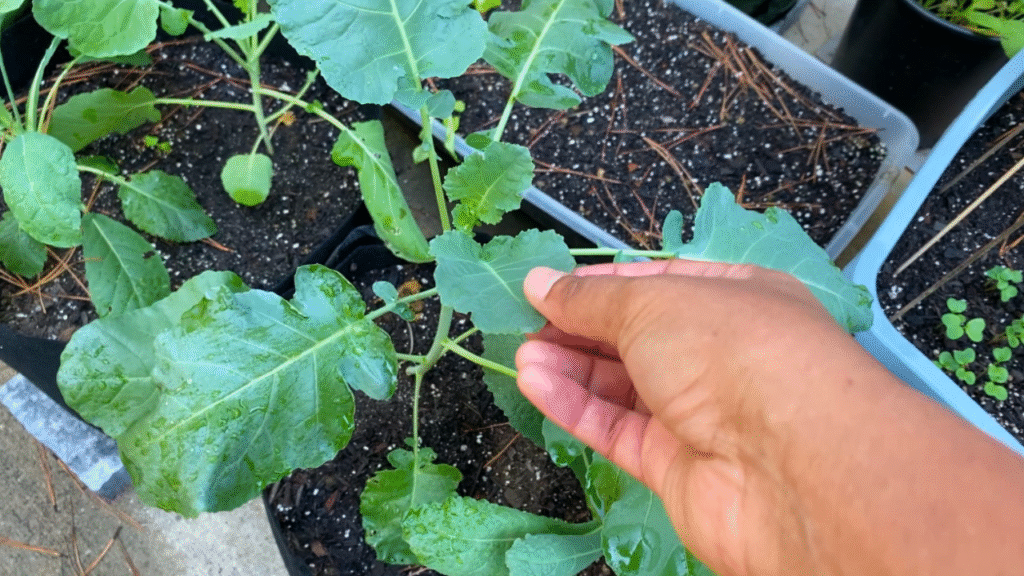
Broccoli has been one of my biggest learning curves this year. I always thought broccoli stayed short and spread wide before forming a head, but in my containers, some of my plants are shooting up tall. I found myself staring at them, wondering, “Am I even going to get a head of broccoli from this?”
Soil Preparation
Broccoli is a heavy feeder, so I set it up with rich soil from the start. I use a mix of compost, coco coir, and perlite for drainage, then amend it with worm castings, bone meal, eggshell powder, and an organic fertilizer. This provides a balance of nitrogen for leaf growth, phosphorus for root development, and calcium for strong stems.
Fertilizer Needs
Because broccoli grows fast and demands nutrients, I give it regular feedings every 2–3 weeks. A liquid fertilizer like fish emulsion or a kelp-based blend works well in containers, and I’ll side-dress with worm castings mid-season to keep plants fueled.
Planting Tips
- Start with healthy transplants—broccoli takes a long time to mature, so seedlings save time.
- Containers should be at least 5 gallons per plant, though bigger is better.
- Give broccoli space; crowding can stunt growth.
- Watch for pests like cabbage worms and cover plants with insect netting if needed.
Even with the questions and challenges, I’m excited to see how my broccoli experiment turns out. The anticipation of that first homegrown head keeps me motivated to give these plants the attention they need.
Cabbage – Big Heads in Small Spaces
Cabbage has always felt like one of those “classic” fall vegetables, but until now, I had only ever grown it from store-bought transplants. This year, I decided to try something new and start cabbage from seed. Watching the little seedlings develop into strong transplants has been one of the most exciting parts of my October garden.
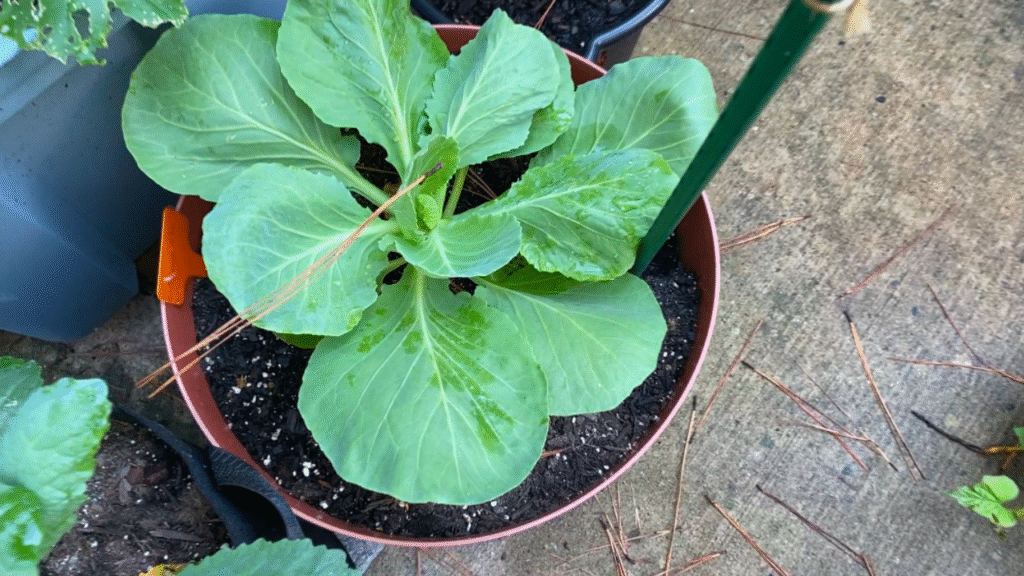
Cabbages take up space, and that’s been my biggest adjustment. In containers, it’s tempting to squeeze in other plants, but I quickly realized that cabbage does best when it has room to spread. The heads are already forming, and I’m grateful I gave a few plants their own dedicated grow bags. The ones I tried to tuck into shared containers don’t look nearly as happy.
Soil Preparation
Cabbage thrives in nutrient-rich soil that holds moisture but doesn’t become soggy. For my grow bags, I used my standard blend of compost, coco coir, and perlite, amended with worm castings, bone meal, eggshell powder, and an organic fertilizer. This combination gives cabbage the nitrogen it needs for strong leafy growth while supporting healthy roots and structure for big heads.
Fertilizer Needs
Cabbage is another heavy feeder. I fertilize every 2–3 weeks with a balanced liquid fertilizer—fish emulsion or kelp extract are my go-to choices. As the heads begin to form, I’ll side-dress with a little more compost or worm castings to keep nutrients steady. Consistency is key; if the soil dries out or nutrition drops too low, cabbages can split or grow irregularly.
Planting Tips
- Sow seeds indoors 6–8 weeks before transplanting or buy strong starts.
- Give each cabbage its own space—one plant per 5–7 gallon container works well.
- Keep soil evenly moist; mulch helps regulate moisture and temperature.
- Protect young plants from caterpillars and loopers with row covers.
Growing cabbage from seed has been such a rewarding process. Each time I check on them, I feel like I’m watching a slow but steady transformation into something hearty and beautiful.
Collard Greens – A Southern Staple with a Few Battles
Collard greens are a true Southern classic, and it wouldn’t feel like fall without them in my garden. I think they are the top list of vegetables to plant in October. This is my first season growing them from seed, and while they’ve been exciting to watch, they’ve also kept me on my toes. The plants are strong and leafy, but they’ve also become a buffet for fall pests. More than once, I’ve walked out to find big bites missing from my leaves, proof that I’m not the only one who enjoys collards.
Even with the pests, I’m glad I planted them. Collards are hardy, forgiving, and a great crop for beginners who want a leafy green that can handle cooler temperatures and still keep producing into winter.
Soil Preparation
Collards need nutrient-dense soil, just like cabbage and broccoli. For my containers, I prepared a blend of compost, coco coir, and perlite, then amended it with worm castings, bone meal, eggshell powder, and an organic fertilizer. This gives the plants a strong start and supports steady leaf growth. Because collards can get large, I’ve been careful to give them space in containers, though they’re still rubbing elbows with some of my other fall crops.
Fertilizer Needs
Collards are heavy feeders. I give them a liquid fertilizer every 2–3 weeks, usually fish emulsion or a kelp-based blend, to keep the leaves tender and green. When pests have taken a toll, I also side-dress with worm castings to give the plants a little recovery boost.
Planting Tips
- Sow seeds ½ inch deep or transplant healthy starts.
- Space plants generously—collards spread as they mature.
- Keep soil consistently moist and mulch to help with temperature swings.
- Use row covers or BT spray to control caterpillars and worms.
Despite the pest pressure, collards remain one of my favorite fall crops. They’re resilient, productive, and every harvest feels worth the effort.
Cauliflower – Tricky but Rewarding
Cauliflower feels a little more intimidating than its brassica cousins. While cabbage and broccoli seem to grow steadily once they’re established, cauliflower demands more patience and attention. This fall is one of my first real attempts at growing it, and I’ve learned quickly that cauliflower doesn’t forgive neglect the way collards or kale might.
What makes cauliflower unique is its need for consistently cool weather and even growth. If it gets stressed—whether from uneven watering, nutrient shortages, or sudden heat—it can button (form tiny, unusable heads) instead of producing the large, dense crowns we’re all hoping for. That makes October a great month to plant, especially in Zone 8A, where the soil is still warm enough to establish roots but the air is cool enough to keep plants comfortable.
Soil Preparation
Cauliflower thrives in rich, loose soil with plenty of organic matter. Like with my other brassicas, I mixed compost, coco coir, and perlite, then amended with worm castings, bone meal, eggshell powder, and an organic fertilizer. The balanced nutrients help support strong foliage, which is necessary for building up energy before head formation.
Fertilizer Needs
Cauliflower is a heavy feeder. I give it a liquid fertilizer every 2–3 weeks, alternating between fish emulsion for nitrogen and kelp-based fertilizer for micronutrients. As heads start to form, I add a side-dressing of compost or worm castings to keep growth steady.
Planting Tips
- Start with transplants to save time—cauliflower is slow to mature from seed.
- Space plants generously, about 18–24 inches apart.
- Mulch to help regulate soil temperature and moisture.
- When heads form, some gardeners tie outer leaves over the crown to “blanch” it, keeping it white and tender.
Growing cauliflower has been a humbling challenge, but even the attempt feels worthwhile. If I can nurse them through the season, the payoff will be one of the most satisfying harvests in my fall garden.
#4. Alliums: Garlic, Onions, and Shallots
If you’re wondering what to plant in October, no planting guide would be complete without mentioning the alliums. Garlic, onions, and shallots may not give you a quick fall harvest like radishes or kale, but they’re some of the most rewarding crops to grow if you’re willing to wait. Planting them now sets you up for harvests in late spring or early summer.
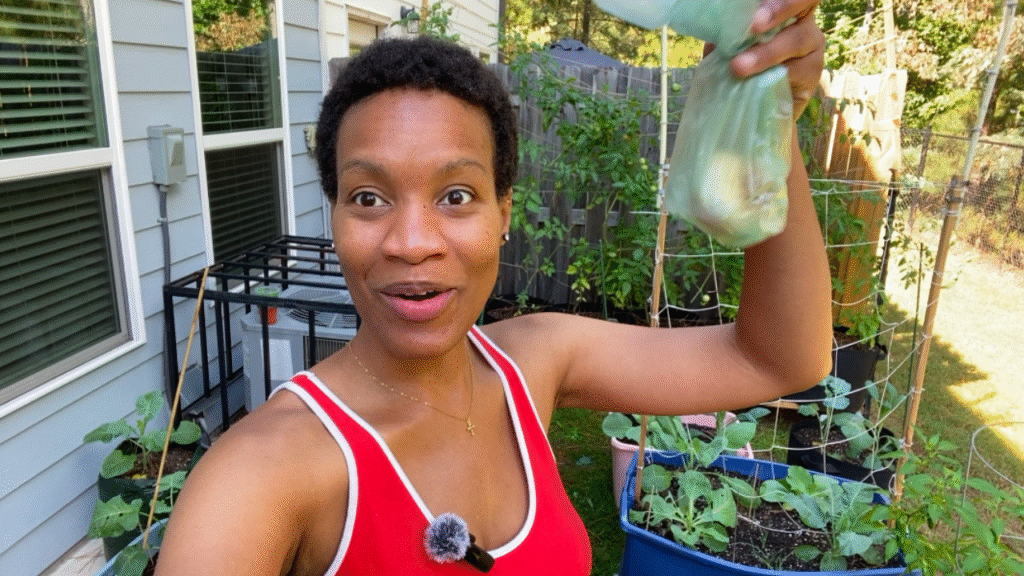
This season, I’m especially excited about garlic. I tried it once before when I first started gardening, but the weather ruined my crop before it ever had a chance. This year, I’m determined to give it another go. October is the perfect time to tuck cloves into the soil while it’s still warm enough for root growth. They’ll spend the winter quietly establishing, then burst into growth once spring arrives.
Onions and shallots follow the same idea. Whether you’re planting sets or transplants, fall planting gives them the head start they need to produce bigger bulbs. Like garlic, they love cool weather and consistent moisture, and they’ll reward patience with a crop that stores well long after harvest.
For me, the challenge is remembering that these crops aren’t about instant gratification—they’re a long game. Plant them in October, protect them with mulch over the winter, and let them do their thing. When summer rolls around and you pull up your own bulbs of garlic, onions, or shallots, you’ll be glad you gave them the time they needed.
Conclusion: October is Just the Beginning
As I look around my garden this October, I’m reminded that the growing season doesn’t end when summer fades—it simply shifts. My containers are filled with leafy greens like kale and spinach, root vegetables like radishes and carrots, and brassicas that are pushing through pest challenges to form their heads. Even my first attempts, like beets and cauliflower, feel exciting because fall is the season where experiments come alive.
Gardening in October is about patience and perspective. Some crops, like radishes, reward you in just a few weeks. Others, like garlic, test your ability to wait months before you see results. But whether it’s quick harvests or long-term rewards, October planting keeps the garden alive and productive while many people think it’s time to pack it all in.
What I love most about this season is the sense of possibility. Even if you’ve had failures earlier in the year—like I did with arugula—you get another chance to try again. Cooler temperatures, gentler sunlight, and fewer pests give these crops exactly what they need to thrive.
If you’re unsure where to start, or if you want a simple roadmap to take the guesswork out of planting, my Monthly Planting Guide can help. It’s designed by zone and lays out what to start indoors and what to direct sow every month of the year. Whether you’re a beginner gardener or just want to maximize your small space, it’s a tool that makes planning easier and harvests more consistent.
Grab your copy and keep your garden growing—no matter the season.
*This post may contain affiliate links, which means if you make a purchase, I may earn a small commission at no extra cost to you.