Skip to content
What if I told you the most powerful thing you can do for your health, your mind, and even your wallet is to grow your own food? It sounds simple, but it’s true. When I decided to grow my own food, it wasn’t part of some big plan or lifestyle shift. Honestly, I just wanted to see if I could do it. I’ve always been the type to try new things, to test myself, but I never imagined that something as small as planting a seed would change so much about my life.
When I started gardening, I didn’t know a thing about soil, sunlight, or planting schedules. I just knew I wanted to try. I began with one container sitting on my small townhouse patio, curious to see if anything would actually grow. I had no idea that first container would lead to dozens more, and a deep love for nurturing life from the dirt up.
Now, my once-empty backyard is filled with thriving containers of herbs, greens, and vegetables. It’s been a journey of learning, failing, and growing (both in the garden and within myself). And that’s why I believe everyone should try to grow their own food, even if it’s just one pot on a balcony. Because sometimes, the smallest seed can lead to the biggest transformation.
How My Gardening Journey Began
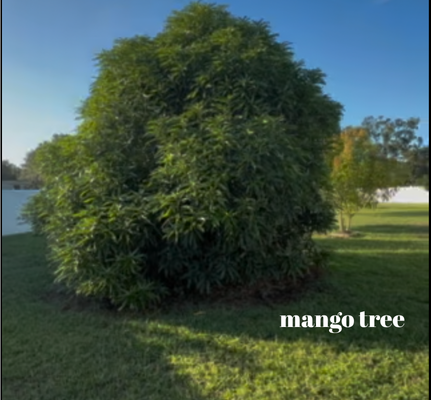
Before I ever thought about trying to grow my own food, gardening was just something I admired from afar. My stepfather was the real gardener in the family. He lives in Florida, and my parents have a big backyard filled with life- fruit trees, flowers, and sunshine. I still remember the day I helped him plant one of their six mango trees. I didn’t think much of it at the time; I just wanted to help. But there was something about that moment: the smell of the soil, the satisfaction of pressing a seedling into the earth that stayed with me.
When I moved to Georgia, that memory kept coming back. One day, I stood in my small townhouse backyard and thought, “What if I tried growing something?” I didn’t have much space, no raised beds or big garden plots, just a few feet of patio and a lot of curiosity. So I started small. One container. One seed. One chance to see what could happen.
I started researching how plants grow, when to plant them, and which ones could thrive in my zone. The more I learned, the more I fell in love with the process. I’ve always loved nature (hiking, being outdoors, soaking up the quiet), so it made sense that gardening would feel like home.
What started as a small experiment quickly grew into a passion. That first container became two, then five, then an entire collection of pots lining my patio. And just like that, I realized: you don’t need a big yard or years of experience to grow your own food. You just need the willingness to start.
The First Container -And How It Grew Into So Much More
That first container was the start of something I never expected. I didn’t have fancy equipment or an elaborate plan. I just grabbed a pot, filled it with soil, and dropped a few seeds inside, not really knowing if anything would happen. Every morning, I’d peek outside to see if something had sprouted. And the day I saw that first bit of green pushing through the soil, I felt something shift. I realized that if I could grow this, maybe I could grow more.
Before long, that one pot became five, then ten. My small townhouse patio (once empty and quiet) started filling with color, life, and the sound of bees and butterflies fluttering around. What began as a simple challenge became my favorite part of the day. I’d come home from work and head straight to my containers, checking on each one like they were my little garden family.
As the seasons changed, so did I. Gardening started teaching me patience, consistency, and appreciation for small progress. A sprout today could become a harvest tomorrow, if I cared for it. That lesson stuck with me.
Now, my patio is packed with herbs, greens, and vegetables, all grown from containers. It’s proof that you don’t need acres of land or perfect conditions to grow your own food, just the courage to begin with one seed.
The Health Benefits of Growing Your Own Food
One of the first things I noticed when I decided to grow my own food was how much more connected I felt to what I was eating. Before gardening, I didn’t think twice about where my food came from. I’d pick up my produce from the grocery store (usually organic) and that was it. But once I started growing my own vegetables, everything changed. I suddenly cared about the soil, the nutrients, the sunlight, and even the tiny details like when to water or prune. It made me appreciate food on a deeper level.
When you grow your own food, you know exactly what goes into it. You control the soil quality, what fertilizers you use, and how your plants are treated. That means no guessing about hidden chemicals or pesticides. Just clean, fresh produce grown with your own hands. And let me tell you, the difference in flavor is unbelievable. Even compared to organic store-bought produce, homegrown food tastes richer and more alive.
I’ll never forget the first time I harvested my sugar baby melons. They were small, perfectly round, and sweeter than anything I’d ever bought from the store. I remember biting into one and thinking, “Wow… this is what real food tastes like.” It was such a rewarding feeling, knowing that something I nurtured from seed turned into something so delicious and nourishing.
And then there’s the way gardening changes how you eat. When you’re surrounded by fresh greens, herbs, and vegetables, you naturally start making healthier choices. I found myself reaching for salads more often, adding herbs to everything, and drinking more water. It wasn’t forced. It was effortless because the food was right there.
But beyond the physical health benefits, there’s something healing about being outside, hands in the soil, soaking up sunlight. Gardening became my therapy, a way to unwind, breathe, and be present. It’s not just good for your body; it’s good for your mind, too.
That’s the beauty of growing your own food. It nourishes every part of you, from your plate to your peace of mind.
Saving Money and Making Every Seed Count
When people ask me if it’s really cheaper to grow your own food, I tell them the truth. Yes, it can be cheaper, but it’s also an investment in yourself. There’s an upfront cost in the beginning: soil, containers, fertilizers, and seeds. I remember that first trip to the garden center and how fast it added up. I wasn’t prepared for how much soil I’d need, especially since I grow mostly in containers. But once that initial setup was done, everything started paying me back, one harvest at a time.
When I first started, I didn’t think much about how much money I’d save. But that changed once I began harvesting. For example, I grew so many cucumbers this summer that I couldn’t eat them all. I gave some to my neighbors and friends, and it hit me that every cucumber I grew was one less $2 cucumber I’d be buying from Whole Foods. The same thing happened with basil. You can pay over $3 for a tiny plastic package of basil at the store, but when you grow your own food, that same plant can produce for months. It’s also fresher than anything you could buy.
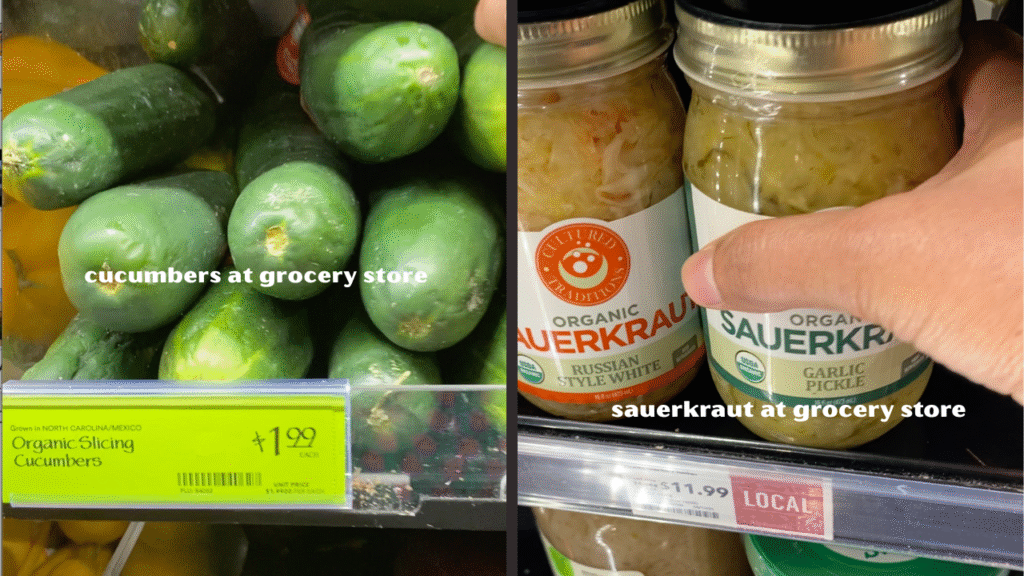
Herbs, especially, are where you really feel the savings. I grow basil, thyme, oregano, and parsley right outside my door, and now I never have to buy them again. And the best part? These herbs grow fast, they smell amazing, and they add so much flavor to my cooking. When I make my favorite Caribbean rice and beans, I use herbs straight from my garden. The difference in taste is unreal: rich, aromatic, and full of life.
Even when I’ve had a few gardening fails (like my first batch of homemade sauerkraut that didn’t quite turn out right) it still felt worth it. Because every seed I plant is a small act of independence. A single packet of seeds can cost less than a dollar and yield weeks or even months of fresh produce.
That’s why I always say: when you grow your own food, you’re not just saving money, you’re investing in abundance.
Growing Your Own Food Builds Confidence and Self-Sufficiency
When I started to grow my own food, I didn’t realize I was also growing confidence. Every seed I dropped into the soil came with a little bit of uncertainty. Will it sprout? Did I water too much? Too little? But the more I learned, the more I trusted myself. Watching something go from a tiny seed to a full-grown plant taught me patience, consistency, and faith in the process.
One of the greatest benefits of growing your own food is the sense of independence it gives you. You start realizing that even if grocery store shelves go empty, you’re still capable of feeding yourself, even if it’s just a few herbs, greens, or tomatoes. That kind of peace of mind is priceless. You’re not completely dependent on supply chains or store prices. You’re building your own little ecosystem right outside your door.
There’s also something empowering about knowing you can create life from something as small as a seed. It makes you look at the world differently. You start appreciating cycles of growth, harvest, and renewal. You stop rushing. You begin to see that good things take time.
I think that’s one of the quiet lessons gardening teaches you: control what you can, nurture what you have, and trust nature with the rest. It’s not just about saving money or eating fresh produce. It’s about proving to yourself that you can create something from almost nothing.
And honestly, that’s what keeps me coming back to the garden. Every sprout is a reminder that I’m capable. Every harvest is proof that the effort was worth it. That’s the real reward when you grow your own food. You grow confidence that lasts long after the season ends.
The Spiritual And Mental health Benefits of Gardening
When I first started to grow my own food, I thought I was just learning a new skill. What I didn’t realize was that I was also finding peace. Gardening has a way of slowing you down, of forcing you to breathe, observe, and just be present. Every time I step into my backyard, I feel like I’ve entered a different world, one that’s quieter and kinder than the one beyond my fence.
After long days of work, when my mind is cluttered and my energy is drained, I go outside to water my plants. There’s something about that simple act (the sound of water hitting soil, the sight of leaves moving in the breeze) that helps me release everything I’ve been carrying. I don’t even need music or background noise; the garden provides its own rhythm.
I’ve learned that growing food isn’t just about what ends up on your plate. It’s therapy. It’s prayer. It’s reflection. This is where I talk to God, where I listen, where I’m reminded that growth takes time; not just for plants, but for people too. Gardening has become my sanctuary, the place where I can reconnect with both the earth and my faith.
And then there’s the patience it builds. I’ll be the first to admit, I’m not naturally patient. But gardening doesn’t give you instant results. It teaches you to wait. You plant a seed, and for days, maybe weeks, nothing happens. You water, you wait, you trust. And one morning, when you least expect it, a little green sprout appears. It’s a quiet reminder that even when you can’t see progress, growth is happening.
That’s what keeps me going back out there. I can’t get enough of the peace it brings. When you grow your own food, you’re not just cultivating plants. You’re cultivating gratitude, patience, and a deeper sense of purpose.
It Doesn’t Take a Big Backyard to Grow Your Own Food
One of the biggest misconceptions about gardening is that you need a big yard or acres of space to do it. But I’m living proof that you don’t. When I started to grow my own food, I was in a townhouse with a small backyard, not much bigger than a patio. I didn’t have raised beds or rows of soil, just a few containers and the determination to see what I could grow.
And honestly, that’s all you need: a container, some good soil, sunlight, and a little bit of patience. I’ve grown everything from kale to tomatoes to peppers in pots. Even herbs like thyme, parsley, and oregano thrive in small spaces. If you have a windowsill, balcony, or sunny corner, you have enough space to start your garden.
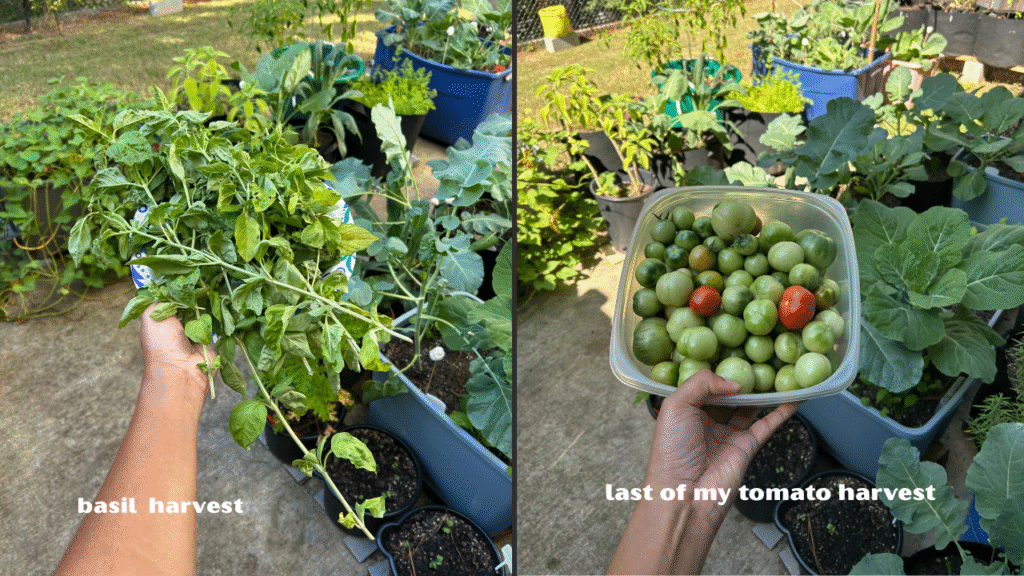
That’s one of the most freeing things about learning to grow your own food. It’s realizing that it doesn’t have to be complicated or expensive. You can start small, experiment, and learn as you go. Container gardening, especially, is perfect for beginners. It gives you control over your soil, drainage, and plant spacing, and you can move your plants around to chase the sun.
Whether you’re growing a single tomato plant or an entire lineup of leafy greens, every container matters. Each one teaches you something new. And before you know it, your small space becomes your sanctuary!
You don’t need a big backyard to grow your own food. You just need the courage to start where you are.
Take the Guesswork Out of Gardening
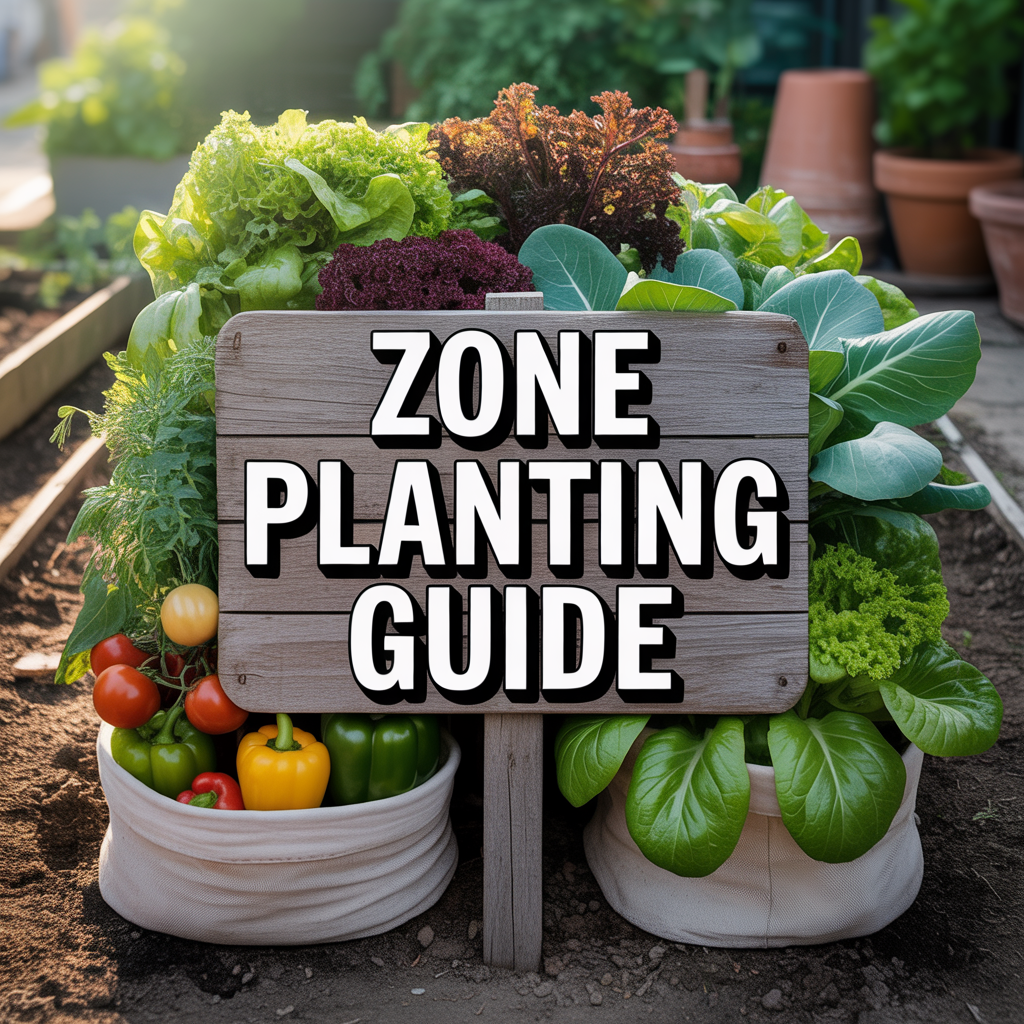
When you’re learning to grow your own food, one of the hardest parts is knowing what to plant and when. I remember spending hours researching planting calendars, trying to figure out what crops fit my zone and what I could still grow that month. It was confusing and time-consuming and honestly, it almost took the fun out of gardening. That’s exactly why I created my Monthly Planting by Zone Guide.
This guide takes all the guesswork out of gardening. It’s a simple, month-by-month resource that tells you exactly what you can start indoors and what you can direct sow outdoors, based on your USDA zone. You don’t have to wonder if it’s too early for tomatoes or too late for cabbage. You just open the guide, find your zone, and plant with confidence.
It’s perfect if you’re new to gardening, if you want to succession plant, or if you simply want to grow more food without second-guessing your timing. Instead of getting lost in planting charts or conflicting advice online, you can spend your energy where it really matters. That is, in the garden.
Whether you’re starting a few seeds on your patio or planning out your next season’s harvest, this zone-based monthly planting guide keeps you focused on what you love most: growing food.
Final Thoughts
If there’s one thing gardening has taught me, it’s that growth doesn’t happen all at once (not for plants, and not for us either). When you decide to grow your own food, you’re not just filling containers with soil; you’re creating space for patience, discovery, and joy to take root. It’s a quiet reminder that good things come from showing up consistently, even when progress feels small.
You don’t need to have it all figured out. You don’t need acres of land, fancy tools, or years of experience. You just need the willingness to begin. Just drop that first seed and see what happens. Every leaf, every bloom, every harvest is proof that you’re capable of more than you think.
So if you’ve been thinking about starting a garden, let this be your sign. Start small, stay curious, and give yourself permission to learn along the way. You might just find, like I did, that growing food is about so much more than the harvest: it’s about the peace, purpose, and fulfillment that come from nurturing something and watching it thrive.
Because once you start to grow your own food, you’ll never see the world (or yourself) quite the same way again.