Skip to content
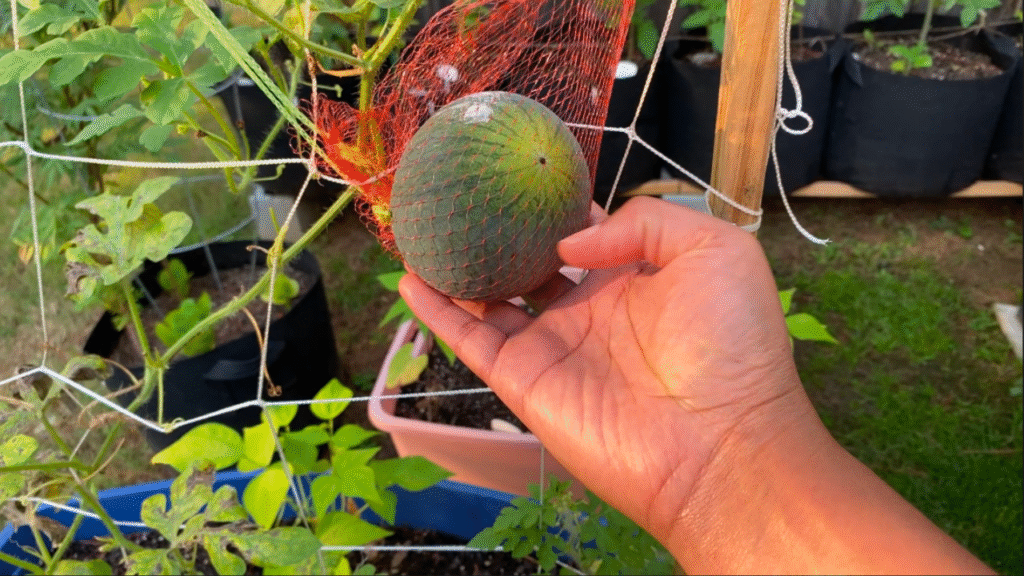
Growing watermelon in containers is both exciting and challenging—especially when you’re trying it for the very first time. This season, I’ve been experimenting with Sugar Baby watermelons, a compact variety known for being perfect for small-space gardeners. But here’s the truth: while I was excited to dive in, I quickly realized that my watermelons weren’t growing the way I expected.
In this post, I’ll share my personal experience, what I think may have gone wrong, and what I’ve learned along the way. More importantly, I’ll give you practical tips on growing watermelon from seed, growing watermelon vertically, and even growing watermelon on a trellis. By the end, you’ll have the knowledge to grow your own sweet, juicy melons—even if you only have a container garden like me.
Why I Chose Sugar Baby Watermelons
When I first decided to grow watermelon, I knew I needed a variety that would be more “container-friendly.” Sugar Baby watermelons checked all the boxes:
- Compact vines compared to larger watermelon varieties
- Fruits weigh 8–10 pounds (smaller but still delicious)
- Typically mature in about 70–85 days
For small spaces or container gardeners like me, they seemed like the perfect choice. I used a 45-gallon container and planted two watermelon plants together, hoping to get at least two melons per plant. My original goal was four melons total.
Lesson #1: Start with varieties bred for smaller spaces. Sugar Baby, Golden Midget, or Bush Jubilee are great choices.
My Current Setup
Here’s what my container setup looks like:
- Container size: 45 gallons (large, but still tight for multiple watermelon plants).
- Soil: Rich potting mix blended with compost.
- Fertilizer: Tomato-tone every two weeks (low in nitrogen, higher in phosphorus & potassium).
- Watering: Deep daily watering, plus weekly banana peel water for potassium.
- Sunlight: Full sun for the container plants; partial sun for one plant growing solo by the fence.
Despite my efforts, the melons have stayed small and stagnant in size. One of the plants growing solo by the fence (in less sun!) is actually outperforming the ones in the big container.
Lesson #2: Sometimes “less is more” in containers. One plant per container often does better than crowding multiple plants together.
Growing Watermelon from Seed
One of the most rewarding parts of gardening is starting from seed. Watermelon seeds germinate best in warm soil, ideally 70–95°F. I started mine directly in the container once the weather warmed up.
Here are a few tips for success if you’re starting from seed:
- Soil Temperature Matters – Watermelon seeds won’t germinate well in cool soil. Wait until late spring when the ground is warm.
- Plant Depth – Sow seeds about 1 inch deep.
- Spacing – If you’re growing in a container, aim for one plant per 20–30 gallons. Any more than that, and they’ll compete for space, water, and nutrients.
- Thin Early – If multiple seedlings sprout, thin them out quickly so the strongest plant thrives.
Lesson #3: Don’t overcrowd your container. Start two or three seeds, but keep only the strongest seedling.
Fertilizing Watermelon in Containers
One of the biggest questions I had (and still have) was whether I was giving my watermelons the right nutrients.
Here’s a breakdown of what watermelon plants need:
- Early Growth (Vegetative Stage) → Higher nitrogen to fuel leaf and vine growth.
- Flowering & Fruiting Stage → Lower nitrogen, higher phosphorus and potassium to support flowers and fruit development.
That’s why I’ve been using Tomato-tone, which is designed for fruiting crops. But watermelon can also benefit from:
- Fish Emulsion (early growth) – Great for leafy growth.
- Bone Meal (phosphorus boost) – Encourages flower and fruit set.
- Potassium-rich sources (like banana peel water or kelp) – Helps the fruits grow bigger and sweeter.
Lesson #4: Switch your fertilizer as your plants grow. Too much nitrogen during fruiting can stunt melons and give you more leaves than fruit.
Growing Watermelon Vertically
Watermelon vines love to sprawl, and in a backyard or large garden, that’s no problem. But in small spaces or containers, vertical growing is a great solution.
I decided to try growing watermelon on a trellis. Here’s what I learned:
- Strong Support is Key: Watermelons may be small (Sugar Babies are ~8 lbs), but that’s still heavy for a vine. Use a sturdy trellis, cattle panel, or even a wooden A-frame.
- Use Slings for Fruit: As melons grow, cradle them in netting or slings to keep the weight off the vine. I used specialized watermelon netting, but you can also use old t-shirts or stretchy fabric.
- Sunlight Exposure: Growing vertically helps airflow and ensures leaves and fruits get maximum sunlight.
Lesson #5: Trellising works, but it requires planning. Always support your fruits before they get too heavy.
Common Challenges in Growing Watermelon in Containers
My experience hasn’t been perfect—and if you’re growing watermelons in containers, you might run into these same issues:
1. Stunted Fruit Growth
Like me, you might notice fruits staying small for weeks. This can happen due to:
- Overcrowding in the container
- Lack of nutrients (especially potassium)
- Root restriction in smaller containers
2. Pollination Problems
Even though I hand-pollinated mine, many gardeners struggle with fruit not setting. Bees are your best friends here. Hand pollination helps, but ensuring plenty of flowers is key.
3. Watering Issues
Watermelon roots are shallow but spread wide. In containers, soil dries out quickly. Consistent deep watering is critical.
4. Temperature Fluctuations
Watermelons thrive in heat. Cold nights or extended rainy periods can slow down growth.
Lesson #6: Watermelons are sensitive! Keep conditions as stable as possible in containers.
Personal Reflections on My First Watermelon Season
I’ll be honest—growing watermelon in containers hasn’t been as easy as I thought. I pictured myself harvesting four perfect Sugar Babies from my 45-gallon container. Instead, I’m looking at one watermelon per plant (and they’re not even that big yet).
But that’s the beauty of gardening: it’s about experimenting, learning, and improving for the next season. I’ve already decided that next year I’ll dedicate one plant per container and probably let some vines sprawl on the ground instead of forcing them all onto a trellis.
Lesson #7: Don’t be afraid to adjust your methods. Each season teaches you something new.
Final Thoughts: Should You Try Growing Watermelon in Containers?
Yes! Even with the challenges, I’d recommend it—especially if you:
- Have limited space but still want to grow big, rewarding crops
- Enjoy experimenting with vertical gardening or trellises
- Want to learn how different growing conditions affect plant growth
Watermelon is a learning crop, but the reward is worth it when you finally cut into your own sweet, homegrown melon.
Want Help Planning Your Garden?
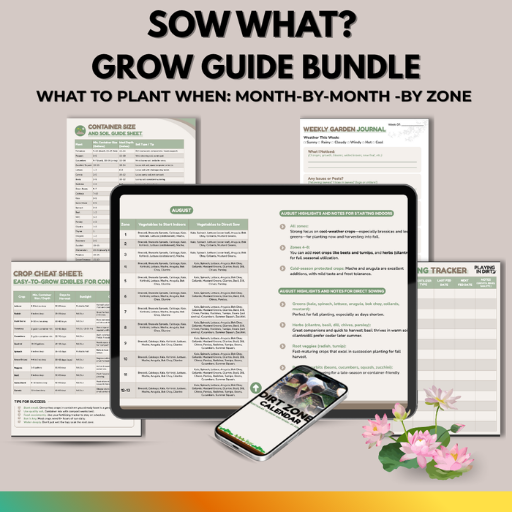
If you’re struggling to figure out what to plant each month, I created a bundle to take the guesswork out of gardening.
It includes:
- A Monthly Planting Planner (by zone) so you always know what to start indoors or direct sow
- A Container Size Cheat Sheet so you never wonder if your pot is big enough
- A Fertilizing Tracker to help you remember when and what you’ve fed your plants
- A Gardening Journal so you can track your progress and avoid repeating mistakes
It’s especially helpful if you’re a beginner gardener or working with limited space. You can grab it here.
*This post contains affiliate links, which means I may earn a small commission at no extra cost to you.