Skip to content
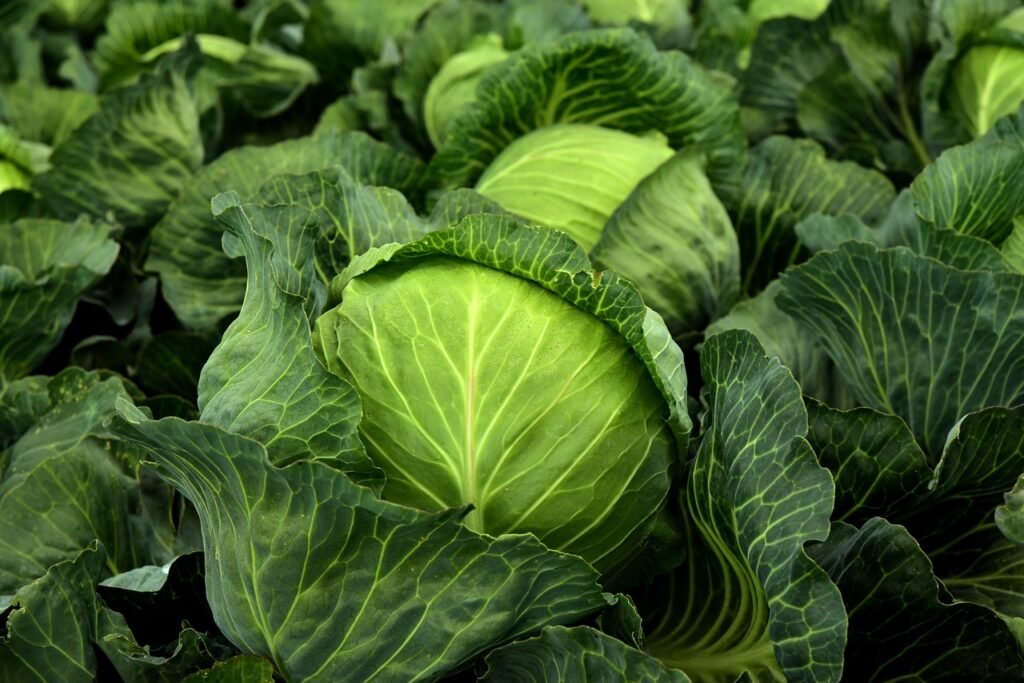
If you’re just starting your gardening journey or looking to improve your cabbage-growing skills, this guide is for you. Whether you’re working with a backyard, balcony, or small patio, growing cabbage at home is totally possible—even in containers. In fact, cabbages were the very first plant I ever grew when I began gardening. I made a lot of mistakes early on, but each season brings more knowledge, better harvests, and a deeper appreciation for fresh food.
In this blog post, I’ll take you through everything I’ve learned—from preparing the soil and choosing the right container size to fertilizing, pest control, and harvesting. I’ll also show you how to grow cabbage at home, how to grow cabbage in a container, and how to grow cabbage from store-bought transplants.
Plus, you can grab a free starter kit at the end to begin your own grow-anywhere garden journey!
Why Cabbage Is a Great Beginner Crop
Cabbage is a cool-season vegetable that thrives in the early spring and fall. It’s packed with nutrients, incredibly versatile in the kitchen, and surprisingly rewarding to grow. However, it is a heavy feeder, meaning it requires consistent nutrients throughout its life cycle—especially during head formation.
When I grew cabbage for the first time, I had no idea what I was doing. I didn’t fertilize at all, and I overcrowded the container. The result? Tiny cabbage heads that never reached their full potential. Still, I was grateful for a harvest. But now I know better, and I’m here to help you skip some of those beginner pitfalls.
Container Size for Cabbage
If you’re planning to grow cabbage in containers, space is critical. Cabbages need 12–18 inches of space between each plant. For small heads, you can fit two plants in a large container. But for full-sized heads, I recommend planting just one cabbage per 18-gallon container. This allows ample room for root development and head formation.
Avoid overcrowding. My first time growing cabbage, I tried to plant five in one container. Unsurprisingly, none of them did well. Lesson learned: when it comes to cabbage, less is more.
Soil Preparation: The Game Changer
Healthy soil equals healthy cabbage. Here’s how I prep my soil for maximum success:
-
- Organic potting soil mix: This forms the base of your growing medium.
-
- Black Kow composted cow manure: Rich in organic matter, it boosts soil fertility.
-
- Bone meal: Provides phosphorus for strong root development and supports head formation.
-
- Eggshell powder: A DIY calcium boost to prevent issues like tip burn.
-
- Organic 4-4-4 fertilizer: A balanced, slow-release blend that covers all nutrient needs.
-
- Perlite: Added for improved drainage and to keep roots from becoming waterlogged.
Mix these ingredients thoroughly before planting, and your cabbages will thank you.
Starting from Seed vs. Store-Bought Transplants
Many gardeners wonder how to grow cabbage from store bought transplants. I’ve had mixed results with seeds—sometimes they never thrive, especially in unpredictable weather. That’s why I often opt for transplants from a nursery. They’re reliable, already established, and easy to drop into your prepared soil.
Whether you’re growing from seed or transplant, make sure you:
-
- Harden off your seedlings before moving them outside.
-
- Plant during cool weather (below 80°F).
-
- Fertilize at planting to help them establish quickly.
Feeding and Fertilizing Cabbage
Cabbage is a heavy feeder, especially as the head begins to form. Here’s a feeding schedule that works:
-
- At transplanting: Mix 4-4-4 fertilizer, bone meal, and eggshell powder into the soil.
-
- Every 2-3 weeks: Apply an organic balanced fertilizer around the base.
-
- Midway through the growing season: Add a second dose of bone meal to support head formation.
Sticking to a consistent feeding schedule is key to big, healthy cabbage heads.
Watering Needs
Cabbage needs 1 to 2 inches of water per week, depending on your climate. Keep the soil moist but not soggy. Letting it dry out completely can cause stunted growth or even bolting. Water deeply, and always check the moisture level before your next watering session.
Pest Control for Cabbage
Pests love cabbage just as much as we do. Here are the common culprits and natural ways to deal with them:
Common Cabbage Pests:
-
- Cabbage worms
-
- Aphids
-
- Slugs and snails
-
- Flea beetles
Natural Solutions:
-
- Neem oil sprays (safe and organic)
-
- Hand-picking visible bugs
-
- Row covers to block access
-
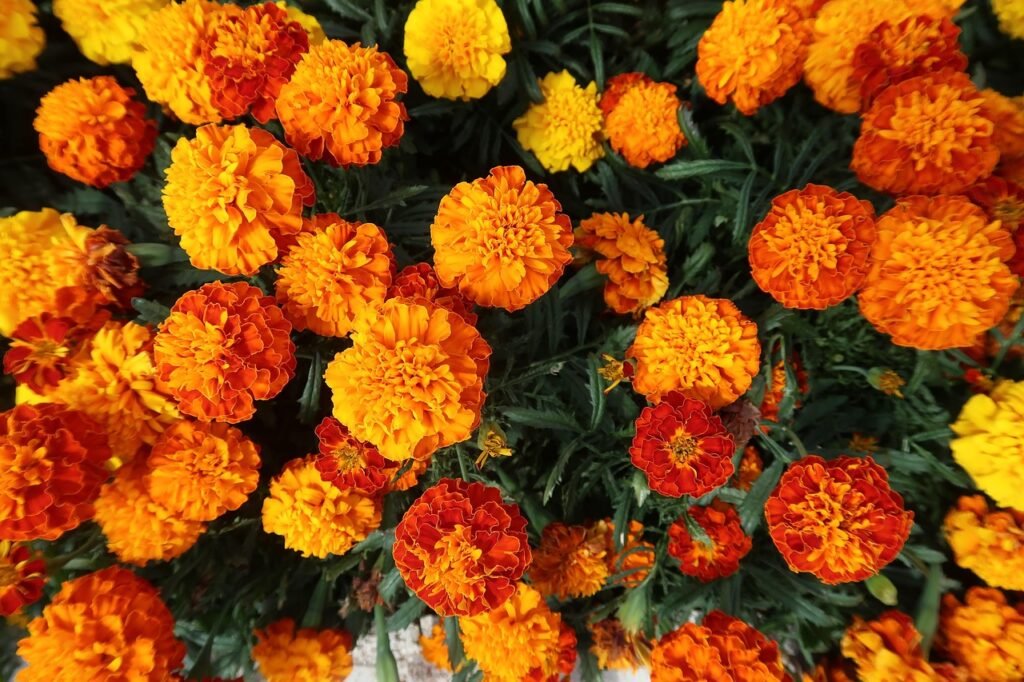
- Companion planting with marigolds and nasturtiums
Be sure to inspect under the leaves regularly—that’s where bugs and their eggs like to hide.
Temperature & Timing
Cabbage doesn’t like the heat. Once the temperatures consistently hit the 80s, your cabbage will struggle. That’s why timing is everything. Plant in early spring or late summer for a fall harvest.
My most recent crop started off strong, but as the temperatures climbed, my plants began to stall. Some didn’t even form heads. I had to harvest early just to save what I could. It was another lesson in the importance of timing and climate awareness.
How to Tell When to Harvest Cabbage
You’ll know your cabbage is ready when the head feels firm to the touch. If it’s still soft, give it more time (if the weather allows). To harvest:
-
- Use a sharp knife to cut the head at the base.
-
- Leave the outer leaves and stem in place if you want a second (smaller) head to grow.
Don’t wait too long, though. Overripe cabbage can split or go to seed.
Final Thoughts: Learning Through Mistakes
Gardening is a journey. I’ve made plenty of mistakes—from overcrowding to poor timing to forgetting to fertilize. But each mistake taught me something new. If you’re wondering how to grow cabbage at home, just start. Learn as you go, and give yourself grace.
And don’t forget to have fun. Seriously, growing food is one of the most rewarding things you can do.
Other great fertilizers:
Ready to Start? Grab Your FREE Grow-Anywhere Starter Kit!
Whether you live in an apartment, have a small patio, or are ready to build your first raised bed, my FREE starter kit is designed to help you grow food anywhere. It includes:
-
- A container garden checklist
-
- Recommended supplies
-
- Monthly planting guide
-
- And more!
Click here to download your free kit now and take the first step toward your homegrown harvest.
Click here to check out the video version of this post on my youtube channel.
*This post contains affiliate links. As an Amazon Associate, I earn from qualifying purchases at no extra cost to you.*