Skip to content
When I first set out to learn how to grow radishes, I thought it would be simple. After all, radishes are often labeled as one of the easiest crops for beginners. But let me keep it real with you—it was anything but easy at first. The first few times I tried, it was a fail. Actually, it was fail after fail. My seeds sprouted, but nothing developed underground. Other times, the leaves looked healthy, yet when I went to harvest, there was nothing worth pulling up.
But here’s the thing about me and gardening: when something doesn’t grow the way I expect, I don’t give up. Instead, it motivates me to tweak things, try again, and figure out what I did wrong. That stubbornness is part of the joy of gardening—it’s a constant cycle of experimenting and learning.
Radishes became my personal challenge, and I kept at it because I knew they were considered beginner-friendly. If so many gardeners could get them right, surely I could too. And finally, after changing my soil mix and paying closer attention to timing, I started to see results. This post is my journey and my lessons on growing radishes—so you can succeed sooner than I did.
Why Radishes Are the Perfect Beginner Crop
When I first started my gardening journey, everyone kept telling me that radishes were the perfect beginner crop. They’re quick to grow, they don’t take up much space, and most varieties are ready to harvest in just a few weeks. That sounded great to me—something fast and easy to build confidence. But here’s the honest truth: my first few rounds of radishes didn’t turn out at all. I planted the seeds, watched the leaves grow, and when it came time to harvest, there was nothing underneath. It was discouraging, but it also gave me the motivation to dig deeper (literally and figuratively) into why my radishes weren’t working out.
That’s what makes radishes so valuable for new gardeners: they teach you lessons quickly. You don’t have to wait months like you do with tomatoes or peppers to see if you’re on the right track. Within 30 days, you’ll know whether your soil, watering, and sunlight are working together or not. In my case, I realized my soil was too plain—just dirt with no nutrients. Once I mixed in compost, perlite, and worm castings, I finally started to see radishes forming. That little adjustment made all the difference.
Another reason radishes are such a good starter crop is that they fit into almost any gardening setup. Whether you’re planting directly in the ground, in raised beds, or in containers like I do, radishes adapt well. I’ve grown them in 15-gallon grow bags alongside my carrots, and they don’t need much space to thrive. Their short growing cycle also makes them perfect for succession planting. I can harvest one batch and, on the very same day, drop in more seeds for the next round.
For me, radishes became more than just another vegetable to try. They became a symbol of persistence. Even when my first harvests failed, I knew they were worth sticking with because radishes are supposed to be beginner-friendly. And once I finally pulled up a few real radishes—tiny, yes, but actual radishes—it felt like a breakthrough. If you’re new to gardening and want a crop that will both test and reward you, radishes are the place to start. They’ll keep you learning, keep you planting, and most importantly, they’ll keep you growing.
Choosing Radish Varieties
One of the fun parts of learning how to grow radishes is realizing just how many types there are. Before I started, I thought a radish was just a radish—red, round, and crunchy. But once I started planting, I discovered that radishes come in different shapes, sizes, and even colors. Choosing the right variety makes a big difference in your experience as a gardener.
In my own garden, I planted Cherry Belle radishes and Icicle Short Top radishes. The Cherry Belles are the classic round red radishes you probably picture at the grocery store. They’re quick to mature, usually within 22 to 30 days, and they don’t take up much space. The Icicle Short Top radishes are long and white, almost like miniature carrots, and they bring a slightly different flavor and appearance to the garden. Having both types growing side by side was exciting—I got to see firsthand how variety influences growth and harvest timing.
For beginners, I recommend starting with Cherry Belle because they’re fast, reliable, and forgiving. But once you’ve mastered those, it’s fun to experiment with others. Some radishes are mild, others spicy; some grow quickly, while others take a bit longer.
Here’s a quick breakdown of a few popular varieties to consider:
| Variety | Shape/Color | Days to Maturity | Flavor Profile | Best For |
|---|---|---|---|---|
| Cherry Belle | Round, red | 22–30 days | Crisp, mild | Beginners & quick harvests |
| Icicle Short Top | Long, white | 25–30 days | Mild, slightly sweet | Variety in container gardens |
| French Breakfast | Oblong, red/white | 25–30 days | Mild with slight bite | Snacking & fresh eating |
| Daikon | Long, white | 50–70 days | Mild, earthy | Pickling & Asian recipes |
Trying different varieties not only adds diversity to your garden, but it also helps you learn more about radish growing in general. Each one brings its own lessons, and that’s what makes gardening exciting.
Setting Up the Soil
When I look back on why my first radish attempts failed, the biggest mistake was obvious: my soil. I had just planted radish seeds straight into plain garden soil with no nutrients added. The leaves sprouted, but when I went to harvest, there was nothing underneath. No roots, no radishes—just disappointment. That’s when I realized radishes may be beginner-friendly, but they still need the right foundation to grow.
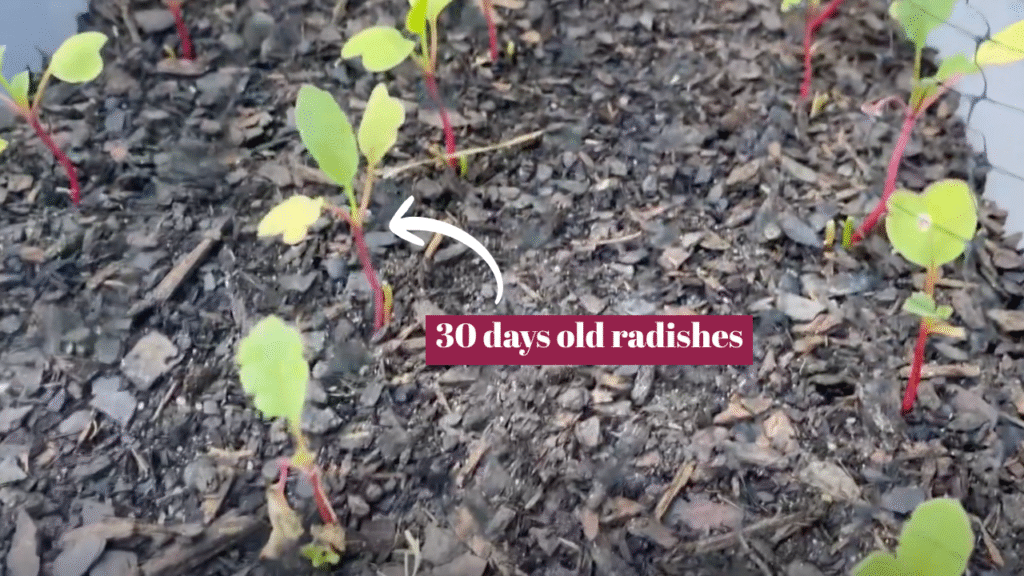
The turning point for me came when I finally amended my soil. This time around, I mixed in composted cow manure, added perlite for drainage, and topped it off with worm castings for extra nutrients. That combination kept the soil light, airy, and full of the nutrition radishes need to form healthy roots. When I pulled back the surface of the soil weeks later and saw little radish shoulders poking through, I knew I had done something right.
If you’re setting up soil for radishes—especially in containers—here’s a mix that has worked for me:
- 40% potting soil (well-draining base)
- 30% compost
- 20% perlite
- 10% worm castings
Radishes aren’t heavy feeders, so you don’t need to overload them with fertilizer. But because they’re a root crop, they respond best to phosphorus-rich amendments. A sprinkle of bone meal goes a long way in helping those roots form properly. Just don’t overdo it with nitrogen-rich fertilizers like lawn food, or you’ll end up with beautiful leaves and no radishes underground.
Another key is making sure the soil doesn’t compact. Radishes push through the soil quickly, and if the mix is too dense, the roots won’t form properly. That’s where perlite really makes a difference—it keeps the soil fluffy and prevents water from sitting at the bottom of the container.
In short, if you’ve struggled with growing radishes like I did, don’t blame yourself right away. Most likely, it’s the soil. Once I gave my radishes a nutrient-rich, well-draining mix, they finally started to grow the way I had always hoped. And honestly, there’s nothing like seeing those little red shoulders peek out of the soil after weeks of trying.
Planting Radish Seeds
I still remember the day I planted the radishes that finally grew—July 27th. By that point, I had failed several times already, but I was determined to get it right. I had my soil amended, my containers ready, and my seed packets of Cherry Belle and Icicle Short Top radishes. This time, I wanted to be intentional about spacing, depth, and timing. And let me tell you—it made all the difference.
Planting radish seeds is one of the easiest steps in gardening, but it’s also where beginners (myself included) make small mistakes that cost them later. The seeds are tiny, and if you bury them too deep or scatter them too close together, you’ll either delay germination or end up with crowded plants that never form roots.
Here’s a step-by-step that works for me:
- Prepare the container – I used a 15-gallon grow bag, which gave me plenty of space for succession planting. Radishes don’t need deep soil, but they do appreciate width to spread out.
- Planting depth – Radish seeds only need to be about ½ inch deep. I poke shallow holes across the surface with my finger, drop in a seed, and lightly cover it with soil.
- Spacing – Give each seed about 1 inch of space. At first, I planted them too close, thinking more seeds meant more food. Wrong! Crowded radishes just compete with each other and stay small.
- Watering in – After planting, I gently water the soil with a fine spray nozzle – so the seeds don’t wash away. Consistent moisture helps them germinate within 3–5 days.
One fun thing I did was pair radishes with carrots in the same grow bag. Carrots take longer to mature, but radishes grow fast, so I was able to harvest radishes before the carrots even needed the space. This not only saved me room but also gave me back-to-back harvests from the same container.
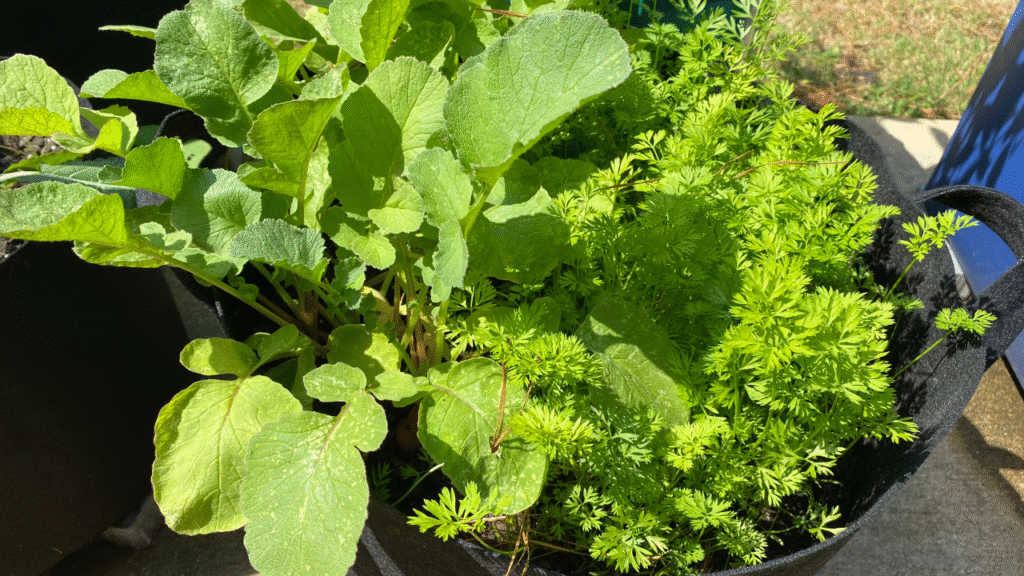
I also started thinking about succession planting at this stage. The plan was to harvest one container, then immediately replant with a new batch of seeds. Radishes grow quickly enough that you can do this several times in a season, which is especially helpful for small-space gardeners like me.
Timing is another key part of planting radishes. Since I started mine in late July, I had them ready (or almost ready) by early September. For most varieties, you can expect maturity in about 25–40 days. If you stagger your planting every two weeks, you’ll have a steady supply of radishes instead of one big harvest.
When I finally saw those green sprouts popping up evenly across my containers, I knew I was on the right track. Planting radish seeds may be simple, but getting the little details right—depth, spacing, and timing—can be the difference between another failed attempt and that first successful harvest.
Caring for Radishes
Once the radish seeds sprout, the real work begins—not because radishes are demanding, but because consistency is what makes them thrive. This was the stage where I had to pay attention, and it’s also where I learned that radishes don’t need a lot of fuss, just steady care.
For me, the biggest surprise was how well my radishes did even in the heat. I planted mine in late July, and despite the blazing sun, they pushed through. In the past, I thought the weather was the reason they failed, but this round showed me that soil health and consistent moisture mattered more than the temperature.
Watering is key. Radishes don’t like soggy soil, but they don’t like to dry out either. I watered regularly, keeping the soil evenly moist so the roots wouldn’t split or become woody. A gentle spray with my watering wand was all it took.
Thinning was another lesson I had to learn. When seedlings grow too close together, they’ll compete underground and stay stunted. Thinning feels wasteful at first—pulling out healthy sprouts—but it’s necessary if you want radishes to size up properly. I gave mine at least an inch of space.
Then came the pests. One day I noticed a little caterpillar hiding under the leaves. That’s when I realized radishes aren’t completely “hands off.” While they grow fast enough to outpace many pests, it’s still smart to check leaves regularly and remove any freeloaders before they cause too much damage.
As for fertilizer, radishes aren’t heavy feeders. In fact, giving them too much nitrogen will just produce leafy tops with no roots. I relied mostly on the nutrients I had already added to the soil, but if I were to add anything, I’d go with bone meal for phosphorus to support root growth.
What I learned in this stage is that radishes reward attention to small details. Water consistently, thin when needed, keep an eye on pests, and avoid overfeeding. With those basics covered, your radishes will pretty much take care of themselves until harvest time.
How to Grow Radishes in Containers
Most of my success with radishes came from growing them in containers. In fact, every radish I’ve planted so far has been in a container—mainly grow bags—and that setup has taught me so much about how to grow radishes when you don’t have a traditional garden bed. Containers give you flexibility, control, and the ability to grow even if all you have is a balcony, patio, or small backyard.
For me, the go-to choice was a 15-gallon fabric grow bag. Radishes don’t have long roots, so they don’t need a deep container, but they do appreciate width. A wide container allows you to plant several seeds at once while still giving them room to develop. I also grew radishes in smaller containers side by side with carrots, and the setup worked beautifully because radishes mature quickly and free up space before the carrots need it.
Here’s why containers work so well for radishes:
- Soil control – I can build the perfect light, nutrient-rich mix without worrying about poor native soil.
- Pest management – Caterpillars and bugs still show up, but it’s easier to keep an eye on a container than an in-ground row.
- Portability – If the sun gets too intense, I can drag the bag into partial shade.
If you’re starting radishes in containers, here’s a simple step-by-step method that worked for me:
- Choose the right container – At least 6–8 inches deep, wide enough for multiple rows. Fabric grow bags or raised planter boxes are great.
- Fill with loose soil – My mix: potting soil, compost, perlite, and worm castings. The soil should be fluffy so roots can push through easily.
- Plant in succession – Radishes mature in as little as 25 days, so plant new seeds every 2–3 weeks for a continuous harvest.
- Companion planting – Pair with slower crops like carrots or lettuce. The radishes will be harvested before the other plants need the space.
- Place containers in full sun – Radishes thrive with at least 6 hours of direct sunlight.
One lesson I learned was not to overcrowd. It’s tempting to fill the container with seeds, but thinning early gives you better, more uniform radishes at harvest time.
Growing radishes in containers has shown me that you don’t need a huge garden to grow fresh food. With just a bag of soil, a container, and some seeds, you can harvest crisp radishes right outside your door—and for new gardeners, that’s one of the most rewarding experiences you’ll ever have.
When to Harvest Radishes
One of the most exciting parts of growing radishes is harvest time. After weeks of tending to your little seedlings, there’s nothing like pulling up those first crisp roots. But if you’re new to radish growing, it can be tricky to know exactly when to harvest radishes. I’ll admit, I struggled with this. I had my bowl ready, certain they were finished, only to pull up tiny, underdeveloped radishes that clearly needed more time. That moment taught me a valuable lesson: patience matters as much as enthusiasm in gardening.
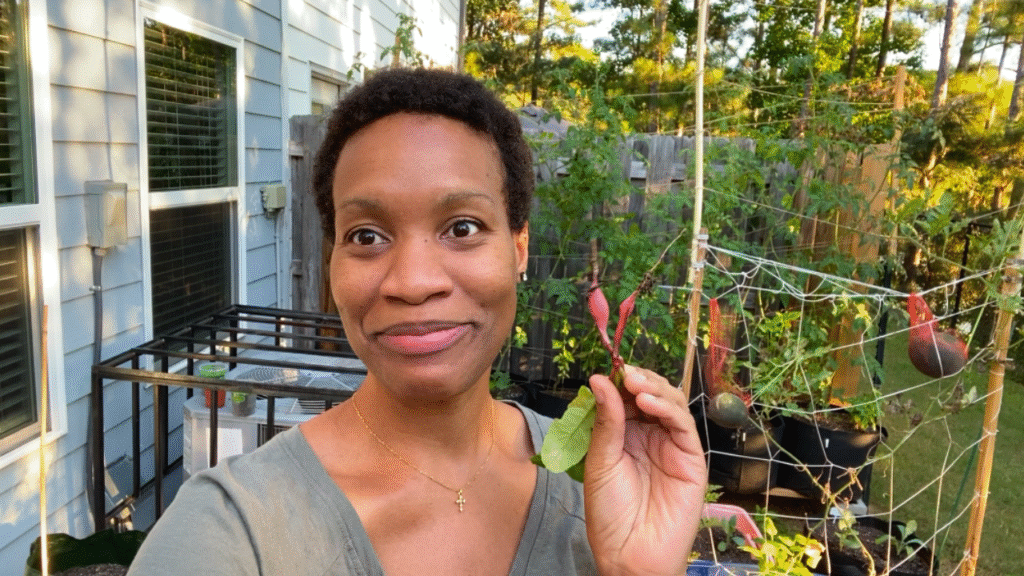
So, let’s talk about timing. If you’re wondering how long does it take for radishes to grow, the answer depends on the variety. Most common types, like Cherry Belle, are ready in about 22 to 30 days. Others, like Icicle Short Top, can take closer to 30 to 35 days, while larger varieties such as Daikon may need 50 to 70 days. That’s why checking your seed packet is so important—it tells you the expected maturity window.
But days alone don’t always tell the full story. Weather, soil quality, and spacing can all speed up or slow down growth. In my case, I planted radishes on July 27th and expected them to be ready by early September. Some were close, but many were still small. Instead of pulling them all at once, I decided to leave most of them in the soil for another week or two, giving them more time to size up. That flexibility is key: don’t just go by the calendar, go by what you see in your container.
Here are a few signs that radishes are ready:
- Shoulders above the soil – Just like carrots, radishes often push their “shoulders” up so you can see a bit of the root peeking out. If you see a firm, round shape sticking out of the soil, it’s usually ready.
- Firmness – Gently press the exposed part. If it feels solid, you’re good to harvest. If it’s soft or spongy, it may be overripe.
- Leaf growth – Strong, healthy leaves are a good sign, but don’t rely on leaves alone—too much nitrogen can create big leaves with tiny roots.
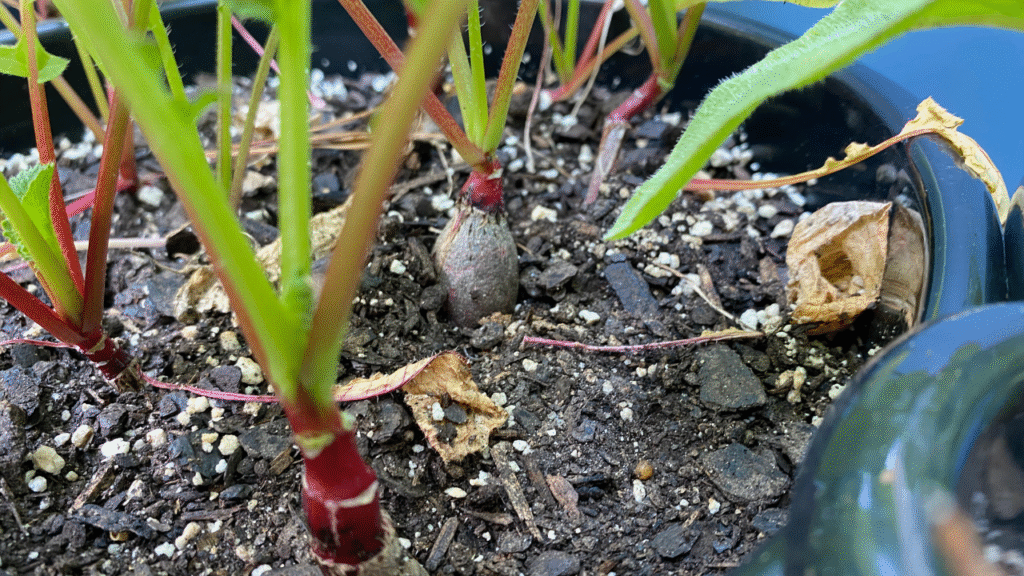
When harvesting, don’t pull every radish at once unless they all look mature. Instead, I now pull one or two to check, then leave the rest to grow. This staggered approach gives me a better harvest overall. And if you’re practicing succession planting, you’ll have another round coming soon anyway.
One caution: don’t wait too long. If radishes sit in the soil past maturity, they can split, become woody, or turn pithy (spongy inside). I’ve had radishes that looked fine on the outside but were hollow inside because I let them go too long.
Learning when to harvest radishes has been all about observation for me. The calendar gives you a window, but your soil and your plants tell the real story. Once you learn to spot those shoulders and feel for firmness, harvesting becomes second nature. And honestly, pulling up that first perfect radish makes all the trial and error worth it.
Common Mistakes to Avoid When Growing Radishes
Looking back, most of my struggles with radishes came down to a few simple but important mistakes. I’ve touched on some of them already, but I think it’s worth pulling them together here so you can avoid repeating what I went through.
The first mistake I made was planting in plain, nutrient-poor soil. Radishes might be beginner-friendly, but they still need a boost. My early attempts produced lots of leaves but no roots, and it wasn’t until I added compost, worm castings, and perlite that things finally turned around. Lesson learned: healthy soil equals healthy radishes.
Another mistake was overcrowding. I used to think the more seeds I dropped in, the bigger the harvest would be. In reality, the opposite happened. Crowded seedlings competed for space, and instead of round radishes, I got tiny, misshapen ones. Now, I thin ruthlessly—one inch apart is the sweet spot.
And finally, I fell into the trap of harvesting too soon—or too late. My excitement got the better of me, and I pulled some radishes before they were ready. On the flip side, I’ve also let them sit too long, only to find them cracked or woody. Timing, as I’ve learned, is everything.
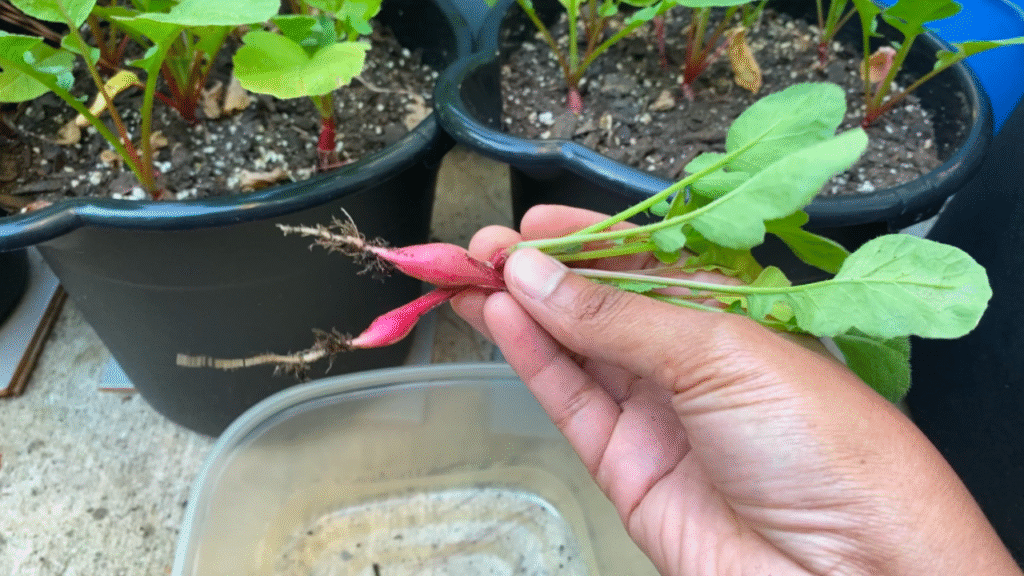
The good news is that radishes grow so quickly that even if you make these mistakes, you can try again almost immediately. That’s what makes them such a great teacher for beginners. Every round of planting is a chance to improve.
Radish Growing Beyond the First Harvest
What I love about radishes is that they don’t end with one harvest. Because they grow so quickly, you can plant them over and over again throughout the season. That’s exactly what I plan to keep doing—harvesting one container and immediately dropping in more seeds for the next round. This rotation keeps fresh food coming, even in a small space.
Beyond that, I’m excited to try out new varieties. I started with Cherry Belle and Icicle Short Top, but there are so many others—French Breakfast, Watermelon Radish, even Daikon. Each one teaches you something different about timing, flavor, and soil needs. And honestly, experimenting is half the fun of gardening.
Radishes have also shown me how flexible container gardening can be. I’ve paired them with carrots, tucked them into small grow bags, and even grown them side by side with leafy greens. They don’t demand much, but they reward you with quick results that keep your confidence growing.
So, while my first harvest may not have been perfect, it was just the beginning. Radish growing is now a regular part of my gardening rhythm—and I know with each new batch, I’ll keep learning and getting better.
Your Next Step in the Garden
If there’s one thing I’ve learned on my journey of figuring out how to grow radishes, it’s that gardening is rarely perfect the first time. My first attempts were frustrating—empty soil, leafy tops with no roots, and more questions than answers. But each round of planting taught me something new. By adjusting my soil, paying attention to spacing, and practicing patience at harvest time, I finally saw progress. And while that first bowl of radishes wasn’t picture-perfect, it was proof that persistence pays off.
That’s what makes radishes such a powerful crop for beginners. They grow quickly, they show you results fast, and they give you the chance to try again almost immediately if something doesn’t go right. More than anything, they’ve reminded me that gardening is about the process as much as it is about the harvest.
If you’re just starting out, radishes are a fantastic place to begin—but they’re only the start of what you can grow. To help you plan your garden beyond radishes, I’ve created a Monthly Planting Guide that takes out all the guesswork. With it, you’ll know exactly what you can start indoors and what you can direct sow every month in your growing zone. It’s perfect for small-space gardeners and anyone who wants to keep fresh food coming all year long.
Grab your guide today and take the next step toward growing with confidence—one month, one seed, and one harvest at a time.
*This post contains affiliate links, which means I may earn a small commission at no extra cost to you.