Skip to content
When I first learned that I needed to harden off seedlings, I had no idea what that meant. I didn’t realize how important it would be for keeping my young plants alive. This season is my very first time growing kale, collard greens, cabbage, broccoli, and cauliflower from seed—and the process of hardening them off has quickly become one of the most crucial steps in my small-space container garden here in Zone 8.
I can’t tell you how excited I was to see those little seedlings sprouting up in their solo cups under my grow lights. Every leaf felt like a tiny victory. At the same time, I was nervous because I knew that moving them outdoors too quickly could undo all my hard work. The thought of transplant shock or losing my very first brassicas made me determined to do things right.
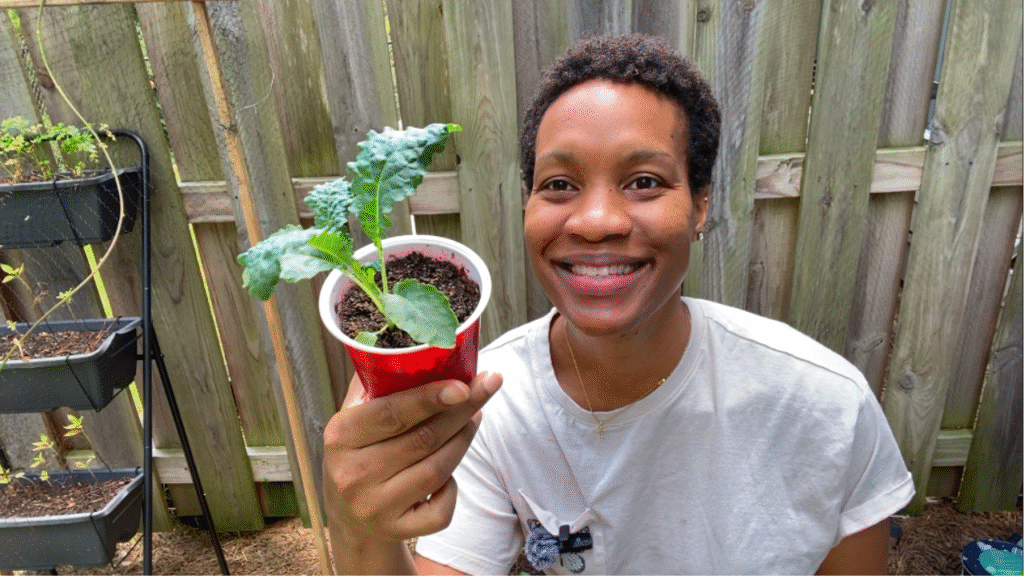
What I discovered is that hardening off seedlings isn’t just a gardening chore—it’s the bridge between nurturing your plants indoors and watching them thrive outside. And along the way, I’ve found joy not only in the plants themselves but in the simple moments outdoors—like the day a hummingbird flew by while I was carrying my trays of seedlings.
What Is Hardening Off Plants?
When I first heard the phrase hardening off plants, I honestly thought, what in the world does that even mean? It sounded technical, almost intimidating. But once I started my first real garden season with brassicas—kale, collards, cabbage, broccoli, and cauliflower—I quickly realized this process was something I couldn’t skip if I wanted healthy crops. If you’ve ever started seeds indoors, you’ll need to learn how to harden off seedlings before they can handle the “real world” of outdoor gardening.
So, what is it? In simple terms, it’s a gradual transition process. When you grow seedlings indoors, they’re living in what I like to call a pampered environment. The conditions are steady and gentle: no wind, no rain, no harsh sun, and stable temperatures. Even though I had my grow lights set up, they still couldn’t replicate the intensity of natural sunlight. My seedlings were cozy and safe, but not yet tough enough for the outdoors.
Outdoor conditions, on the other hand, are unpredictable. Sunlight is stronger, winds come and go, temperatures swing between warm days and cool nights, and sometimes rain falls harder than you’d expect. If you were to take those tender little seedlings straight from your living room or grow light setup and plop them into a garden bed, chances are they’d go into shock. Some might wilt, some might turn yellow, and others might simply stop growing altogether. That’s what gardeners call transplant shock.
Hardening off plants helps prevent this shock by introducing your seedlings to the outside world gradually. You expose them to sunlight, wind, and fluctuating temperatures in small doses, increasing the exposure over a week or two until they’re ready to live outside full-time. Think of it like training wheels for plants—giving them time to adjust and build strength before setting them free.
For me, learning to harden off seedlings was a mix of excitement and nerves. These were my first brassicas ever, and I didn’t want to lose them after weeks of careful indoor growing. I’ll never forget standing outside holding my tray of kale and collards, realizing I was helping them take their very first steps into the world. And in that moment, I spotted a hummingbird darting by, as if to remind me that gardening isn’t just about the end harvest—it’s about slowing down and appreciating these small, beautiful steps along the way.
Why You Should Harden Off Seedlings
When you’ve put time and care into starting seeds indoors, it feels almost scary to think that one wrong move outside could undo it all. That’s exactly why you harden off seedlings. It’s not just a nice-to-do—it’s a must if you want your young plants to thrive once they’re in the garden.
The first big reason is transplant shock prevention. Indoor conditions are consistent: the lights stay the same every day, temperatures don’t really fluctuate, and there’s no wind or rain to toughen up those stems. Moving seedlings directly into the garden without hardening off is like asking a child to run a marathon without any training. The sudden change can overwhelm them, causing stunted growth, yellow leaves, or even death. By slowly exposing seedlings to outdoor conditions, you’re helping them adapt to the real environment they’ll be living in.
Another reason to harden off plants is stronger stems. I remember setting up a little oscillating fan inside to mimic outdoor wind. Even that small breeze indoors helped my brassicas—kale, collards, cabbages, broccoli, and cauliflower—start to build some strength. But nothing compares to the real deal. Once I began setting my seedlings outside for short periods, I could see their stems becoming sturdier, less fragile, and more capable of handling the elements. That kind of strength is what helps them stay upright when the wind picks up later in the season.
Hardening off also boosts resilience. Plants that go through this gradual transition are less likely to wilt after being transplanted, and they recover more quickly when stressed. For me, this was especially important as a beginner. I didn’t want my first attempt at growing brassicas from seed to end with weak, floppy plants. I wanted to give them the best possible start in life, and hardening off seedlings was the way to do that.
I’ll be honest—it’s tedious. Carrying trays of seedlings outside for a few hours, bringing them back in, and repeating the process day after day can feel repetitive. There were times I thought, do I really need to do this? But every time I reminded myself of the bigger picture: I wanted a healthy fall garden. And those healthy crops start with resilient seedlings.
If you’re serious about your garden, especially with cool-season crops like kale or collards, don’t skip this step. Hardening off seedlings is the bridge between pampering them indoors and setting them up to thrive outdoors. It’s a small investment of time that pays off in stronger, healthier plants—and a more rewarding harvest.
How to Harden Off Seedlings Step by Step
The first time I had to harden off my seedlings, I remember feeling overwhelmed. Everyone kept saying it was “crucial,” but I had no idea what the actual steps were. Thankfully, I learned quickly that it isn’t complicated—it’s just a process of patience and consistency. Once you understand the routine, it becomes second nature. Here’s exactly how to do it so they’re ready to face the outdoors with strength and resilience.
Step 1: Start Early
Begin about 7–10 days before transplanting. In my case, I started mine nearly two weeks ahead because my garden schedule pushed planting day back. I had kale, collards, cabbages, broccoli, and cauliflower all growing in solo cups since August 10, and I wanted to give them plenty of time before moving them outdoors around September 20. That extra time gave me peace of mind, especially since it was my first time growing brassicas from seed.
Step 2: Shade and Short Time Outside
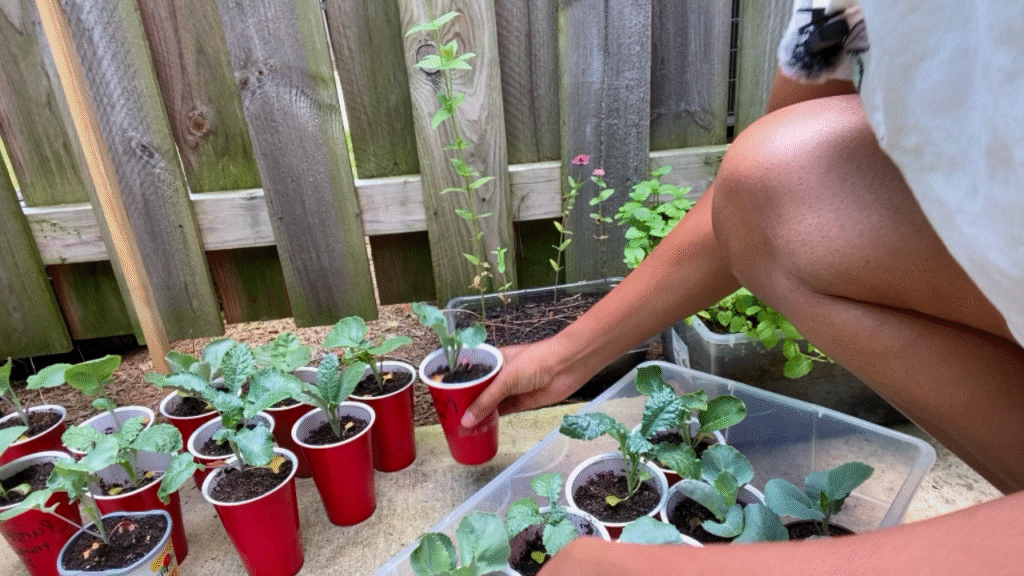
On Day 1, place your seedlings outside in a shaded, sheltered spot for just 1–2 hours. Do not put them in direct sun right away—it’s too much too soon. I remember setting mine under a shaded area of my porch where they could get a feel for the breeze without getting scorched. Then, bring them back inside.
Step 3: Gradually Increase Exposure
Each day, add an extra hour or two outside and gradually introduce some sunlight. By Day 3, I was leaving my seedlings outside for 3–4 hours, including short periods of filtered sun. By Day 5 or 6, they could handle a half day of direct sunlight and breeze. The key is slow progression. Rushing this step can undo all your work.
Step 4: Extend to Full Days and Nights
By Day 7–10, seedlings should be outside most of the day. If nighttime temperatures are mild and safe (no frost or extreme cold), you can even leave them outdoors overnight. This final step is what fully prepares your plants to handle garden life. For me, it was exciting but also nerve-wracking to leave my babies out overnight for the first time. But seeing them hold up the next morning was so rewarding.
Step 5: Transplant With Confidence
Once you’ve completed the process, your plants will have sturdy stems, stronger leaves, and the resilience to thrive in their permanent home. When I finally transplanted my kale and collards after two weeks of hardening off, I noticed how much sturdier they looked compared to Day 1. That gave me confidence that all the back-and-forth work was worth it.
This may be tedious, especially if you’re juggling dozens of seedlings. But following these simple steps will give your plants the best possible start. Think of it as training them for the real world—because that’s exactly what you’re doing.
Extra Tips for Hardening Off Success
Once you understand the basic steps, the process gets easier each season. Still, there are little tricks I’ve learned that make it smoother and less stressful—for both you and your plants.
1. Use a Fan Indoors Early
Even before you start to harden off plants, you can prepare them indoors. I kept an oscillating fan near my seedlings to mimic outdoor breezes. It helped strengthen their stems, so by the time they got outside, they already had a head start on resilience. If you’ve ever noticed floppy seedlings, a fan can make a big difference.
2. Watch the Weather Closely
Hardening off plants is about gradual exposure, not shock therapy. If it’s especially hot, windy, or rainy on a given day, adjust the plan. On one of my first hardening off days, the wind picked up more than I expected, and I was glad I had sheltered my trays near a wall. Protect your plants in those early days—they’re still tender.
3. Protect From Sudden Sunburn
Indoor-grown leaves aren’t used to direct sunlight. That’s why I started mine in shaded areas and only later introduced them to gentle morning or late-afternoon sun. Midday sunlight is too intense at first. If you see pale or crispy spots on leaves, it may be sunscald, which means you need to slow down the exposure.
4. Gradually Stretch the Nights
Leaving plants outside overnight feels scary at first, but it’s critical. I waited until the temperatures in my Zone 8 garden were mild and steady, then let my brassicas spend their first night outdoors. By the next morning, they looked stronger, not weaker—and I knew they were ready for transplanting.
5. Be Patient With Yourself
Hardening off seedlings takes daily effort, and it can feel repetitive. I carried trays of kale, collards, and broccoli in and out for almost two weeks. Some days I sighed at the extra work, but in the end, I was glad I stuck with it. Seeing them adapt, toughen up, and settle into the garden made all the effort worthwhile.
Planning Ahead With a Planting Guide
When I first learned to harden off seedlings, I realized it was only one piece of the puzzle. Gardening isn’t just about keeping your plants alive—it’s about planning ahead so they thrive all season long. Hardening off is what prepares your seedlings for outdoor life, but knowing what to grow, when to start, and whether to direct sow or start indoors is just as important. That’s where a good planting guide comes in.
For me, starting brassicas like kale, collards, cabbages, broccoli, and cauliflower from seed was a big learning curve. I planted them in solo cups under grow lights, counted the days, and carefully hardened them off before moving them outdoors. But even before I got to that stage, I had to figure out when to start each crop, which ones could handle cooler weather, and which should be planted directly outside. As a new gardener, that part felt overwhelming.
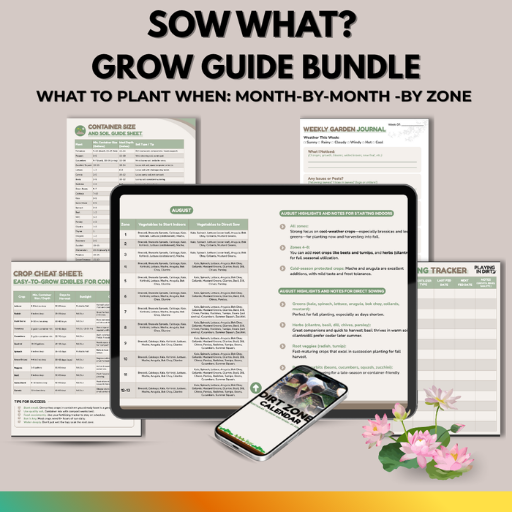
That’s exactly why I created this Monthly Planting Guide—to take the guesswork out of planning. It’s zone-based, so instead of scrolling endlessly online or second-guessing yourself, you simply look up your zone, flip to the month you’re in, and see exactly what you can direct sow and what you should start indoors. It’s a tool that makes gardening less confusing and more enjoyable, especially if you’re just starting out in a small space like I did.
What I love most about the guide is that it works hand-in-hand with the process of hardening off plants. For example, when you see that it’s time to start broccoli indoors in your zone, you know that three or four weeks later you’ll also need to plan for hardening off before transplanting them outside. It’s like having a road map—not just for starting seeds, but for the whole gardening journey.
If you’re serious about growing your own food, even if it’s just in a few containers, planning ahead is key. A planting guide keeps you organized, helps you succession plant for bigger harvests, and makes sure you’re not caught off guard when it’s time to harden off and transplant.
If you’re ready to simplify your garden planning, check out my Monthly Planting Guide. It’s perfect for beginners who want to grow food with confidence, without the overwhelm.
Conclusion
Hardening off may sound like one of those “extra steps” in gardening, but it’s really the bridge between all your careful indoor work and a thriving outdoor garden. I know firsthand how intimidating it felt the first time I tried it. I had trays of kale, collards, cabbages, broccoli, and cauliflower—all grown from seed for the very first time. Every trip outside with those seedlings felt like I was holding my gardening journey in my hands.
I’ll be honest: it wasn’t glamorous. Carrying trays back and forth every day for nearly two weeks sometimes felt like a chore. But then I’d look at the plants, notice their stems getting sturdier, or see how they bounced back stronger each morning, and I knew the effort was paying off. The moment I finally transplanted them into the garden, I realized they were ready—and so was I.
And gardening has a way of surprising you, even in those small tasks. I’ll never forget the day a hummingbird zipped past while I was hardening off my seedlings. It reminded me that this process isn’t just about the harvest. It’s about slowing down, being present, and finding joy in the journey of growing.
So if you’re wondering whether it’s worth the effort—the answer is yes. It protects your plants, strengthens them for the season ahead, and sets the stage for a healthy, abundant harvest.
And if you’re ready to take the next step, don’t forget to grab my Monthly Planting Guide. It will help you know exactly what to start indoors, what to direct sow, and when to begin—so you’ll never have to guess again. Pairing that kind of planning with the practice of hardening off plants is the perfect recipe for success, even if you’re gardening in a small space like I am.
You can find a video version of this post in my Youtube channel.