Skip to content
When most gardeners are winding down their summer gardens, I’m still finding late summer crops to plant and get more food out of the season. If you’ve been wondering what late summer vegetables to grow or what late summer vegetables to plant, you might be surprised that it’s not too late to start another round of tomatoes, peppers, and even a few herbs. Because I have a longer growing season, I’ve been able to extend my garden well into fall, and today I want to share my experience, lessons learned, and what I’m still planting in August.
Learning From My First Tomato Season
This was my very first time growing tomatoes, and I’ll be honest—it didn’t go the way I expected. I planted six plants: two beefsteak, two large cherry tomatoes, and two Romas. Like most new gardeners, I had visions of baskets overflowing with juicy tomatoes. But the reality? I hardly got any tomatoes at all.
I fertilized consistently, watered regularly, and even tried to stay on top of pruning. Still, something wasn’t right. One big factor was the weather—it was brutally sunny, and I waited too long to cover my plants with shade cloth. By the time I finally did, the damage was already done. The leaves were scorched, and the plants were struggling to recover.
Even though that first round was a disappointment, it taught me valuable lessons: tomatoes need consistent care, early shade protection in harsh climates, and the right timing with fertilizer. I learned that gardening is not about perfection—it’s about adapting and trying again. And that’s exactly what I’m doing with my late summer crops.
Why I’m Still Planting Tomatoes in August
A lot of people think once August hits, the tomato season is over. But for me, living in a zone with a longer growing season, I knew I had time to start another round. Our first frost doesn’t hit until mid-to-late November, which gives me months of warm weather left to work with.
So, I started three more tomato plants indoors a couple of months ago—two Roma tomatoes and one beefsteak. I transplanted them into their grow bags just a few weeks ago, and they’re already putting on new growth. Honestly, I wasn’t sure how they’d do this late in the game, but seeing the healthy green foliage has me hopeful.
One of my biggest surprises was a beefsteak tomato plant I thought was done for. It had been burnt to a crisp—leaves gone, stalk looking lifeless. I nearly tossed it out. But instead, I left it alone. And to my surprise, it started putting out fresh foliage. Then it grew taller and even started to flower again. That little plant taught me an important gardening lesson: never give up too soon. Plants can be more resilient than we think.
How I’m Caring for My Late-Season Tomatoes
This time around, I’m doing things differently. I’ve learned that consistency is everything when it comes to tomatoes, especially when growing them as a late summer crop.
Here’s my approach:
- Shade Management: I’m covering them with shade cloth on extra hot days to avoid sunscald.
- Fertilization: I amended the soil with Tomato-Tone before transplanting, and now that they’re flowering, I’m feeding them every couple of weeks.
- Watering: I’m keeping the soil evenly moist without overwatering. Grow bags dry out faster than in-ground beds, so I check them daily.
- Pruning: I’m removing lower leaves and suckers to keep airflow strong, which helps prevent disease this late in the season.
I’m hopeful this round will be different because I’m approaching it with more intentional care and patience. If you’ve struggled with tomatoes in the past, don’t write them off—just adjust and try again.
Keeping My Sweet Bell Peppers
Alongside my tomatoes, my sweet bell pepper plants are still going strong. I’ve been growing them in Home Depot buckets, and although I considered pulling them to make space for something else, they surprised me by putting out more flowers after my last harvest.
I had already picked a good round of peppers, but I noticed new buds forming, and I thought, “Why not give them a chance to keep producing?” Since I don’t plan on reusing those buckets for food, I’m letting the peppers ride it out until the weather turns.
To give them a boost, I applied a little fish fertilizer, and the foliage is already starting to green up again. Sometimes, instead of rushing to pull plants out, it’s worth seeing if they’ll push out one more harvest for you.
Other Late Summer Vegetables to Plant
Tomatoes and peppers aren’t the only options for late summer planting. Depending on your zone, there are plenty of late summer vegetables to grow that will transition beautifully into fall. Some great options include:
- Leafy greens: Spinach, kale, Swiss chard, and collard greens thrive as temperatures cool.
- Root crops: Radishes, carrots, and beets do well in late summer for a fall harvest.
- Brassicas: Broccoli, cauliflower, and cabbage can be started indoors and transplanted out later.
- Herbs: Oregano, parsley, cilantro, and dill can be sown late in the season.
If you live in a warmer zone like I do, you can stretch these crops even further. But even in cooler areas, quick growers like radishes and lettuce can give you a satisfying harvest before frost sets in.
Extending the Growing Season
One of the best parts about gardening is learning how to maximize your growing season. For me, that means using grow bags, containers, and shade cloth to get the most out of late summer.
Here are a few strategies you can try:
- Know Your Frost Date: This is crucial. Check your zone and mark the average first frost on your calendar.
- Succession Planting: Plant quick-growing crops (like radishes or lettuce) every couple of weeks for continuous harvests.
- Containers: They make it easy to move plants around if weather turns too hot or too cold.
- Season Extenders: Use row covers, cold frames, or even just buckets to protect plants from early frost.
Gardening doesn’t have to stop when summer does. With the right planning, you can stretch your harvest much longer than you think.
My Biggest Takeaway: Don’t Be Afraid to Experiment
If there’s one thing I’ve learned from trying late summer crops to plant, it’s that experimentation is the best teacher. My first round of tomatoes didn’t give me much, but instead of quitting, I tried again with new timing and better strategies. My peppers surprised me by producing a second flush, and my oregano reminded me that herbs need timely harvesting before flowering.
Every season teaches me something new, and those lessons carry into the next. Even if things don’t go perfectly, I end up with more knowledge, and usually, more food than if I hadn’t tried at all.
A Tool That Makes It Easier
Before I created my own system, I used to spend hours Googling every single month trying to figure out what to plant. I’d type things like “what can I plant in August in zone 8” or “vegetables to plant in September,” and then scroll through countless articles.
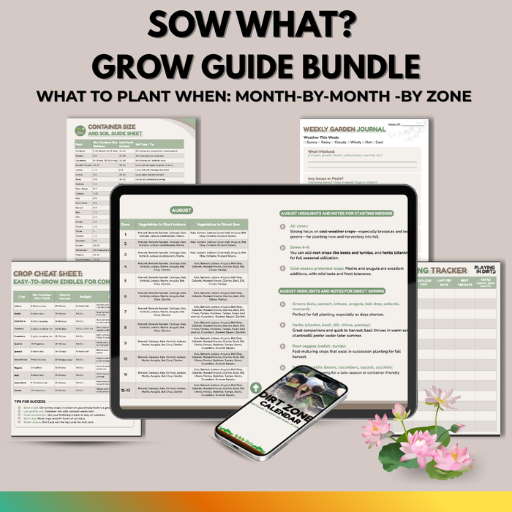
That’s exactly why I created my Monthly Zone Planner Bundle. It’s a simple, straightforward guide that tells you exactly what to direct sow and what to start indoors every single month—customized by zone. No more guesswork, no more endless searching. Plus, it comes with a fertilizing tracker, a container size guide, and other tools designed to make gardening less overwhelming and way more fun.
If you’re a new gardener or just want a clear roadmap for your growing season, check it out. It’s the exact resource I wish I had when I started.
Final Thoughts
It’s not too late to grow late summer crops to plant—even if you think the season is wrapping up. Tomatoes, peppers, leafy greens, and quick root crops can all thrive if you time them right and give them the care they need.
So, don’t pack away your garden tools just yet. Use your frost date as a guide, keep experimenting, and you’ll be surprised at how much food you can grow—even in August. Gardening is about learning, adapting, and enjoying the process, and every season brings new opportunities.
And remember—if you’re unsure what to plant each month, my Monthly Zone Planner Bundle is there to guide you step by step.
*This post contains Amazon affiliate links, which means I may earn a commission at no extra cost to you.