 Skip to content
When most people think of planting, they picture spring — longer days, fresh soil, and nurseries overflowing with flowers. But here’s the gardening secret many beginners miss: fall is actually the best time to plant perennials.
Why? Because perennials planted in the fall get a head start underground. While the cooler air helps prevent transplant shock, the soil is still warm enough for roots to establish. By the time spring arrives, these plants are ready to explode with growth and blooms.
In this post, we’ll cover 7 perennials to plant in the Fall for a stunning spring garden — plus step-by-step planting tips, soil prep instructions, and product recommendations to make your fall planting a success. Whether you’re working with a full backyard or a few containers on your balcony, you’ll find options here to fit your space.
Why Fall Is the Perfect Time for Planting Perennials
- Cooler Temperatures: Plants experience less stress compared to hot summer planting.
- Warmer Soil: Roots grow until the ground freezes, giving plants a jumpstart.
- Less Competition: Fewer weeds and pests in fall mean your plants can establish with less interference.
- Stronger Spring Blooms: Fall planting = mature roots by spring = fuller, healthier flowers.
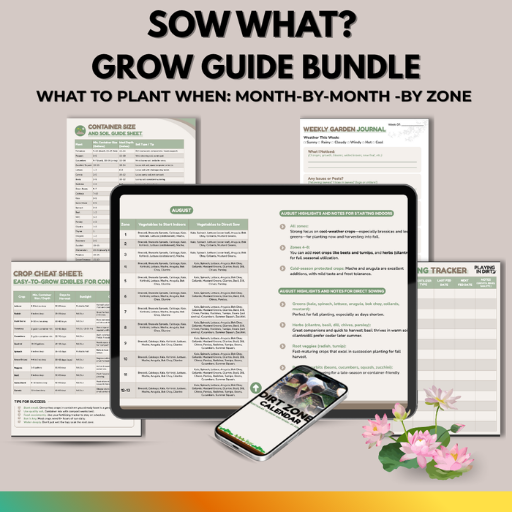
Pro tip: If you’re new to gardening or small on space, my Planting Guide helps you know exactly what vegetables to plant each month in your region.
1. Catmint (Nepeta)
Catmint is one of the easiest perennials to grow, with silvery-green foliage and lavender-blue flowers that bloom from late spring to early summer.
Why Plant in Fall?
Catmint establishes strong roots in cool weather and returns year after year with minimal care.
How to Plant
- Container size: At least 12–14 inches wide.
- Soil: Well-draining potting mix, add sand or perlite if needed.
- Sun: Full sun to partial shade.
- Care: Water regularly until established. Trim back in early summer for rebloom.
Recommended Products
- Grow Bags (12–15 gallon)
- Organic Potting Mix
- Bypass Pruners (for trimming)
2. Daylilies (Hemerocallis)
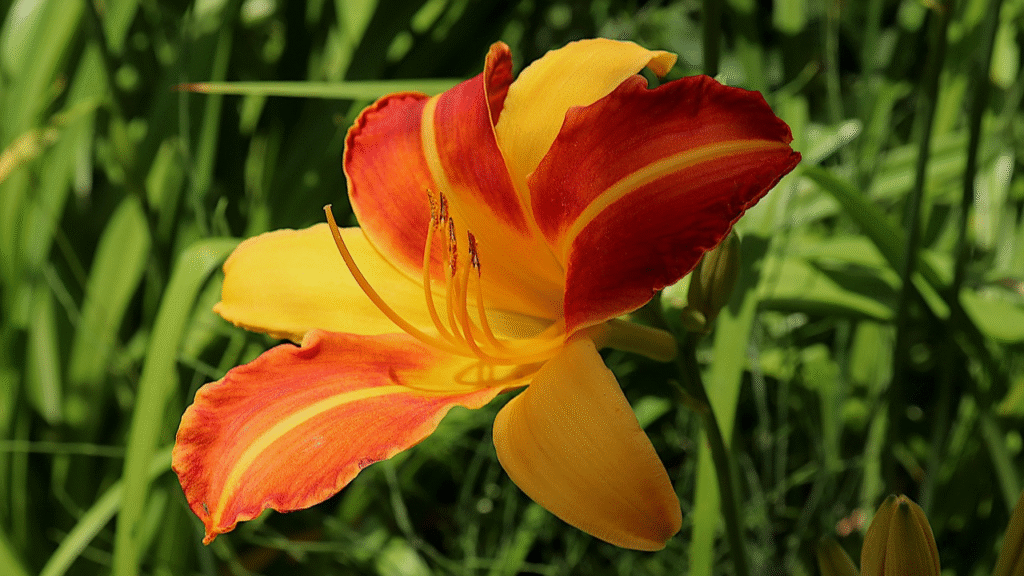
Daylilies are called the “perfect perennial” because they’re hardy, adaptable, and come in nearly endless colors.
Why Plant in Fall?
Fall planting gives them time to develop roots before dormancy. By spring, you’ll have clumps ready to burst into bloom.
How to Plant
- Container size: 15–20 gallons for multiple clumps.
- Soil: Rich, loamy soil with compost.
- Sun: Full sun (6+ hours daily).
- Care: Divide clumps every 3–4 years to encourage continuous blooms.
Recommended Products
- Compost & Worm Castings
- 15–20 Gallon Fabric Grow Bags
- Slow-Release Fertilizer
3. Coreopsis
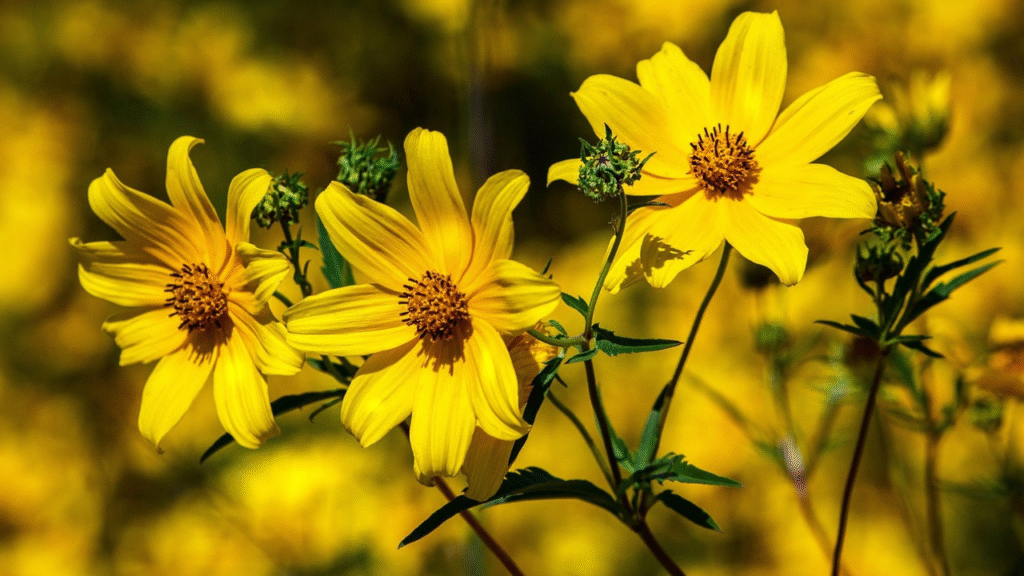
This cheerful perennial produces daisy-like flowers in bright yellow, orange, and pink shades.
Why Plant in Fall?
Cooler weather helps coreopsis settle in, and it rewards you with long-lasting blooms in spring and summer.
How to Plant
- Container size: 12–14 inches.
- Soil: Well-drained, sandy mix.
- Sun: Full sun.
- Care: Deadhead to prolong blooms. Tolerates poor soil once established.
Recommended Products
4. Veronica (Speedwell)
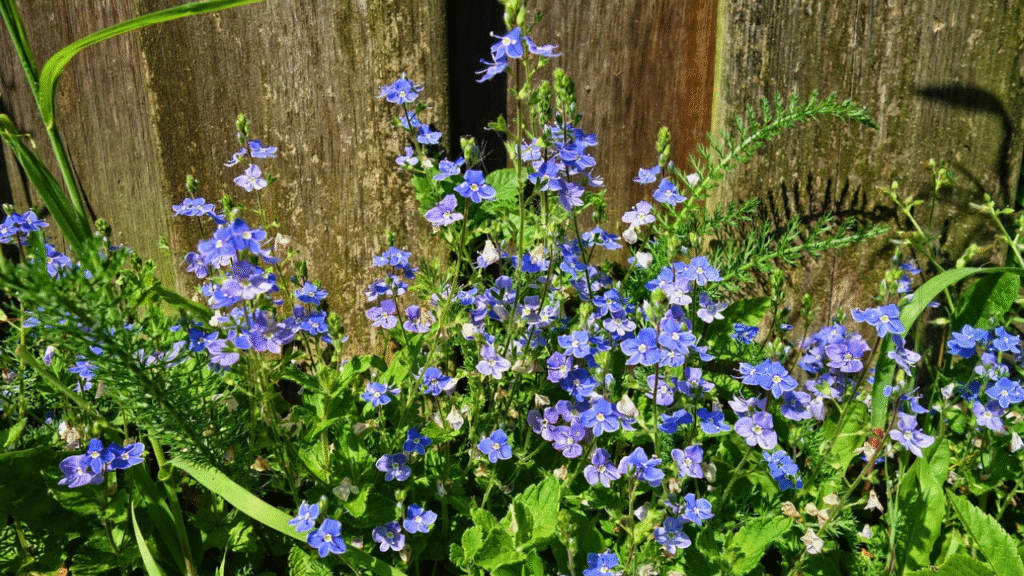
Known for their spikes of purple, blue, or pink flowers, veronicas are pollinator magnets.
Why Plant in Fall?
Establishes roots quickly and comes back strong with tall spikes each spring.
How to Plant
- Container size: 12–15 inches deep.
- Soil: Well-drained, compost-enriched mix.
- Sun: Full sun preferred.
- Care: Water regularly and mulch to retain moisture.
Recommended Products
- Mulch
- Container Soil Mix with Perlite
- Plant Stakes (for taller varieties)
5. Iris
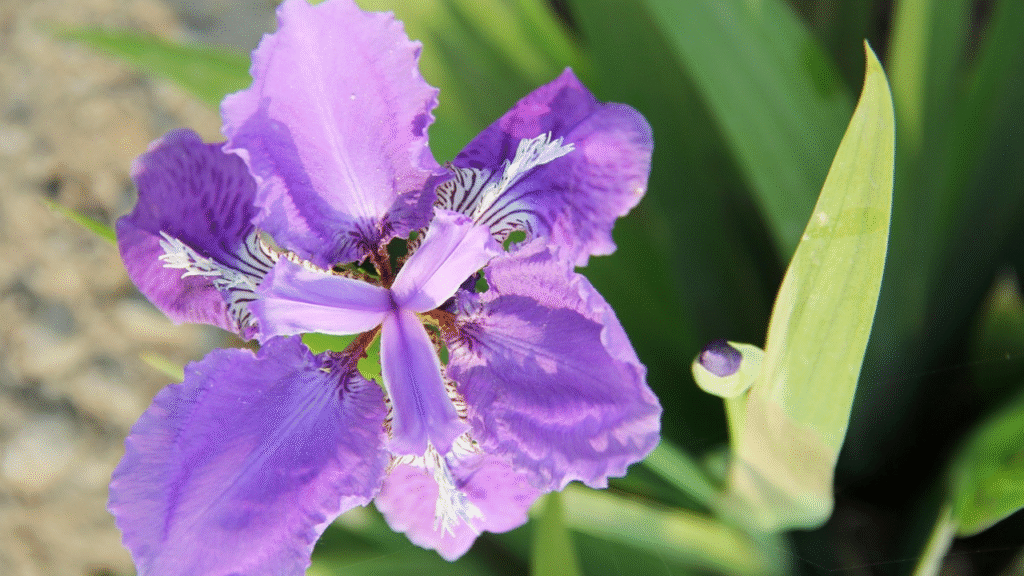
Irises are classic spring bloomers with striking sword-like foliage and colorful flowers.
Why Plant in Fall?
Irises establish quickly in cool weather, ensuring tall and healthy blooms in spring.
How to Plant
- Container size: 15+ gallons for rhizomes.
- Soil: Loamy, slightly acidic soil with good drainage.
- Sun: Full sun.
- Care: Plant rhizomes shallowly (just below the surface). Avoid soggy soil.
Recommended Products
- Iris Rhizomes
- Raised Bed or Grow Bags
6. Coneflower (Echinacea)
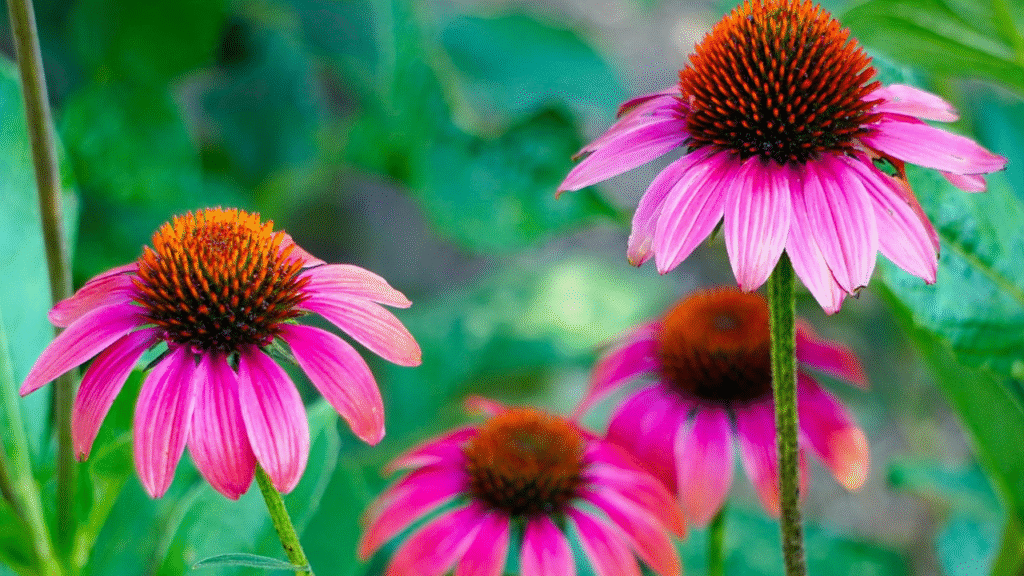
Coneflowers are hardy, drought-tolerant, and beloved by pollinators. They come in purple, white, and even orange varieties.
Why Plant in Fall?
Fall planting helps echinacea roots develop before winter, producing bigger, more vibrant blooms next year.
How to Plant
- Container size: 15 gallons minimum.
- Soil: Sandy, well-draining soil.
- Sun: Full sun.
- Care: Low-maintenance; water deeply but infrequently.
Recommended Products
7. Salvia
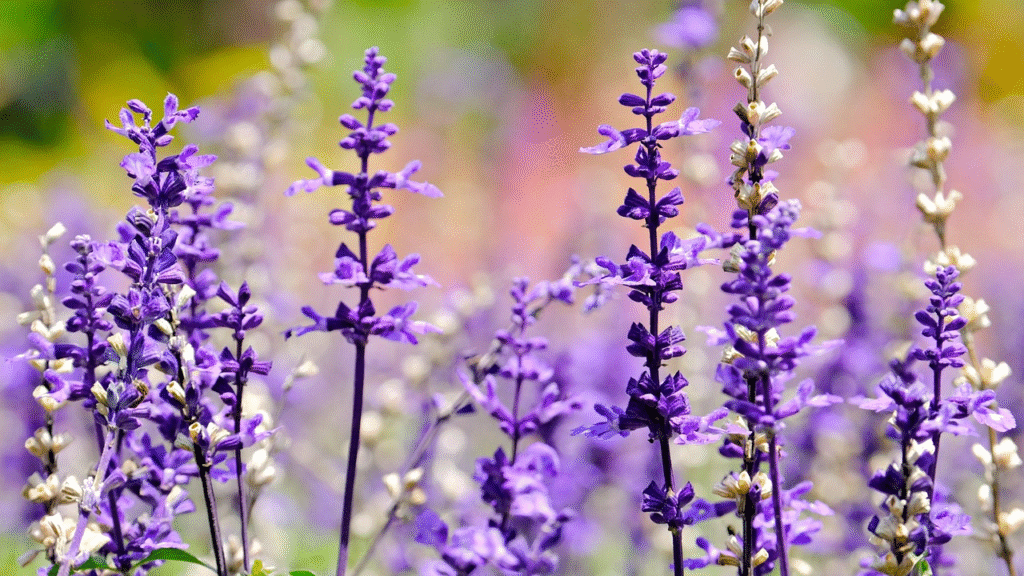
Salvia is a long-blooming perennial that brings vertical spikes of purple, blue, or red flowers.
Why Plant in Fall?
Perfect for fall planting, salvia’s roots will establish over winter and give you reliable blooms every spring.
How to Plant
- Container size: 12–15 inches.
- Soil: Well-drained mix with compost.
- Sun: Full sun.
- Care: Deadhead regularly; prune back in early spring.
Recommended Products
Tools & Supplies for Fall Perennial Planting
Planting perennials in fall is easier with the right tools. Here are a few must-haves:
- Gardening Gloves
- Hand Trowel & Transplanter Set
- Watering Can
- Soil Moisture Meter
- Frost Protection Cloth
Don’t Forget: My Planting by Zone Planner
If you’re wondering what veggies you can plant in fall — my Planting Guide is the perfect companion.
This digital guide shows you:
- What to plant each month in your USDA zone.
- Whether to start seeds indoors or direct sow outdoors.
- Container sizes and soil prep for beginners.
- Easy checklists so you never miss your planting window.
Grab your copy here. It’s the easiest way to never wonder what to plant again.
Final Thoughts
Fall is the unsung hero of gardening seasons. By planting perennials like catmint, daylilies, coreopsis, veronica, iris, coneflower, and salvia now, you’re giving your garden a head start for spring. These plants will establish strong roots in cool weather and return with fuller, brighter blooms year after year.
Pair your perennials with colorful annuals like mums or pansies for immediate fall color, and get your containers ready now so you can enjoy the beauty of a thriving, low-maintenance spring garden.
Remember: fall planting isn’t just about beauty — it’s about building a foundation. A few hours spent this season means months of effortless color next year.
So grab your gloves, pick up some perennials, and let’s make this fall the beginning of your most beautiful spring garden yet.
*This post contains affiliate links, which means I may earn a small commission at no extra cost to you.