Skip to content
I’m Always Looking for Gentle, Long-Term Soil Solutions
When you grow food in containers, you quickly learn that soil behaves very differently than it does in the ground. Containers dry out faster, nutrients wash away more easily, and over time the soil can become depleted even when you’re watering consistently and feeding your plants. As a small-space container gardener in Zone 8, I’ve seen this pattern repeat itself season after season. My plants weren’t necessarily failing, but they also weren’t reaching their full potential.
One of the biggest challenges with container gardening is mineral loss. Most potting mixes start out balanced, but they don’t regenerate. With every watering, small amounts of minerals are leached from the soil, and eventually plants can struggle even when fertilizer is being applied correctly. This often leads gardeners to increase feeding, hoping for better results. While fertilizers are useful, relying on them too heavily can create nutrient imbalances, stress root systems, or even burn plants.
That frustration is what led me to research long-term soil amendments and eventually discover rock dust in gardening. I wasn’t looking for a quick boost or rapid growth. I wanted something gentle that would support soil health over time without disrupting the natural nutrient balance already present in my containers. Basalt rock dust stood out because it works slowly, replenishing minerals that containers naturally lose and supporting the soil ecosystem rather than forcing plant growth.

Using rock dust as fertilizer is really about shifting perspective. Instead of feeding plants directly, this approach focuses on feeding the soil so it can do its job more effectively. Building healthier soil leads to stronger roots, better nutrient uptake, and more resilient plants. In this article, I’ll share what I’ve learned so far about basalt rock dust, why it’s especially beneficial in container gardens, and how I’m using it as part of a long-term strategy for healthier, more productive harvests.
What Is Basalt Rock Dust?
Basalt rock dust is a finely ground natural material made from volcanic rock. It is created by crushing basalt, a hard igneous rock formed from cooled lava, into a powder-like form that can be mixed into soil. In gardening, basalt rock dust is valued not for immediate feeding, but for its ability to rebuild soil mineral content slowly and naturally over time.
When people hear the word “fertilizer,” they often think of products that deliver nitrogen, phosphorus, and potassium quickly. Basalt rock dust works differently. It does not contain NPK in a form that forces rapid growth, which is why it is often described as a soil remineralizer rather than a traditional fertilizer. This distinction is important, especially when talking about rock dust in gardening, because the goal is long-term soil health rather than short-term plant response.
Basalt rock dust contains a wide range of minerals that plants need in small but essential amounts. These include calcium, magnesium, iron, silica, and numerous trace elements that are often missing from commercial potting mixes. While plants do not absorb these minerals immediately, soil microbes slowly break them down, making them available to plant roots over time. This process supports steady growth and reduces the risk of nutrient shock.
It’s less about feeding plants directly and more about supporting the soil ecosystem. As beneficial microbes interact with the minerals in basalt dust, nutrient availability improves naturally. This is especially useful in container gardens, where soil volume is limited and mineral depletion happens faster than in-ground beds.
Another key benefit of basalt rock dust is its gentleness. It contains no salts, does not alter NPK ratios, and does not burn plants when used correctly. Because of this, it can be safely used around seedlings, mature plants, leafy greens, and fruiting crops. Instead of forcing growth, basalt rock dust works quietly in the background, helping create healthier soil that supports stronger, more resilient plants over time.
Why Rock Dust Matters More in Container Gardening
Container gardening offers flexibility and convenience, but it also comes with unique challenges, especially when it comes to soil health. Unlike in-ground gardens, containers hold a limited amount of soil, and that soil has no natural way to replenish lost minerals. Every time containers are watered, small amounts of nutrients and trace minerals are washed out through drainage holes. Over time, this can leave the soil depleted, even when plants are watered and fertilized consistently.
This is where rock dust in gardening becomes especially valuable for container growers. Potting mixes are designed to be lightweight and well-draining, but they often lack the full range of minerals found in natural soil. Without replenishment, plants may show slower growth, weaker root systems, or reduced productivity. Adding rock dust helps replace those missing minerals gradually, supporting long-term soil health rather than offering a temporary boost.
Rock dust in containers works best because it doesn’t overwhelm plants or disrupt nutrient balance. Instead of delivering nutrients all at once, basalt rock dust releases minerals slowly as soil microbes break it down. This steady process is ideal for confined root spaces, where sudden nutrient spikes can cause stress or damage.
For container gardeners focused on sustainability and long-term results, rock dust offers a practical solution. It helps build resilient soil, supports beneficial microbes, and creates a healthier growing environment in pots, raised beds, and grow bags. By strengthening the soil itself, container gardeners can support consistent growth, better nutrient uptake, and more productive plants throughout the season.
The Mineral Benefits of Basalt Dust
Why Minerals Matter in Container Gardening
One of the most overlooked aspects of soil health (especially in containers) is mineral content. While most gardeners focus on nitrogen, phosphorus, and potassium, plants also rely on secondary and trace minerals to function properly. In container gardens, these minerals are depleted quickly due to frequent watering and limited soil volume. This is why rock dust in gardening plays such an important role, particularly for growers working with pots, grow bags, and raised beds.
What Makes Basalt Dust Different
Basalt dust is a finely ground volcanic rock that contains a wide spectrum of naturally occurring minerals. Unlike traditional fertilizers, it does not force immediate growth. Instead, it works slowly to rebuild mineral reserves in the soil. This makes basalt dust especially valuable for gardeners who want to improve soil health without disrupting nutrient balance or risking plant damage.
Calcium and Magnesium: The Structural Minerals
Calcium is essential for strong cell walls and healthy root development. Plants with sufficient calcium are better able to transport nutrients and maintain overall structure. Magnesium, on the other hand, is a key component of chlorophyll and plays a direct role in photosynthesis. When magnesium levels are low, plants may appear pale or weak even if they are otherwise well-fed. Basalt rock dust provides both of these minerals in a slow, steady form that supports long-term plant health.
Iron and Trace Elements: Small but Essential
Iron is critical for chlorophyll production and overall plant vigor, particularly in leafy greens. Iron deficiencies are common in container-grown plants and often show up as yellowing leaves. In addition to iron, basalt rock dust contains trace elements that plants need in very small amounts. These micronutrients support enzyme activity, nutrient absorption, and internal plant processes that are easy to overlook but vital for healthy growth.
Silica and Plant Resilience
Silica is one of the most underrated minerals in gardening. It helps strengthen plant tissues, leading to sturdier stems and tougher leaves. Plants with adequate silica are often better equipped to tolerate heat, cold, wind, and other environmental stressors. This is especially beneficial in containers, where roots and soil experience more extreme temperature fluctuations than in-ground gardens.
Slow Release and Soil Biology
One of the key reasons rock dust as fertilizer works so well is its slow-release nature. The minerals in basalt rock dust are not immediately available to plants. Instead, beneficial soil microbes gradually break them down, releasing nutrients over time. This process supports consistent growth, prevents nutrient overload, and encourages a thriving soil ecosystem.
Long-Term Benefits for Soil Health
Over time, adding basalt rock dust helps rebuild mineral reserves that are naturally lost through watering and harvesting. It improves microbial activity, enhances nutrient cycling, and contributes to darker, richer soil. Rather than acting as a quick fix, basalt dust strengthens the foundation of the soil itself. For container gardeners focused on sustainability and long-term results, basalt dust provides a mineral-rich approach that supports healthier plants and more reliable harvests season after season.
How Basalt Dust Supports Stronger, More Resilient Plants
Strengthening Plants from the Roots Up
One of the most noticeable benefits of rock dust in gardening is how it supports plant strength at the root level. Healthy roots are the foundation of healthy plants, especially in containers where space is limited. The minerals in basalt dust help roots develop more robustly, allowing plants to anchor themselves better and access water and nutrients more efficiently. Stronger roots also mean plants are better prepared to handle environmental stress.
Improving Nutrient Uptake and Efficiency
Basalt dust doesn’t feed plants directly in the way traditional fertilizers do. Instead, it improves the soil environment so plants can use nutrients more effectively. As minerals are slowly released, they support microbial activity that helps convert nutrients into forms plants can absorb. This improved nutrient uptake often leads to steadier growth, fewer deficiencies, and healthier foliage without the risk of overfeeding.
Increasing Resistance to Pests and Disease
Plants grown in mineral-rich soil tend to be more resilient overall. Adequate mineral availability supports thicker cell walls and stronger plant tissue, which can make plants less attractive to pests and better able to resist disease. While basalt dust is not a pesticide, its role in strengthening plant structure makes it a valuable tool in a preventative, soil-first approach to plant health.
Helping Plants Tolerate Heat and Cold
Container plants experience more temperature fluctuations than in-ground plants. Basalt dust helps improve a plant’s ability to tolerate both heat and cold by supporting overall cellular strength and stress response. This added resilience can be especially helpful during sudden temperature swings or seasonal transitions.
A Gentle, Long-Term Approach
Rock dust as fertilizer supports gradual, consistent improvement rather than forcing rapid growth. Over time, this approach leads to sturdier plants, better recovery from stress, and a more balanced growing environment. These are key goals for any container gardener focused on long-term success.
Rock Dust and Soil Microbes: The Hidden Benefit
One of the most powerful benefits of using rock dust in gardening often goes unnoticed because it happens below the surface. Healthy soil is alive, filled with beneficial microbes that play a crucial role in plant health. These microorganisms help break down organic matter, release nutrients, and improve soil structure. In container gardens, microbial life can decline over time as soil becomes depleted, compacted, or overwatered.
Basalt dust helps support and revive this microbial activity by supplying minerals that microbes need to thrive. While plants cannot access the minerals in rock dust immediately, microbes slowly break them down into usable forms. This natural process creates a steady exchange between soil, microbes, and plant roots. Instead of nutrients being delivered all at once, they become available gradually, reducing stress on plants and promoting balanced growth.
Using rock dust as fertilizer shifts the focus from feeding plants directly to nourishing the entire soil ecosystem. As microbial populations increase, nutrient cycling becomes more efficient. This means plants are better able to absorb the nutrients already present in the soil, rather than relying solely on frequent fertilizer applications. Improved microbial activity also helps speed up the decomposition of organic matter, turning compost and plant debris into rich, usable soil more quickly.
Another benefit of increased microbial life is improved soil structure. Microbes help bind soil particles together, creating better aeration and moisture retention. For container gardeners, this can mean soil that drains well without drying out too quickly. Over time, soil becomes darker, richer, and more biologically active.
By supporting soil microbes, basalt dust contributes to long-term soil health rather than quick results. This hidden benefit leads to stronger plants, more consistent growth, and a healthier container garden overall.
How I Use Basalt Rock Dust in My Container Garden
Using basalt rock dust doesn’t have to be complicated. One of the reasons I was drawn to rock dust is how flexible and forgiving it is, especially for container growers. Below are the main ways I use basalt dust in my garden, depending on what stage my plants are in and how I want to get the most value from the product.
Mixing Basalt Dust into Soil Before Planting
This is one of the most effective ways to use basalt dust because it allows minerals to be evenly distributed throughout the soil from the start.
How I apply it:
- Before transplanting seedlings or starts
- Mixed directly into the potting soil
Recommended amounts:
- 1-2 cups per 5 gallons of soil
- 3-4 cups per 10 -15 gallons of soil
Why this works well:
- Roots grow into mineral-rich soil from day one
- Minerals are available slowly as microbes break them down
- No risk of burning young plants
This method works especially well when refreshing old potting soil or preparing containers for a new season.
Using Basalt Dust as a Top Dressing
Top dressing is a great option when plants are already growing and you want to improve soil health without disturbing roots.
How I apply it:
- Sprinkle lightly around the base of the plant
- Keep it a few inches away from the stem
- Water it in gently
Recommended amount:
- 2-4 tablespoons per plant
When I use this method:
- Mid-season soil refresh
- When plants look healthy but need long-term support
- Before a regular watering cycle
Because rock dust as fertilizer works slowly, this method feeds the soil over time rather than delivering an immediate response.

How Often I Apply Basalt Dust
One of the biggest advantages of basalt dust is how infrequently it needs to be applied.
- Apply once every 3 – 4 months
- No need for weekly or monthly applications
- More is not better – consistent, moderate use works best
This makes it ideal for container gardeners who want low-maintenance soil improvements.
Safety and Handling Tips
Basalt dust is very fine, so a little care goes a long way.
- Wear gloves and a mask when handling
- Avoid windy days if applying dry
- Pour slowly to reduce airborne dust
- Store in a sealed container
Why I Love This Approach for Containers
Using basalt rock dust fits perfectly into a soil-first mindset. It supports microbial life, strengthens plants over time, and improves soil without forcing growth. For container gardeners focused on sustainability, resilience, and long-term success, basalt dust is a simple but powerful addition to the routine.
Why I Add Basalt Dust to My Compost Instead
As much as I love the flexibility of using basalt dust directly in my containers, one of my favorite ways to use it is by adding it to my compost. This approach fits perfectly with my long-term, soil-first mindset and helps me get the most value out of the product, especially since basalt dust can be pricey.
When you’re composting, you’re already creating a rich environment full of organic matter and beneficial microbes. Adding rock dust at this stage helps supercharge that process. Instead of applying the dust to individual containers, it becomes evenly distributed throughout the compost as it breaks down. By the time the compost is finished, those minerals are already integrated into the soil in a way that’s gentle, balanced, and plant-ready.
One of the biggest benefits of using basalt dust in compost is how it supports microbial activity. Compost microbes slowly break down the minerals, making them more bioavailable over time. This improves nutrient cycling and helps create compost that is darker, richer, and more biologically active. It also helps reduce odors, supports moisture retention, and speeds up the decomposition of organic materials like leaves, kitchen scraps, and cardboard.
Using rock dust as fertilizer in my compost bin feels more efficient to me. Instead of applying small amounts to multiple containers, I’m conditioning a larger batch of soil all at once. When I eventually use that compost in my containers, raised beds, or grow bags, the minerals are already there, working quietly in the background.
For container gardeners who make their own compost, this method offers a practical way to build mineral-rich soil without overusing amendments. It’s a slow, steady approach that aligns perfectly with long-term garden health and sustainable growing practices.

How I Add Basalt Dust to My Compost Bins
Adding basalt dust to compost is a simple process, but doing it with intention makes a big difference in how evenly the minerals are distributed and how effective the finished compost becomes. This method has become my preferred way of using rock dust in gardening, especially because it allows me to condition a larger volume of soil at once.
My Compost Setup
I currently maintain multiple compost bins, which allows me to stagger decomposition and always have soil in progress. One bin is more mature, while the other is newer and still breaking down. This setup gives me flexibility when adding amendments like basalt dust.
How Much Basalt Dust I Use
Rather than overloading the compost, I focus on moderate, consistent additions.
- For a compost bin around 20 gallons:
- I add about 3 cups of basalt dust
- For newer or smaller bins:
- I add about ½ cup at a time
- For ongoing maintenance:
- I may add small amounts every few weeks instead of one large dose
This gradual approach ensures the minerals are spread evenly and gives microbes time to interact with them.
How I Apply It
- I sprinkle the basalt dust evenly over the surface of the compost
- I work it into the material using a hand tool or by turning the compost
- I make sure the compost stays slightly moist, not dry or soaking wet
Because basalt dust is very fine, I’m careful when handling it, especially on windy days.
Why This Method Works So Well
Using rock dust as fertilizer through compost allows minerals to bond with organic matter before ever reaching plant roots. By the time the compost is finished, it’s darker, richer, and full of microbial life. The minerals are already integrated into the soil structure, making them gentler and more effective when used in containers.
This process turns compost into a long-term soil conditioner rather than just a growing medium, setting my plants up for healthier growth and more productive harvests.
Is Basalt Dust Safe for All Plants?
One of the reasons basalt dust has earned a place in my gardening routine is its safety and versatility. When gardeners hear about soil amendments, a common concern is whether they might harm plants, especially seedlings or sensitive crops. With that amendment in the garden, basalt dust stands out because it is gentle and non-toxic when used correctly.
Unlike many traditional fertilizers, basalt dust contains no salts and does not force rapid nutrient uptake. This means there is no risk of fertilizer burn, even when it’s used around young plants. Seedlings, transplants, and mature plants can all benefit from the slow mineral release without experiencing stress or shock. This makes basalt dust especially useful in container gardens, where roots are confined and more vulnerable to damage.
Basalt dust is safe to use on a wide variety of plants, including leafy greens, fruiting crops, herbs, and ornamental plants. Whether you’re growing tomatoes, cucumbers, peppers, or lettuce, the minerals provided by basalt dust support overall plant health rather than targeting one specific growth stage. Because it works gradually, plants receive support over time instead of being overwhelmed by nutrients all at once.
Using rock dust as fertilizer is also beneficial for gardeners who prefer a preventative approach. Instead of correcting deficiencies after they appear, basalt dust helps maintain a steady mineral balance in the soil. This can reduce common issues like weak growth, poor root development, and stress-related problems.
As with any soil amendment, moderation matters. Applying basalt dust according to recommended amounts and spacing applications every few months ensures it remains safe and effective. When used thoughtfully, basalt dust is a reliable, low-risk addition that supports healthier soil and stronger plants across all stages of growth.

What I’m Hoping to See by Spring
As I head into the next growing season, my expectations with basalt dust are realistic and rooted in patience. It isn’t about instant results, and I’m not expecting to wake up one morning to dramatically bigger plants overnight. What I am hoping to see, though, is a noticeable difference in how my plants grow, respond, and recover over time.
By spring, my biggest goal is healthier soil. I want compost that is darker, richer, and more biologically active than it was in previous seasons.
When I refresh my containers, I’m hoping that mineral-rich compost will give my plants a stronger foundation right from the start. Stronger roots, better nutrient uptake, and steadier growth are signs I’ll be paying close attention to.
I’m also hoping to see improved plant resilience. Container gardens can be tough on plants, especially during temperature swings. If my tomatoes, cucumbers, and other crops are better able to handle heat, cool nights, and environmental stress, that will tell me the soil-building approach is working. Even subtle improvements, like sturdier stems or healthier foliage, are meaningful progress.
Another thing I’m watching for is consistency. Instead of plants struggling mid-season or showing random deficiencies, I want more even growth throughout the season. Rock dust as fertilizer is part of a bigger shift toward prevention rather than correction, and that mindset change is just as important as the amendment itself.
Ultimately, this is about learning. Gardening is always an experiment, and every season teaches me something new. If basalt dust helps create healthier soil and more reliable harvests, it will be a valuable long-term addition to my container garden journey.
Staying Organized: How My Monthly Planting Guide Helps Me Grow More Food
Soil health is only one part of growing a productive garden. Even with rich, mineral-filled soil, timing still matters. Knowing what to plant and when to plant it can make the difference between a thriving container garden and one that feels frustrating or unproductive. That’s where staying organized becomes just as important as soil preparation.
Over time, I realized that a lot of gardening overwhelm comes from trying to remember planting windows. It’s easy to second-guess whether something should be started indoors, direct sown, or planted at all. This is especially true for container gardeners and small-space growers who want to make the most of every pot, grow bag, or raised bed.
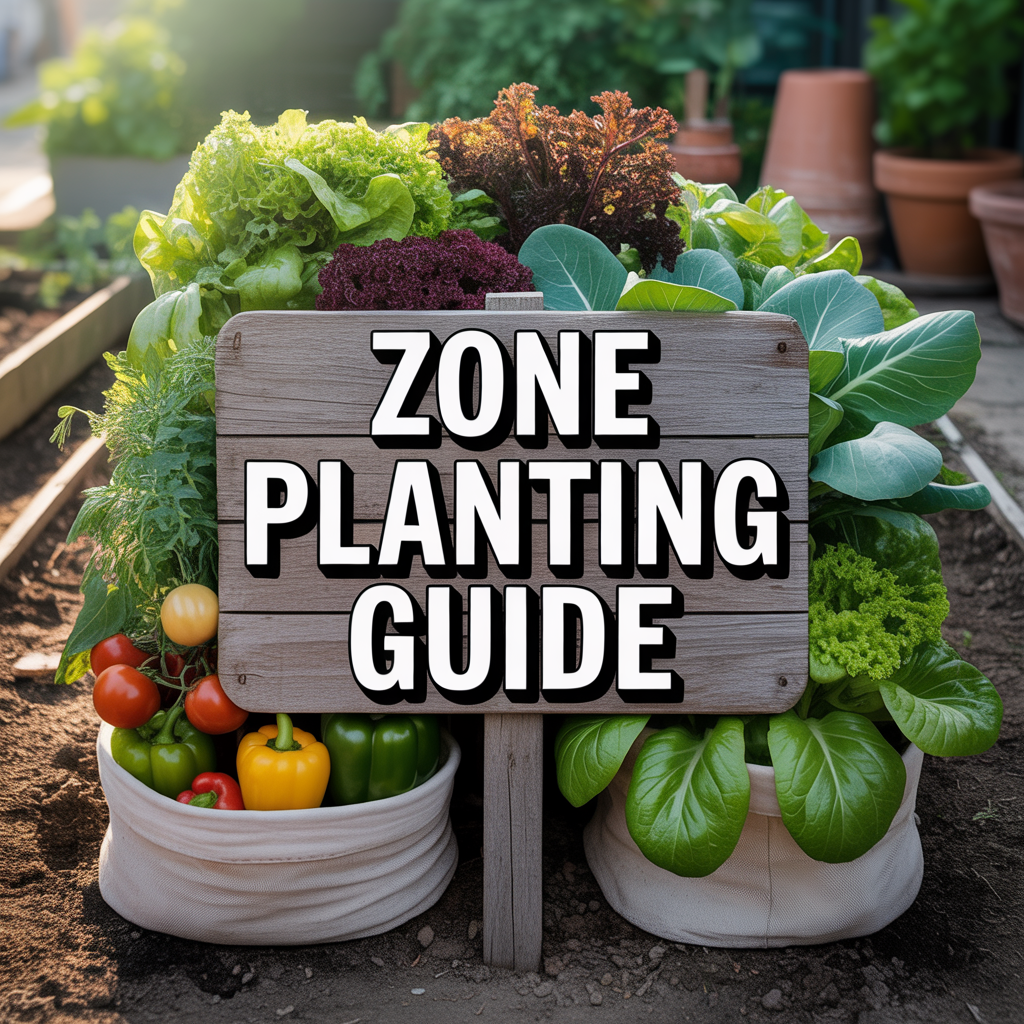
That’s why I created my monthly planting guide. It breaks things down in a simple, practical way based on your growing zone. Each month clearly outlines what you can start indoors and what you can direct sow, so you’re not guessing or overplanting at the wrong time. Instead of focusing on everything at once, you can focus on just that month’s tasks and move forward with confidence.
This approach pairs perfectly with a soil-first mindset. When your containers are filled with healthy, mineral-rich soil, having a clear planting plan helps you use that soil efficiently. You’re not rushing, wasting space, or missing key planting windows. You’re simply following a rhythm that works with the seasons.
The guide is especially helpful if you’re new to gardening, short on space, or growing primarily in containers. It’s designed to reduce overwhelm, save time, and help you grow more food consistently without feeling like you have to do everything at once. When soil preparation and planning work together, gardening becomes more focused, more enjoyable, and far more productive.
Final Thoughts: Building Soil Is a Long-Term Investment
One of the biggest lessons gardening has taught me is that healthy gardens aren’t built overnight. Strong plants start with strong soil, and that foundation takes time, patience, and consistency. Using rock dust in the garden has shifted the way I think about soil care, from chasing quick fixes to investing in long-term health.
Basalt dust isn’t about forcing growth or seeing instant results. It’s about restoring what containers naturally lose and creating an environment where plants can thrive on their own. When soil is rich in minerals and supported by beneficial microbes, plants are better equipped to grow steadily, handle stress, and produce more reliably. That kind of resilience is especially important in container gardens, where soil conditions change quickly.
Using rock dust as fertilizer fits into a bigger picture of sustainable gardening. Instead of constantly correcting problems as they appear, this approach focuses on prevention; strengthening the soil so fewer issues arise in the first place. Over time, this leads to healthier roots, improved nutrient uptake, and a more balanced growing system.
Gardening will always involve experimentation. Every season brings new lessons, and not every method works the same for everyone. For me, incorporating basalt dust has been about curiosity, learning, and trusting the process. Whether you’re just starting out or refining your routine, focusing on soil health is one of the most impactful steps you can take.
At the end of the day, growing food isn’t just about what you harvest. It’s about building something that improves with time. Healthy soil makes that possible, season after season.
This post contains affiliate links, which means I may earn a small commission at no extra cost to you.