Skip to content
January is usually when most people pause their gardening plans. The holidays are over, it’s cold outside, and Spring can feel so far away. But for me, this is actually one of the most important times of the year in my garden, because this is when I start preparing my soil.
Instead of waiting until Spring and rushing to fix things later, I focus on my compost now. I like to think of compost as future plant food, not just a pile of scraps. What we add to our soil today doesn’t magically become available overnight. It takes time for amendments to break down, for microbes to get to work, and for nutrients to become accessible to plants. Winter gives me that time.
In this post, I’m sharing exactly how I prime my compost and soil for Spring planting, based on what I actually do in my own garden. This isn’t a textbook explanation or a perfect system. It’s a real, lived-in process that I’ve been learning and refining as I go, especially as a container gardener working with limited space.

I started my compost about a year ago, layering food scraps, dried leaves, and whatever greens I had on hand. I didn’t measure exact ratios. Now, as we head into the new year, I’m adding a few specific amendments to give my soil a head start, especially because I plan to grow heavy feeders like brassicas in the Spring.
If you’ve ever felt overwhelmed by soil prep, unsure what to add, or tempted to buy bag after bag of soil and amendments, this is for you. I’ll walk through why I use certain ingredients, what benefits they bring, and how this approach works for containers and small spaces.
Spring planting starts long before Spring arrives, and this is where it begins.
Think of Compost as Future Plant Food
Before we talk about amendments or techniques, it helps to reframe what compost actually is because this mindset alone can change how you garden.
Compost isn’t just scraps
A lot of people think compost is just:
- Old food scraps
- Dead leaves
- Yard waste
But once those materials start breaking down, compost becomes:
- A slow-release nutrient source
- A home for beneficial microbes
- The foundation for healthy, resilient plants
When I look at my compost, I don’t see trash.
I see future meals growing in my garden.
Why timing matters more than people realize
One of the biggest mistakes I see (and have made myself) is waiting until Spring to think about soil.
Here’s the reality:
- Nutrients don’t become available instantly
- Microbes need time to work
- Some amendments take months, not days, to break down
By starting in Winter, I’m:
- Letting biology do the work naturally
- Avoiding rushed decisions later
- Giving my soil a head start before anything is planted
Spring planting becomes easier when the soil is already prepared.
Compost feeds plants indirectly
This part is important, especially for beginners.
Plants don’t just “eat” compost.
Instead:
- Compost feeds microbes
- Microbes unlock nutrients
- Plants access those nutrients when they need them
This is why compost improves:
- Root development
- Stress tolerance
- Overall plant health
It’s a long-term investment, not a quick fix.
You don’t need perfect ratios
This is where a lot of people get overwhelmed.
I don’t measure exact ratios.
I focus on:
- Adding food scraps when I have them
- Layering in browns like leaves
- Letting time and moisture do the rest
Gardening doesn’t require perfection, it requires consistency.
Why this matters for containers and small spaces
If you garden in containers or limited space (like I do), compost matters even more.
Containers:
- Dry out faster
- Lose nutrients quicker
- Depend entirely on what you put into them
Healthy compost helps:
- Reduce the need for constant fertilizing
- Improve soil structure
- Create a buffer against mistakes
When your compost is strong, your garden is more forgiving.
The Amendments I Add – and Why I Add Them
This is the part people usually overcomplicate, so I want to slow this down and make it very clear:
You do not need every amendment.
You do not need to copy this exactly.
And you do not need to buy bags and bags of products.
What you do need is understanding because once you understand why something is added, you can decide whether it makes sense for your garden.
Everything I add to my compost has a purpose, and timing is just as important as the amendment itself.
How I decide what to add to my compost
Before adding anything, I ask myself three questions:
- Does this take time to break down?
- Does it support soil biology, not just plants?
- Will this help future crops, especially heavy feeders?
If the answer is yes, it belongs in my compost now, not later.
#1. Bone Meal: Why I Add It Months Before Planting

Bone meal is one of the most misunderstood amendments, especially for beginners.
What bone meal provides
Bone meal is a slow-release amendment that supplies:
- Phosphorus → root development
- Calcium → strong cell walls
- Sulfur (often from gypsum) → nutrient uptake
These are especially important for:
- Broccoli
- Collards
- Kale
- Other brassicas
These crops are heavy feeders and demand more from the soil.
Why I add bone meal to compost instead of planting holes
Bone meal does not work quickly.
It also:
- Does not dissolve immediately
- Does not feed plants instantly
- Needs microbial activity to break down
That’s why I add it to compost months ahead of time.
By the time I’m ready to plant:
- Some nutrients are already available
- Others are becoming available gradually
- Roots don’t get shocked
This creates steady, consistent feeding instead of nutrient spikes.


How much I use (and why I don’t overthink it)
I don’t measure exact amounts.
What I do:
- Add a few tablespoons across the compost
- Mix it in well
- Let time handle the rest
More is not better here. Bone meal is about patience.
#2. Rock Dust (Basalt Dust): Feeding the Soil, Not the Plant

This is one of my favorite long-term soil builders, but it’s also optional.
What rock dust actually does
Rock dust contains:
- Trace minerals
- Micronutrients
- Elements plants need in very small amounts
But here’s the key:
Plants don’t access rock dust directly.
Instead:
- Microbes break it down
- Minerals are released slowly
- Soil health improves over time
This is not about instant growth.
This is about resilient plants.
Adding rock dust during compost prep
Rock dust:
- Takes a long time to break down
- Works best when microbes are active
- Benefits soil for seasons, not weeks
Adding it to compost allows:
- Moisture
- Microbial activity
- Organic matter
to work together naturally.
Safety note (important)
Rock dust is very fine.
When handling it:
- Wear a mask
- Avoid breathing the dust
- Mix gently
This is about protecting you as much as the soil.
If you don’t have rock dust
Your garden will still succeed.
Rock dust is:
- Helpful
- Not required
- A long-term investment, not a necessity
Never let optional amendments become a barrier to starting.
#3. Worm Castings:

Worm castings are excellent, but timing and placement matter.
Benefits of worm castings
They provide:
- Gentle nutrients
- Beneficial microbes
- Improved soil structure
They’re especially helpful for:
- Seedlings
- Transplants
- Containers
Why I Skip Adding it to My compost, Though It Can Be A great Amendment:
Worm castings:
- Hold moisture very well
- Can reduce drainage if overused
- Are more effective closer to planting time
Since compost already holds moisture, I don’t want to:
- Create overly dense soil
- Limit oxygen
- Cause soggy containers later
How I use worm castings instead
I prefer to:
- Add them at planting time
- Mix lightly into container soil
- Use them as a top dressing
This gives me more control and reduces risk.


#4. Leaf Mold & Browns: The Quiet Power of Carbon
Carbon materials don’t get enough credit.
What browns actually do
Browns like:
- Dead leaves
- Paper
- Cardboard
This helps to:
- Balance moisture
- Prevent rot
- Improve structure
- Feed fungi
Leaf mold, in particular, creates:
- Light, fluffy soil
- Better water retention
- Strong microbial networks
I rely on leaves layered over time
I don’t rush leaf mold.
Instead:
- Leaves break down slowly
- Layers form naturally
- Compost matures evenly
This slow process creates better soil than fast fixes.
#5. Banana Peels & Food Scraps: Feeding Microbes First
I use what I already have.
Why banana peels matter
Banana peels contain:
- Potassium
- Calcium
- Phosphorus
But more importantly:
- They feed microbes
- They improve soil life
- They break down naturally
What healthy compost looks like
I look for:
- Dark color
- Crumbly texture
- Earthy smell
- Signs of breakdown
This tells me the system is working.
Turning The Compost: Simple, Not Fancy
I don’t use special tools to turn my compost. I am looking in the compost bins that are off the ground, but for now, you don’t need anything fancy. A couple of containers with drainage holes will get you started.

How I turn my compost
- Hand claw
- Slow mixing
- No rushing
Turning helps:
- Introduce oxygen
- Balance moisture
- Speed decomposition gently
If I see mold:
- I add browns
- I improve airflow
- I adjust, not panic

Why This Matters So Much for Containers and Small Spaces
This method is especially important if:
- You garden in containers
- You have limited soil volume
- You rely on what’s already in your pots
Healthy compost:
- Reduces fertilizer dependency
- Improves drainage
- Buffers mistakes
- Supports steady growth
In containers, soil quality is everything.
The big takeaway
I’m not trying to rush nutrients.
I’m not forcing growth.
I’m giving my soil time.
This is how I prime my garden for Spring – quietly, intentionally, and without overwhelm.
Turning & Maintaining Compost: Keeping It Healthy Without Overworking It
Once the amendments are added, my focus shifts from adding more to simply maintaining balance. Compost doesn’t need constant attention, but it does benefit from occasional turning to keep everything working together.
I turn my compost by hand using a simple hand claw, nothing fancy. Turning helps introduce oxygen, redistribute moisture, and encourage even breakdown of materials. I’m not aggressively chopping or flipping everything upside down. I’m just loosening, mixing, and letting air move through the pile. Think of it as waking the compost up, not forcing it to hurry.
As I’m turning, I pay attention to what the compost is telling me. If it smells earthy and looks dark and crumbly, that’s a good sign. If I notice mold forming, that usually means the pile is holding too much moisture. Mold isn’t a failure, it’s feedback. When that happens, I simply add more browns, like dry leaves, to absorb excess moisture and restore balance.

I don’t stress if everything isn’t fully broken down yet. Compost takes time, and that’s the point. Winter is when I let patience do the heavy lifting. The amendments, food scraps, and organic matter continue to decompose slowly, and the microbial life stays active beneath the surface.
By the time Spring planting rolls around, this compost isn’t just decomposed material, it’s a stable, living soil amendment that supports healthy roots, steady growth, and stronger plants. Maintaining compost doesn’t have to be complicated. It just needs consistency, observation, and time.

How This Compost Sets Up My Spring Garden (Especially in Containers)
All of the work I do with compost during Winter is about making Spring planting easier, calmer, and more predictable. By the time I’m ready to plant, I don’t want to be scrambling to fix soil issues or trying to force nutrients into the ground at the last minute. I want the soil to already be working for me.
When I prepare my containers for Spring, I don’t fill them with compost alone. Instead, I start with a quality potting mix and then blend in small amounts of organic matter where it makes sense. Compost plays a supporting role, not the entire foundation. This keeps the soil light, well-draining, and oxygen-rich, which is especially important in containers where roots have limited space.
For planting, I usually mix compost into the soil rather than burying it deep. This helps distribute nutrients evenly and prevents dense pockets that can hold too much moisture. If I’m growing heavy feeders like broccoli, collards, or kale, I’ll also add a small amount of aged manure or organic matter to support early growth. I’m careful here because too much moisture-holding material can lead to compacted soil, especially in containers.
Once seedlings are planted, compost becomes a long-term support system. Instead of feeding aggressively, I let the compost continue breaking down and releasing nutrients gradually. This steady supply helps plants establish strong roots without pushing excessive leafy growth too quickly. In cooler weather, this approach also reduces stress on young plants.
This method is especially helpful for small-space gardeners. Containers lose nutrients faster than in-ground beds, and mistakes show up quickly. Having compost that’s already biologically active gives you a buffer. It reduces the need for constant fertilizing and makes the soil more forgiving if conditions aren’t perfect.
By preparing compost ahead of time, Spring planting feels less rushed and more intentional. The soil is ready, the nutrients are already in motion, and my focus can stay where it belongs, which is on planting, observing, and adjusting as the season unfolds.
Why Winter Is the Best Time to Prepare Soil for Spring
Winter has a reputation for being a “dead” season in the garden, but when it comes to soil, that couldn’t be further from the truth. While plants may slow down above ground, the soil itself is still active. Microbes continue working, organic matter continues breaking down, and nutrients slowly become more available over time.
That’s why Winter is such a powerful window for soil preparation. There’s no rush to plant, no pressure to perform, and no need to fix problems on the fly. Instead of reacting in Spring, I’m preparing ahead of it. This gives amendments like bone meal and rock dust the time they need to integrate naturally, without stressing plants later.
For new gardeners, this timing matters even more. Spring can feel overwhelming ; seed starting, transplanting, watering schedules, fertilizing, pest pressure, it all seems to happen at once. When soil prep is already done, one major decision is off your plate. You’re not guessing what to add or wondering if you’ve missed something important.
This approach also reduces the temptation to overcorrect. When gardeners feel behind, they often add too much fertilizer too quickly, which can lead to weak growth, nutrient imbalances, or compacted soil, especially in containers. Preparing soil in Winter allows nutrients to be released gradually and evenly.
Winter soil prep is quieter, slower, and far more forgiving. It turns Spring planting into a continuation of work you’ve already done, rather than a frantic starting point. For me, that shift makes gardening feel less stressful and more intentional and it sets the tone for the entire growing season ahead.
Common Mistakes This Method Helps Prevent
One of the biggest benefits of preparing compost and soil ahead of time is that it helps you avoid mistakes that are very common, especially if you’re new to gardening or working in containers.
A lot of gardeners wait until Spring to think about soil, and by then, everything feels urgent. Seeds are ready, seedlings need to go outside, and suddenly there’s pressure to “fix” the soil quickly. That’s when people tend to overdo it – adding too many amendments, mixing too much fertilizer into planting holes, or trying to correct nutrient issues all at once.
This method prevents that rushed decision-making. Because the compost has already been amended and given time to break down, there’s no need to guess what the plants need the moment they go into the soil. Nutrients are already present in a gentler, more balanced way.
It also helps prevent compacted or soggy soil, which is a common issue in containers and raised beds. Adding moisture-holding materials like compost, manure, or worm castings all at once (especially right before planting) can reduce drainage and limit oxygen around the roots. By spreading this process out over time, the soil structure stays lighter and healthier.
Another mistake this approach helps avoid is relying too heavily on bagged products. When gardeners feel behind, it’s easy to think the solution is buying more soil, more fertilizer, or more amendments. Preparing compost ahead of time reduces that dependence and helps you work with what you already have.
Most importantly, this method reduces stress. Instead of reacting to problems in Spring, you’re building a foundation that supports steady growth. That confidence makes a big difference, especially when you’re still learning and finding your rhythm in the garden.
Who This Spring Soil Prep Approach Works Best For
This approach to priming compost and soil isn’t about having a large garden or advanced experience. It’s about working with time instead of against it, which makes it especially helpful for certain types of gardeners.
This method works well if you:
- Are new to gardening and don’t want to overthink soil prep
- Garden in containers or raised beds where soil quality matters more
- Have a small space and need your soil to work efficiently
- Prefer a low-stress, low-rush approach to Spring planting
- Want to reduce how much soil and fertilizer you buy each year
Because containers rely entirely on what you put into them, giving compost time to break down ahead of planting creates a more stable growing environment. Instead of chasing nutrients later, you’re building them in early.
It’s also helpful if you:
- Grow heavy feeders like broccoli, collards, or kale
- Want steadier growth instead of fast, forced growth
- Don’t have time to constantly adjust soil mid-season
- Like learning through observation rather than strict formulas
This method doesn’t require special equipment or a perfect setup. It works with basic compost bins, simple tools, and materials many gardeners already have on hand. Most importantly, it creates a system that’s forgiving. If the weather shifts or planting dates move, your soil is already prepared to support those changes.
You don’t need to do everything at once or get everything right. This approach gives you flexibility, and that’s especially valuable when you’re still learning how your garden responds throughout the seasons.
Soil Is Only Half the Equation: When to Plant Matters Too
Once soil is prepared, the next question almost always comes up: What do I plant, and when?
That’s where timing becomes just as important as soil health.
All of this compost prep is happening with a specific planting window in mind. I’m not guessing when to start seeds or move plants outdoors. I’m preparing the soil so that when planting time arrives, everything lines up; the nutrients, the weather, and the crops themselves.
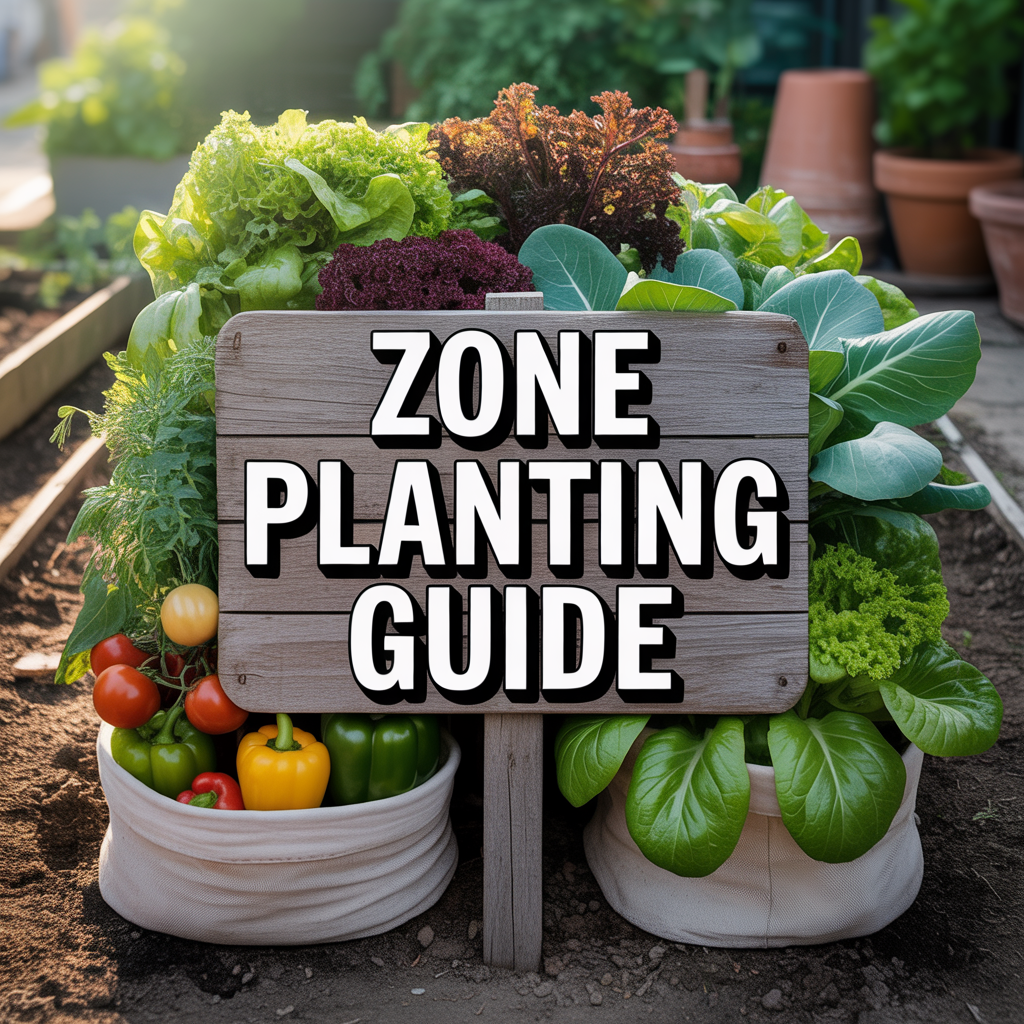
That’s why I created my monthly planting guide. It breaks down what to start indoors and what can be direct sown each month based on your growing zone. Instead of trying to remember planting dates or searching multiple sources, everything is laid out in one place. This is especially helpful if you’re new to gardening or working with containers, where timing mistakes can show up quickly.
When soil is already amended and ready, a planting guide removes the second biggest source of confusion –when to plant. Together, these two pieces work as a system: soil preparation first, planting decisions second.
If you’ve ever felt unsure about whether you’re early, late, or doing things “right,” this combination brings clarity. You’re not rushing, guessing, or reacting. You’re following a plan that supports steady growth from the ground up.
Conclusion: Preparing the Soil Before the Season Begins
Preparing soil for Spring doesn’t have to be rushed, expensive, or overwhelming. For me, it starts quietly ( in Winter) by focusing on compost and giving it the time it needs to do what it’s meant to do. By amending soil early, I’m not trying to force growth later. I’m allowing nutrients, microbes, and organic matter to work together naturally.
This approach has changed how Spring feels in my garden. Instead of scrambling to fix soil problems or wondering what I forgot to add, I can focus on planting, observing, and adjusting as needed. The foundation is already there. The soil is active, balanced, and ready to support new growth.
Whether you garden in containers, small spaces, or raised beds, the same principle applies: healthy soil makes everything else easier. You don’t need a perfect system or a long list of products. You just need intention, patience, and a willingness to start earlier than you think.
If you take anything from this, let it be this ; Spring success begins long before the first seed goes into the soil. When you give your compost and soil time to prepare, you give yourself confidence, clarity, and a much smoother start to the growing season.
This post may contain affiliate links, which help support my work at no cost to you.