Skip to content
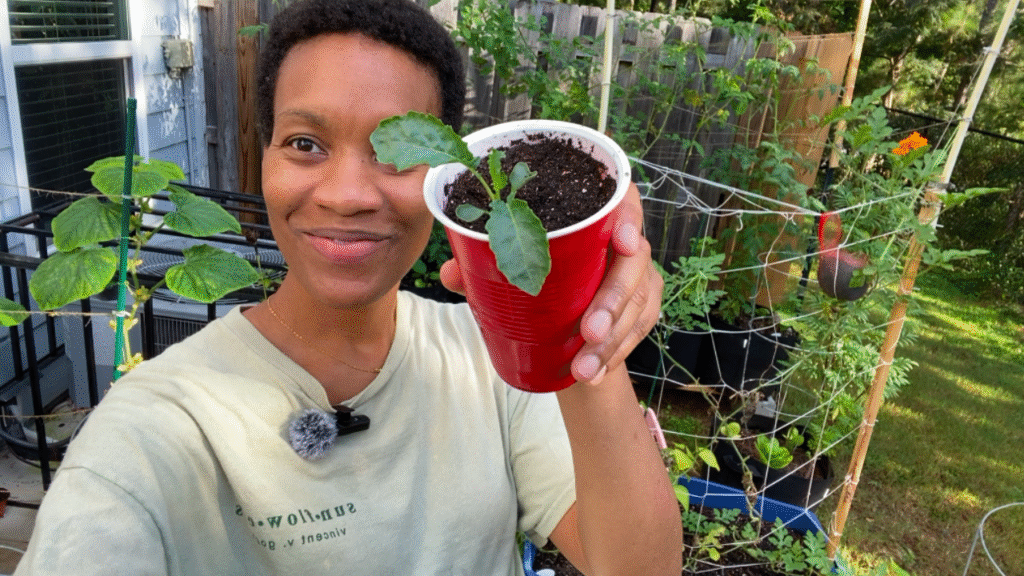
As the days grow shorter and the air takes on that crisp edge, I can’t believe September is already here. This is one of my favorite times of the year — cozy weather, cinnamon tea, and fresh opportunities to plant cool-season crops. If you’re wondering what to plant in September, you’re in the right place.
I garden in containers and small spaces, and this month opens up a whole lineup of vegetables that thrive in cooler temperatures. Whether you’re growing in grow bags, raised beds, or pots on your patio, these crops can give you harvests well into fall and sometimes even early winter.
In this post, I’ll share the vegetables to plant in September, tips on how to prepare your soil, and step-by-step instructions for growing each crop successfully. I’ll also show you some of my favorite products that help me along the way, and don’t forget — this Monthly Planting Guide. It’s perfect if you want a month-by-month breakdown of what to start indoors and what to direct sow outside.
Why September is the Perfect Month for Planting
September is that sweet spot where the blazing summer heat starts to fade, but the soil is still warm enough for seeds to germinate quickly. Cool nights bring out the best flavors in crops like kale, radishes, and carrots. For container gardeners like me, this month is all about maximizing limited space while keeping a steady flow of fresh food coming into the kitchen.
The key to success is picking the right crops for fall and giving them the right start. Let’s dive into the vegetables you should plant now, how to prepare your soil, and the little tricks I’ve learned along the way.
1. Broccoli
Broccoli is one of the top vegetables to plant in September. This season, I started mine indoors back in early August so they’d be ready for transplanting now.
Soil Preparation
- Use a 15–20 gallon container or deep raised bed.
- Amend soil with compost, worm castings, and a balanced organic fertilizer.
- Broccoli is heavy-feeding, so I also add bone meal for root development and blood meal for leafy growth.
Growing Tips
- Start indoors if you’re in a warm zone (like Zone 8a, where I garden).
- Harden off plants before moving them outdoors.
- Keep soil consistently moist — broccoli dislikes drying out.
- Fertilize every 3–4 weeks with a liquid feed like fish emulsion.
My Experience
This is my first season trying broccoli from seed, and honestly, it’s been exciting watching those little seedlings grow. If you’re new, don’t be intimidated — broccoli is very forgiving once it’s established.
2. Kale
Kale loves cool weather, making it perfect for September planting. I’m growing Lacinato (Dinosaur) Kale this year.
Soil Preparation
- Kale thrives in well-draining soil enriched with compost.
- I like to add worm castings and a side-dressing of slow-release fertilizer.
- In containers, make sure you use at least a 7–10 gallon grow bag per plant.
Growing Tips
- Direct sow or start indoors.
- Space plants about 12–18 inches apart if you’re in the ground.
- Harvest outer leaves regularly to encourage continuous growth.
My Experience
Kale is a continuous producer. I will be staggering my plantings every few weeks so I always have a fresh supply. The flavor actually sweetens after a few cool nights.
3. Cabbage
Cabbage is another cool-season favorite and definitely one of the vegetables to plant in September.
Soil Preparation
- Use a 15+ gallon container per plant.
- Amend soil with compost, bone meal, and an organic vegetable fertilizer.
- Cabbages like rich soil, so don’t skimp on nutrients.
Growing Tips
- Start seeds indoors and transplant after 4–6 weeks.
- Give each plant room — they need space for their heads to form.
- Water consistently to avoid splitting.
My Experience
This is my first year growing Golden Acre Cabbage from seed instead of buying starts. It’s been so rewarding to see them take off in containers.
4. Cauliflower
Cauliflower can be a little tricky, but September is a good month to start it.
Soil Preparation
- Needs 15–20 gallon containers (one plant per container).
- Add plenty of compost and a nitrogen-rich amendment like blood meal.
- Keep soil slightly acidic (pH around 6.0–6.5).
Growing Tips
- Cauliflower doesn’t like stress — keep watering consistent.
- Mulch to regulate soil temperature.
- Consider blanching (tying leaves over the head) to keep it white and tender.
My Experience
I’m trying three plants this year — it’s my first attempt. Fingers crossed I can get some heads before the cold sets in!
5. Carrots
Carrots are root crops that thrive in cooler weather.
Soil Preparation
- Carrots need loose, sandy soil.
- Avoid fresh compost or high-nitrogen fertilizers — they can cause forking.
- I like mixing in peat moss and sand for good drainage.
Growing Tips
- Direct sow only — carrots don’t transplant well.
- Thin seedlings to 2 inches apart once established.
- Keep soil moist for steady germination (can take 7–14 days).
My Experience
I’ve had success with Scarlet Nantes and Danvers 126. Danvers is especially beginner-friendly and reliable.
6. Radishes
Radishes grow quickly, making them one of the easiest crops for beginners.
Soil Preparation
- Radishes like loose, well-drained soil.
- Amend with worm castings and compost.
- Avoid too much nitrogen — it makes leafy tops but tiny roots.
Growing Tips
- Direct sow in containers or garden beds.
- Germinate in as little as 4–7 days.
- Harvest in 25–30 days depending on the variety.
My Experience
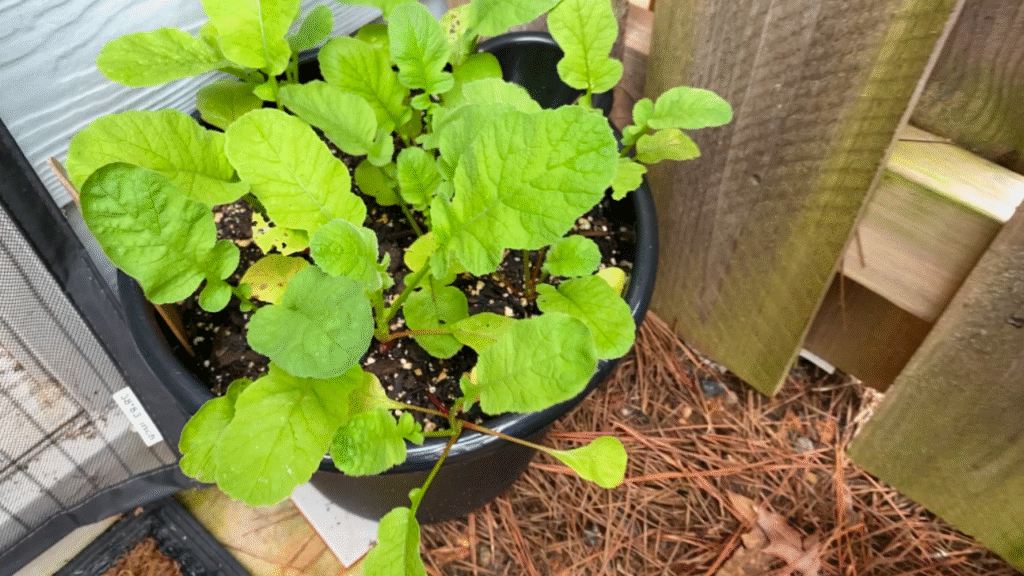
I’m trying Cherry Belle and Icicle Short Top. They’ve given me challenges before, but this year the growth looks promising.
7. Spinach
Spinach is another must-plant in September, though it can be finicky.
Soil Preparation
- Likes rich, well-drained soil with compost and worm castings.
- pH around 6.5–7.0 is best.
Growing Tips
- Direct sow outdoors or start hydroponically indoors (my method after failed germination in soil).
- Thin seedlings to 3–4 inches apart.
- Harvest outer leaves to keep it producing.
My Experience
I’m growing Bloomsdale Longstanding. I’ve had trouble with germination, so I’m experimenting with hydroponic starts.
8. Beets
Beets are a dual-purpose crop — you get both the roots and the greens.
Soil Preparation
- Loamy, well-drained soil is best.
- Add compost and a balanced fertilizer.
- Avoid excess nitrogen (again, or you’ll get lots of leaves but tiny roots).
Growing Tips
- Direct sow only.
- Thin seedlings early to avoid crowding.
- Harvest roots when they’re about 2 inches in diameter for tenderness.
My Experience
This is my first time growing Tall Top Early Wonder Beets or any beets for that matter. I’ll be planting them in potato bags once my potatoes are harvested.
9. Parsley
Parsley is a hardy herb that does well in containers and can survive through mild winters.
Soil Preparation
- Parsley isn’t picky, but add compost for steady growth.
- I like to keep mine in 10–12 inch pots with good drainage.
Growing Tips
- Start indoors or direct sow outdoors in September.
- Keep soil moist — parsley takes a while to germinate (up to 21 days).
- Harvest often to encourage new growth.
My Experience
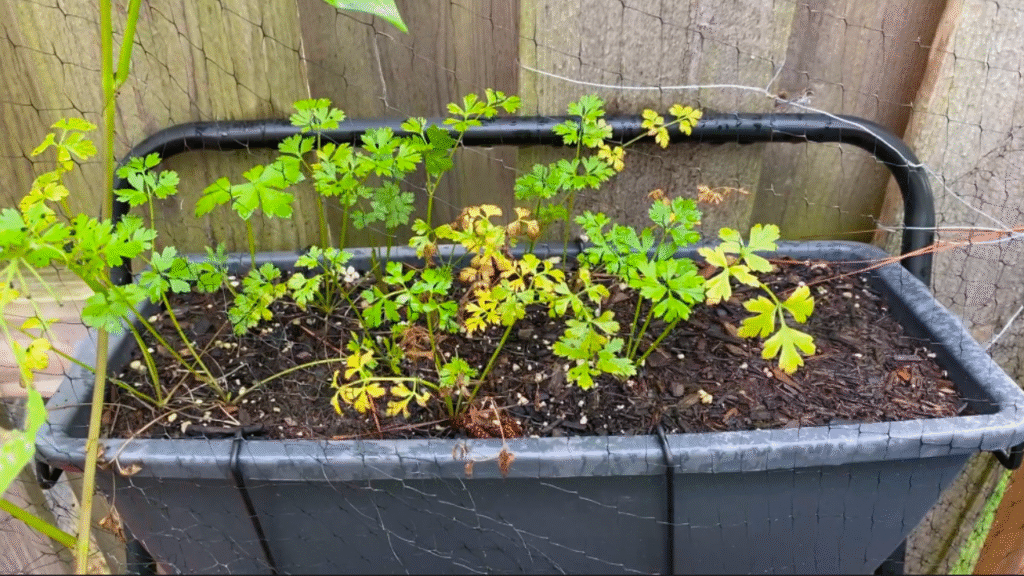
I started parsley last year, and it’s still producing today! Once established, it’s one of the most beginner-friendly herbs.
Tools & Products I Recommend
Here are some items I personally use and recommend (insert your affiliate links):
These products make a huge difference in my container garden.
Monthly Planting Guide
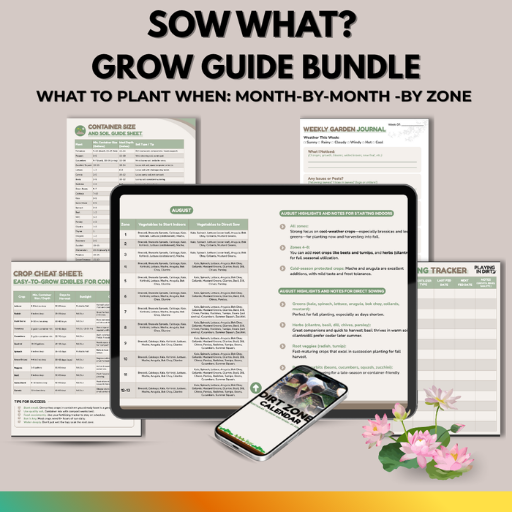
If you’re wondering not just what to plant in September, but what to plant every month, this Planting Guide is designed for beginners in small spaces. It covers all USDA zones, shows you exactly what to direct sow vs. start indoors, and even includes container sizes.
Grab it here.
Final Thoughts
September is one of the best months to refresh your garden. By focusing on cool-season crops like broccoli, kale, cabbage, cauliflower, carrots, radishes, spinach, beets, and parsley, you can enjoy a productive fall harvest and even extend your growing season into winter.
Remember: healthy soil is the foundation of healthy plants. Amend it well, water consistently, and don’t be afraid to experiment. I’m still learning myself — some crops thrive, others struggle, but every season teaches me something new.
So grab your seeds, containers, and a warm cup of cinnamon tea, and let’s make the most of this beautiful season together.
*This post contains affiliate links, which means I may earn a small commission at no extra cost to you.