Skip to content
January always feels like this quiet in-between space in the garden. On one hand, the year has just started and everything feels fresh and full of possibility. On the other hand, it’s still cold, the days are short, and it can be hard to believe that a thriving Spring garden is even possible yet. If you’ve ever looked outside in January and thought, “There’s no way I should be gardening right now,” you’re not alone. I’ve been there too – second-guessing timing, feeling guilty about past mistakes, and wondering if starting now even makes sense.
The truth is, gardening doesn’t wait for perfect conditions, and neither do we. Lighting isn’t always ideal, energy levels aren’t always high, and sometimes life just gets in the way. I’ve learned that progress in the garden comes from intentionality, not perfection. January isn’t about having everything figured out, it’s about laying the foundation. It’s about small, thoughtful steps that make Spring feel less rushed and far less overwhelming. Starting seeds now gives plants the time they need to grow strong before warmer weather arrives, and it gives you time to learn, adjust, and build confidence along the way.
If you’re new to gardening, especially if you’re working with containers or a small space, knowing what to plant in January can make all the difference. You don’t need a backyard, expensive equipment, or years of experience to begin. You just need a willingness to start. January planting is a gentle entry point into the season ahead and it reduces confusion, eases fear, and turns the idea of a Spring garden into something real and attainable. This is the phase where hope gets planted right alongside the seeds, and that’s what makes it so powerful.
Why January Is Not Too Early to Start a Garden
January has a reputation for being a “waiting month” in the garden. A lot of gardeners sees it as a time when everything is dormant and nothing meaningful can happen yet. But in reality, January is one of the most strategic months to begin, especially if you want a calmer, more successful Spring season. This is the quiet groundwork phase, where preparation matters more than visible growth. Starting now isn’t about rushing the season; it’s about working with time instead of against it.
For many gardeners, overwhelm sets in when Spring arrives and everything feels urgent all at once. Seeds need to be started, beds need to be prepared, and suddenly it feels like you’re already behind. Beginning in January spreads that workload out. Seed starting happens indoors, slowly and intentionally, giving plants the head start they need while giving you space to observe, learn, and adjust without pressure. By the time Spring arrives, you’re no longer scrambling, you’re continuing something you’ve already begun.

This approach is especially helpful for container and small-space gardeners. When space is limited, timing becomes more important than quantity. You can’t simply plant everything at once and hope it works out. Starting seeds early allows you to plan your rotations, decide which plants will move outdoors first, and make room for what comes next. January planting supports smarter use of space rather than bigger use of space, which is often the key to growing more food in a smaller footprint.
If you’re new to gardening, this is where confidence starts to build. January offers a low-stakes environment to learn the basics of seed starting (how deep to plant, how to manage moisture, how long germination takes) without the stress of unpredictable outdoor conditions. Understanding what to plant in January removes much of the guesswork that keeps people from starting at all. Instead of wondering whether you’re too early or too late, you’re following a clear, intentional path forward. January doesn’t ask for perfection; it simply invites you to begin, and that small beginning makes the rest of the season feel far more manageable.
My Small-Space Gardening Setup (No Backyard Required)
Gardening in a small space has taught me to be thoughtful about every decision I make. When you don’t have endless room to work with, you learn quickly that success isn’t about how much space you have, it’s about how you use it. My setup is simple, practical, and built around flexibility, which is exactly what makes it work. Everything I grow starts with the understanding that it will eventually need to fit into a container or a limited growing area outdoors.
Most of my January planting happens indoors, where I can control the early stages of growth. I focus on starting seeds in containers that are easy to move, easy to monitor, and easy to transition outside when the time comes. This allows me to protect young plants while they’re most vulnerable and gradually introduce them to outdoor conditions later on. Working indoors also gives me the chance to pay closer attention to things like moisture, spacing, and growth patterns without distractions.
Because space is limited, planning becomes just as important as planting. I’m always thinking ahead; what will be ready to move out first, what will take longer to mature, and what containers will open up next. This kind of forward thinking helps prevent overcrowding and makes it easier to rotate crops throughout the season. Instead of feeling boxed in by a small garden, I’ve learned to see it as an advantage that forces clarity and intention.
For beginners, this type of setup removes a lot of the intimidation around gardening. You don’t need raised beds, elaborate structures, or a large yard to grow food. A few containers, a clear plan, and an understanding of your space are enough to get started, and often enough to grow far more than you expect.
Leafy Greens Are the Easiest Crops to Start in January
If you’re unsure about what to plant in January, leafy greens are the safest and most rewarding place to begin. They germinate quickly, tolerate cooler conditions, and don’t demand perfection to grow well. For new gardeners, leafy greens offer something incredibly important early on: visible progress. Seeing seedlings emerge and produce usable harvests builds confidence and keeps motivation high.
Leafy greens also work exceptionally well in containers, making them ideal for small spaces. They don’t require deep soil, they adapt easily to transplanting, and many varieties allow for multiple harvests over an extended period. Instead of planting once and waiting for a single harvest, you can pick leaves regularly and watch plants continue to grow.
Why Leafy Greens Work So Well in January
- They germinate reliably in cooler indoor conditions
- Most varieties mature quickly
- Many are cut-and-come-again crops
- They thrive in containers and shallow planters
- They reduce the risk of early-season failure
Starting leafy greens early gives them time to establish before warmer weather arrives, which improves flavor, texture, and overall productivity.
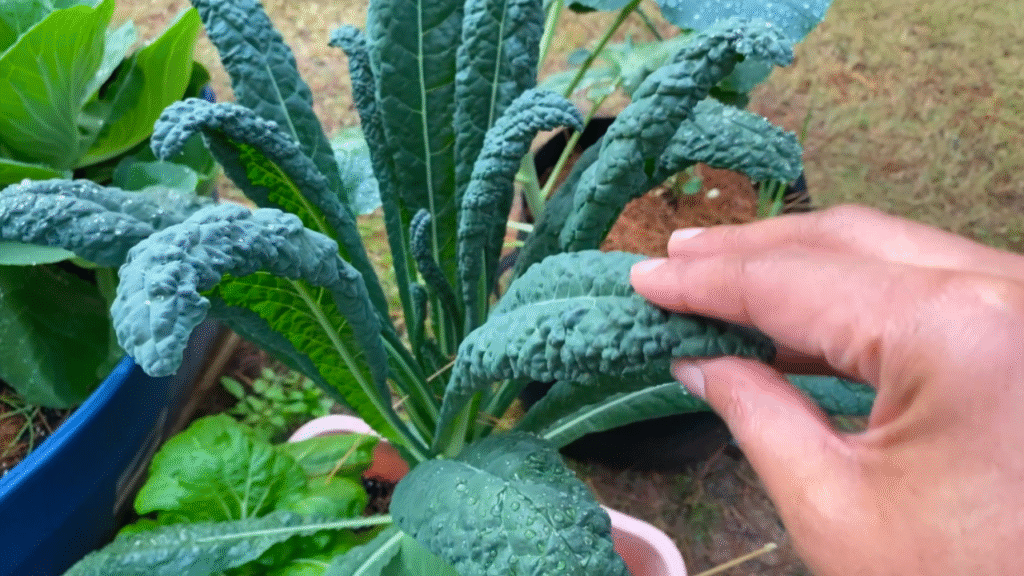
Kale: The Most Beginner-Friendly Green
Kale is always the first leafy green I recommend to new gardeners. It’s resilient, forgiving, and incredibly productive.
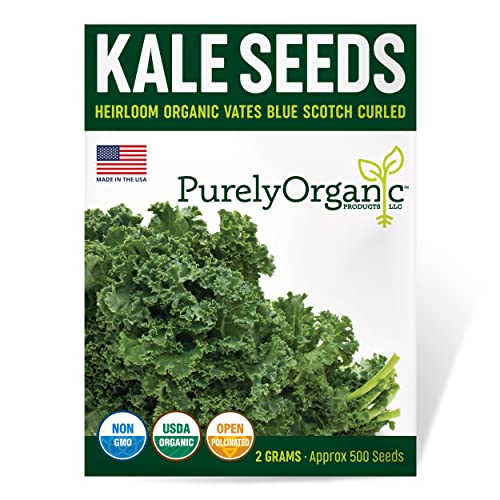
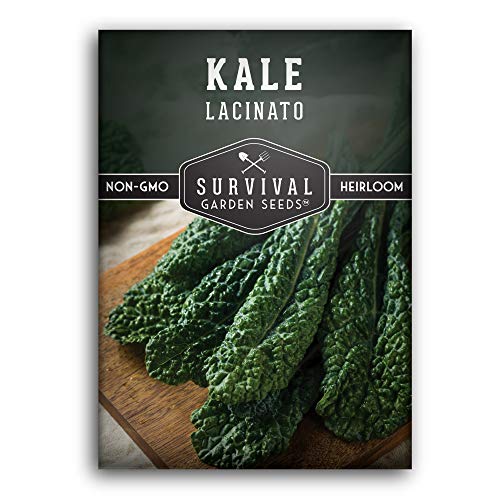
What makes kale stand out:
- It germinates quickly and grows steadily
- It tolerates cooler temperatures with ease
- Flavor improves in cooler conditions
- Harvesting encourages continued growth
Once kale gets going, it produces for months. You don’t harvest it once and remove it, you harvest it over and over again. For beginners, that kind of return builds confidence and reinforces that the effort is worth it.
Swiss Chard: A Reliable, Productive Option
Swiss chard is another excellent January green, especially if you want something that feels a little different but still performs well in containers.
Why Swiss chard is worth growing:
- Strong, upright growth
- Tolerates a wide range of conditions
- Produces large, usable leaves
- Continues growing after harvest
It’s one of those plants that quietly does its job without much fuss, which makes it ideal for gardeners who want consistency.
Spinach: Worth Trying, Even If It’s Tricky
Spinach can be a bit more challenging, but January is still the best time to attempt it. Cooler conditions give spinach a better chance to establish before heat becomes an issue.
Key things to know about spinach:
- Germination can be slow or uneven
- Seeds often benefit from pre-treatment methods
- Consistent moisture is critical
- Early starts improve success rates
Spinach has taught me that gardening isn’t about instant success. It’s about experimenting, learning, and trying again. Even partial success is progress, and January gives you the breathing room to figure out what works.
Leafy greens are proof that starting small doesn’t mean thinking small. By focusing on these crops first, you create early wins, build confidence, and establish a rhythm that carries you smoothly into the rest of the growing season.


Brassicas: Slow-Growing Crops That Need a January Head Start
Brassicas are not flashy in the beginning. They don’t pop up overnight, and they don’t reward impatience. But when they’re started at the right time (especially in January) they become some of the most reliable, productive crops you can grow, even in containers. If you’re serious about learning what to plant in January, brassicas deserve a permanent spot on your list.
These crops take their time. That slow pace is exactly why starting them early matters.
Why Brassicas Are Perfect for January Planting
Brassicas benefit more from timing than almost any other plant group. Starting them in January gives them what they need most: time.
Key reasons January works:
- They grow slowly and need a long season
- Many struggle if temperatures warm too quickly
- Early starts support better head formation
- Container-grown brassicas need strong roots early
By planting now, you’re allowing these plants to mature before heat stress becomes an issue.
Cauliflower: Be very Patient
Cauliflower is one of those crops that tests your trust in the process. For months, it can look like nothing is happening. Leaves grow, stems thicken, and still…no head.
That’s normal.
Important things to know about cauliflower:
- It takes several months to form a head
- Growth feels invisible at first
- Consistent conditions matter more than speed
- Early planting improves success dramatically
When cauliflower finally forms a crown, it feels like a victory you earned. Starting it in January gives it the runway it needs to develop fully before warmer temperatures interfere with head formation.
Bok Choy: Fast-Growing but Sensitive
Bok choy behaves very differently from cauliflower, even though they belong to the same plant family. It grows quickly, but that speed comes with sensitivity.
What bok choy needs:
- Early planting to avoid heat stress
- Short indoor time before transplanting
- Quick transitions from seedling to garden
- Close monitoring to prevent bolting
Bok choy doesn’t tolerate lingering indoors for too long. Once it germinates, it needs to move forward. January planting works because it allows bok choy to grow during cooler conditions, which helps prevent premature flowering.
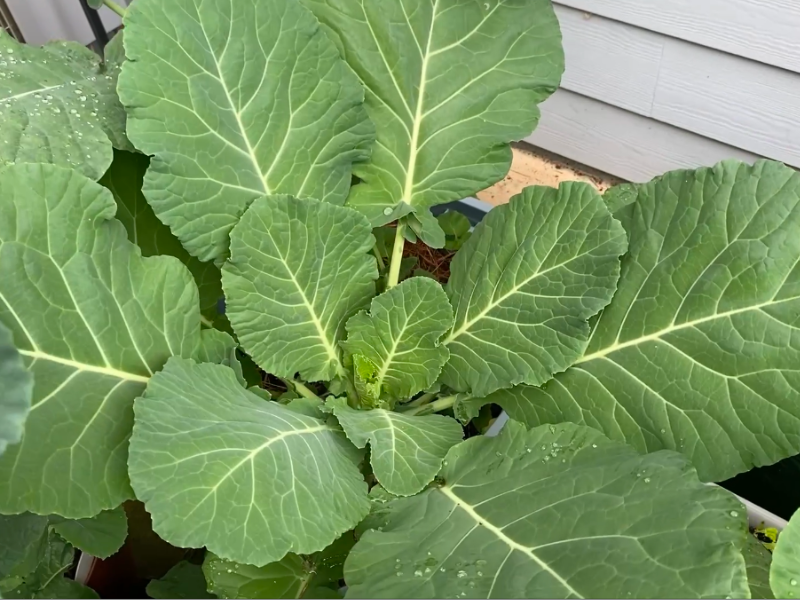
Collard Greens: Long-Term Producers in Containers
Collards are one of the most rewarding brassicas you can grow, especially in a small-space garden. Once established, they produce steadily and consistently for months.

Why collards are ideal for beginners:
- Extremely forgiving
- Productive over a long period
- Adapt well to containers
- Continue producing with regular harvests
Starting collards in January allows them to build strong roots early. That strength pays off later when they’re producing leaf after leaf without slowing down.
Mustard Greens: Fast, Flavorful, and Time-Sensitive
Mustard greens are quick growers, but that doesn’t mean they should be planted late. They bolt easily if temperatures rise too soon.
Why January is ideal:
- Cooler conditions slow bolting
- Early maturity improves flavor
- Shorter growing cycle fits small spaces
- Works well for succession planting
Starting mustard greens now gives them time to mature fully before heat disrupts their growth.

Broccoli: Timing Determines the Harvest
Broccoli is another crop where timing makes or breaks success. When temperatures rise too quickly, heads can loosen, become uneven, or fail to form properly.
What broccoli needs:
- Long, steady growth period
- Consistent soil moisture
- Cooler temperatures during head formation
- Early planting for structural strength

Starting broccoli in January allows it to mature gradually and develop tighter, healthier heads. It also helps stagger plantings so you’re not harvesting everything at once.

Why Brassicas Matter in a Small-Space Garden
When space is limited, every plant has to earn its place. Brassicas do that by producing heavily, lasting longer, and rewarding patience.
January planting helps:
- Spread out harvest windows
- Prevent overcrowding later
- Improve plant health before transplanting
- Reduce frustration during Spring
Brassicas teach one of the most valuable lessons in gardening: slow doesn’t mean unproductive. By starting them early, you’re giving yourself (and your garden) the structure needed for a smoother, more successful season ahead.
Cabbage and Lettuce: Crops That Build Gardening Confidence
Some crops don’t just feed you, they change how you see yourself as a gardener. Cabbage and lettuce fall into that category. They’re familiar, practical, and deeply satisfying to grow, especially when started at the right time. In January, these crops serve an important role: they build confidence through steady, visible progress.

Cabbage: From Store-Bought to Seed-Grown
Cabbage was one of the crops that shifted my mindset from buying plants to growing them myself. For a long time, I relied on transplants because starting cabbage from seed felt intimidating. Once I finally tried it, everything changed.
Why starting cabbage in January works:
- Cabbage needs a long, cool growing period
- Early starts allow full head development
- Slow growth is normal and expected
- Containers support steady, controlled growth
Watching a cabbage form a solid, harvestable head from something so small is incredibly rewarding. It reinforces that patience and timing matter more than experience.

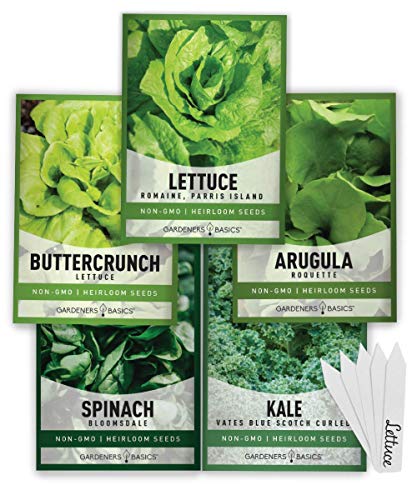
Lettuce: Reliable, Flexible, and Forgiving
Lettuce is one of the most adaptable crops you can grow, which makes it ideal for both beginners and small-space gardeners. It doesn’t demand perfect technique, and it offers flexibility in how it’s harvested.
Why lettuce belongs in a January plan:
- Thrives in cooler temperatures
- Allows for multiple harvests
- Works well in shallow containers
- Supports succession planting
Instead of waiting for a single harvest, lettuce lets you pick outer leaves while the plant continues growing. This ongoing reward keeps gardening momentum strong.

Why These Crops Reduce Beginner Overwhelm
Cabbage and lettuce simplify early-season decision-making. They don’t require constant adjustment, and they grow at a pace that’s easy to follow.
What they offer new gardeners:
- Predictable growth patterns
- Clear visual milestones
- Fewer timing mistakes
- High success rates when started early
When you know what to plant in January, and you see it working, fear begins to fade. These crops provide reassurance that gardening doesn’t have to be complicated to be successful.
Cabbage and lettuce prove that you don’t need rare plants or advanced techniques to feel accomplished in the garden. Sometimes, the most familiar crops are the ones that teach the strongest lessons and keep you coming back season after season.
Herbs to Start in January (Especially Cilantro)
Herbs are often overlooked when people think about what to plant in January, but they play an important role in building a balanced, productive garden. They don’t take up much space, they grow well in containers, and they offer a big return for a relatively small effort. Starting herbs early also gives them time to establish strong roots before warmer weather speeds everything up.
Why January Works Well for Herbs
Herbs tend to germinate slowly and can be particular about their conditions. Starting them in January allows you to focus on their needs without competing with a full Spring planting schedule.
Benefits of starting herbs now:
- More time for slow germination
- Stronger root systems before transplanting
- Better adaptation to containers
- Less stress later in the season
This slower pace makes herbs easier to manage, especially for beginners.
Cilantro: The Herb That Changed My Perspective
Cilantro is one of those herbs people either love or avoid growing because it can feel unpredictable. Through experience, I’ve learned that timing and planting method matter more than anything else.
What has worked for me:
- Starting cilantro early in the season
- Surface sowing rather than burying seeds
- Allowing outdoor conditions to assist germination
- Keeping soil consistently moist
Cilantro doesn’t like to be disturbed, and it doesn’t appreciate heat. Giving it a January start allows it to grow during cooler conditions, which improves both growth and flavor. This approach has made cilantro feel far less intimidating and far more reliable.
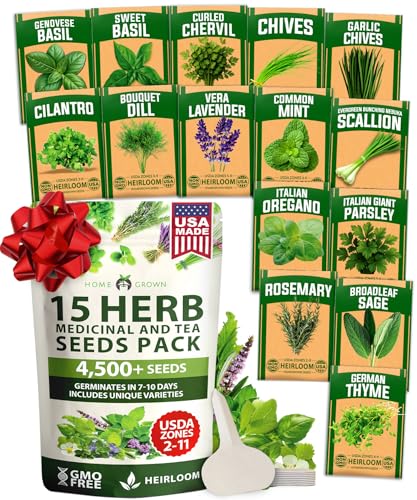
Oregano and Parsley: Slow, Steady, and Worth It
Oregano and parsley require patience, but they reward consistency. These herbs don’t rush, and they shouldn’t be rushed.
Important things to know:
- Germination can take longer than expected
- Soil moisture must stay consistent
- Growth may appear slow at first
- Early planting improves long-term performance
Once established, these herbs become dependable additions to a container garden. They may not offer instant results, but they provide lasting value throughout the season.
Why Herbs Belong in a Small-Space Garden
Herbs are proof that productivity isn’t about size. Even a few containers can supply a steady harvest.
Herbs help small-space gardeners:
- Maximize limited growing areas
- Add variety without crowding
- Gain confidence through low-risk planting
- Build gardening habits early in the year
By including herbs in your January plan, you’re creating balance in your garden and setting yourself up for a smoother, more manageable growing season ahead.
How Starting in January Reduces Overwhelm
One of the biggest reasons people hesitate to start a garden is the fear of feeling overwhelmed. There’s a lot of information, a lot of timing decisions, and a lot of pressure to “get it right.” Starting in January naturally softens all of that. Instead of trying to do everything at once, you’re spreading the work out in a way that feels manageable and intentional.
January planting slows the pace. You’re working with fewer crops at a time, which makes it easier to pay attention to what’s actually happening. You notice how long seeds take to germinate, how moisture affects growth, and how different plants respond to their environment. This kind of observation builds understanding without stress, and it makes later decisions feel less intimidating.
For container and small-space gardeners, this early start is especially helpful. Space limitations force prioritization, and January gives you time to plan rather than react. You can think through which plants will move outside first, which ones will take longer, and how to rotate containers without feeling rushed. Instead of overcrowding your space in Spring, you’re easing into it with clarity.
Knowing what to plant in January also removes a major mental barrier. You’re no longer guessing or second-guessing every decision. You’re following a clear path, one step at a time. That structure turns gardening into something steady instead of chaotic. By the time Spring arrives, you’re not overwhelmed, you’re prepared, confident, and already connected to your garden in a meaningful way.
The Tool That Keeps Me From Guessing Every Month
One of the hardest parts of gardening (especially when you’re new or working in a small space) is knowing what to plant and when. Without a clear plan, it’s easy to second-guess yourself, plant too early, plant too late, or skip planting altogether out of uncertainty. That’s where having a simple, zone-based guide becomes incredibly helpful.
A monthly planting guide takes the guesswork out of the process by showing you exactly what to plant each month based on your growing zone. Instead of trying to remember frost dates, temperature ranges, or scattered advice from different sources, you can focus on one month at a time. This makes gardening feel far less overwhelming and much more approachable, especially if you’re just starting out.
For container and small-space gardeners, this kind of structure is especially valuable. Space is limited, so timing matters. Knowing what to plant each month allows you to plan rotations, avoid overcrowding, and make the most of every container you have. You’re no longer reacting to the season, you’re working with it.
When you know what’s coming next, gardening becomes more enjoyable and more productive. A monthly, zone-based guide keeps you moving forward with confidence, helping you grow more food while feeling supported and informed every step of the way.
If You’re New to Gardening, January Is a Gentle Place to Start
January doesn’t demand perfection, experience, or a large garden. It simply offers an opportunity to begin. Starting your garden now allows you to move into the growing season with intention instead of urgency, and with confidence instead of confusion. Each seed you plant in January is a small investment in a calmer, more manageable Spring.
By focusing on the right crops at the right time (especially those suited for containers and small spaces) you create a rhythm that carries you through the season. Leafy greens provide early wins, brassicas reward patience, and herbs add balance and versatility. Together, they form a foundation that supports steady growth rather than rushed decisions. Understanding what to plant in January turns gardening into a process you can follow, not a puzzle you have to solve on your own.
Gardening is a learning experience, and mistakes are part of that journey. What matters most is showing up, paying attention, and giving yourself permission to grow alongside your plants. January makes room for all of that. It gives you time to observe, adjust, and build confidence before the pace of the season picks up.
If you’ve been waiting for the “right time” to start gardening, this is it. January isn’t too early, it’s an invitation.
This post may contain affiliate links, which means I may earn a small commission at no extra cost to you if you choose to make a purchase through them.