Skip to content
When I first started gardening, I thought any container that held soil could be used to grow vegetables. But recently, I discovered something that changed how I approach my container garden forever. If you’re growing food in buckets — especially those bright orange ones from Home Depot — this post is for you.
Let’s talk about a crucial but often overlooked topic: food grade containers for growing vegetables. Not all buckets or containers are created equal, and using the wrong ones can expose your plants — and ultimately your body — to chemicals that shouldn’t be anywhere near your food.
In this post, I’ll walk you through what I learned, how to know if a container is food grade, and what to do if you’re already using non-food-safe options (like I was!). Whether you’re new to gardening or a seasoned grower looking to optimize your setup, this is a conversation that needs to be had — because your health and your harvest matter.
My Wake-Up Call: The Orange Bucket Dilemma
If you’re new here, my name is Flur, and I’m passionate about helping others grow their own food — especially in small spaces and containers. I made this discovery during a regular day of gardening when one of my TikTok followers dropped a comment: “You know those orange Home Depot buckets aren’t food grade, right?”
Wait. What?
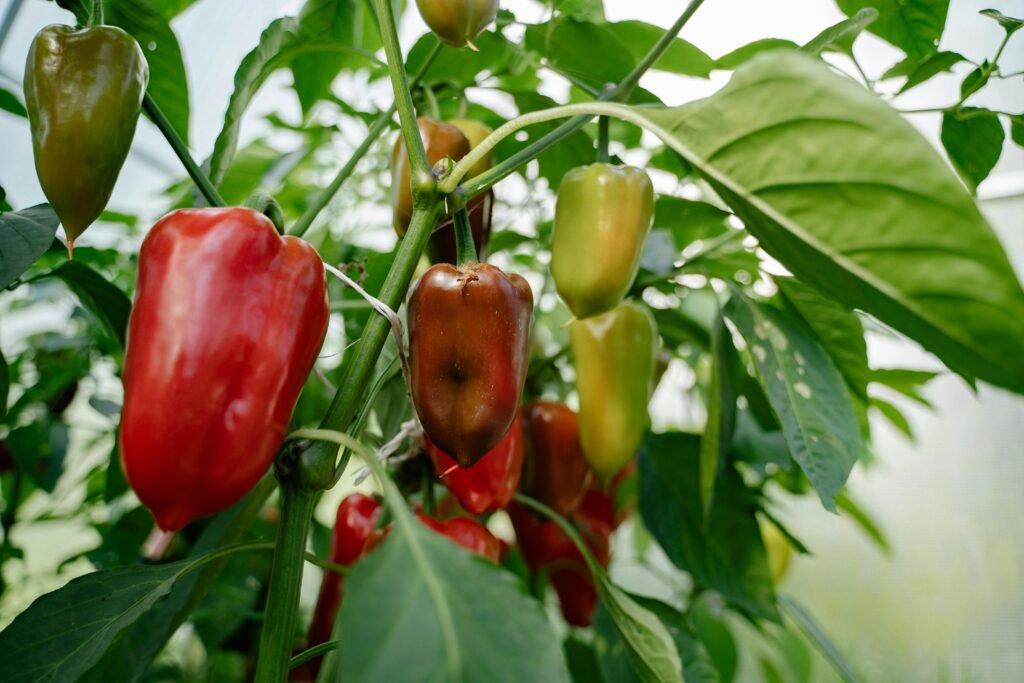
Like many gardeners, I had several of these buckets in my garden. I had sweet bell peppers, a cucumber, and even some oregano happily growing in them. I had plans to use even more of these orange buckets to expand my container garden. But that comment sent me down a rabbit hole of research — and I’m so glad it did.

Not All Containers Are Safe for Growing Food
The short version? The standard orange buckets sold at Home Depot are not considered food grade. They’re made of a type of plastic called polypropylene, which isn’t approved for storing or growing food. Over time — especially when exposed to sunlight, heat, and the elements — chemicals from the plastic can leach into your soil. That means those chemicals can end up in your food.
I was shocked. I had never seen a warning on the bucket. I’d seen so many others doing it. And honestly? I felt a little discouraged. But I quickly shifted my mindset — because learning this now meant I could protect my garden (and my health) going forward.
What I’m Doing With My Non-Food-Safe Buckets
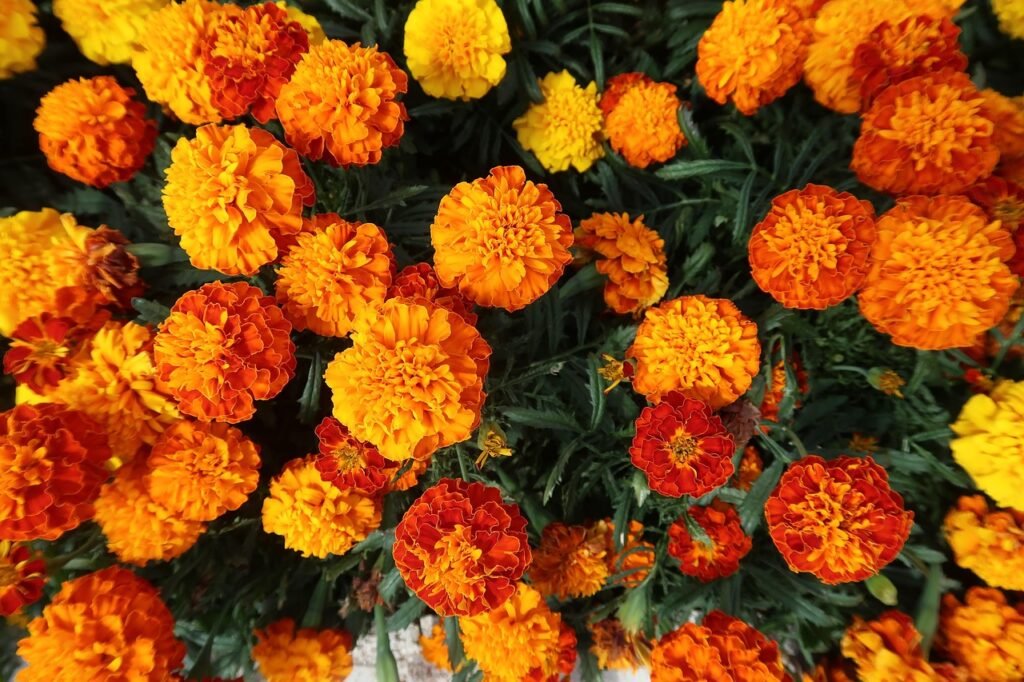
Right now, the orange buckets that already have food growing in them — I’m letting those crops finish. I’ll harvest the peppers and herbs, but after that, I won’t be using those buckets for food anymore. Instead, I’ve repurposed them for flowers! Bright, bold marigolds, sunflowers, and other non-edibles that bring pollinators and beauty to my garden will take their place.
This small shift helps me still make use of the containers I already own, while making more intentional choices going forward.
So, What Exactly Makes a Container “Food Grade”?
The term “food grade” refers to containers that are safe for storing or growing food without risk of chemical contamination. These containers are made of specific types of plastic that don’t leach harmful substances under normal conditions — even in heat or sunlight.
To check if a container is food grade, flip it over and look at the recycling code on the bottom. Here’s a quick guide:
| Number | Plastic Type | Food Grade? |
|---|---|---|
| 1 | PET or PETE | Yes |
| 2 | HDPE | Yes |
| 4 | LDPE | Yes |
| 5 | Polypropylene | Not always – proceed with caution |
| 3, 6, 7 | PVC, PS, Other | No |
So if you’re in doubt, look for containers marked with a 1, 2, or 4. These are the most commonly accepted food grade containers for gardening, especially for growing vegetables.

Where to Buy Food Grade Containers for Your Garden
If you shop at Home Depot (like I do), here’s what you need to know:
- The white buckets sold at Home Depot are food safe — just make sure they are labeled as such.
- Look for a label or stamp that clearly says “Food Safe” or “BPA-Free” along with the recycling code.
- If the label isn’t clear, don’t hesitate to ask an associate or check the product description online.
Other reliable sources for food grade containers include:
- Lowe’s
- Tractor Supply
- Uline (they carry FDA-approved buckets)
- Restaurant supply stores
- Online retailers (just search for “food grade buckets for gardening”)
Why Food Grade Containers for Growing Vegetables Really Matter
At first, it might feel like overkill — especially if your plants look healthy. But here’s the thing: chemical leaching is invisible. You can’t see it happening. You won’t smell it. And it’s more likely to occur over time, especially when containers sit in direct sunlight, heat up, or get reused season after season.
This is especially important if you’re growing food for children, elderly family members, or anyone with sensitivities to toxins.
Choosing the right containers is a simple, proactive step to keep your homegrown food as safe and healthy as possible.
Extra Tips for Safe Container Gardening
Even with food grade containers, here are a few extra tips to protect your plants and your health:
- Avoid long-term direct sun on plastic containers. UV rays can break down even food-safe plastic over time.
- Use liners or shade cloth if your buckets are out in full sun all day.
- Rotate containers every season to reduce wear and tear.
- Don’t reuse old chemical containers, even if the plastic type is safe — residue can remain.
- Wash new containers before planting. Even food-safe buckets should be cleaned before use to remove manufacturing residues.
Want to Grow Food in Recycled Containers? Here’s How to Do It Safely
You don’t need to spend a fortune to grow your own food. If you want to recycle or upcycle containers, just be intentional about your choices. Here’s how:
- Check the recycling code (look for 1, 2, or 4).
- Make sure it’s never held chemicals, paint, or oil.
- Clean it thoroughly with hot, soapy water.
- Drill drainage holes at the bottom.
- Consider lining the inside with landscape fabric if you’re unsure about long-term leaching.
Some surprising food grade options include:
- Yogurt containers (larger ones for herbs or greens)
- Restaurant food buckets
- BPA-free storage bins
- Food-safe tote bins (especially popular for larger crops like potatoes or carrots)
You’re Not Alone If You Didn’t Know
This part is personal — I truly didn’t know. And it turns out, a lot of other gardeners didn’t either. We often see others using bright orange buckets and assume it’s safe because it’s common. But the truth is, gardening is a learning journey. We pick up information as we go.
So if you’ve been using non-food-safe containers, don’t feel discouraged. You’re not behind — you’re learning. That knowledge will now help you make better decisions that protect your family, your plants, and your peace of mind.
What I’m Doing Going Forward
- I’m finishing the harvest from my current buckets.
- I’ve repurposed the non-food-safe ones for flowers and pollinator plants.
- I’m buying white food-safe buckets for all future edible crops.
- I’m double-checking every container I add to my garden from now on.
- And most importantly — I’m sharing what I learn with others like you.
Final Thoughts: Growing with Intention
If you’ve read this far, I hope you walk away feeling more confident and informed. Whether you’re growing tomatoes on a patio, herbs on a balcony, or lettuce in a backyard — your container choice matters.
Using food grade containers for growing vegetables is one of the simplest ways to protect your harvest and your health. And remember, it’s not about being perfect. It’s about growing smarter with every season.
You’ve got this. And your garden will thank you for it.
Save This Quick Checklist for Food Safe Gardening:
- Check recycling code (look for 1, 2, or 4)
- Avoid containers that held chemicals
- Don’t use brightly colored construction buckets unless labeled food safe
- Shade or line plastic containers if exposed to sun
- Wash new buckets before planting
- Repurpose non-food-safe containers for flowers or tools
My Recommended Food Grade Growing Containers/ Grow Bags:
- Fabric Grow Bags — breathable, safe, and reusable
- Stackable Vertical Garden Towers
If this article helped you, feel free to share it with another gardener. And if you want to follow my gardening journey, I’d love to have you join me on YouTube. Keep learning. Keep growing. Keep playing in the dirt.
*This post contains affiliate links, which means I may earn a small commission at no extra cost to you.*