Skip to content
March always feels like a turning point in the garden. The cold, slow days of Winter start to fade, the soil begins to warm up, and suddenly the plants that looked like they were barely moving in February start waking up. If you’ve been growing cool-weather crops like leafy greens or brassicas, you might already notice that they’re beginning to take off. At the same time, March is when many gardeners start thinking ahead to Summer. It’s the month where two seasons overlap: cool crops are still thriving outdoors while warm crops are getting their head start indoors.
In my garden, March is when things start to feel exciting again. I’m walking around checking on my containers, noticing which plants survived the cold, and deciding what seeds I should be dropping next. Some crops are ready to be planted directly outside, while others, like tomatoes, peppers, and eggplants, need to be started indoors first so they have enough time to grow into strong plants before they move out to the garden.
If you’re brand new to gardening, this time of year can also feel a little confusing. You might be wondering what you should plant now, what should wait, or whether you’ve already missed your chance. The good news is that March is actually one of the best months to start building momentum in your garden. In this article, I’m sharing exactly what I’m planting in my garden this month, what beginners can start right now, and how even small-space or container gardeners can grow food successfully.

Why March Is One of the Most Important Months for Gardeners
March is one of the most important months in the garden because it sits right between Winter and Spring. It’s what I like to call a transition month. The weather is slowly warming up, the soil is starting to wake up, and plants that struggled through the cold months suddenly begin to grow faster. If you planted cool-weather crops earlier in the season, this is the time when you’ll start seeing real progress.
In February, many plants grow slowly because temperatures are still on the colder side. But in March, when the days become a little longer and the soil begins to warm, those same plants start to take off. At the same time, gardeners also begin preparing for the Summer season by starting warm-weather crops indoors.
Here are a few key things that are happening in the garden during March:
- The soil is warming up.
While it’s not hot yet, the soil is gradually becoming warmer, which helps seeds germinate more easily and encourages plants to grow faster. - Cool-season crops begin to thrive.
Crops like leafy greens and brassicas often grow slowly in Winter, but March is when they really begin to take off. - Warm-season crops get their head start indoors.
Plants like tomatoes, peppers, and eggplants need time to grow before they are transplanted outside. Starting them indoors now gives them the strong start they need. - Pest activity begins to increase.
As temperatures rise, insects and garden pests become more active, which means gardeners should begin paying attention to plant protection.
One of the biggest mistakes beginner gardeners make is waiting until Summer to plant everything. Many crops actually need to be started weeks in advance. March gives you the opportunity to get ahead so your garden is ready for the growing season.
Leafy Greens You Should Be Growing in March
If you’re looking for crops that are beginner-friendly, productive, and perfect for containers or small spaces, leafy greens are some of the best vegetables you can grow in March. Most leafy greens thrive in cooler temperatures and actually struggle when the weather becomes too hot. That’s why early Spring is the perfect time to plant them.
One thing I’ve learned during my gardening journey is that leafy greens can be incredibly rewarding. Many of them grow quickly, they don’t require large containers, and you can harvest them multiple times throughout the season. In my own garden, leafy greens make up a big portion of what I grow in the early part of the year.
Below are some of the leafy greens I’m growing in my garden right now and why March is the perfect time to plant them.
Spinach

Spinach is one of those crops that loves cool weather. In fact, spinach seeds actually germinate best in cool soil, which makes early Spring the perfect time to plant them.
Now I have to be honest here – spinach has been one of the crops I’ve struggled with the most.
If you’ve been following my gardening journey, you already know I’ve tried multiple methods to get spinach to grow. I tried starting spinach indoors, I experimented with cold stratification in the refrigerator, and I even attempted growing them in my hydroponic system. Despite all of that effort, germination has been slow and frustrating.
But that’s one thing gardening teaches you: persistence.
If you’re planting spinach in March, here are a few tips that can help improve your chances of success:
- Soil: Use a well-draining potting mix that contains compost or organic matter. Spinach prefers soil that stays moist but not soggy.
- Container size: A container that is at least 6-8 inches deep works well.
- Fertilizer: A balanced fertilizer such as a 4-4-4 organic fertilizer works well for leafy greens.
- Sunlight: Spinach grows best in partial to full sun, especially during cooler months.
If starting from seed feels difficult, there’s absolutely nothing wrong with buying spinach transplants from a garden center and planting them directly into your containers.
Arugula
Arugula is another leafy green that grows very well in cool weather. It’s known for its peppery flavor, which many people enjoy adding to salads.
I actually had success growing arugula in the past, but I never made it to harvest. The weather shifted unexpectedly, and my plants didn’t survive long enough for me to enjoy them. Gardening has a way of humbling you sometimes.
One thing to keep in mind with arugula is that temperature affects its flavor. When the weather becomes hot, arugula can turn very spicy or bitter. That’s why planting it in March is ideal.
Here are some growing tips:
- Soil: A nutrient-rich potting mix with compost works best.
- Spacing: Sow seeds about 1 inch apart and thin as they grow.
- Fertilizer: Use a light feeding of liquid fertilizer every 2-3 weeks.
- Harvest method: Harvest outer leaves first to encourage continued growth.
Arugula grows quickly, which makes it a great confidence booster for beginner gardeners.
Lettuce
Lettuce is one of my favorite crops to grow because it’s extremely beginner-friendly and very productive in containers.

Right now in my garden, I have two varieties growing:
- Loose leaf lettuce
- Red romaine lettuce
I actually started some of my lettuce indoors using a hydroponic setup before transferring them into containers outside. They’ve only been in their containers for about a week, but they’re already adjusting well to the garden.
Lettuce is perfect for container gardeners because it doesn’t need a lot of space.
Helpful growing tips include:
- Soil: Use a high-quality potting mix with compost or worm castings.
- Container size: A container that is 6-10 inches deep works well.
- Watering: Lettuce prefers consistently moist soil.
- Fertilizer: A balanced organic fertilizer or liquid fish fertilizer works well.
One of the best parts about growing lettuce is the cut-and-come-again harvest method. Instead of harvesting the entire plant, you can harvest the outer leaves and allow the center to continue growing.
Swiss Chard
This year is actually my first time growing Swiss chard, and I’m excited to see how it performs in my garden.
Swiss chard is a fantastic leafy green because it is more heat tolerant than many other greens, which means it can continue producing even as temperatures begin to rise.
I started my Swiss chard indoors about a month ago and recently transferred the seedlings outside into containers.
Here are some tips for growing Swiss chard successfully:
- Soil: Well-draining soil rich in compost works best.
- Container size: Swiss chard grows well in containers that are at least 8-10 inches deep.
- Fertilizer: Apply an organic fertilizer every 3-4 weeks to encourage strong leaf growth.
- Sunlight: Swiss chard can tolerate both full sun and partial shade.
Swiss chard also produces large, colorful leaves that make it both productive and visually beautiful in a garden.

Mustard Greens
If you want a crop that grows quickly and produces a lot of food, mustard greens are an excellent option.
In my garden right now, I have mustard greens growing in several containers, and honestly, I may have planted more than I realized because they seem to be everywhere.
Mustard greens grow quickly and are very forgiving for beginners.
Growing tips include:
- Soil: Loose, well-draining soil with compost added.
- Spacing: Seeds can be sown close together and thinned as they grow.
- Fertilizer: A nitrogen-rich fertilizer encourages strong leaf growth.
- Harvest: Leaves can be harvested young for a milder flavor.
Mustard greens are also very productive, meaning even a few plants can produce a good amount of food.
Leafy greens are one of the easiest ways to build confidence as a gardener. Many of these crops grow quickly, adapt well to containers, and allow you to harvest multiple times throughout the season. If you’re just starting your gardening journey, planting leafy greens in March is a great way to get started and begin enjoying fresh harvests from your own garden.
Brassicas That Thrive in Early Spring
Another group of crops that thrive during the cooler months are brassicas. These vegetables are known for being cold-tolerant and productive in early Spring, which makes March a great time to plant them. If you’re gardening in containers or small spaces like I am, brassicas can be incredibly rewarding because many of them grow quickly and produce a good amount of food before the heat of Summer arrives.
In my garden right now, I have several brassica crops growing, and they’ve been doing surprisingly well. Some of them were started indoors about a month ago and then transplanted outside into containers, while others can be direct sown right in the garden during March.
Here are the brassicas I’m growing and why they’re great choices for beginner gardeners.
Kale
Kale is one of those crops that I absolutely love growing. This is actually my second time growing kale, and I’ve learned that timing is everything with this plant.
Kale grows best in cooler temperatures, which is why starting it in early Spring gives you the best results. If you wait too long and the weather becomes too hot, the leaves can become tougher and the plant may not produce as well.
In my garden, I started my kale seeds indoors about a month ago and recently transferred the seedlings outside into containers. Since the weather has been warming up slightly, they’ve been adjusting well.
Here are some tips if you want to grow kale successfully:
- Soil: Use a nutrient-rich potting mix with compost mixed in.
- Container size: Kale grows well in containers that are 10-12 inches deep.
- Fertilizer: Kale benefits from a balanced organic fertilizer every 3-4 weeks.
- Sunlight: Full sun to partial shade works well.
Kale is also a cut-and-come-again crop, meaning you can harvest the outer leaves while allowing the center to keep producing.
Collards
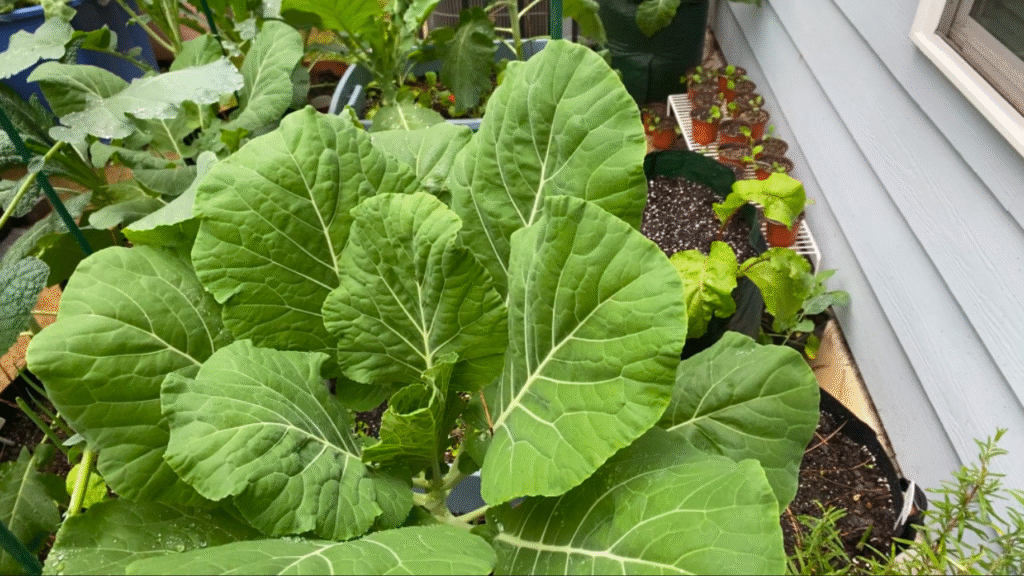
If you could see my garden right now, you’d probably laugh because I have collards everywhere.
Some of the collards in my containers were purchased as transplants, but most of them were actually grown from seed. I planted them in several different containers around my garden, and they’ve been doing really well so far.
Collard greens are a fantastic crop for beginner gardeners because they are hardy and productive. They can tolerate cooler temperatures, and they can also handle some heat, which means they have the potential to produce for a long time.
One thing I’m experimenting with this year is seeing if I can grow collards throughout the entire season.
Tips for growing collards include:
- Soil: A well-draining potting mix with compost added.
- Container size: Collards grow best in containers that are 12 inches deep or larger.
- Fertilizer: Use a nitrogen-rich fertilizer to encourage leafy growth.
- Watering: Keep soil consistently moist but not waterlogged.
In a container garden, even one or two collard plants can produce a lot of leaves over time.
Bok Choy
Bok choy is another crop that I really enjoy growing because it’s fast-growing and beginner-friendly.
Right now I have bok choy seedlings that are still growing indoors, and I plan to transfer them outside in about a week. One thing I’ve learned from experience is that bok choy can bolt quickly when the weather becomes too hot, which means it starts producing flowers instead of leaves.
That’s why planting it in March is ideal.
Here are a few growing tips:
- Soil: Use loose, fertile soil with compost.
- Container size: Bok choy grows well in containers that are 6-8 inches deep.
- Sunlight: Full sun or partial shade works well.
- Fertilizer: Feed with a balanced fertilizer every few weeks.
If you’ve never grown bok choy before, it’s a great crop to try because it grows quickly and produces a nice harvest.
Cabbage
Cabbage is another brassica that you can grow during this time of year, especially if you live in a climate similar to mine in Zone 8.

One thing I recommend for beginners is to buy cabbage transplants instead of starting them from seed. This gives the plant a head start and increases your chances of harvesting a full cabbage head before the heat of Summer arrives.
In my case, I started my cabbage from seed about a month and a half ago, which means they already had time to grow before being transferred into the garden.
Here are some basic cabbage growing tips:
- Soil: Rich soil with plenty of compost or organic matter.
- Container size: At least 12 inches deep and wide.
- Fertilizer: Feed with a balanced fertilizer every 3-4 weeks.
- Sunlight: Full sun for best head development.
Cabbage does require a little patience, but it can be very rewarding when you finally harvest a full head.
Protecting Brassicas From Pests
One thing I’ve already started noticing as the weather warms up is increased pest activity.
Brassicas are especially attractive to pests like aphids and cabbage worms, which means it’s important to stay ahead of the problem.
In my garden, I try to use a few different strategies to help protect my plants:
- Companion planting with herbs and alliums
- Keeping plants healthy and well-fed
- Using my cotton ball diffuser in containers as a scent-based deterrent
Healthy plants are often better at handling pest pressure, so keeping your soil healthy and feeding your plants regularly can make a big difference.
Brassicas are some of the most reliable crops you can grow in early Spring. They tolerate cooler temperatures, adapt well to containers, and can provide a steady harvest before Summer heat begins to take over the garden. If you’re gardening in a small space, adding a few brassica plants to your containers can be a great way to grow nutritious food right at home.
Root Crops You Can Start in March
Root crops are another group of vegetables that grow very well in the cool conditions of early Spring. Unlike leafy greens and brassicas, which grow above the soil, root crops develop underground. That means timing matters even more because warm weather can quickly affect their flavor and texture.
March is a great time to plant many root vegetables because the soil is beginning to warm slightly, but it’s still cool enough for these crops to grow properly. If you wait too long and temperatures start rising, some root crops can become woody, bitter, or cracked.
In my own garden, I try to be intentional about what I grow. I’ve learned that it’s easy to plant crops simply because they’re popular, but over time I’ve started focusing more on growing foods that I actually enjoy eating.
Here are a couple of root crops that can be planted in March and what my experience with them has been.
Radishes
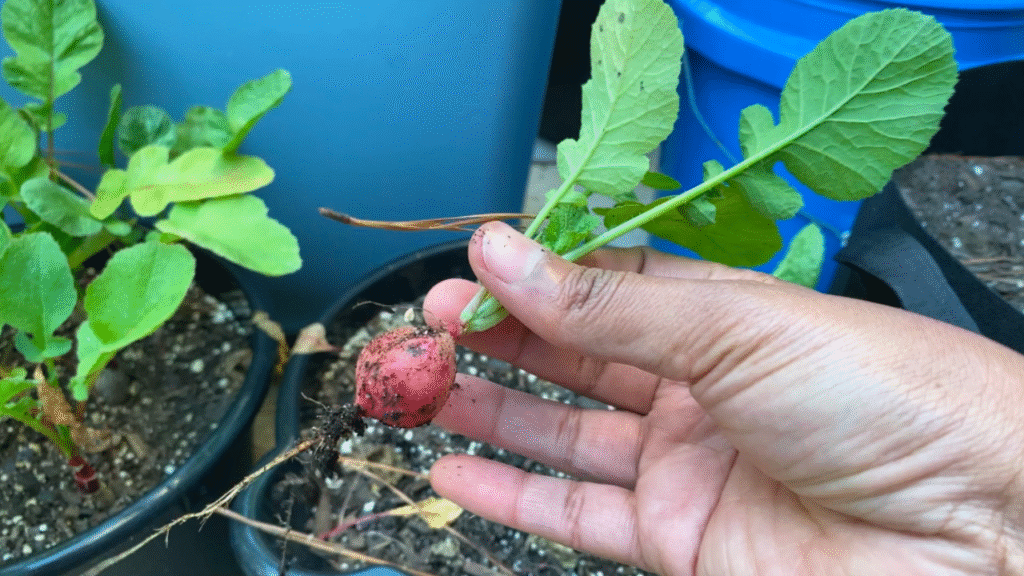
Radishes are often recommended as one of the best crops for beginner gardeners, and there’s a good reason for that. They grow quickly and can often be ready to harvest in about three to four weeks.
Even though radishes are easy to grow, I’ve realized that they’re not something I eat very often. Because of that, I decided not to plant them this season. I’ve grown them before, and while they were fun to grow, they just weren’t something I reached for in the kitchen.
However, if you’re new to gardening, radishes can still be a great crop to try because they help you learn the basics of seed germination and harvesting.
Here are a few tips if you decide to grow radishes:
- Soil: Loose, well-draining soil is essential so the roots can develop properly.
- Container size: Radishes grow well in containers that are 6-8 inches deep.
- Spacing: Seeds can be sown about 1 inch apart.
- Fertilizer: Radishes typically do not require heavy fertilizing. A compost-rich soil is usually enough.
When temperatures start rising, radishes can become bitter and woody, and the roots may begin to crack. That’s why March is one of the best months to plant them.
Some varieties I’ve grown before include:
- Cherry Belle
- Icicle Short Top
Both varieties grew well, but again, since radishes aren’t something I eat regularly, I’m focusing my space on other crops this season.
Beets
Beets are another root crop that can be planted during March while the soil is still cool.
I actually attempted to grow beets during the Fall season, but I didn’t end up with much of a harvest. Looking back, I realized I made a beginner mistake, I pulled the plants too early before the roots had time to fully develop.
Gardening has a way of teaching you patience.
Right now in my garden, I still have a container that originally had onions, collards, and beets planted together. At one point, there were several beet plants growing there, but after the colder weather passed through, most of them didn’t survive. There’s only one beet plant left in that container, and honestly, I’m not sure if it’s going to produce much.
Because of that experience, I decided not to focus on growing beets again this season.
But if you enjoy eating beets, March is a great time to plant them.
Here are a few tips for growing beets:
- Soil: Loose soil enriched with compost helps roots develop properly.
- Container size: Beets grow well in containers that are 10-12 inches deep.
- Spacing: Seeds should be planted about 2-3 inches apart.
- Fertilizer: A balanced organic fertilizer works well.
One important thing to remember is that beets need time to grow underground, so it’s important not to harvest them too early.
Root crops can be fun to grow, especially if you enjoy watching vegetables develop beneath the soil. Even though I’m being selective about which ones I plant this season, crops like radishes and beets can still be great options for beginner gardeners who want to experiment and learn more about how different vegetables grow.
Warm Crops to Start Indoors Right Now
March is also the time when gardeners begin thinking ahead to Summer. While cool-season crops can still be planted outside, this is the month when many warm-season crops need to be started indoors so they have enough time to grow into strong seedlings before they are transplanted outside.
One of the biggest mistakes beginner gardeners make is waiting until the weather gets hot before planting warm crops. By the time Summer arrives, it’s actually too late to start many of these plants from seed because they need several weeks to grow before they can produce fruit.
Most warm-season vegetables should be started about 6-8 weeks before your last frost date. This gives the plants time to develop strong roots and stems so they can handle the transition to the outdoor garden.
In my garden, the three warm crops I’m focusing on right now are tomatoes, peppers, and eggplants.
Tomatoes
Tomatoes are easily one of the most exciting crops to grow in the garden. I think every gardener looks forward to harvesting their own fresh tomatoes during the Summer.
This will actually be my second time growing tomatoes, and I’m hoping to have better results this year.
The first time I grew them, I did get a harvest, but it wasn’t quite what I expected. The tomatoes were much smaller than I anticipated, especially my beefsteak variety. Instead of producing large fruit, many of them ended up looking more like cherry tomatoes.
Looking back, I believe the issue may have been inconsistent watering, which can stress tomato plants and affect fruit size.
This year I’m trying several different varieties to see how they perform in my garden:
- Cherokee Purple
- Roma
- Beefsteak
- Large Red Cherry
My goal is to grow seven tomato plants in my small garden space. I’ve already designated an area in the back of my garden specifically for tomatoes, where I plan to grow six plants, and I’ll add one more tomato plant in a container near the front.
For beginners who want to grow tomatoes from seed, here are a few helpful tips:
- Soil: Use a high-quality seed-starting mix or light potting mix that drains well.
- Containers: Seed trays or small starter pots work well.
- Light: Seedlings need strong light, either from a sunny window or grow lights.
- Water: Keep soil consistently moist but not waterlogged.
Starting tomatoes indoors gives them the time they need to become strong, healthy plants before moving them outside.
Peppers
Peppers are another warm-season crop that should be started indoors during March. Unlike some other vegetables, pepper seeds prefer warm soil to germinate, which is why many gardeners use a heat mat when starting them.
Last season I grew two pepper varieties from seed:
- Jalapeño peppers
- Sweet bell peppers
The jalapeño plants did very well and produced multiple harvests, which made them one of my most successful crops.
The sweet bell peppers, however, didn’t perform as well as I expected. Gardening can be unpredictable sometimes, but instead of giving up, I decided to try again this year.
This season I’m adding several new varieties to my garden:
- California Wonder sweet bell peppers
- Cayenne peppers
- Habanero peppers
- Jupiter peppers
- Long thin cayenne peppers
Some of these seeds I even picked up from the Dollar Tree, which just goes to show that you don’t need expensive seeds to start a garden.
Here are a few tips for growing peppers from seed:
- Soil: Use a light seed-starting mix that drains well.
- Heat: Pepper seeds germinate best in warm soil, ideally between 75–85°F.
- Light: Once seedlings appear, they need strong light to prevent legginess.
- Fertilizer: Begin feeding lightly once seedlings develop their first true leaves.
Peppers grow slowly at first, which is why starting them indoors early is so important.
Eggplant
Eggplant is another crop that benefits from being started indoors before the outdoor growing season begins.
Last season I attempted to grow eggplants, but unfortunately I didn’t have much success. One thing I realized is that I didn’t start them early enough indoors, which may have contributed to the poor results.
This year I’m trying again, and I’m hopeful that starting them from seed indoors will make a difference.
The variety I’m growing is Black Beauty eggplant, which is one of the most common and reliable eggplant varieties.
Interestingly, I purchased two different seed packets for this crop, one from a regular brand and one from the Dollar Tree. It’ll be interesting to see if both varieties perform the same in my garden.
Here are some basic tips for growing eggplant from seed:
- Soil: Use a light seed-starting mix.
- Heat: Eggplants prefer warm conditions for germination.
- Light: Provide strong light once seedlings emerge.
- Fertilizer: Begin feeding once plants establish their first true leaves.
Eggplants tend to grow slowly, which is why starting them indoors early is important if you want to harvest them during the Summer.
Starting warm-season crops indoors in March is one of the best ways to prepare for a productive Summer garden. By giving tomatoes, peppers, and eggplants a head start, you allow them to develop into strong plants that will be ready to thrive once the weather warms up and they are moved outside into the garden.


Tips for Container and Small Space Gardeners
One thing I want to emphasize (especially if you’re new to gardening) is that you do not need a large backyard to grow food. A lot of what I grow in my own garden is in containers, grow bags, or small raised beds. If you have a balcony, patio, or even just a small corner outside, you can absolutely start growing your own food.
When I first started gardening, I thought you needed a huge garden space to be successful. But over time, I realized that small spaces can be incredibly productive if you use them intentionally.
Here are a few simple strategies that can help container gardeners succeed.
1. Choose Crops That Grow Well in Containers
Not every plant needs a large space to thrive. Many vegetables grow extremely well in containers, including:
- Leafy greens like lettuce, spinach, and mustard greens
- Brassicas like kale and collards
- Herbs like basil, thyme, and parsley
- Compact varieties of tomatoes and peppers
These crops are perfect for beginners because they are productive and relatively easy to manage.
2. Use the Right Size Containers
Container size matters more than many beginners realize. When plants have enough room for their roots to grow, they tend to be healthier and more productive.
For example:
- Leafy greens: 6-8 inch deep containers
- Peppers and eggplants: 3-5 gallon containers
- Tomatoes: 10–15 gallon containers
3. Focus on Soil Quality
In container gardening, your soil is everything. Since plants rely completely on the soil inside the container, using a high-quality potting mix with compost or organic matter can make a big difference in plant health and productivity.
Even in a small space, growing your own food can be incredibly rewarding. A few well-managed containers can produce a surprising amount of fresh vegetables throughout the growing season.
My Monthly Planting Guide (A Simple Way to Know What to Plant)
One of the biggest challenges beginner gardeners face is simply knowing what to plant and when to plant it. When I first started gardening, I remember feeling overwhelmed by all the different charts, planting calendars, and advice online. Some sources would say one thing, while others said something completely different. It made the process more confusing than it needed to be.
That’s actually one of the reasons I created my Monthly Planting Guide.
Instead of trying to remember everything or constantly searching online, the guide breaks down what you can plant month by month based on your growing zone. It also separates crops into categories like what to start indoors and what to plant directly outside, which makes planning your garden much easier.
For example, in March, especially if you’re gardening in Zone 8 like I am, you can focus on planting:
- Leafy greens and brassicas outdoors
- Root crops like radishes and beets
- Warm crops like tomatoes, peppers, and eggplants indoors
The goal of the guide is to remove confusion and give you a clear plan each month so you can move forward in your garden with confidence. If you’d like a copy for your zone, you can check out the guide linked below and use it as a simple roadmap for your growing season.
Conclusion: Let This Be the Year Your Garden Thrives
Gardening doesn’t have to start with a perfect plan, a huge backyard, or years of experience. Sometimes it simply begins with one container, one packet of seeds, and the decision to try. March is a great time to take that first step because so many crops can be planted right now, whether you’re growing leafy greens outdoors or starting warm crops like tomatoes, peppers, and eggplants indoors.
I still consider myself a new gardener (I’ve only been doing this for about a year and a half) but one thing I’ve already learned is that gardening is full of trial and error. Some crops thrive, others struggle, and sometimes plants surprise you in ways you didn’t expect.
What matters most is continuing to learn and grow along the way.
Whether you’re planting your first seed this year or adding a few new crops to your garden, my hope is that this year becomes a year where more people feel empowered to grow their own food, even if it’s just a small portion of what they eat.
This post contains affiliate links.