Skip to content
If you are wondering what to plant in May, I honestly consider this month to be one of the most important months in the garden because this is where your Summer harvest is decided. This is the transition month when we start moving away from cool-season crops and begin focusing on warm-season vegetables that thrive in heat, sunlight, and longer days.
For those of us growing in containers or small spaces, May can feel both exciting and overwhelming at the same time. There is so much to plant, so many varieties to choose from, and if you are anything like me, you may also be trying to figure out where everything is even going to go. I still sketch rough layouts of my garden because I do not always know exactly what I am planting in each container right away. Sometimes I change things as I go, and honestly, that is part of the process.

This year, I am growing several different varieties of tomatoes, peppers, cucumbers, beans, herbs, squash, and more in containers, and I am experimenting with a few new crops and setups along the way. Some plants are thriving, some are questionable, and some are giving me a hard time already. But that is the reality of gardening. You learn by doing.
If you are new to container gardening, do not let this month intimidate you. You do not need a massive garden to grow food successfully. You just need a plan, the right crops for the season, and a willingness to learn as you go.
#1. Tomatoes – Why I Recommend Buying Transplants in May
Tomatoes are probably one of the most popular vegetables people want to grow in containers, but if you are starting your garden in May, this is one crop where I highly recommend buying transplants instead of starting from seed.
I started my tomato plants indoors back in March because tomatoes take time. Most varieties need about 6 to 8 weeks indoors before they are ready to be transplanted outside. If you start them too late, especially in May, they may still be small and trying to establish themselves by the time the intense Summer heat arrives.
That is one lesson I have learned with container gardening: timing matters.
This year, I am growing:
- Super Sweet 100
- Jetstar tomatoes
The Super Sweet 100 is a cherry tomato variety that is known for being very prolific, which is exactly why I wanted to try it. When you are gardening in a small space, choosing productive varieties makes a big difference because you want the most harvest possible from each container.
If you are buying tomato transplants, here are a few things I would pay attention to:
- Look for healthy green leaves
- Avoid plants that look weak or yellow
- Check if the plant is rootbound
- Choose sturdy stems over tall, leggy growth
Container size is also important with tomatoes. One mistake beginners often make is squeezing large plants into containers that are too small. Tomatoes are heavy feeders and heavy drinkers, especially once the weather heats up.
A few things that help container tomatoes thrive:
- Large containers
- Consistent watering
- Mulch around the base
- Strong support or trellising
Once the heat and sunlight really kick in during May, tomato plants can take off quickly, especially in containers.
#2. Peppers – One of the Best High-Yield Crops for Container Gardening
Peppers are another crop that I think do incredibly well in container gardens, especially during May when the temperatures start warming up consistently. Just like tomatoes, though, peppers are slow growers, which is why I personally recommend using transplants this time of year instead of trying to start them from seed.
Peppers take a long time to mature, and if you are starting from seed in May, you may end up waiting a while before seeing actual production. Buying transplants gives you a head start and allows the plants to focus on growing and producing instead of spending weeks trying to establish themselves indoors.

This year, I am growing several pepper varieties:
- Jupiter pepper
- Habanero pepper
- Sweet banana pepper
- Sweet bell pepper
One thing I noticed while shopping for transplants at Home Depot is that some of the pots had multiple seedlings planted together. Honestly, if I am paying nearly five dollars for one pot, I am definitely looking for the fuller pots because sometimes you can separate them later and get more than one plant out of it.
If you are new to growing peppers in containers, here are a few things I have learned:
- Peppers love heat and sunlight
- They need consistent watering once temperatures rise
- Container size matters more than people think
- Small containers can slow down growth
I actually noticed that one of my habanero peppers stayed small for quite a while in a solo cup, and I suspect it may have outgrown the container. Sometimes plants are simply waiting for more root space before they really take off.
One thing I always look for on my pepper plants is flower buds. Once those buds start forming, it is a good sign that peppers are on the way.
#3. Cucumbers – One of the Fastest Crops You Can Grow in May
If there is one crop that can really take off once the weather warms up, it is cucumbers. They grow fast, they climb aggressively, and if you stay on top of harvesting, they can produce a lot throughout the season.
This year, I am growing two cucumber varieties:
- Marketmore
- Sweet Success Hybrid
The Sweet Success Hybrid caught my attention because it is known for being a prolific producer and a fast grower. I have never grown it before, so we are going to see how it performs in my container garden this season.
One thing I love about cucumbers is that they are great for vertical growing, which is perfect if you are gardening in a small space. Instead of letting them spread all over the place, I prefer growing them upward using trellises.
For my setup, I am experimenting with:
- A taller center trellis in a large container
- An A-frame trellis setup for another cucumber variety
I originally had a different trellis setup attached to wood and PVC pipes, but after doing more research and reading comments from viewers, I decided to remove it and switch to something sturdier and simpler. Sometimes gardening is a lot of adjusting and improving as you learn.
One thing beginners should know about cucumbers is that they can outgrow weak support systems very quickly. These plants vine aggressively once they get going.
A few things that help cucumbers grow well in containers:
- Large containers with enough soil volume
- Strong trellises
- Consistent watering
- Full sunlight
- Good airflow
I also direct sow cucumbers often because they germinate and grow fairly quickly in warm soil. Once May temperatures settle in, cucumber plants usually start taking off fast.
#4. Melons in Containers – Why I’m Trying Sugar Baby Watermelon Again
One crop I am really looking forward to growing again this year is Sugar Baby watermelon. When most people think about watermelon, they usually assume you need a huge garden, but smaller varieties like Sugar Baby can actually work surprisingly well in containers if you give them enough space and support.
Last year, I started mine too late in the season, and I honestly think the extreme Summer heat made things harder on the plant. By the time it was trying to really establish itself, the temperatures were already intense. So this year, I wanted to get a much earlier start.

That is one thing I am learning with container gardening: timing can make a huge difference.
This year, I plan on growing:
- One Sugar Baby watermelon plant
- In an 18-gallon container
When it comes to melons in containers, bigger containers generally give you better results because melon plants:
- Need consistent moisture
- Develop large root systems
- Grow aggressively once established
If you are gardening in a small space but still want to grow fruit, smaller watermelon varieties are a great option to experiment with. They do require planning and support, but it is completely possible to grow them successfully without having a large in-ground garden.
I am hoping that by starting earlier this season, I will get more fruit production before the peak Summer heat arrives.
#5. Beans – One of the Most Underrated Crops for Small Space Gardens
I honestly think beans are one of the most underrated crops for container gardening, especially if you are trying to maximize a small space. They grow quickly, produce a lot, and there are so many ways to fit them into a container garden.
This year, I am growing three different types:
- Bush beans
- Rattlesnake pole beans
- Yard long beans
Bush beans are probably the easiest option if you are just starting out. They stay compact and are great for filling empty spaces in containers. I like using them in the pockets of larger containers where there is still extra room around other plants.
Pole beans are different because they climb vertically, which makes them perfect for small space gardening. Instead of spreading outward and taking up ground space, they grow upward on trellises and fences.
For my yard long beans, I am planning to:
- Use an 18-gallon container
- Add a tall trellis in the center
- Possibly grow one plant on each side of the container
One thing I have learned is that yard long beans need strong support systems because they can get tall very quickly. I am also experimenting with using my fence and even the openings in my cinder blocks as growing spaces because I really want to maximize every area of my garden.

That is one thing I love about container gardening: you start looking at every little space differently.
If you are new to gardening, beans are a great crop to grow because:
- They germinate quickly
- They grow fast in warm weather
- They are productive
- Vertical varieties save space
They are honestly one of the easiest ways to make a small garden feel more abundant.
#6. Eggplant – My Second Attempt at Growing Them in Containers
Eggplant is one of those crops that I really wanted to give another try this year because my first attempt honestly did not go well. The first time I tried growing eggplant, I direct sowed the seeds outside, and the plants barely did anything. They stayed tiny for what felt like forever.
This time, I decided to start them indoors first, and overall, I think that gave me a much better chance at success. But even now, my eggplants are still teaching me lessons.
Some of the leaves started yellowing, and I honestly was not sure what was going on. One night, I was bottom watering my plants and accidentally left them sitting in water overnight. The next morning, I realized they had been soaking the entire time, and I started wondering if I had caused root stress or possible root rot.
That is one thing container gardeners have to pay attention to:
- Overwatering can happen quickly
- Containers need proper drainage
- Sitting water can stress roots
At the same time, part of me also thinks the plants may simply be ready for more space. Sometimes plants stall because they have outgrown their containers and need to be transplanted into their permanent home.
A few things I am learning about eggplant:
- They love heat
- They need consistent watering
- They grow best in larger containers
- Starting them indoors can help tremendously
One thing I appreciate about gardening is that even the struggles teach you something. Every season helps me understand these plants a little better.
#7. Okra – The Crop That Keeps Humbled Me
Out of all the vegetables I have tried growing, okra has probably humbled me the most. And honestly, I was not expecting that because everybody talks about okra like it is one of the easiest crops to grow.
Last year, I tried growing Clemson Spineless multiple times, and for whatever reason, it just was not working for me. The plants either stayed tiny or failed altogether, which was frustrating because okra is a crop I genuinely love to eat.


This year, I decided to approach things differently by trying multiple varieties instead of relying on just one.
I am growing:
- Clemson Spineless
- Emerald okra
- Texas Longhorn okra
The Texas Longhorn variety especially caught my attention because I kept hearing that it performs well in containers and produces a lot of pods. Since I mainly grow in containers, I wanted to experiment with varieties that may be better suited for smaller growing spaces.
One thing I learned about okra is that root space matters much more than I originally realized. Okra develops a strong root system, and if the container is too small, growth can become stunted very quickly.
For container gardening, I personally would not go smaller than:
- 10-gallon containers
- 15-gallon grow bags for better production
Okra is also one of those crops that absolutely loves heat. May is actually the perfect time to plant it because the warmer temperatures help the seeds germinate and grow much faster.
If you struggled with okra before like I did, do not assume you are a bad gardener. Sometimes it comes down to:
- Variety selection
- Container size
- Warm enough temperatures
- Timing
Gardening really is a process of experimenting until you figure out what works best in your space.
#8. Squash – Learning From My Powdery Mildew Disaster
Squash is another crop that grows extremely well in May, but I would be lying if I said my experience with it has been smooth. Last year, I attempted to grow zucchini, and while the plant did grow for a while, it eventually became heavily diseased with powdery mildew.
And honestly, it got bad.
Every time I walked outside and looked at the plant, it felt like the disease was taking over the entire container garden. The leaves looked terrible, the plant became stressful to deal with, and eventually I just wanted to pull everything out.
That experience taught me that when it comes to squash, disease prevention matters a lot.
This year, I still wanted to grow squash, but I decided to be more intentional about the varieties I selected. Instead of randomly choosing seeds, I researched disease-resistant options and decided to try:
- Dunja squash
- Obsidian Hybrid summer squash
Now, disease-resistant does not mean disease-proof, but it can definitely help reduce problems, especially in humid conditions where powdery mildew spreads easily.
One thing I think beginners should know is that squash plants grow very aggressively once they get established.
They need:
- Good airflow
- Consistent watering
- Enough spacing
- Proper sunlight
And honestly, sometimes gardening is just trial and error. One bad experience does not mean you should give up on a crop completely. Sometimes it simply means you need:
- A better variety
- Better airflow
- Better timing
- A different growing approach
That is exactly what I am hoping to improve this season with my squash plants.
#9. Basil, Thyme, and Easy Herbs That Make Container Gardening Feel Easier
If you are just starting out with container gardening, herbs are honestly one of the easiest ways to build confidence quickly. They are productive, beginner-friendly, and perfect for small spaces because you can tuck them into containers alongside your vegetables.
This year, I am growing several herbs throughout my garden, especially basil and thyme.
Basil is one of my favorite herbs to grow because it produces so heavily once the weather warms up. The more you harvest from basil, the more it continues to grow back, which makes it feel very rewarding in a container garden.
I am growing:
- Regular basil
- Holy basil
One thing I noticed with my basil seedlings is that I planted them too densely. Some of the clumps became overcrowded, and I probably should have thinned them earlier. That is another lesson I am learning: even herbs need enough airflow and space to grow properly.
I also love using basil as a companion plant near:
- Tomatoes
- Peppers
- Other warm-season vegetables
Thyme, on the other hand, is probably one of the easiest herbs I have ever grown. Honestly, I barely do anything to mine. It tolerates dry conditions well, grows great in containers, and keeps producing year after year.
One thing I appreciate about herbs is that they make gardening feel less intimidating. Even if your larger crops struggle, herbs often give you quick wins, especially in small space gardens.
If you are feeling overwhelmed about what to grow in May, herbs are a great place to start because:
- They grow well in containers
- They are low maintenance
- They are useful in the kitchen
- They help your garden feel productive quickly
#10. Swiss Chard – One Way I’m Trying to Grow Greens Through the Heat
When people think about Summer gardening, leafy greens usually are not the first thing that comes to mind. Most greens struggle once the temperatures start climbing, but Swiss chard is one crop that I have actually had pretty good success with in containers.
This is my second time growing Swiss chard, and one reason I wanted to grow it again is because it handled the warmer weather much better than I expected.
I currently have several Swiss chard plants growing in different containers, and one thing I noticed immediately is how differently plants can perform depending on their growing conditions. Some of mine are much larger and healthier, while others stayed noticeably smaller even though they were planted around the same time.

That is another thing gardening keeps teaching me:
- Not every container performs the same
- Sunlight exposure matters
- Container size matters
- Watering consistency matters
One thing I am considering this year is placing some of my Swiss chard in slightly shadier areas once the Summer heat becomes intense. While Swiss chard can tolerate warmth better than some greens, extreme heat can still stress the plants.
If you are trying to grow food in a small space and still want leafy greens during the warmer months, Swiss chard is definitely worth experimenting with.
What I like about Swiss chard:
- It grows well in containers
- It is visually beautiful
- You can harvest leaves continuously
- It tolerates heat better than many greens
It is one of those crops that helps extend the growing season a little longer before the full Summer heat takes over.
Don’t Forget the Flowers – Why They Matter in a Vegetable Garden
When people think about growing food, flowers are usually treated like an afterthought, but honestly, I think they deserve a place in every container garden.
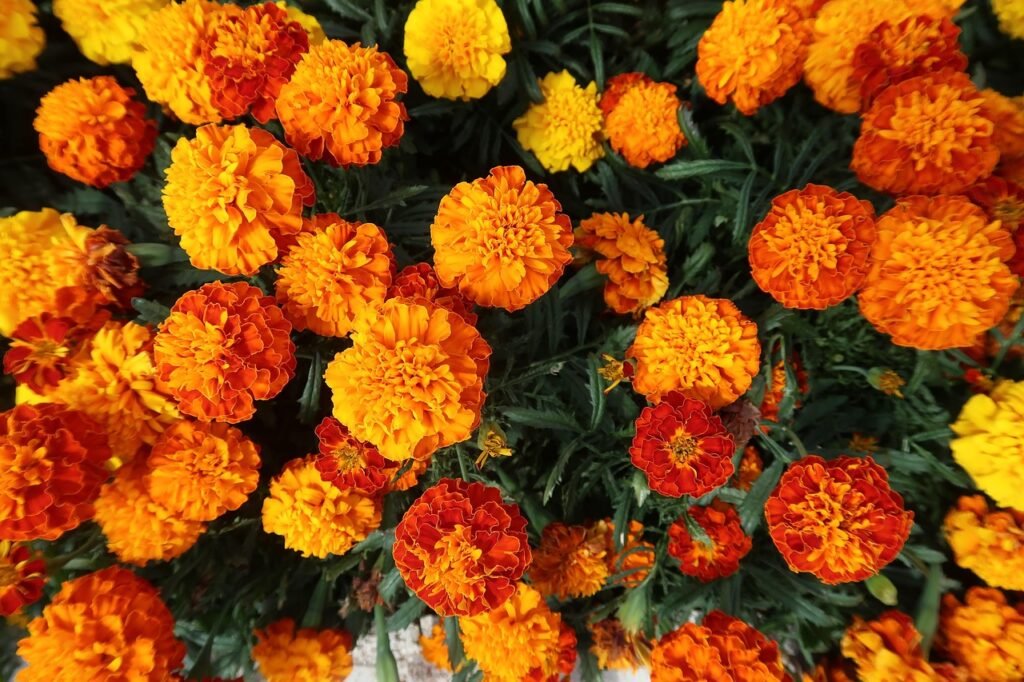
This year, I added marigolds throughout my containers, and while they definitely make the garden look more colorful, they also serve a practical purpose.
Marigolds are commonly used as companion plants because many gardeners believe they help deter certain pests while also attracting pollinators into the garden. Whether you are growing tomatoes, peppers, cucumbers, or squash, having flowers nearby can help create a more active garden environment overall.
I also attempted to grow sunflowers from seed this season, but they didnt really go anywhere. That is gardening sometimes. Not every plant takes off the way you expect it to.
One thing I appreciate about flowers in container gardens is that they help soften the space and make it feel more enjoyable to spend time in. When you are gardening in a small area, aesthetics matter too.
If you are new to gardening, flowers are also an easy way to:
- Bring more pollinators around
- Add color and variety
- Fill empty spaces in containers
- Make the garden feel more alive
Even in a vegetable garden, flowers still play an important role.
Important Container Gardening Tips for May
As exciting as May gardening is, this is also the time when container gardens can start demanding a lot more attention. Once the temperatures rise and plants begin actively growing, things can change very quickly in containers.
One of the biggest lessons I am learning is that container size truly matters.
It is tempting to squeeze large plants into small containers just to maximize space, but eventually the plants will let you know when they are unhappy. Smaller containers dry out faster, heat up faster, and can limit root growth, especially for heavy-feeding crops like:
- Tomatoes
- Peppers
- Cucumbers
- Okra
- Eggplant
Another thing that becomes extremely important in May is watering.
Honestly, if there is one thing I would tell container gardeners to focus on the most, it is this:
Stay on top of watering.
Once the Summer heat starts building, containers can dry out much faster than in-ground gardens. Fruiting crops especially need consistent moisture if you want healthy growth and good production.
A few things I am prioritizing this season:
- Mulching my containers
- Monitoring moisture more consistently
- Using larger containers for thirsty crops
- Adding shade protection when needed
Mulch is something I think many beginners overlook, but it makes a huge difference. Adding mulch around the base of your plants helps:
- Retain moisture
- Protect soil from drying out too quickly
- Reduce watering stress during hot weather
I also strongly recommend having some kind of shade protection available, especially if you live in a very hot climate. I personally use shade cloths in my garden because intense Summer heat can quickly stress container plants.
One final thing I am learning is that gardening does not need to be overly complicated. Sometimes simple combinations work best:
- Tomatoes with basil and marigolds
- Peppers with herbs
- Beans growing vertically on a trellis
You do not need a perfectly designed garden to grow food successfully. Consistency matters much more than perfection.
Keep It Simple and Keep Growing
One thing I am slowly learning about container gardening is that you do not need a perfect setup to grow food successfully. You do not need a massive backyard, expensive raised beds, or a perfectly organized garden plan to get started. A lot of times, you just need to start with what you have and learn as you go.
This season alone, I am experimenting with:
- New crop varieties
- Different container setups
- Trellising methods
- Companion planting combinations
- New ways to maximize small spaces
Some things are thriving already, and some things are still questionable. But that is honestly part of gardening. Every season teaches you something different.
If you are wondering what to plant in May, my biggest advice is to focus on crops that:
- Thrive in warm weather
- Grow well in containers
- Fit realistically within your space
- Excite you enough to keep showing up consistently
Do not overcomplicate it. A few productive containers can grow a surprising amount of food when you stay consistent with:
- Watering
- Mulching
- Proper container sizes
- Simple garden maintenance
And if you ever feel overwhelmed trying to figure out what to plant or when to plant it, that is exactly why I created my Monthly Planting Guide. It breaks everything down by zone and helps remove a lot of the guesswork, especially for beginners who are trying to navigate seasonal planting for the first time.
At the end of the day, gardening is a learning process. You do not have to know everything right away. Just keep planting, keep experimenting, and keep growing.
*This post contains affiliate links.