Skip to content
April is one of those months that can quietly make or break your entire garden season. What you plant right now is going to determine what you’re harvesting all Summer. And I don’t say that to put pressure on you. I say that because I’ve lived it.
I remember when I first started gardening, I had no idea what I was doing this time of year. I was either starting too early, moving things outside too soon, or second-guessing every single step. And if you’re feeling that way right now – like you’re behind, confused, or unsure where to start, you’re not alone.
The good news is this: April is actually one of the best times to get started, especially if you’re growing in containers or small spaces. You don’t need a big backyard. You don’t need perfect timing. And you definitely don’t need to know everything. You just need a simple plan and the right crops for this moment.
In this guide, I’m walking you through exactly what I’m planting in my own 10×10 container garden, what I’ve learned from my mistakes, and what I’m doing differently this year to get better results. Everything I’m sharing is beginner-friendly, practical, and designed to reduce overwhelm, because gardening should feel doable, not stressful.
So if you’ve been thinking about starting a garden or trying again this season, this is your sign. April is your opportunity. Let’s make the most of it.

Understanding April as a Transition Month
April is not just a planting month, it is a transition month. Understanding this can make a significant difference in how your garden performs in the months ahead.
This is the time when your garden begins shifting from cool-season crops, such as lettuce and spinach, into warm-season crops like tomatoes, peppers, and cucumbers. While that transition may seem straightforward, it is often where many beginners run into challenges.
One of the main reasons April can feel confusing is the weather. You may start to experience warm, sunny days that feel like Summer has already arrived. Naturally, this creates the urge to move plants outside early or begin planting everything at once.
However, April weather is not always stable.
It is common to experience:
- Warm daytime temperatures followed by cooler nights
- Sudden temperature drops
- Unexpected cold fronts
This inconsistency can impact young plants, especially those that are sensitive to temperature changes.
I learned this the hard way when I first started gardening. I had started my seeds early, and by the end of March, my plants were healthy and thriving indoors. As soon as the weather warmed up, I moved everything outside, thinking it was time.
Shortly after, temperatures dropped again. My basil plants struggled, and I had to quickly cover my containers to protect them. It was a stressful experience that could have been avoided with a bit more patience.
Now, I approach April differently.
Instead of rushing, I treat it as a preparation period:
- I continue starting seeds indoors
- I monitor nighttime temperatures closely
- I prepare my containers, soil, and support systems
- I wait for consistent warmth before transitioning plants outside
The most important takeaway is this: April is not about doing everything at once. It is about preparing your garden thoughtfully so that when conditions are right, your plants are set up to thrive.

Fruiting Crops to Start Now
When it comes to building a productive garden (especially in containers) your fruiting crops are going to be the backbone of your Summer harvest. These are the plants that take a little more time, a little more patience, but ultimately give you some of the most rewarding results.
If you are new to gardening, this is also where things can start to feel overwhelming. There are so many options, and it can be hard to know where to begin. The key is to focus on a few reliable crops that perform well in small spaces and containers.
Let’s start with the ones that I prioritize every year.
1. Tomatoes
Tomatoes are always at the top of the list, and for good reason. Whether you are a beginner or have been gardening for a while, tomatoes tend to be one of the most anticipated crops of the season.
This year, I am growing a mix of varieties, including Cherokee Purple, Roma, and cherry tomatoes. I like to have a combination because each type serves a different purpose, some for slicing, some for cooking, and some for snacking.
One thing that is important to understand about tomatoes is their growing timeline. Most varieties take anywhere from 60 to 100 days to produce fruit. That is why you will often hear that they should be started early.
However, if you are just getting started in April, you still have time.
For beginners, this is where you can simplify the process. Instead of worrying about being late, focus on starting now and doing it correctly.
Here is the method I use:
- Start seeds in small containers, like cups
- Add a small amount of soil initially
- As the plant grows, continue adding soil to bury the stem
Tomatoes have the unique ability to grow roots along their stems. By gradually burying the stem, you are creating a stronger root system, which leads to a healthier plant.
For container gardeners, tomatoes are a great option. They do require space, so aim for at least a 5 to 10 gallon container per plant. With proper care, they can produce a significant harvest even in a small setup.
2. Cucumbers
Cucumbers are another excellent choice, especially if you are working with limited space. They are fast-growing, productive, and relatively beginner-friendly once you understand their needs.
In my experience, cucumbers can quickly become one of the most rewarding crops in the garden. Last season, I had a steady harvest, which made it easy to stay consistent with picking and using them.
This year, I am focusing on a variety that is known for being self-pollinating and disease-resistant. This is especially helpful for beginners because it removes some of the uncertainty around pollination and common plant issues.
When deciding how to plant cucumbers, you have two main options:
- Start indoors and transplant later
- Direct sow once the soil is warm
Because cucumbers grow quickly, many gardeners prefer to direct sow them. This reduces transplant shock and allows the plant to establish itself right where it will grow.
For container gardening, the most important factor is vertical support. Cucumbers naturally want to climb, and giving them a trellis allows you to:
- Save space
- Improve airflow
- Keep the fruit off the ground
This is one of the easiest ways to maximize a small garden area.
3. Peppers
Peppers are a bit different from tomatoes and cucumbers in that they require more patience. They are slower to germinate and slower to grow, which can make them feel challenging at first.
Ideally, peppers are started earlier in the season. But if you are in April and have not started yet, this is still your opportunity to do so.
The key with peppers is understanding their need for warmth. They germinate best in warm conditions, which is why using a heat source can make a big difference.
Here is a simple approach:
- Start seeds indoors
- Use a heating mat if possible
- Cover the container to trap warmth and moisture
- Keep the soil consistently moist
This creates the environment peppers need to get started.
Even though they take longer, peppers are worth the wait. Once they begin producing, they can continue throughout the season, especially in warm climates.
4. Eggplant
Eggplant is one of those crops that can be discouraging if it does not work out the first time. I experienced this myself when I tried to grow it by direct sowing and did not see any results.
This season, I changed my approach by starting the seeds indoors. That one adjustment has already made a noticeable difference.
This is a good reminder, especially for beginners, that sometimes success in gardening comes down to adjusting your method rather than giving up on the crop entirely.
Eggplant grows well in containers and follows a similar pattern to peppers in terms of needing warmth and time. Once established, it can be a productive addition to your Summer garden.
Key Takeaway for Fruiting Crops
If you are feeling unsure about where to start, focus on just two or three of these crops:
- Tomatoes
- Cucumbers
- Peppers
These will give you a strong foundation and a rewarding harvest.
Fruiting crops do require a bit more patience upfront, but they are often the most satisfying to grow, especially when you see the results of your effort later in the season.
Warm-Season Crops and Direct Sowing
As April moves forward and the temperatures begin to rise, this is where your garden starts to shift into a new phase. You are no longer just starting seeds indoors, you are beginning to plant directly into your containers.
This is what we call direct sowing.
For beginners, this step can actually feel a lot easier. Instead of managing trays, grow lights, and transplanting, you are placing seeds directly into the container where they will grow and produce.
However, timing still matters.
Warm-season crops need one key condition:
- Warm soil
If the soil is still cold, your seeds may:
- Take longer to germinate
- Struggle to grow
- Or not sprout at all
That is why April requires a bit of observation. You are not just planting, you are watching the weather and making decisions based on it.
1. Beans
If you are new to gardening and want a crop that builds confidence quickly, beans are a great place to start.
They are:
- Easy to grow
- Fast to germinate
- Consistent producers
Last year, I focused only on bush beans because I was still learning and wanted to keep things simple. They stayed compact, and I did not have to think too much about structure or space.
This year, I am stepping it up a bit.
I am adding:
- Yard long beans
- Other climbing varieties
This means I will be using a trellis to support their growth. Even though bush beans are more compact, I have learned that they still benefit from some form of support to keep them upright and productive.
One important thing to remember is that beans do not like to be transplanted.
For best results:
- Always direct sow them
- Wait until the soil is warm
- Keep the soil consistently moist
If you are unsure about timing, a simple way to check is to step outside and feel the soil. If it feels cool, wait. If it feels warm, you are good to plant.
2. Melons
Melons are one of those crops that can feel a little intimidating at first, especially if you are working with a small space. But they are absolutely possible to grow in containers with the right setup.
Last year, I grew sugar baby melons.
To be honest, I did not get a large harvest. I only ended up with a couple of small fruits. But despite that, it was one of the most rewarding things I grew.
The flavor alone made it worth it.
That experience taught me a few important lessons:
- Water consistency matters more than I realized
- Container size plays a big role in growth
- Preparation makes a difference
This year, I am approaching melons differently.
I am:
- Considering upgrading to a larger container
- Planning my space more intentionally
- Paying closer attention to watering
Melons grow quickly, which means they can be direct sown once the soil is warm. They will establish themselves right where they are planted and begin to spread.

If you are growing in containers, here is what will help:
- Use a deep container to support root growth
- Guide the vines or give them space to spread
- Keep the soil consistently moist
- Add mulch to help retain moisture
Key Takeaway for Warm-Season Crops
Not every plant needs to be started indoors, and understanding this can simplify your gardening process.
With crops like beans and melons:
- Direct sowing is often the better option
- Warm soil is essential
- Preparation leads to better results
For beginners, this step removes a lot of the overwhelm. You are planting your seeds directly into your containers and watching them grow from start to finish.
As April continues and the weather becomes more stable, this is your opportunity to begin planting with confidence and setting your garden up for a productive Summer.
Greens for Late Spring and Summer Transition
As your garden begins transitioning into warmer weather, this is usually the point where many beginners assume that greens are no longer an option. Crops like lettuce and spinach are often labeled as “cool-season only,” which can make it seem like you have missed your window.
But that is not entirely true.
While it is correct that many greens prefer cooler temperatures, there are still ways to grow certain varieties into late Spring and even through parts of Summer, especially if you are growing in containers.
The key is choosing the right crops and adjusting your approach.
1. Swiss Chard
Swiss chard is one of the most reliable greens you can grow during this transition period.
Unlike more delicate greens, Swiss chard has a higher tolerance for heat. It may not thrive in extreme Summer conditions, but it can hold up much better than crops like spinach or traditional lettuce.
Right now, I am having some success with Swiss chard in my Spring garden, which is why I am continuing to grow it into the next season. Instead of pulling it out completely, I am giving it another chance to produce as temperatures rise.
If you are a beginner, Swiss chard is a good option because it is more forgiving.
To help it perform well:
- Avoid placing it in full, intense sunlight all day
- Keep the soil consistently moist
- Consider adding light shade during the hottest part of the day
These small adjustments can extend your harvest and give you more value from a single crop.

2. Lettuce
Lettuce is a bit more sensitive when it comes to heat, but that does not mean you cannot grow it at all during this time.
From my experience, I have grown lettuce through the season before, even into warmer months. However, it does require managing your expectations.
You may notice:
- Slower growth
- Smaller leaves
- Faster bolting if temperatures rise too quickly
Right now, I have lettuce that I started indoors and later transferred outside. It is growing, but not performing as strongly as I would like. And that is okay.
That is part of gardening – learning what works, what does not, and adjusting as you go.
If you decide to grow lettuce during this time, here are a few ways to support it:
- Provide partial shade to reduce heat stress
- Water consistently to prevent the soil from drying out
- Harvest early and often to make the most of what it produces
Key Takeaway for Greens
You do not have to completely give up on greens just because the weather is warming up. Instead, you need to be more selective and intentional.
Focus on:
- Choosing heat-tolerant options like Swiss chard
- Supporting more sensitive crops like lettuce with shade and moisture
- Accepting that growth may not be perfect, and that is part of the process
For beginners, this stage is less about perfection and more about learning how plants respond to changing conditions.
Even if your greens are not as productive as they were earlier in the season, continuing to grow them gives you valuable experience, and that experience will help you make better decisions in future seasons.
Herbs and Companion Plants
As you begin building out your garden for the warmer months, herbs are one of the easiest additions you can make. They do not require much space, they grow well in containers, and they serve multiple purposes in the garden.
One herb that I always make room for is basil.
A. Basil
Basil is one of those plants that I did not fully appreciate until I started growing it myself. Before gardening, I had never really used fresh basil. But once I grew it, it quickly became a staple.
Now, I use it regularly in cooking, and I am even planning to try it in tea.
This season, I am growing multiple varieties, including:
- Sweet Italian basil
- Holy basil

One of the reasons basil is such a good choice for beginners is because it is relatively easy to grow. It does well in containers, grows quickly in warm conditions, and does not require complicated care.
To grow basil successfully:
- Place it in a container with good drainage
- Give it consistent sunlight
- Water when the soil begins to dry out
Companion Benefits
Basil is not just useful in the kitchen, it also plays a role in supporting your garden.
It is often planted alongside tomatoes because:
- It may help improve the overall growth environment
- Some gardeners believe it enhances flavor
- It helps fill in space within your container setup
Even if you are not focused on companion planting, adding basil to your garden is a simple way to increase both productivity and usability.
Key Takeaway for Herbs
Herbs like basil are a practical addition to any container garden.
They:
- Take up minimal space
- Provide consistent harvests
- Add value beyond the garden
For beginners, herbs are a low-pressure way to build confidence. You can start small, see results quickly, and begin using what you grow almost immediately.
As you plan your garden for April and beyond, make sure to include at least one herb. It is a simple step that can make your garden feel more complete.
Root Crops and Specialty Crops
As you continue building out your garden for the season, this is where you can start incorporating crops that take a little more time but can be incredibly rewarding. For me, that crop is sweet potatoes.
A. Sweet Potatoes
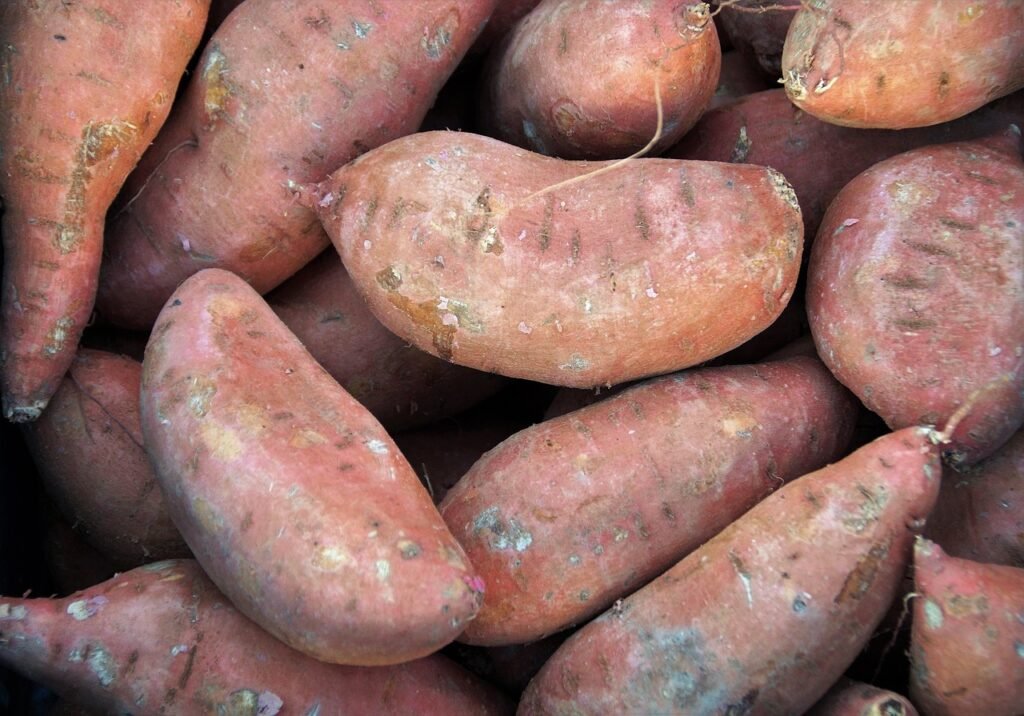
Sweet potatoes have become one of my favorite things to grow, especially after my experience last season.
I attempted to grow regular potatoes, and to be honest, it did not go well. I spent months watering, feeding, and tending to the plants, expecting a harvest at the end. When it came time to dig them up, there was nothing there. Just soil.
It was frustrating, especially after putting in that much time and effort.
But sweet potatoes were a completely different experience.
When I harvested them, I was genuinely excited. It felt like all the effort paid off, and even though I had to be careful while digging them up, it was one of the most enjoyable moments in my garden.
That experience is the reason I am growing them again this year.
What I Am Doing This Season
Last year, I grew sweet potatoes in a 30-gallon container and planted about five to six slips. This year, I want to expand that.
My plan is to:
- Use an additional grow bag
- Increase the number of slips
- Make better use of the space I have
Sweet potatoes are well-suited for container gardening, especially if you use larger containers that allow room for the roots to develop.
Getting Started with Sweet Potatoes
If you are planning to grow sweet potatoes, April is the time to begin preparing.
Instead of planting them directly like other crops, you start with slips.
Here is a simple way to begin:
- Place a sweet potato on top of soil
- Keep the soil slightly moist
- Provide warmth to encourage sprouting
It typically takes about 3 to 6 weeks for slips to form. Once they are ready, you can plant them in your containers for the growing season.
Beginner Takeaway
If you are new to gardening, sweet potatoes are a great crop to try, even if you have had mixed results with other root crops.
They:
- Grow well in containers
- Provide a rewarding harvest
- Offer a different growing experience compared to other vegetables
They also serve as a reminder that not every crop will go as planned, and that is part of the process. Sometimes, success comes from trying again with a different approach, or choosing a crop that works better for your environment.
As you plan your garden this season, consider adding sweet potatoes to your list. They may surprise you in the best way.
Flowers and Pollination
As you plan out your garden, it is easy to focus only on vegetables. However, flowers play an important role in the overall success of your garden, especially when you are growing fruiting crops.
If you are growing tomatoes, cucumbers, peppers, or melons, you will need pollinators. Without them, your plants may grow, but they will struggle to produce fruit.
This is where flowers come in.
Flowers help attract pollinators like bees and other beneficial insects into your garden. The more pollinators you have, the better your chances of getting a consistent harvest.
Some good options to consider include:
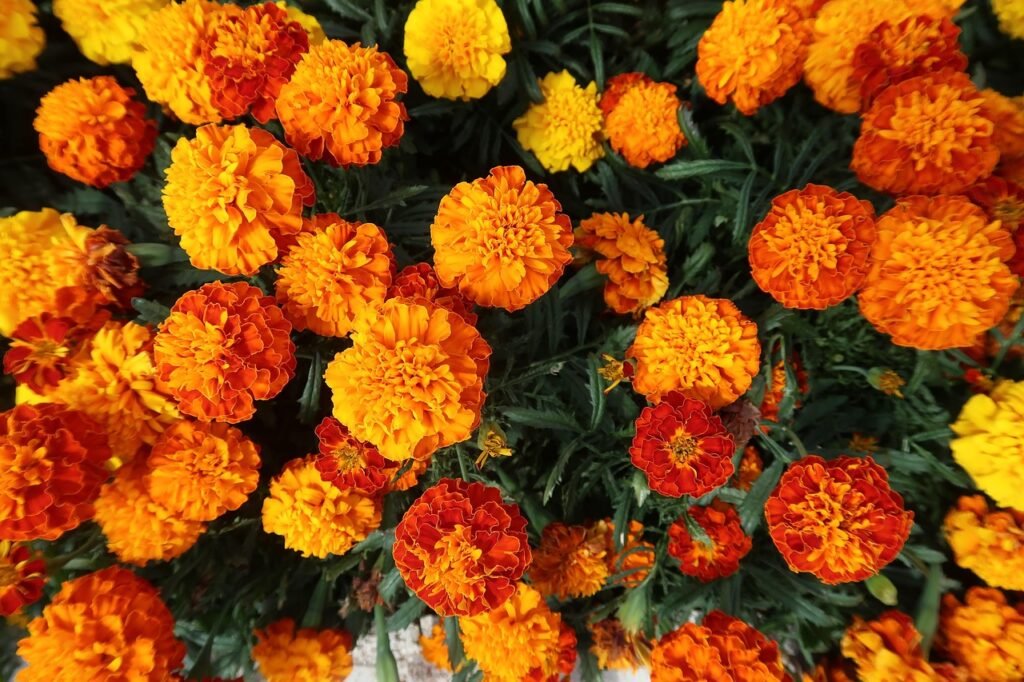
- Marigolds
- Zinnias
- Alyssum
- Shasta daisies
From my experience, flowers have not always been my main focus. I have tried growing them from seed, and while some did well, others did not perform as expected. This season, I am more open to mixing approaches, starting some from seed and purchasing others if needed.
For beginners, the main takeaway is simple: do not skip flowers.
They are not just decorative. They support your garden, improve productivity, and help create a more balanced growing environment.
Soil Care and Summer Preparation
As temperatures begin to rise, taking care of your soil becomes just as important as choosing what to plant. One of the simplest ways to protect your soil and your plants going into Summer is by using mulch.
When I first started gardening, I thought mulch was only for colder months. I did not realize how important it is during warmer weather, especially when growing in containers.
In containers, soil tends to dry out much faster. Without protection, you may find yourself watering more often than necessary, sometimes multiple times a day.
Adding mulch helps solve that problem.
It works by:
- Locking in moisture
- Regulating soil temperature
- Reducing how often you need to water
This season, I am using pine needles as mulch. I already have them set aside, and I plan to cover all of my containers early.
For beginners, this is a simple step that can make a noticeable difference. Instead of constantly worrying about watering and soil conditions, mulch helps create a more stable environment for your plants.
As you prepare your garden for Summer, do not overlook your soil. Supporting it now will make everything easier later.


Avoiding Common April Mistakes
April can feel exciting. The weather is warming up, your plants are growing, and it finally feels like the garden is coming to life. But this is also the time when many beginners make mistakes that can slow down their progress.
The most common mistake is moving plants outside too early.
It is easy to assume that because the days feel warm, your plants are ready. But what often gets overlooked is the nighttime temperature. Even if your days are in the 70s, nights that drop into the 50s can stress warm-season crops like tomatoes, peppers, and basil.
I made this mistake when I first started gardening. My plants were strong and healthy indoors, and as soon as I had a stretch of warm days, I moved everything outside. At first, everything seemed fine. Then the temperatures dropped again.
My basil struggled, and I had to rush to cover my containers. It turned into a stressful situation that could have been avoided by waiting just a little longer.
Another mistake is trying to do everything at once.
April can make you feel like you need to:
- Start all your seeds
- Transplant everything
- Direct sow every crop
This often leads to overwhelm and inconsistency.
Instead, it is better to slow down and focus on what matters most:
- Start your warm-season crops indoors
- Direct sow only when the soil is ready
- Prepare your containers and garden space
- Monitor the weather closely
The goal is not to rush into planting. The goal is to be ready when the conditions are right.
For beginners, patience is one of the most valuable tools you can develop. Avoiding these early mistakes will save you time, reduce stress, and give your plants a much better chance to thrive as the season progresses.
Simple April Action Plan
If all of this feels like a lot of information, the best way to move forward is to simplify it into clear, manageable steps. April does not require you to do everything at once. It just requires you to focus on the right actions at the right time.
Here is a simple plan you can follow:
Start indoors:
- Tomatoes
- Peppers
- Eggplant
Direct sow when soil is warm:
- Beans
- Cucumbers
- Melons
Prepare for upcoming planting:
- Start sweet potato slips
- Set up trellises for climbing plants
- Refresh or top off your container soil
Support your garden:
- Add herbs like basil
- Include flowers to attract pollinators
- Apply mulch to retain moisture
Stay aware:
- Monitor nighttime temperatures
- Watch for weather changes before moving plants outside
If you are a beginner, you do not need to complete everything on this list. Choose a few key tasks and start there.
The goal is progress, not perfection. Taking consistent, small steps throughout April will set your garden up for a smoother and more productive transition into Summer.
A Simple Way to Remove the Guesswork
By now, you may have a better idea of what to plant in April and how to approach this transition into the warmer season. But if you are being honest, you might still be wondering how to apply all of this to your specific situation.
Questions like:
- What should I be planting next month?
- Does this apply to my zone?
- Am I planting too early or too late?
These are common, especially for beginners. Even with a clear list, it can still feel like you are piecing everything together on your own.
That is exactly why I created a Monthly Panting Guide.
Instead of trying to remember everything or second-guess your timing, the guide walks you through what to plant each month based on your growing zone. It is designed to simplify the process so you are not constantly wondering what to do next.
Inside, you will find:
- Month-by-month planting recommendations
- Clear breakdowns for your specific zone
- Simple guidance that works for both in-ground and container gardens
The goal is to take everything we just discussed and organize it into something you can easily follow.
If you are someone who wants a little more structure and clarity as you move through the season, this can be a helpful next step. It allows you to focus less on figuring things out and more on actually growing your garden with confidence.
Conclusion
April is a powerful month in the garden. It is not about being perfect or getting everything done at once. It is about recognizing the opportunity in front of you and taking the first step.
What you choose to plant now will shape your Summer harvest, but that does not mean you need to rush or overwhelm yourself. You have time. You have options. And most importantly, you have the ability to start where you are with what you have.
If you are new to gardening, this is your moment to begin. You do not need a large space or years of experience. A few containers, a handful of seeds, and a willingness to learn is more than enough.
If you have tried before and felt discouraged, let this season be different. Adjust your approach, stay patient, and give yourself room to grow alongside your garden.
Focus on a few crops. Pay attention to the weather. Take small, consistent steps.
That is how a garden is built.
April is not a deadline. It is a starting point. And whatever progress you make from here will move you closer to a garden that produces, teaches, and rewards you over time.
So go ahead and get started.
*This post contains affiliate links.