Skip to content
If you think Fall gardening begins when the weather finally cools down, you’re already behind.
One of the biggest mistakes new gardeners make is waiting until the end of summer to start thinking about their Fall garden. By then, valuable growing time has already been lost. The most productive Fall gardens aren’t created overnight, they’re planned while summer crops are still producing, containers are still full, and the temperatures are still soaring.
That shift in mindset completely changed the way I garden.
During my first growing season, I focused almost entirely on keeping my summer vegetables alive. I didn’t think much about what came next until it was almost too late. Now I’ve learned that preparing for Fall is just as important as planting in spring. As one crop begins to slow down, another is getting ready to take its place. Instead of viewing it as the end of one season, I see it as the beginning of the next.

Whether you’re growing in raised beds, traditional gardens, or containers like I do, these same principles apply. A little preparation now can lead to healthier plants, stronger harvests, and a much smoother transition into the cooler growing season.
In this guide, I’ll walk you through the exact steps I use to prepare my vegetable garden for Fall; from deciding when it’s time to remove summer crops to refreshing the soil, transplanting new seedlings, managing compost, and protecting young plants during the hottest weeks of the year. If you’re hoping to maximize your harvest and keep your garden productive for as long as possible, these practical tips will help you make the most of every growing season.
Know When It’s Time to Remove Summer Crops
One of the hardest parts of preparing a Fall garden is knowing when to let go of your summer plants. If a cucumber vine is still producing a few fruits or your tomato plant still has flowers, it’s tempting to leave it in place for as long as possible. After all, you’ve invested months of watering, fertilizing, pruning, and caring for those plants.
But successful Fall gardening often requires thinking ahead instead of holding on.
Every growing season has a limited window, especially if you want to harvest cool-season vegetables before cold weather arrives. Waiting too long to remove declining summer crops can delay planting your Fall seedlings, giving them less time to establish and produce before temperatures begin to change.
That doesn’t mean you should pull out healthy, productive plants simply because the calendar says it’s time. Instead, evaluate how each plant is performing. Ask yourself whether it’s still producing enough to justify the space it’s occupies or whether that space could be better used for the next crop.

Here are a few signs that it may be time to replace a summer vegetable:
- Harvests have become smaller or less frequent.
- The plant is showing signs of decline or disease.
- New flowers are no longer developing into healthy fruit.
- You already have healthy seedlings waiting to be transplanted.
- The crop has already provided the majority of its harvest.
This is where succession planting becomes one of the most valuable techniques for home gardeners. Rather than waiting until every plant has completely finished, you intentionally replace older crops with younger ones so your garden continues producing food throughout the season.
For example, if an older cucumber plant is slowing down while a tray of healthy cucumber seedlings is ready to transplant, replacing the aging plant can actually increase your overall harvest. Those young plants have the energy to establish quickly and continue producing long after the original plant would have stopped.
I know it can feel a little guilty pulling out a plant that’s still hanging on. I’ve been there. But I’ve learned that gardening isn’t just about growing plants, it’s about managing space wisely. Every container, raised bed, or grow bag is valuable real estate, and sometimes the best decision for your garden is making room for what’s coming next instead of holding on to what’s already winding down.
Preparing for a successful Fall harvest isn’t about ending one season early. It’s about giving the next season the best possible start.
Know When It’s Time to Remove Summer Crops
One of the biggest challenges in preparing for a Fall garden is deciding when it’s time to say goodbye to your summer crops. If a cucumber vine is still producing a few fruits or a tomato plant continues to flower, it’s easy to convince yourself to leave it in place for another week, or another month. After spending so much time caring for those plants, removing them can almost feel wasteful.
But one of the most valuable lessons I’ve learned is that successful gardening isn’t just about growing plants, it’s about managing time and space.
Every growing season has a window of opportunity. Cool-season vegetables like broccoli, cabbage, cauliflower, carrots, and leafy greens need enough time to become established before cooler weather arrives. If you wait until your summer crops have completely finished producing, you may unintentionally shorten your Fall growing season.
Instead of relying on the calendar alone, learn to evaluate each plant individually. Ask yourself whether it’s still earning its place in the garden. A healthy, productive plant that continues producing quality harvests may be worth keeping a little longer. On the other hand, a plant that’s slowing down, struggling with disease, or producing only a handful of vegetables may be preventing your next crop from getting the head start it needs.
Here are a few signs that it’s time to replace a summer vegetable:
- Harvests have become much smaller or less frequent.
- New flowers aren’t developing into healthy fruit.
- The plant is showing signs of disease or severe decline.
- You already have healthy seedlings ready to transplant.
- The space could be used more productively by your Fall crops.
This is where succession planting becomes such a powerful gardening technique. Instead of waiting for your entire garden to finish producing before planting again, you gradually replace older crops with younger ones throughout the season. As one plant reaches the end of its productive life, another is ready to take its place.
For me, cucumbers are a perfect example. Once an older cucumber vine begins slowing down and I have healthy seedlings ready to go, I’d rather give those young plants room to establish than continue waiting for a few extra cucumbers from an aging vine. While it can feel difficult to remove a plant that’s still producing a little, I’ve found that making room for vigorous new growth often leads to a larger overall harvest.
It’s also important to remember that removing a plant doesn’t mean its usefulness has ended. Healthy vines, leaves, and stems can often be added to your compost pile, where they’ll break down into valuable organic matter that feeds future crops. In many ways, that plant is still contributing to your garden, it just has a different role now.
Thinking this way has completely changed how I approach seasonal transitions. Rather than seeing the end of a crop as a loss, I see it as an opportunity. Every plant that comes out creates space for something new, and every new planting brings the promise of another harvest. That’s what keeps a garden productive season after season.
Harvest Before You Reset the Garden
Before pulling out your summer crops, take a few extra minutes to harvest everything that’s ready. It’s easy to get excited about making room for Fall vegetables, but you don’t want to leave perfectly good produce behind.
Walk through your garden and check each plant carefully. Harvest mature vegetables, along with any fruits that are close to ripening. Depending on the crop, slightly overripe vegetables can still be used in soups, sauces, smoothies, or juices instead of going to waste. Anything that’s damaged beyond saving can usually be added to your compost pile, returning valuable nutrients back to the garden.
Harvesting first also gives you a better view of the condition of each plant. Once the fruit is removed, it’s easier to spot signs of disease, pest damage, or declining growth, helping you decide whether the plant should stay a little longer or be replaced.
I always like to gather one final harvest before removing a crop. It feels like a satisfying way to close out that plant’s growing season while making the most of everything it produced. Then, once the harvest is complete, I can focus on refreshing the container and getting the next round of vegetables planted.

Every harvest is a reminder that gardening is a continuous cycle. You plant, you nurture, you harvest, and then you prepare the space to do it all over again. That rhythm is what keeps a vegetable garden productive season after season.
Refresh Your Containers and Soil Before Planting Again
One of the biggest mistakes gardeners make between planting seasons is assuming they can pull out an old plant and immediately replace it with a new one. While that might work, taking a little extra time to refresh your container and soil gives your next crop a much stronger start.
Think about everything your summer vegetables have been through. They’ve spent months pulling nutrients from the soil, developing large root systems, and competing for water. By the time you’re ready to transition to your Fall garden, the soil has worked just as hard as the plants have. Giving it a little attention before planting again can make a noticeable difference in the health and productivity of your next crop.
I like to start by cleaning out the container. Remove as much of the old root system as possible, along with any weeds, dead leaves, or leftover plant material. This not only creates room for new roots to grow, but it also helps reduce places where pests or diseases can linger from one planting to the next.
Next, loosen the soil with a hand trowel or garden fork. Container soil naturally becomes more compact over time from watering and root growth. Breaking it up improves air circulation, allows water to penetrate more evenly, and makes it easier for young roots to establish themselves.
Before transplanting new seedlings, replenish the nutrients that your previous crop used throughout the season. I like to amend my containers with compost and a balanced fertilizer before planting. Organic matter helps improve soil structure while slowly releasing nutrients that support healthy plant growth.
When refreshing your containers, consider adding:
- Compost to restore organic matter and improve soil health.
- A balanced fertilizer to replace nutrients used by the previous crop.
- Mulch after planting to help conserve moisture and regulate soil temperature.
- Fresh organic material if the soil level has settled over the growing season.
Heavy-feeding vegetables, such as cucumbers, tomatoes, squash, and peppers, especially benefit from starting out in nutrient-rich soil. Giving them access to those nutrients early encourages stronger roots and healthier plants throughout the season.
Over time, I’ve also found myself transitioning from plastic containers to grow bags. Both can grow healthy vegetables, but I’ve come to prefer grow bags because they encourage better airflow around the roots and help prevent soil from becoming overly compacted. Healthier roots often lead to healthier plants.
Of course, every container has its trade-offs.
Grow bags offer several advantages:
- Excellent drainage
- Better airflow around the root system
- Less soil compaction over time
- Lighter and easier to move
Plastic containers also have benefits:
- Hold moisture longer during hot weather
- Require less frequent watering
- Often last for many growing seasons
- Can be a good choice in areas with extremely dry climates
Neither option is right or wrong. The best choice depends on your climate, watering routine, and personal gardening style. I’ve simply found that grow bags fit the way I like to garden.
No matter what type of container you use, remember that healthy plants begin with healthy soil. Spending just a few extra minutes cleaning, loosening, and amending your containers before planting again is one of the simplest ways to set your Fall garden up for success.
Protecting Plants During Extreme Summer Heat
One of the biggest challenges of preparing a Fall garden is that you’re often planting during the hottest part of the year. While you’re thinking ahead to cooler temperatures, your newly transplanted seedlings are still facing scorching summer sun, high temperatures, and rapidly drying soil.
Young plants are especially vulnerable during this stage because they haven’t had time to establish a strong root system. Without a little extra care, heat stress can slow their growth or even cause transplant shock.
The first priority is consistent watering. During periods of extreme heat, containers can dry out much faster than many gardeners expect. Check the soil daily, and don’t assume yesterday’s watering is enough for today. Water deeply so moisture reaches the root zone instead of just wetting the surface.

Mulch is another simple way to help your plants cope with the heat. A layer of mulch helps reduce moisture loss, keeps the soil cooler, and minimizes temperature swings throughout the day. It also reduces how often you’ll need to water during extended hot spells.
When temperatures remain in the 90s for several consecutive days, shade cloth can become one of the most valuable tools in your garden. While many vegetables thrive in full sun, prolonged periods of intense afternoon heat can place unnecessary stress on certain crops.
Vegetables that often benefit from temporary shade include:
- Tomatoes
- Peppers
- Eggplants
- Squash
- Newly transplanted seedlings
On the other hand, some warm-season crops continue to thrive even when temperatures climb.
These heat-loving vegetables generally tolerate summer conditions well:
- Okra
- Yard-long beans
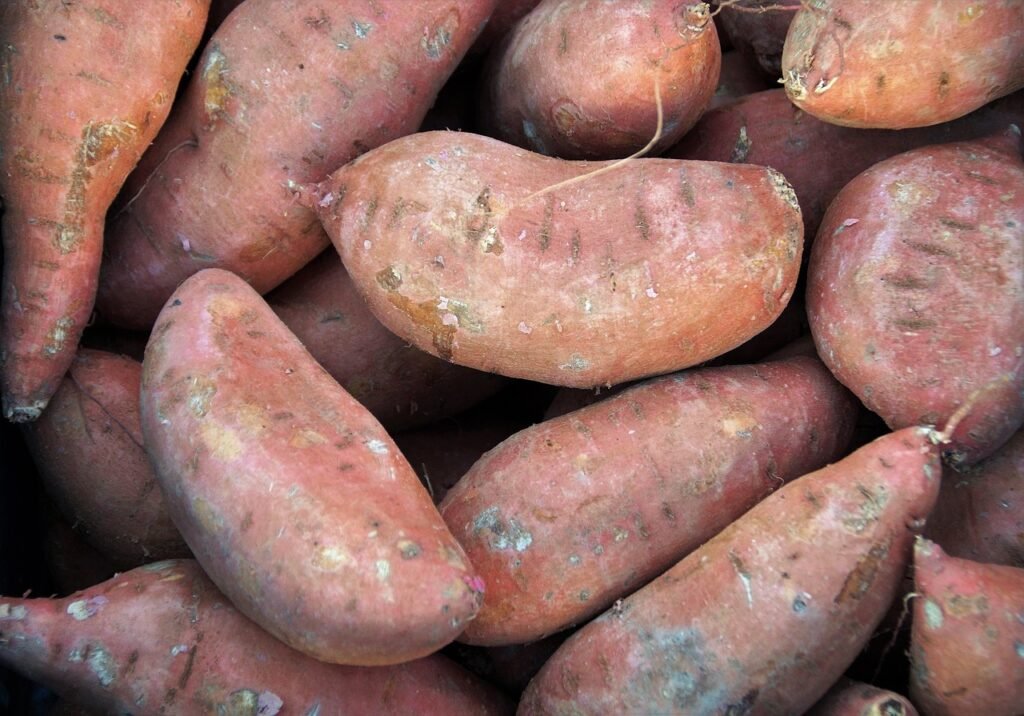
- Sweet potatoes
- Southern peas
The goal isn’t to keep your plants in the shade all day. Instead, shade cloth acts like sunscreen for your garden, filtering the harshest afternoon sun while still allowing enough light for healthy growth. I typically reserve mine for stretches of consecutive hot days rather than using it throughout the entire summer.
Preparing a Fall garden isn’t just about planting the right crops at the right time. It’s also about helping those young plants survive the transition. By combining consistent watering, mulch, and temporary shade when needed, you’ll give your seedlings a much better chance of becoming healthy, productive plants that carry your garden well into the Fall season.
Start New Seedlings Before Summer Ends
One of the biggest mindset shifts I had to make as a gardener was realizing that a Fall garden doesn’t actually begin in the Fall. If you wait until cooler temperatures arrive to start planting, many crops won’t have enough time to mature before the days become shorter and growth begins to slow.
That’s why I like to start many of my Fall vegetables while it’s still summer.
It may seem counterintuitive to plant new seedlings while you’re still harvesting cucumbers, tomatoes, peppers, or beans, but this overlap is exactly what keeps a garden productive for a longer period of time. Instead of viewing each season separately, think of your garden as a continuous cycle. As one crop finishes, another is already getting established.
This approach is known as succession planting, and it’s one of the easiest ways to maximize the space you have, especially if you’re gardening in containers or other small spaces.
Some vegetables that are commonly started before summer ends include:
- Broccoli
- Cabbage
- Cauliflower
- Kale
- Collard greens
- Carrots
- Beets
- Lettuce
- Spinach
Starting these crops early gives them time to develop strong root systems while the soil is still warm. As temperatures begin to cool, many of these vegetables actually grow even better, rewarding you with healthier plants and higher-quality harvests.
If you’re transplanting seedlings, try to give them the best possible start by planting during the cooler part of the day, watering them thoroughly after planting, and protecting them from intense afternoon sun until they’re established. These small steps can significantly reduce transplant shock and help seedlings begin growing more quickly.
I’ve found that having seedlings ready before removing older plants makes the transition much smoother. Instead of scrambling to start seeds after a container becomes available, everything is already prepared. As soon as one crop comes out, the next one goes in, and the garden keeps producing without missing a beat.
Planning ahead like this has helped me harvest more food from the same space while making the most of every growing season. It’s one of the simplest habits I’ve adopted, and it’s made a noticeable difference in the productivity of my garden year after year.
Prepare Your Compost Before Fall Planting
Healthy gardens start long before a seed ever goes into the ground, they start with healthy soil. One of the best ways to improve your soil naturally is by incorporating compost, which adds organic matter, improves soil structure, and helps feed your plants throughout the growing season.
If you’re planning a Fall garden, it’s worth preparing your compost ahead of time so it’s ready when your seedlings are.
As compost matures, microorganisms break down kitchen scraps, leaves, grass clippings, and other organic materials into a nutrient-rich soil amendment. This process takes time, which is why I like to let one compost pile finish breaking down while I begin filling another for a future planting season.
When compost is nearing completion, I stop adding fresh kitchen scraps and simply turn the pile every week or two. Turning the pile introduces oxygen, helps speed decomposition, and creates a more consistent finished product. By the time I’m ready to plant my Fall vegetables, I have compost that’s ready to be mixed into my containers.
Even if you don’t produce enough homemade compost for your entire garden, don’t let that discourage you. A small amount of homemade compost mixed with quality bagged compost or other organic matter is still incredibly beneficial. Every bit of organic material you add improves the health of your soil over time.
A healthy compost pile can include a variety of ingredients, such as:
- Fruit and vegetable scraps
- Dry leaves
- Grass clippings
- Cardboard and shredded paper
- Crushed eggshells
- Aged animal manures, such as rabbit manure

The goal isn’t to create the “perfect” compost recipe. It’s to consistently return organic matter back to your soil.
I’ve learned that some of the healthiest plants in my garden aren’t necessarily the ones that receive the most fertilizer, they’re the ones growing in healthy, living soil. Compost feeds that soil by improving its ability to hold moisture, support beneficial microbes, and make nutrients more available to plant roots.
When you invest in your compost, you’re investing in every harvest that follows. Strong soil creates strong plants, and strong plants are better equipped to handle pests, disease, heat, and the stresses that naturally come with every growing season.
Tips for Starting Carrots During Summer
Many gardeners think carrots should only be planted when the weather cools down, but if you want a Fall harvest, you’ll often need to start them while summer temperatures are still high. The challenge is that carrot seeds require consistent moisture to germinate, and hot, dry weather can cause the soil surface to dry out before the seeds ever have a chance to sprout.
The key is keeping the top layer of soil evenly moist throughout the germination process.
One method I’ve had success with is covering freshly sown carrot seeds with a piece of damp cardboard. The cardboard acts like a protective blanket, helping reduce moisture loss while shielding the soil from direct sunlight. Instead of the top layer drying out within a few hours, it stays consistently damp, creating better conditions for germination.
To improve your chances of success:
- Start with loose, well-draining soil free of rocks and large clumps.
- Water the soil before sowing your seeds.
- Cover the seeds lightly with soil rather than burying them too deeply.
- Keep the soil consistently moist until germination.
- Remove the cardboard as soon as seedlings begin to emerge.
- Thin overcrowded seedlings so each carrot has enough room to develop.
One lesson I’m still learning is the importance of thinning carrots. It’s tempting to leave every seedling in place, especially after waiting for them to germinate, but overcrowded carrots end up competing for space, water, and nutrients. Giving each plant enough room to grow results in straighter, larger roots at harvest time.
Carrots require a little extra patience in the summer, but the effort is well worth it. With consistent moisture and a little planning, you can get seedlings established before cooler weather arrives, setting yourself up for a productive Fall harvest.
Fall Gardening Is About Thinking Ahead
One of the greatest lessons gardening has taught me is that every harvest begins long before you pick your first vegetable. The healthiest gardens aren’t built through last-minute decisions, they’re the result of planning ahead.
Preparing for a Fall garden isn’t just about replacing one crop with another. It’s about thinking several weeks ahead and asking yourself what your garden will need next. Do you have seedlings ready? Is your compost finished? Have your containers been refreshed? Is your soil prepared? Taking care of these tasks before they’re urgent makes the entire transition much smoother.
I’ve also learned that gardening is a continuous cycle. One season naturally flows into the next. As you’re harvesting summer vegetables, you’re already preparing the soil for Fall crops. While your Fall vegetables are growing, you’re building compost that will feed next spring’s garden. Every task builds on the one before it.
Instead of waiting until your garden is completely empty, try preparing a little at a time. Small, consistent efforts are often more manageable than trying to reset your entire garden in one weekend.
Here are a few habits that can make your seasonal transitions easier:
- Start seedlings before older crops finish producing.
- Refresh containers as they become available.
- Build compost throughout the growing season.
- Monitor the weather and protect young plants during heat waves.
- Keep a planting calendar so you know when each crop should be started.
I’ve found that gardening becomes much less overwhelming when I stay one step ahead. Rather than feeling rushed to prepare for the next season, I can simply enjoy the process of growing, harvesting, and planting again.
That’s one of the things I love most about gardening. There’s always another season to look forward to, another lesson to learn, and another opportunity to grow something new. With a little planning and preparation, your garden can continue producing fresh food well beyond the peak of summer.
Know What to Plant Each Month
One of the questions I get asked most often is, “What should I be planting right now?” The truth is, the answer depends on where you live. Gardening timelines vary by climate, which is why planting at the right time is just as important as choosing the right variety.
Over the years, I’ve realized that keeping track of planting dates takes a lot of the guesswork out of gardening. Instead of wondering if you’re too early or too late, you can focus on getting your seeds and seedlings in the ground at the right time for your growing zone.
That’s exactly why I created my Monthly Planting Guide. It tells you what vegetables to plant each month based on your USDA growing zone, helping you stay on schedule throughout the year. Whether you’re planning your spring garden, preparing for a Fall harvest, or looking for succession planting opportunities, the guide is designed to help you make the most of every growing season.
Instead of spending hours researching planting dates, you can spend more time doing what we all love, getting your hands dirty, growing fresh food, and enjoying the garden.
If you’d like a simple resource to help you stay on track throughout the year, be sure to check out my Monthly Planting Guide. It’s one of the tools I use to plan my own garden, and I hope it helps you grow with more confidence, one season at a time.
Final Thoughts
Preparing your Fall garden isn’t about rushing to the finish line of summer, it’s about making thoughtful decisions that set your next harvest up for success. Every cucumber vine you remove, every container you refresh, every handful of compost you add, and every seedling you transplant is an investment in the months ahead.
One of the things I love most about gardening is that it teaches patience. You can’t rush a seed to germinate or force a plant to produce overnight. Instead, gardening rewards consistency. Small tasks, done over time, add up to healthier plants, bigger harvests, and a garden that continues producing season after season.
If you’re new to Fall gardening, don’t feel like you have to do everything perfectly. Start with one container, one raised bed, or one small section of your garden. Learn from what works, adjust what doesn’t, and remember that every season is an opportunity to become a better gardener.
I’ve learned that some of my biggest harvests didn’t come from working harder, they came from planning ahead. By preparing the garden before Fall arrives, you’re giving your vegetables the time and conditions they need to thrive.
Frequently Asked Questions
When should I start preparing my fall garden?
It’s best to begin preparing your Fall garden while your summer crops are still producing. Starting early gives you time to remove declining plants, refresh your soil, start seedlings, and transplant them before cooler weather arrives. Waiting until Fall officially begins can shorten your growing season.
Should I remove vegetables that are still producing?
Not always. If a plant is healthy and producing well, you may choose to leave it a little longer. However, if production has slowed significantly and you already have seedlings ready to transplant, replacing the older plant may lead to a larger overall harvest through succession planting.
Do I need to replace my potting soil every season?
No. In most cases, potting soil can be reused for multiple growing seasons. Before planting again, remove old roots and plant debris, loosen compacted soil, and replenish nutrients by mixing in compost and a balanced fertilizer.
Are grow bags better than plastic containers?
Both can grow healthy vegetables successfully. Grow bags provide excellent drainage and improve airflow around the roots, while plastic containers retain moisture longer and require less frequent watering. The best choice depends on your climate, watering routine, and personal preference.
What should I add to my soil before planting fall vegetables?
A good starting point is to amend your soil with compost and a balanced fertilizer. Compost improves soil structure and feeds beneficial microorganisms, while fertilizer replaces nutrients that were used by your summer crops.
Can I start carrots during the summer?
Yes. If you’re planning a Fall harvest, carrots are often started while summer temperatures are still high. The key is keeping the soil consistently moist during germination, since carrot seeds can dry out quickly in hot weather.
Why is succession planting important?
Succession planting helps keep your garden productive by replacing older crops with new ones instead of waiting for the entire garden to finish producing. This allows you to maximize your growing space and enjoy fresh harvests for a longer period of time.
How can I protect newly transplanted seedlings from extreme heat?
Water deeply after transplanting, apply mulch to help retain soil moisture, and use shade cloth during periods of prolonged high temperatures. These simple steps reduce transplant shock and help young plants establish strong root systems before cooler Fall weather arrives.
*This post contains affiliate links